
Percocet, primarily utilized as a painkiller, is an opioid composed of acetaminophen and oxycodone. Among its various forms, the pill variant is specifically recognized as the M523 white pill. Understanding the M523 white pill is vital due to its high potential for misuse and addiction. At Hope Harbor Wellness, we provide essential information and comprehensive support for individuals battling substance abuse and their loved ones seeking assistance.
M523 is often searched by people worried about oxycodone misuse. If prescription opioids have become hard to control, our oxycodone addiction treatment and MAT program can help reduce cravings and support long-term recovery.
What is the M523 Pill (Oxycodone and Acetaminophen) Opioid Medication?
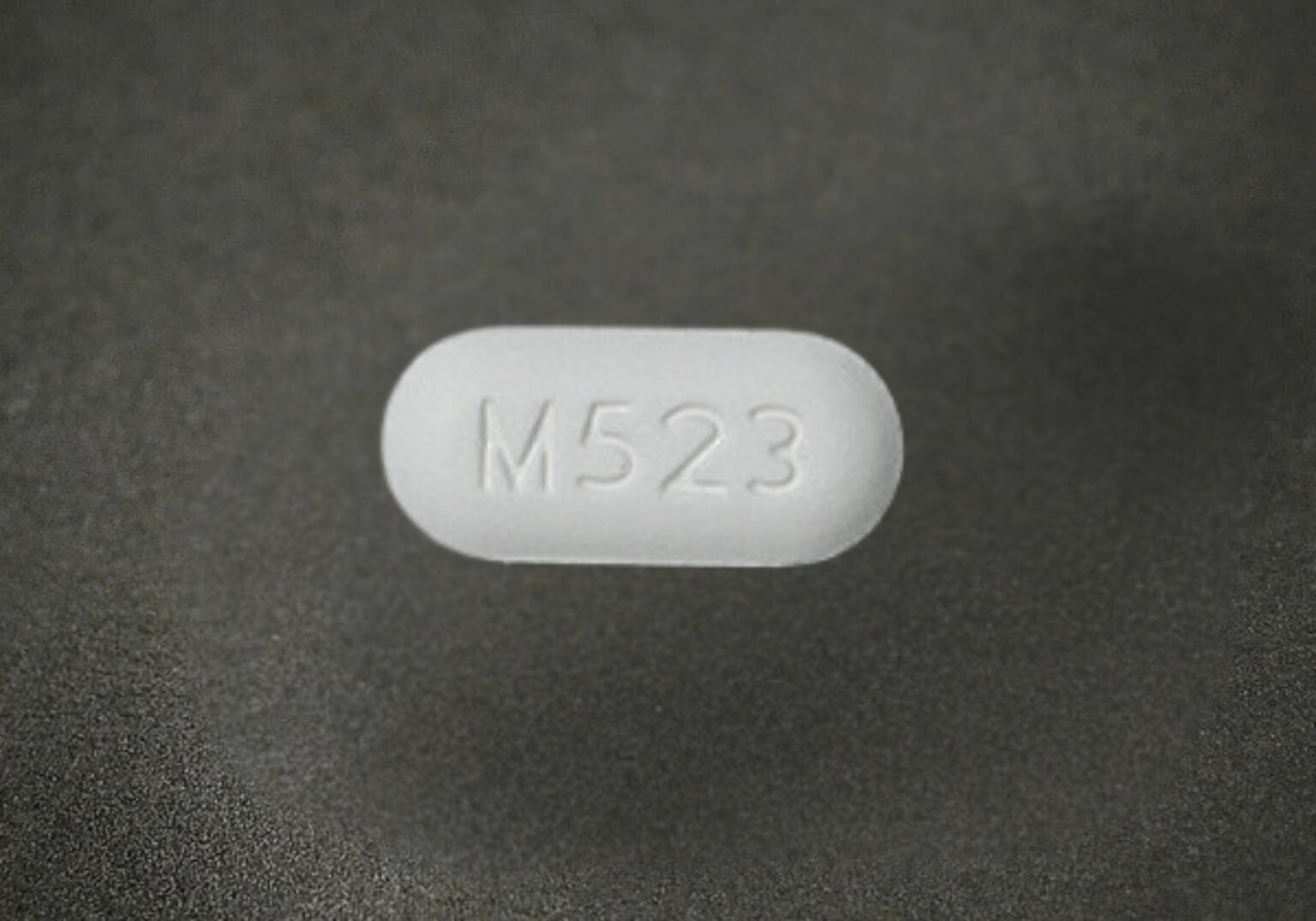
The M523 pill is a white, elliptical or oval-shaped tablet marked with the imprint “M523.” This designation identifies it as a combination of Acetaminophen 325 mg and Oxycodone Hydrochloride 10 mg.
- Acetaminophen 325 mg: A widely used over-the-counter pain reliever and fever reducer.
- Oxycodone Hydrochloride 10 mg: A potent opioid analgesic effective for managing moderate to severe pain.
Without the specific imprint, identifying the M523 pill can be challenging, as it might be mistaken for a vitamin, supplement, or illicit drug. Accurate identification is crucial to ensure safe usage and prevent accidental misuse.
What Does the M523 Oval Pill Look Like?
To fully understand the significance of the M523 pill, it’s essential to recognize its physical characteristics and designation. This small, white, oval-shaped pill has the distinct imprint “M523” on one side and a score line on the other, facilitating easy splitting if necessary.
Imprint Breakdown:
- M: Represents Mallinckrodt Pharmaceuticals, a reputable company known for producing high-quality medications.
- 523: A unique numeric code that distinguishes this specific pill from others, aiding healthcare providers and pharmacists in accurate identification.
When identifying a pill online, using imprint codes is crucial. Without these markings, the pill’s identity remains unclear, increasing the risk of misuse. Utilizing a pill finder tool or consulting with healthcare professionals can ensure accurate identification and safe usage.
Understanding that the M523 pill is a prescription drug within the broader category of opioid analgesics highlights its potency and the necessity for careful management. The active ingredient, Oxycodone hydrochloride, is responsible for the pill’s pain-relieving effects, making it effective yet potentially addictive.
Common Uses of M523 Pills
The M523 pill combines oxycodone and acetaminophen, making it a versatile medication for various pain management scenarios.
Here are some common reasons doctors prescribe the M523 white oval pill:
- Pain Management: Primarily used to alleviate moderate to severe pain from injuries, surgeries, dental procedures, or chronic conditions like arthritis and cancer.
- Post-Surgical Pain Relief: Helps reduce pain following surgical procedures, enhancing patient comfort and recovery.
- Chronic Pain Conditions: Offers relief for persistent pain that other medications may not effectively control, improving the quality of life for individuals with chronic pain.
- Traumatic Injuries: Manages pain resulting from fractures, dislocations, or severe sprains during the healing process.
- Dental Pain: Provides significant relief after dental surgeries such as tooth extractions or root canals.
- Cancer Pain: Assists in controlling pain associated with cancer and its treatments, including surgeries, chemotherapy, and radiation therapy.
Important: Always use the M523 pill strictly as prescribed by your healthcare provider. Misuse can lead to severe health complications, including addiction, overdose, and even death. If you have any concerns or experience side effects, consult your doctor immediately.
Risks and Side Effects Associated with the M523 White Oval Pill
While the M523 white pill is effective for pain management, it carries significant risks, particularly when misused. Understanding these risks is crucial for anyone prescribed this medication or dealing with addiction.
Possibility of M523 Addiction
The M523 pill’s combination of oxycodone and acetaminophen has a high potential for addiction. Prolonged use can lead to both physical dependence and psychological addiction, making it challenging to discontinue without professional assistance. Addiction to the M523 white oval pill can disrupt daily life, relationships, and overall well-being.
M523 Overdose
Overdosing on the M523 pill is a severe risk, with symptoms including:
- Trouble Breathing: Respiratory depression can be life-threatening.
- Small Pupils: Constricted pupils are a common sign of opioid overdose.
- Extreme Drowsiness: Excessive sedation may lead to unconsciousness.
- Loss of Consciousness: In severe cases, overdose can result in coma or death.
Immediate medical attention is crucial if an overdose is suspected. Call 911 without delay to ensure timely intervention.
Interactions with Alcohol and Other Substances
Combining the M523 white pill with alcohol or other drugs significantly increases the risk of adverse effects and overdose. Both alcohol and oxycodone depress the central nervous system, leading to enhanced sedation, respiratory depression, and impaired judgment. Always inform your doctor about all medications and substances you are using to prevent harmful interactions.
Common Side Effects of M523 White Pill
- Nausea and Vomiting: Taking the pill with food or milk can help alleviate these symptoms.
- Constipation: Opioids often cause constipation. Increasing fluid intake, consuming a high-fiber diet, and regular exercise can help manage this side effect.
- Drowsiness and Dizziness: Avoid activities that require full attention, such as driving or operating heavy machinery, until you understand how the medication affects you.
- Respiratory Depression: Severe breathing difficulties necessitate immediate medical attention.
- Itching or Rash: Seek medical help if you experience facial swelling, lip numbness, or other severe allergic reactions.
- Headaches and Mood Swings: Persistent headaches or significant mood changes should be reported to your doctor promptly.

Recognizing Signs of M523 Pill Addiction
Early identification of addiction can lead to timely intervention and effective treatment.
Common signs of addiction to the M523 white pill include:
- Increased Tolerance: Needing higher doses to achieve the same pain-relieving effects.
- Withdrawal Symptoms: Experiencing physical and psychological distress, such as nausea, anxiety, and irritability, when not taking the pill.
- Abusing the Drug: Using the pill more frequently or in larger amounts than prescribed.
- Preoccupation with the Substance: Constantly thinking about obtaining and using the pill.
- Neglecting Responsibilities: Failing to meet work, school, or family obligations due to pill use.
- Doctor Shopping: Visiting multiple doctors to obtain additional prescriptions.
- Using Despite Negative Consequences: Continuing use despite health problems or strained relationships.
Recognizing these signs is essential for seeking help and preventing the progression of addiction.
How the M523 Pill Interacts with Your Body
The M523 white oval pill exerts its effects through its active ingredients:
Oxycodone
- Pain Relief: Oxycodone binds to opioid receptors in the brain and central nervous system, altering pain perception and providing significant pain relief. It also induces feelings of relaxation or drowsiness.
- Side Effects: Can cause drowsiness, dizziness, and respiratory issues, especially in high doses. Oxycodone is highly addictive if not used as prescribed.
Acetaminophen
- Pain and Fever Relief: Blocks specific chemicals in the brain that signal pain and fever, effectively reducing these symptoms.
- Safety Concerns: Generally safe when taken as directed, but excessive use can lead to liver damage. It’s crucial not to exceed the recommended dosage to avoid severe health consequences.
How Long is M523 Pill Detectable in Your System?
Understanding how long the M523 white pill remains detectable in your system is important for treatment and legal purposes:
- Urine Detection:
- Hydrocodone: Detectable for approximately 2 to 4 days after use.
- Acetaminophen: Not typically included in standard urine drug tests.
- Blood Detection:
- Hydrocodone: Detectable within 24 hours after use.
- Acetaminophen: Not commonly tested in standard blood drug tests.
- Hair Detection:
- Can be identified for several months, depending on the length of the hair sample. Hair tests are less common for opioids like hydrocodone but offer a longer detection window.
Risks Associated with M523 Oxycodone Hydrochloride
Misusing the M523 white oval pill can lead to a range of adverse outcomes. It’s essential to understand these risks to use the medication safely and seek help if needed.
Possibility of Addiction
Long-term use of the M523 pill can result in dependence and addiction. It’s crucial to use this medication strictly as prescribed by your doctor. Do not increase the dosage or frequency without medical approval. If you suspect dependence, seek professional help immediately.
M523 Overdose
Taking excessive amounts of the M523 pill is highly dangerous. Overdose symptoms include trouble breathing, small pupils, extreme drowsiness, and loss of consciousness. Immediate medical intervention is necessary if an overdose is suspected.
Interactions with Alcohol & Substances
Combining the M523 pill with alcohol or other drugs exacerbates side effects and increases overdose risk. Alcohol amplifies the pill’s sedative effects, leading to severe respiratory depression, sedation, dizziness, and impaired judgment. Always inform your healthcare provider about all substances you are using.
Alcohol Use and M523 Pill
The combination of alcohol and the M523 white pill can lead to dangerous consequences due to their synergistic depressant effects on the central nervous system. This combination heightens the risk of respiratory depression, sedation, dizziness, and impaired judgment, necessitating immediate medical attention if severe side effects occur.
Signs of M523 Pill Addiction
As a potent opioid, the M523 pill carries a high risk of addiction.
Recognizing the signs of M523 white pill addiction can facilitate early intervention and effective treatment:
- Increased Tolerance: Needing higher doses to achieve the desired effect.
- Withdrawal Symptoms: Experiencing physical and psychological discomfort when not taking the pill.
- Abusing the Drug: Taking the pill more frequently or in larger quantities than prescribed.
- Preoccupation with the Substance: Constantly thinking about obtaining and using the pill.
- Neglecting Responsibilities: Failing to meet personal, professional, or academic obligations.
- Doctor Shopping: Visiting multiple healthcare providers to obtain additional prescriptions.
- Using Despite Negative Consequences: Continuing pill use despite adverse health or social effects.
Identifying these signs is critical for seeking help and preventing the escalation of addiction.

Potential Side Effects of the M523 Pill
Like any medication, the M523 pill may cause specific side effects.
It’s essential to consult a medical professional if you experience any of the following:
- Nausea and Vomiting: Gastrointestinal disturbances can occur, but taking the pill with food or milk may help alleviate these symptoms.
- Constipation: Opioids like the M523 pill commonly cause constipation. Increasing fluid intake, consuming a high-fiber diet, and regular exercise can help manage this side effect.
- Drowsiness and Dizziness: These effects can impair your ability to perform tasks that require full attention, such as driving or operating machinery.
- Respiratory Depression: Severe breathing difficulties require immediate medical attention.
- Itching or Rash: Allergic reactions, including facial swelling or lip numbness, necessitate urgent medical care.
- Headache: Persistent or severe headaches should be reported to your healthcare provider.
- Sweating and Flushing: Increased sweating or skin flushing may occur but typically subside over time.
- Mood Swings: Opioids can impact mental health, leading to mood swings, anxiety, or depression. Significant mood changes should be discussed with a doctor.
- Urinary Retention: Difficulty urinating or urinary retention should be reported to a healthcare professional promptly.
Dependence and Addiction
Prolonged use of opioids, including the M523 pill, can result in physical dependence and, in some cases, addiction. It’s crucial never to alter your medication plan without medical consent to prevent these severe outcomes.
Get Treatment for M523 White Pill Abuse and Addiction at Hope Harbor Wellness
If you or a loved one is struggling with addiction to the M523 white oval pill, Hope Harbor Wellness in Atlanta, GA, offers effective treatment solutions.
Our comprehensive approach includes:
- Medical Detox: Safely manage withdrawal symptoms under professional supervision to begin the recovery process.
- Outpatient Treatment: Flexible programs tailored to individual needs, allowing you to receive care while maintaining daily responsibilities.
- Ongoing Support: Continuous care and support to prevent relapse and promote long-term recovery.
At Hope Harbor Wellness, we understand the complexities of Percocet and M523 pill addiction. Our dedicated team provides personalized care to address both the physical and psychological aspects of addiction. Stopping opioids suddenly can be dangerous and is not recommended without medical supervision. Begin your recovery the right way with the support of our medical experts. Our holistic approach ensures that you receive the necessary care to overcome addiction and achieve lasting sobriety.
If you or someone you know is struggling with prescription pill addiction, including Percocet and the M523 white pill, reach out to Hope Harbor Wellness 770-573-9546 or fill out our online contact form today. Take the first step towards recovery and reclaim your life from addiction. Our compassionate team is here to support you every step of the way.