
Addiction is a deeply personal experience that often makes it difficult for individuals to express their feelings or share their stories. Traditional addiction treatment programs typically focus on talk therapy, which can be challenging for those who struggle to verbalize their experiences. Art therapy offers a unique alternative by providing a nonverbal way to communicate, allowing individuals to express complex emotions and thoughts through creative mediums such as painting, drawing, or sculpting.
What is Art Therapy for Addiction Treatment?
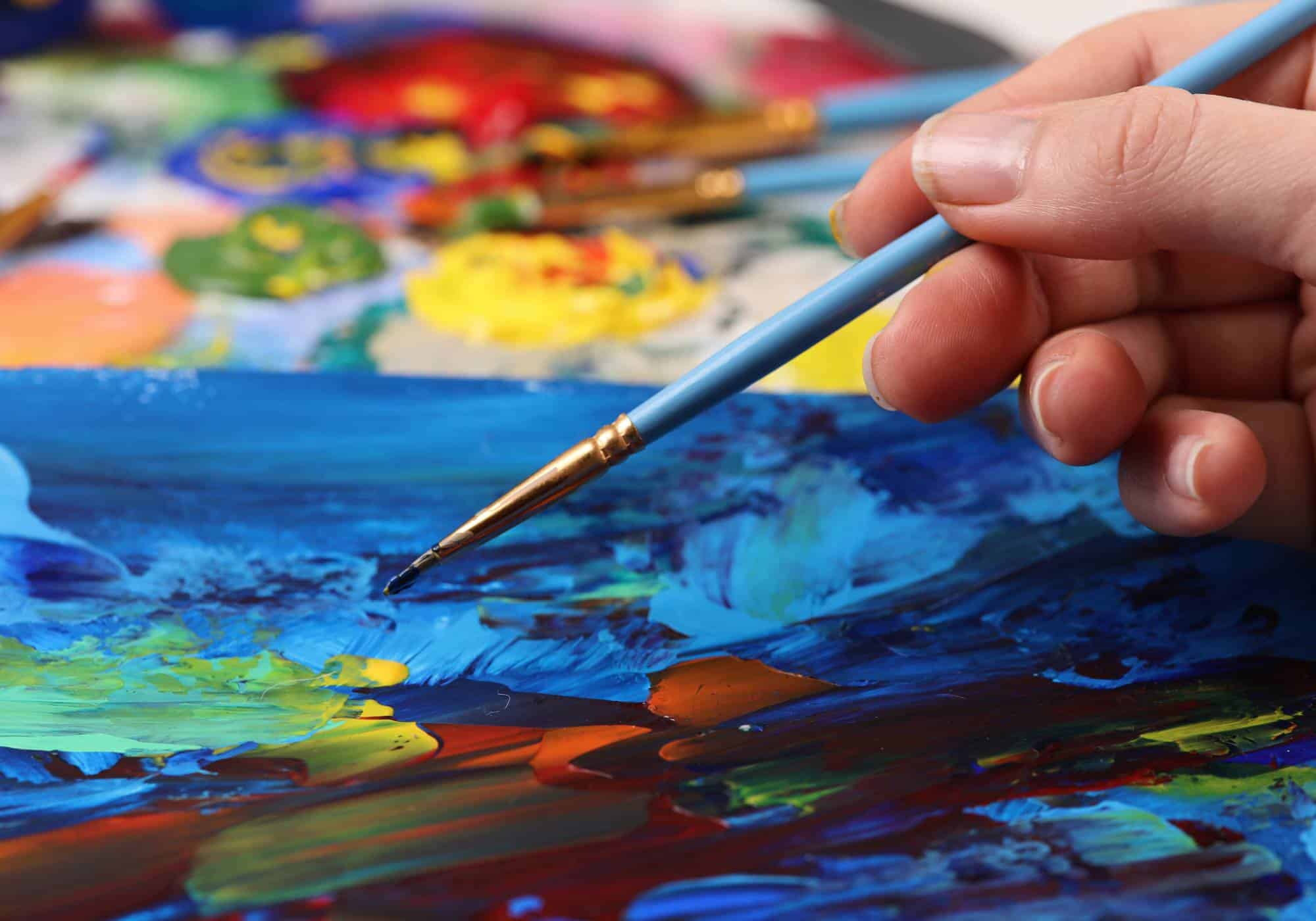
The process of creating art holds a unique power. Without needing to use words, you can express complex emotions and ideas. Art therapy for substance abuse leverages this creative process, helping individuals articulate thoughts and emotions they may struggle to convey verbally. A trained therapist guides the experience, ensuring a safe and supportive environment throughout.
In art therapy, expression is often nonverbal. This allows those in recovery to explore, understand, and resolve issues they may feel uncomfortable discussing in traditional therapy settings. It also provides a safe space to process the range of emotions tied to their addiction experience. Participants don’t need artistic talent to benefit from art therapy; they simply need to engage with the process and open themselves up to the experience.
Art therapy is versatile and can be integrated into many therapeutic settings, from individual therapy sessions to group counseling.
What is Art Therapy?
Art therapy is a form of treatment that uses art-making as a means of expression and healing. Through creating art, individuals can communicate thoughts, emotions, and experiences that may be challenging to express verbally. The primary objective of art therapy is to foster self-awareness, emotional growth, and overall well-being.
It’s important to note that art therapy is not just about creating art—it involves working with a trained art therapist who facilitates the process. The therapist ensures that the creative experience is therapeutic and aligned with the individual’s recovery goals.
Numerous studies support the effectiveness of art therapy in treating individuals struggling with addiction. By incorporating art therapy into addiction treatment programs, individuals can better explore their emotions and past traumas. Creative activities like painting, drawing, and collage can be powerful tools for transforming and expressing difficult feelings.
Art Therapy Techniques for Addiction Treatment
The goal of art therapy is to provide individuals in recovery with an alternative form of communication to express their experiences, emotions, and struggles. Through creative outlets, people can convey thoughts and feelings that may be difficult to verbalize. Below are some of the techniques and practices commonly used in art therapy:
- Painting: A medium that allows participants to express emotions through color and form.
- Drawing: Helps individuals translate their thoughts into visual representations.
- Sculpting: Offers a tactile experience, allowing the creation of physical objects that reflect personal emotions.
- Creating Music: Music-making can help release tension and communicate feelings that words cannot express.
- Writing Poetry: Encourages self-expression through carefully chosen words and metaphors.
- Journaling: Offers a space for reflection, allowing individuals to explore their thoughts in a structured way.
- Acting: Performance arts can provide a means to express emotions, explore personal stories, or even re-enact important moments in recovery.

Why Art Therapy Works in Addiction Recovery
Art therapy uses creative expression to promote healing and personal growth in addiction treatment. The benefits of art therapy for emotional and psychological well-being are extensive.
Through the process of creating art, individuals can:
- Reduce stress
- Improve mood
- Enhance self-awareness
- Experience a sense of peace and fulfillment
- Connect more deeply with themselves and others
At Hope Harbor Wellness, art therapy plays a vital role in the emotional healing of those in recovery. Engaging in creative activities like painting and drawing provides a safe space to express and process challenging emotions such as anger, sadness, and frustration. This emotional release is essential in healing and overcoming addiction.
How Art Therapy Help Individuals in Recovery
The act of creating art allows individuals to express their innermost emotions in a safe and structured way. Whether through painting, drawing, or other forms of artistic expression, those in recovery can explore their feelings, develop self-awareness, and find healing. The creative process encourages individuals to engage with their emotions, understand them, and work through them in a constructive manner.
Art therapy can be particularly effective for individuals who have experienced trauma or struggle with co-occurring mental health conditions. It allows them to process and transform their emotions, making it easier to cope with the challenges of recovery.
The Benefits of Art Therapy in Addiction Treatment
Art therapy provides a valuable tool for individuals on the path to recovery. It allows participants to tap into their creativity, establish healthy routines, and find new purpose beyond substance use. By integrating art therapy into addiction treatment programs in Atlanta, individuals can develop coping mechanisms, manage stress, and cultivate new skills for long-term recovery.
Art therapy stands out as a unique and powerful tool in addiction recovery, offering an expressive outlet for emotional exploration, self-awareness, and change. Incorporating art therapy into addiction treatment programs enhances the recovery journey, supporting individuals in achieving sobriety and improving overall well-being.
What Happens in an Art Therapy Session for Addiction?
A typical art therapy session can vary greatly but generally includes the following steps:
- The session begins with a discussion led by a trained art therapist, often focusing on the goals or techniques for that day’s session.
- Participants then engage in the creation of art, which could be done individually or in a group setting. The artwork serves as a medium for exploring emotions related to addiction and recovery.
- After the artwork is completed, the therapist may ask reflective questions, such as:
- What feelings did you convey in this piece?
- Has creating this art helped you gain any new insights about your recovery?
- Were any specific memories present while you were creating this?
- In group settings, participants may share their experiences with each other, adding a social element to the healing process.
- At the end of the session, artworks may be kept by the therapist for safekeeping, and many individuals choose to take them home at the conclusion of their treatment.
How Art Therapy Complements Other Therapies
At Hope Harbor Wellness, art therapy is integrated with various therapeutic approaches to provide a comprehensive treatment plan. These different therapies complement each other and enhance the overall recovery process. Art therapy works particularly well with:
- 12-Step Therapy: Progressing through the 12 steps can be emotionally challenging. Art therapy provides a creative outlet for individuals to relax, express themselves, and emotionally recharge. It acts as a helpful break during the intense journey of 12-step recovery.
- Cognitive Behavioral Therapy (CBT): Since CBT focuses on identifying and changing negative thoughts and behaviors, art therapy complements it by helping individuals visualize and better understand these underlying issues. It gives individuals a more profound way to process and confront the patterns that fuel addiction.
- Dialectical Behavioral Therapy (DBT): The aim of DBT is to teach emotional regulation, stress management, and mindfulness. Art therapy can be a powerful tool for regulating emotions, helping individuals calm their minds, focus on the present moment, and better manage stress through creative expression.
Art Therapy for Substance Abuse at Hope Harbor Wellness
At Hope Harbor Wellness, we incorporate art therapy as a core component of our addiction treatment programs. Creative activities like painting and drawing help individuals express difficult emotions, such as anger, sadness, or frustration, in a healthy and therapeutic way. By engaging in art therapy, individuals in recovery can find emotional release, gain new insights into their addiction, and develop healthier coping mechanisms.
Art therapy at Hope Harbor Wellness also helps individuals develop new skills, engage in positive routines, and find a sense of purpose beyond substance use. It provides a powerful tool for achieving emotional healing and long-term sobriety.
Experience the healing power of art therapy in Atlanta with Hope Harbor Wellness. Our program helps individuals express their emotions, manage stress, and explore their journey through creative expression. Whether you’re facing substance abuse or mental health challenges, art therapy can offer a powerful outlet for emotional growth and recovery. Contact us today at 770-573-9546 or fill out our online contact form to learn more about our art therapy in Atlanta and how they can be an essential part of your healing journey.
Art Therapy FAQs
What is art therapy, and why is it used in substance-abuse treatment?
Art therapy lets clients externalize complex emotions—shame, grief, anger—through drawing or painting, which lowers physiological stress and fosters insight without relying solely on verbal processing.
Do I need artistic talent to benefit from art therapy?
Absolutely not; therapeutic value comes from the creative process itself, not from producing a “good” art piece.
Which addictions appear to respond best to art-based interventions?
Research suggests that opioid- and alcohol-dependent clients, who often struggle with verbal shame disclosure, show high engagement and mood improvement when art therapy supplements standard care.
How long is a typical art-therapy session in rehab?
Sessions usually last 45 to 60 minutes and can be individual or small-group, depending on program design.
Is there scientific evidence that art therapy reduces cravings?
Emerging randomized studies link art-making to lower cortisol and self-reported craving scores, although larger trials are still needed.
Can digital or virtual-reality art provide the same benefits?
Early pilot projects using VR painting show similar flow-state and emotional-processing gains, expanding access for tech-savvy clients.
Will my insurance plan help pay for art-therapy sessions?
Coverage is possible when the art therapist also holds a behavioral-health license and bills under psychotherapy CPT codes.