
Medically Reviewed By: Dr. Bryon Mcquirt, MD
Dr. Byron McQuirt leads works closely with our addictionologist, offering holistic, evidence-based mental health and addiction care while educating future professionals.
If you or someone you love is struggling with cocaine addiction or dependency, evidence-based treatment is available at Hope Harbor Wellness. You do not have to figure this out alone.
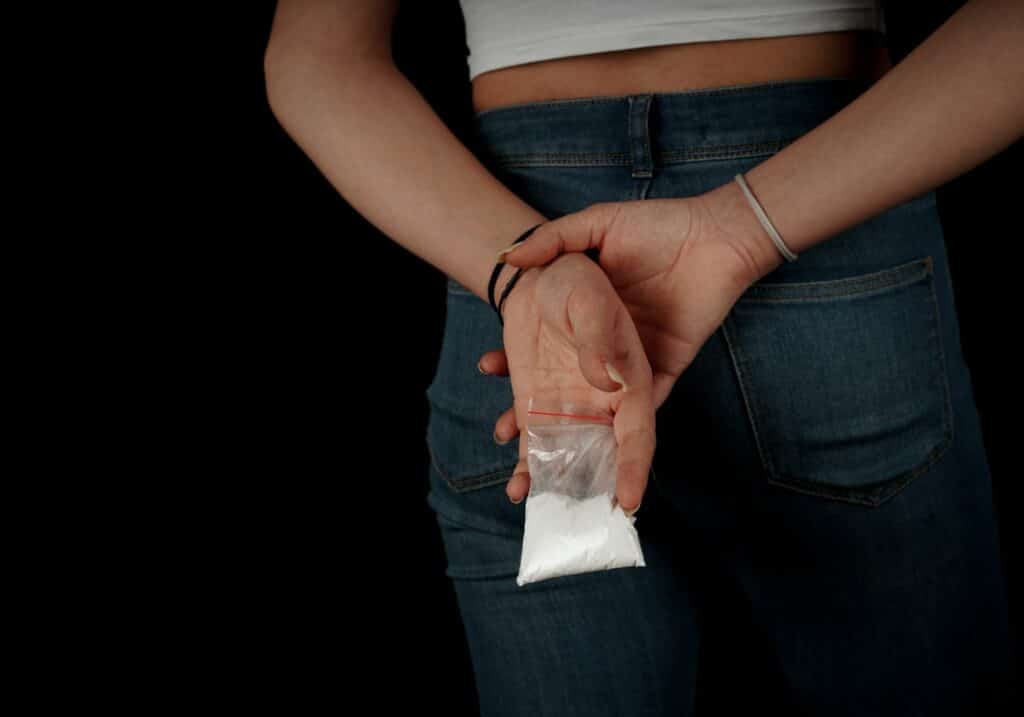
Cocaine remains one of the most widely used illicit stimulants in Metro Atlanta and across Georgia. Unlike opioids, cocaine use tends to be episodic rather than daily in its early stages — weekend use, party use, stress-related use — which delays recognition of dependency and delays help-seeking. By the time someone identifies their cocaine use as a problem, the binge-crash cycle and the compulsive craving that drives it are often well established.
Atlanta occupies a significant position in the southeastern cocaine distribution network. Federal law enforcement data consistently identifies Atlanta as a major regional hub for cocaine supply chain activity — a geographic reality that affects availability, price, and purity across Metro Atlanta and Northwest Georgia communities. The communities Hope Harbor Wellness serves see cocaine use across socioeconomic demographics, in professional environments as well as in communities with concentrated poverty and limited access to treatment.
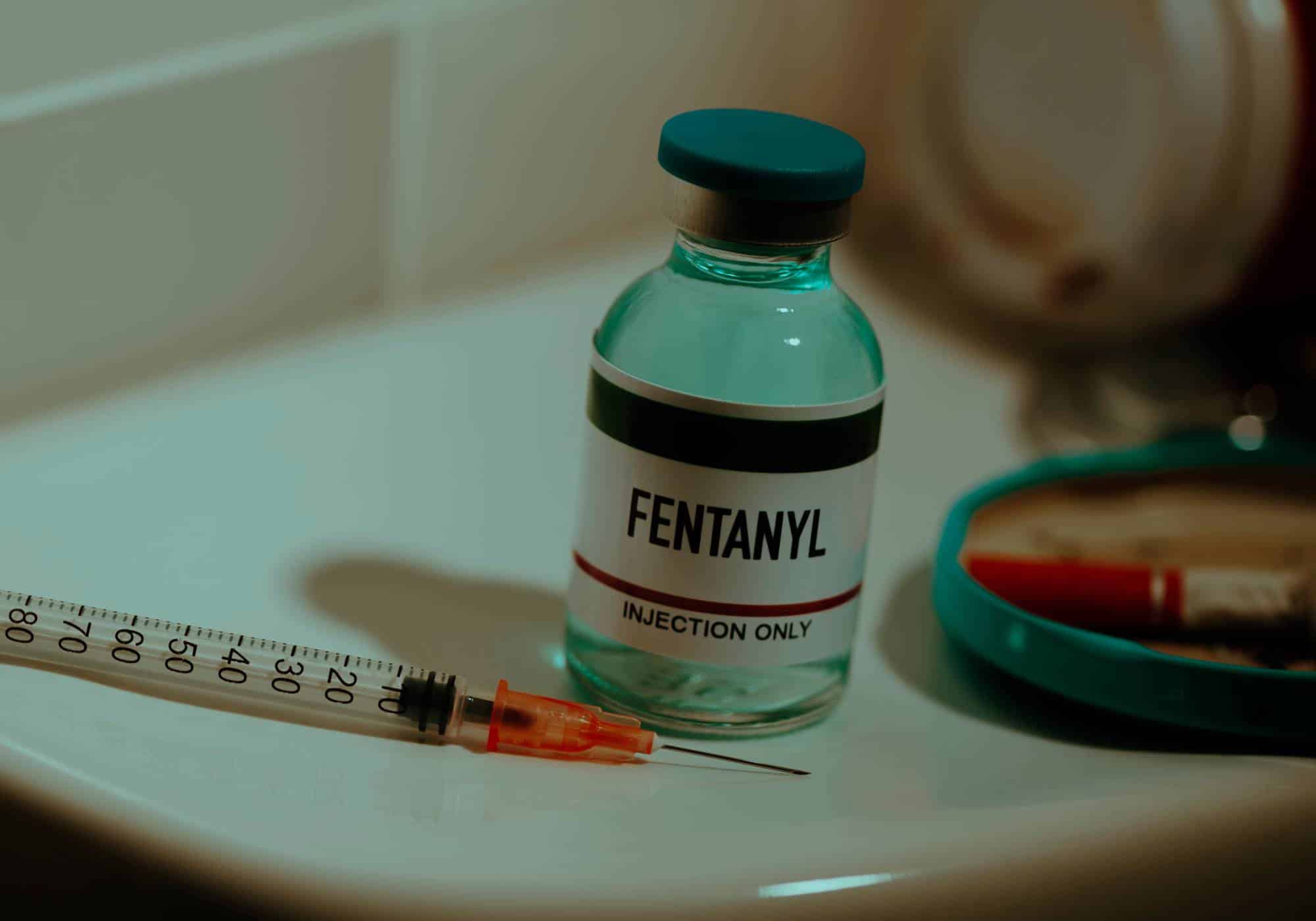
There is a critical and growing safety concern in Atlanta’s cocaine supply: fentanyl contamination. The DEA and Georgia Bureau of Investigation have documented fentanyl in cocaine samples across Metro Atlanta. People who use cocaine and have no opioid tolerance can die from a single fentanyl-contaminated line. Naloxone (Narcan) is now recommended for anyone who uses cocaine in Georgia — not because they are using opioids, but because the supply can no longer be assumed safe.
Speak With Our Admissions Team — Same-Day Assessments Available
Confidential. No obligation. We verify insurance for free.
What Is Cocaine Addiction?
Cocaine is a naturally occurring alkaloid extracted from the Erythroxylum coca plant that functions as a monoamine reuptake inhibitor — it blocks the transporters that remove dopamine, serotonin, and norepinephrine from the synapse. The resulting surge in synaptic dopamine, particularly in the nucleus accumbens (the brain’s reward center), produces the intense euphoria that characterizes cocaine intoxication. The high is brief — 15 to 30 minutes for snorted powder — and its intensity, combined with its brevity, drives the compulsive redosing pattern that defines cocaine binge behavior.
The neurological consequence of repeated cocaine use is the opposite of its acute effect: dopamine receptor sensitivity is reduced, serotonin availability is depleted, and the brain’s natural reward baseline shifts downward. Users find that normal pleasures — food, sex, social connection, achievement — become flat and unsatisfying. Only cocaine restores the sense of well-being, energy, and engagement that used to come from daily life. This is the core of cocaine dependency: not just craving the drug, but the inability to feel normal without it.
Cocaine Addiction in Georgia — What the Data Shows
Understanding the scope of cocaine addiction in Georgia and Metro Atlanta helps explain why accessible treatment in Northwest Georgia matters so much.
Georgia GDPH data shows stimulant-involved overdose deaths — a category dominated by cocaine and methamphetamine — increased significantly between 2019 and 2022, tracking national trends. Cocaine’s contribution to this increase is both direct (cocaine overdose, particularly cardiac events in younger users) and indirect (cocaine contaminated with fentanyl). The CDC estimates that in 2022, approximately 19,000 Americans died in cocaine-involved overdoses nationally — a substantial portion of those deaths involved fentanyl present in the cocaine supply.
In Cobb, Douglas, and Paulding counties, cocaine-related ED visits and law enforcement seizure data reflect significant availability. The socioeconomic diversity of cocaine use in Metro Atlanta is clinically relevant — both powder cocaine (historically more prevalent in higher-income demographics) and crack cocaine (more prevalent in lower-income communities) require the same clinical treatment approach, though the social context and barriers to treatment differ significantly.
Signs and Symptoms of Cocaine Addiction
These are the clinical indicators most commonly associated with cocaine use disorder. A formal diagnosis requires a clinical assessment — but these signs are worth taking seriously.
- Using cocaine in binges — redosing repeatedly until the supply is exhausted
- Spending large amounts of money on cocaine despite financial strain
- Severe mood crash following use — depression, fatigue, irritability lasting days
- Nasal damage — chronic congestion, nosebleeds, septum erosion
- Cardiovascular symptoms during use — racing heart, chest tightness, palpitations
- Paranoia or heightened anxiety during or after use
- Using other substances — alcohol, cannabis, benzodiazepines — to manage the crash
- Social withdrawal or concealment of cocaine use from family and friends
- Declining performance at work, declining engagement in relationships
- Multiple failed attempts to stop or cut down
- Continuing to use despite awareness of health, financial, or relationship consequences
- Reorganizing daily life around obtaining and using cocaine
Health Risks of Cocaine Use
Beyond the addiction itself, cocaine use carries significant health risks that make early treatment both medically and practically important.
Cocaine’s most serious acute risk is cardiovascular. Cocaine simultaneously increases heart rate, blood pressure, and causes coronary artery vasospasm — creating conditions for acute myocardial infarction and stroke even in young, healthy users with no prior cardiac history. Cocaine-related cardiac events are well-documented in the medical literature, including in athletes and people with no known cardiovascular risk factors. Cocaethylene — formed when cocaine and alcohol are metabolized together — is more cardiotoxic than either substance alone and has a longer half-life than cocaine itself. The combination of cocaine and alcohol is significantly more dangerous than cocaine alone.
Fentanyl contamination of Atlanta’s cocaine supply is the most urgent current public health concern related to cocaine use in Georgia. People who use cocaine and have no opioid tolerance can experience opioid overdose from a contaminated batch with no warning and with no opportunity to respond. The overdose is faster than a heroin overdose. If someone using cocaine around you becomes unresponsive, naloxone administration is the correct first response — it reverses fentanyl overdose and does no harm if fentanyl is not present.
Cocaine Questions? Talk to Our Clinical Team.
Confidential consultations. 24/7 admissions line. 770-573-9546.
Cocaine Withdrawal — What to Expect
Understanding the withdrawal process helps you prepare — and helps explain why clinical support during this window dramatically improves outcomes.
Cocaine withdrawal is not medically dangerous in the direct sense — no seizures, no life-threatening autonomic instability. But psychological withdrawal from cocaine is one of the most powerful and clinically significant in addiction medicine. The acute crash following a cocaine binge involves severe depression, fatigue, hypersomnia, increased appetite, and anhedonia — the complete absence of pleasure or motivation — that reflects the depleted dopamine and serotonin state the cocaine binge produced.
Post-acute withdrawal syndrome from cocaine extends for weeks to months, with fluctuating cravings that are strongly triggered by environmental cues: the smell of a location associated with use, hearing a particular song, being around people from the using environment, or experiencing a familiar emotional state that previously preceded use. Cue-induced craving is a specific clinical target that Cognitive Behavioral Therapy addresses directly — and it is the reason that behavioral therapy in structured outpatient programming is so critical during the post-acute period.
How Hope Harbor Wellness Treats Cocaine Addiction
Our clinical approach is individualized, evidence-based, and built on the understanding that addiction is a medical condition — not a moral failure.
Hope Harbor Wellness treats cocaine addiction with an approach that takes the neurobiological reality of cue-induced craving seriously. This means we do not just build knowledge and motivation — we build behavioral responses to craving that work in the moment, in the real environments where craving happens. Our CBT groups specifically address cocaine’s triggering patterns, which are often more tightly bound to social environments and emotional states than other substance dependencies.
Contingency management — providing positive incentives for drug-free urine tests — is incorporated into our programming because it has the strongest evidence base of any behavioral intervention for stimulant use disorder. The mechanism is straightforward: it rebuilds the brain’s dopamine response to non-drug rewards during the period when cocaine has depleted natural reward sensitivity. We combine this with motivational enhancement therapy that addresses the ambivalence almost every cocaine user carries — genuine desire to stop alongside genuine loss about what cocaine provided.
For clients with co-occurring depression — which is nearly universal in cocaine use disorder — our dual diagnosis track addresses the depression directly. Antidepressant treatment during cocaine recovery is evaluated individually; some clients have depression that predated cocaine use and requires independent treatment, while others have cocaine-induced depressive disorder that resolves with sustained abstinence and behavioral treatment.
Your First 30 Days of Cocaine Treatment at Hope Harbor Wellness
Here is what the first month of treatment looks like — in concrete terms — for most clients with cocaine addiction.
Days 1–7 — Post-binge stabilization: If the client is presenting following a binge, the first week involves medical evaluation, depression and craving assessment, and safety planning. Sleep and appetite normalization strategies are established. Psychiatric evaluation for cocaine-induced depression and co-occurring anxiety. Urine drug screen baseline. Individual intake assessment.
Days 8–14 — Psychoeducation and trigger mapping: Group therapy introduces the neuroscience of cocaine dependency — why the crash happens, why cravings are triggered by cues, and why motivation to stop fluctuates. Individual therapy begins exploring personal trigger patterns, use history, and the functions cocaine has served. Motivational Enhancement Therapy addresses ambivalence about stopping.
Days 15–21 — CBT skill-building: Core CBT skills for cocaine craving management — thought challenging, behavioral chain analysis, urge surfing, and stimulus control (avoiding high-risk environments during early recovery). Contingency management protocol active. If depression is present, medication evaluation and initiation. Social support assessment and family therapy if applicable.
Days 22–30 — Relapse prevention and environmental planning: High-risk situations are specifically mapped and response plans built — what happens when you run into someone from your using network, when you have money and impulse, when a strong craving hits. Step-down planning. Alumni and aftercare programming introduced.
Evidence-Based Therapies Used in Cocaine Treatment
Our clinical team selects therapies based on what the evidence shows works — not on habit or convenience.
- Cognitive Behavioral Therapy (CBT) — cue-based craving management
- Contingency Management
- Motivational Enhancement Therapy
- Depression treatment (dual diagnosis)
- CBT for co-occurring anxiety
- Biosound Therapy
- Art and Music Therapy
- EMDR if trauma is present
Treatment Programs for Cocaine Addiction at Hope Harbor Wellness
Every client starts with a comprehensive clinical assessment that determines the appropriate level of care. Here is the full continuum available.
Outpatient Drug Detox
Who it’s for: Medically monitored withdrawal management in an outpatient setting — appropriate when clinical assessment indicates medical supervision is needed for safe withdrawal without inpatient hospitalization.
→ Learn More About Outpatient Drug Detox
Partial Hospitalization Program (PHP)
Who it’s for: Five days per week of structured programming — the most intensive outpatient level, comparable to residential care without overnight stay. Appropriate for early recovery, high relapse risk, and post-detox transition.
→ Learn More About Partial Hospitalization Program
Intensive Outpatient Program (IOP)
Who it’s for: Three days per week. Structured clinical treatment that accommodates work and family responsibilities. Often used as a step-down from PHP or as an initial level for appropriate candidates.
→ Learn More About Intensive Outpatient Program
Virtual IOP
Who it’s for: Clients who prefer telehealth due to transportation, schedule, or other barriers. Available to all Georgia residents.
→ Learn More About Virtual IOP
Medication-Assisted Treatment (MAT)
Who it’s for: Evaluated individually. FDA-approved medications for opioid and alcohol use disorder, integrated with behavioral programming.
→ Learn More About Medication-Assisted Treatment
Dual Diagnosis Treatment
Who it’s for: Clients with co-occurring mental health conditions alongside addiction — treated simultaneously.
→ Learn More About Dual Diagnosis Treatment
Why Choose Hope Harbor Wellness for Cocaine Addiction Treatment?
Hope Harbor Wellness is a Joint Commission Accredited outpatient addiction and mental health treatment center in Hiram, GA — built by people in recovery, for people in recovery.
- Joint Commission Accredited — the gold standard of behavioral health quality certification
- Run by people in recovery — lived experience shapes every aspect of our care
- Full continuum — Detox, PHP, IOP, Virtual IOP, MAT, Dual Diagnosis, Aftercare
- Evidence-based programming — CBT, DBT, EMDR, MI, Contingency Management, MAT, Biosound Therapy, Art and Music Therapy
- Individualized treatment plans — built from your assessment, not a template
- Insurance-friendly — in-network with BCBS, Anthem, Cigna, Optum, Oscar, TriCare, Humana Military, and VACCN
- Metro Atlanta accessible — 126 Enterprise Path, Suite 208, Hiram, GA 30141 — serving 15+ communities across 6 counties
Insurance Coverage for Cocaine Addiction Treatment
The Mental Health Parity and Addiction Equity Act requires most commercial insurers to cover cocaine addiction treatment at parity with other medical conditions.
We are in-network with BCBS/Anthem, Cigna, Optum/UnitedHealthcare, Oscar, TriCare, Humana Military, and VACCN. We also accept out-of-network benefits from many other plans and offer CareCredit financing for out-of-pocket costs.
→ Verify your coverage: hopeharborwellness.com/insurance/
→ Call: 770-573-9546
Verify Insurance in Under 5 Minutes
hopeharborwellness.com/insurance/ or call 770-573-9546. No pressure. Just answers.
Related Programs and Pages at Hope Harbor Wellness
- Crack cocaine addiction treatment
- Meth addiction treatment
- Dual Diagnosis Treatment
- Depression treatment
- Drug rehab near Marietta
- Drug rehab near Mableton
- Atlanta drug rehab hub page
- PHP vs IOP — which program is right for you?
- How much does rehab cost in Georgia?
- Areas we serve
Frequently Asked Questions — Cocaine Addiction Treatment
Why is cocaine so hard to stop despite serious consequences?
The binge-crash cycle creates a powerful neurobiological compulsion that willpower alone cannot reliably overcome. During the crash, dopamine falls far below natural baseline — the brain is in a depleted state where using again to escape the depression and anhedonia feels genuinely urgent, not just tempting. This is not a character issue. It is the predictable consequence of how cocaine rewires reward circuitry. Behavioral treatment directly addresses this mechanism.
Is fentanyl really in cocaine in Atlanta?
Yes — it has been documented in drug seizures across Metro Atlanta and by the Georgia Bureau of Investigation. Fentanyl is present in cocaine samples at rates that make contamination a genuine risk rather than a rare exception. Naloxone (Narcan) is now recommended as a harm reduction tool for anyone using cocaine in Georgia — it reverses fentanyl overdose and does no harm if fentanyl is absent.
Can I do outpatient treatment for cocaine addiction?
Yes. For most people with cocaine use disorder, outpatient treatment — PHP or IOP — provides sufficient clinical structure for successful recovery. The assessment determines the appropriate level of care based on your use history, home stability, and support system. Call 770-573-9546 to begin.
Does cocaine cause permanent brain damage?
Long-term heavy cocaine use produces measurable changes in dopamine receptor density and prefrontal cortex function. Many of these changes improve significantly with sustained abstinence, though full recovery may take months to years depending on severity and duration of use. The earlier treatment begins, the better the neurological prognosis.
What is cocaethylene and why is it dangerous?
Cocaethylene is a metabolite formed in the liver when cocaine and alcohol are processed simultaneously. It is more cardiotoxic than cocaine alone and has a longer half-life — meaning its dangerous effects persist longer than the cocaine itself. Combining cocaine and alcohol significantly increases the risk of cardiac events compared to using cocaine alone.
Does insurance cover cocaine addiction treatment?
Yes. Stimulant use disorder is covered under behavioral health benefits by most commercial plans. Hope Harbor Wellness is in-network with BCBS/Anthem, Cigna, Optum, Oscar, TriCare, Humana Military, and VACCN. Verify your plan at hopeharborwellness.com/insurance/ or call 770-573-9546.
Begin Cocaine Addiction Treatment Today
Hope Harbor Wellness | 126 Enterprise Path, Suite 208, Hiram, GA 30141 | 770-573-9546