
Medically Reviewed By: Dr. Bryon Mcquirt, MD
Dr. Byron McQuirt leads works closely with our addictionologist, offering holistic, evidence-based mental health and addiction care while educating future professionals.
If you or someone you love is struggling with methamphetamine addiction or dependency, evidence-based treatment is available at Hope Harbor Wellness. You do not have to figure this out alone.
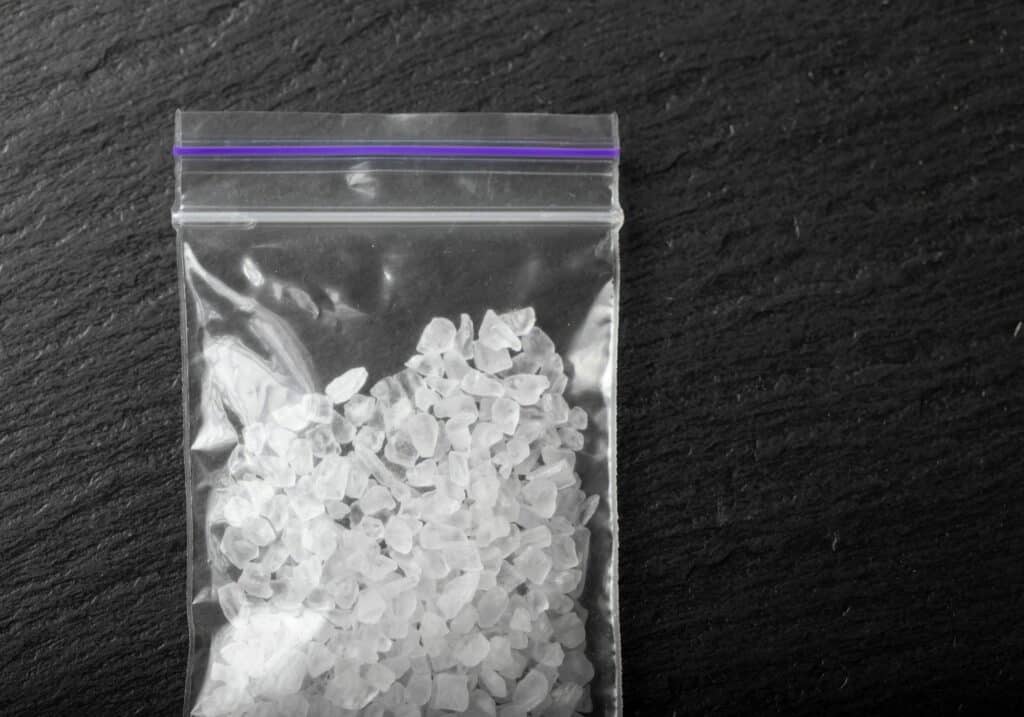
Methamphetamine is one of the most destructive substances in the Georgia drug landscape. Unlike the opioid epidemic — which has a highly effective medication treatment in buprenorphine — meth addiction currently has no FDA-approved medication, making behavioral treatment the primary clinical intervention and raising the stakes for high-quality, evidence-based programming. The meth available in Georgia today is primarily crystal methamphetamine produced by transnational criminal organizations, displacing the domestically produced product of earlier decades. It is highly pure, inexpensive, and widely available across Metro Atlanta and Northwest Georgia.
The GDPH drug overdose data shows psychostimulant-involved deaths — a category where methamphetamine is the primary contributor — increasing dramatically from 2019 to 2022. Meth’s contribution to overdose mortality is direct (cardiac events, hyperthermia, stroke) and indirect (fentanyl contamination of the meth supply, documented in DEA seizures across Georgia). The meth-fentanyl combination creates opioid overdose risk in people with zero opioid tolerance — a pattern increasingly seen in Georgia emergency departments.
Hope Harbor Wellness provides outpatient methamphetamine addiction treatment in Hiram, GA, serving the Northwest Metro Atlanta corridor. Meth recovery is possible — but it requires sustained clinical support through the prolonged post-acute withdrawal period, when the brain’s dopamine system is recovering and the temptation to return to meth to feel functional is at its highest.
Speak With Our Admissions Team — Same-Day Assessments Available
Confidential. No obligation. We verify insurance for free.
What Is Methamphetamine Addiction?
Methamphetamine is a synthetic phenethylamine stimulant that produces massive release of dopamine from nerve terminals while simultaneously blocking reuptake — a dual mechanism that produces dopamine synaptic levels three times higher than cocaine and effects lasting 8 to 12 hours, far longer than cocaine’s 15 to 30 minutes. Crystal methamphetamine smoked through a pipe produces near-immediate effect because pulmonary delivery sends the drug directly to the arterial circulation.
The neurological consequence of repeated meth use is severe and prolonged: dopamine transporter density is reduced by 20 to 30 percent in heavy users, dopaminergic terminal damage occurs in striatal regions, and serotonin nerve terminals show similar damage. These changes — measurable on PET neuroimaging — underlie the profound anhedonia, cognitive impairment, and motivational deficit that characterize meth post-acute withdrawal syndrome. Recovery of dopamine function occurs with sustained abstinence, typically over 12 to 24 months, but the recovery window is the period of highest relapse risk.
Methamphetamine Addiction in Georgia — What the Data Shows
Understanding the scope of methamphetamine addiction in Georgia and Metro Atlanta helps explain why accessible treatment in Northwest Georgia matters so much.
Georgia GDPH data shows psychostimulant-involved (primarily meth) overdose deaths increasing from approximately 150 in 2017 to over 600 in 2022 — a four-fold increase. This trend tracks national patterns driven by increased supply, decreased price, and increased purity of the methamphetamine available in the southeastern United States. Cobb, Douglas, Paulding, and Carroll counties — all within Hope Harbor Wellness’s primary service area — all show meth presence in law enforcement seizure data and emergency department records.
The demographic profile of meth use in Northwest Georgia includes both younger users entering the drug through party contexts and older users with long-term meth involvement — many of whom have limited treatment access due to geography, transportation barriers, and past treatment experiences that did not include evidence-based approaches like contingency management. Our location in Hiram is specifically positioned to be accessible to this population.
Meth Addiction Treatment in Georgia
Hope Harbor Wellness provides meth addiction treatment in Georgia through in-person outpatient care in Hiram and Virtual IOP when clinically appropriate. Clients come from Metro Atlanta, Northwest Georgia, and surrounding communities because meth recovery often requires more than a weekly appointment. It requires structured therapy, relapse prevention, psychiatric support, accountability, and help rebuilding daily routines.
Methamphetamine Rehab in Georgia, What to Expect
Unlike opioid addiction, there is currently no FDA-approved medication specifically for methamphetamine use disorder. That means meth rehab relies heavily on behavioral intervention, psychiatric support, relapse prevention, and consistent recovery structure. Hope Harbor Wellness uses evidence-based therapies such as Cognitive Behavioral Therapy, Contingency Management, motivational enhancement, trauma-informed care, and dual diagnosis treatment to address the behavioral and psychological patterns connected to stimulant use.
Our Georgia meth rehab programming also addresses the cognitive and emotional effects of prolonged meth use, including depression, anxiety, paranoia, sleep disruption, memory difficulties, low motivation, and intense cravings. These symptoms are treated alongside the addiction itself because long-term recovery depends on stabilizing the whole person.
Meth Addiction Treatment Near You in Georgia
Hope Harbor Wellness provides meth addiction treatment for residents across northwest Georgia and Metro Atlanta, including Hiram, Dallas, Cartersville, Douglasville, Lithia Springs, Villa Rica, Kennesaw, Acworth, Marietta, Canton, Atlanta, and surrounding areas.
Our outpatient PHP, IOP, Virtual IOP, and dual diagnosis programs make professional meth treatment accessible without requiring every client to leave home or relocate for care.
Meth Rehab Options at Hope Harbor Wellness
Our meth rehab options include PHP, IOP, Virtual IOP, and dual diagnosis treatment for adults dealing with stimulant cravings, depression, anxiety, trauma symptoms, sleep disruption, or psychosis related to meth use. Treatment focuses on evidence-based behavioral care, practical relapse prevention, accountability, psychiatric support when needed, and long-term recovery planning.
Signs You May Need Meth Rehab
Methamphetamine addiction is progressive, and professional meth rehab may be needed when a person cannot stop using despite wanting to, uses more than intended, experiences relationship, work, school, legal, or financial consequences, or develops significant physical or psychiatric symptoms from use. Warning signs may include severe weight loss, extended wakefulness, skin picking, dental damage, paranoia, hallucinations, mood swings, depression, fatigue, and intense cravings when not using.
If these signs apply to you or someone you love in Georgia, a clinical assessment can help determine whether PHP, IOP, Virtual IOP, dual diagnosis treatment, or another level of care is the safest place to begin.
Signs and Symptoms of Methamphetamine Addiction
These are the clinical indicators most commonly associated with methamphetamine use disorder. A formal diagnosis requires a clinical assessment — but these signs are worth taking seriously.
- Extended wakefulness during binges — staying awake 24 to 72 hours or more
- Severe crash following binges — sleeping 12 to 16+ hours, profound depression
- Skin picking — open sores from picking at perceived crawling sensations under the skin
- Dental destruction — cracked, decayed, or missing teeth from dry mouth and clenching
- Dramatic weight loss and muscle loss from appetite suppression and neglect
- Paranoia, hypervigilance, or frank psychosis — seeing or hearing things that are not there
- Elevated heart rate, elevated blood pressure, elevated body temperature during use
- Violent or aggressive behavior during intoxication or withdrawal
- Profound social withdrawal and increasing isolation
- Neglect of personal hygiene, nutrition, and medical needs
- Financial collapse driven by meth purchase
- Continued use despite severe physical deterioration and psychiatric symptoms
Health Risks of Methamphetamine Use
Beyond the addiction itself, methamphetamine use carries significant health risks that make early treatment both medically and practically important.
Meth-associated cardiomyopathy — a form of heart failure caused by chronic methamphetamine’s toxic effects on cardiac muscle — is an increasingly recognized cause of heart failure in adults under 50 in the United States and is documented in Georgia hospital data. Cardiovascular events during acute meth intoxication (heart attack, stroke, arrhythmia) occur even in young users with no prior cardiac history, driven by the intense sympathomimetic effects on heart rate, blood pressure, and vascular tone.
Meth psychosis is one of the most clinically significant psychiatric consequences of heavy meth use. At doses achievable through smoking high-purity crystal meth, psychotic symptoms — paranoid delusions, auditory and visual hallucinations, disorganized thinking, and agitation — are clinically indistinguishable from acute schizophrenia. These symptoms typically resolve with abstinence over weeks to months, but a subset of heavy long-term users develop persistent psychotic disorder that requires ongoing psychiatric management. Early treatment — before psychosis has been prolonged and repeated — gives the best prognosis for full psychiatric recovery.
Methamphetamine Questions? Talk to Our Clinical Team.
Confidential consultations. 24/7 admissions line. 770-573-9546.
Methamphetamine Withdrawal — What to Expect
Understanding the withdrawal process helps you prepare — and helps explain why clinical support during this window dramatically improves outcomes.
Meth withdrawal is not medically dangerous in the way alcohol or benzo withdrawal can be, but the psychological syndrome is clinically severe and the primary driver of high relapse rates. The acute crash following a meth binge involves extreme fatigue, hypersomnia (sleeping 12 to 16+ hours), severe depression, increased appetite, and profound anhedonia — the inability to feel any pleasure from activities or relationships.
Post-acute withdrawal syndrome (PAWS) from methamphetamine can persist for 12 to 18 months, with persistent low mood, reduced motivation, cognitive fog, and episodic intense craving. The duration reflects the time required for dopamine transporter density to recover from meth-induced damage. This prolonged recovery period — when the world consistently feels flat and unrewarding and meth feels like the only solution — is the key clinical challenge in meth treatment. Structured programming, contingency management, and appropriate treatment of co-occurring depression provide the support structure for navigating this window.
How Hope Harbor Wellness Treats Methamphetamine Addiction
Our clinical approach is individualized, evidence-based, and built on the understanding that addiction is a medical condition — not a moral failure.
Our treatment approach for methamphetamine addiction centers on two evidence-based interventions that produce the strongest outcomes in clinical research: Contingency Management (CM) and Cognitive Behavioral Therapy (CBT), delivered within the structure of PHP or IOP.
Contingency Management provides tangible positive incentives — prize draws or vouchers — for drug-free urine tests. The mechanism is specifically relevant to meth: during the post-acute withdrawal period, when the brain’s dopamine system is recovering and natural rewards feel blunted, CM provides a dopamine-activating reward experience tied to abstinence. It is not bribery — it is a neurologically informed behavioral intervention that has the strongest evidence base of any behavioral treatment for stimulant use disorder. Research shows CM can double or triple retention in meth treatment compared to standard care alone.
CBT for meth addiction focuses specifically on the thought patterns and behavioral sequences that precede use — identifying the high-risk situations, managing cravings in the moment, and building behavioral alternatives to meth use that activate reward in the depleted dopamine system. For meth users, common high-risk patterns include boredom and understimulation, high-stress situations that previously prompted stimulant use, and social environments associated with past use.
For clients with meth-induced psychosis or co-occurring psychiatric disorders, our psychiatric team provides evaluation and medication management — typically antipsychotic medications for persistent psychotic symptoms, and antidepressants or mood stabilizers for co-occurring depression and mood instability. We do not wait for psychiatric symptoms to resolve spontaneously before beginning behavioral treatment.
Your First 30 Days of Methamphetamine Treatment at Hope Harbor Wellness
Here is what the first month of treatment looks like — in concrete terms — for most clients with methamphetamine addiction.
Days 1–7 — Crash management and medical assessment: The first week involves significant fatigue, depression, and cognitive fog. Medical evaluation establishes cardiovascular and psychiatric baseline. Psychiatric assessment for meth-induced psychosis and co-occurring mood disorders. Sleep management and nutrition support. Safety assessment given potential for depressive ideation during the crash.
Days 8–14 — Contingency Management activation and psychoeducation: CM protocol initiated with the first clean urine screen. Psychoeducation about meth’s effects on dopamine and why the world feels flat in early recovery — normalizing the experience and providing a neurological framework that supports patience with the recovery process. Group therapy begins covering meth-specific relapse patterns and skill development.
Days 15–21 — CBT skill building and dual diagnosis treatment: CBT groups addressing high-risk situations, boredom management, and behavioral activation — building activities and relationships that activate reward without meth. If psychiatric medication is indicated for depression or psychosis, it is initiated and monitored. Individual therapy deepening the personal trigger and history work.
Days 22–30 — Relapse prevention and life structure rebuilding: Daily structure planning — a critical element of meth relapse prevention, because understimulation and unstructured time are among the highest-risk states for meth craving. Employment, social activity, and community engagement planning. Step-down and aftercare planning.
Evidence-Based Therapies Used in Methamphetamine Treatment
Our clinical team selects therapies based on what the evidence shows works — not on habit or convenience.
- Contingency Management (CM)
- Cognitive Behavioral Therapy (CBT)
- Motivational Enhancement Therapy
- Psychiatric medication management (psychosis, depression)
- Behavioral Activation for anhedonia
- Biosound Therapy
- Art and Music Therapy
- Family therapy
Treatment Programs for Methamphetamine Addiction at Hope Harbor Wellness
Every client starts with a comprehensive clinical assessment that determines the appropriate level of care. Here is the full continuum available.
Outpatient Drug Detox
Who it’s for: Medically monitored withdrawal management in an outpatient setting — appropriate when clinical assessment indicates medical supervision is needed for safe withdrawal without inpatient hospitalization.
→ Learn More About Outpatient Drug Detox
Partial Hospitalization Program (PHP)
Who it’s for: Five days per week of structured programming — the most intensive outpatient level, comparable to residential care without overnight stay. Appropriate for early recovery, high relapse risk, and post-detox transition.
→ Learn More About Partial Hospitalization Program
Intensive Outpatient Program (IOP)
Who it’s for: Three days per week. Structured clinical treatment that accommodates work and family responsibilities. Often used as a step-down from PHP or as an initial level for appropriate candidates.
→ Learn More About Intensive Outpatient Program
Virtual IOP
Who it’s for: Clients who prefer telehealth due to transportation, schedule, or other barriers. Available to all Georgia residents.
→ Learn More About Virtual IOP
Medication-Assisted Treatment (MAT)
Who it’s for: Evaluated individually. FDA-approved medications for opioid and alcohol use disorder, integrated with behavioral programming.
→ Learn More About Medication-Assisted Treatment
Dual Diagnosis Treatment
Who it’s for: Clients with co-occurring mental health conditions alongside addiction — treated simultaneously.
→ Learn More About Dual Diagnosis Treatment
Why Choose Hope Harbor Wellness for Methamphetamine Addiction Treatment?
Hope Harbor Wellness is a Joint Commission Accredited outpatient addiction and mental health treatment center in Hiram, GA — built by people in recovery, for people in recovery.
- Joint Commission Accredited — the gold standard of behavioral health quality certification
- Run by people in recovery — lived experience shapes every aspect of our care
- Full continuum — Detox, PHP, IOP, Virtual IOP, MAT, Dual Diagnosis, Aftercare
- Evidence-based programming — CBT, DBT, EMDR, MI, Contingency Management, MAT, Biosound Therapy, Art and Music Therapy
- Individualized treatment plans — built from your assessment, not a template
- Insurance-friendly — in-network with BCBS, Anthem, Cigna, Optum, Oscar, TriCare, Humana Military, and VACCN
- Metro Atlanta accessible — 126 Enterprise Path, Suite 208, Hiram, GA 30141 — serving 15+ communities across 6 counties
Insurance Coverage for Meth Addiction Treatment in Georgia
Hope Harbor Wellness accepts many major commercial insurance plans for meth addiction treatment in Georgia, including BCBS/Anthem, Cigna, Optum/UnitedHealthcare, Oscar, TriCare, Humana Military, VACCN, and select out-of-network benefits. Our admissions team can verify your benefits, explain your estimated cost, and help you understand what your plan may cover before treatment begins.
The Mental Health Parity and Addiction Equity Act requires most commercial insurers to cover methamphetamine addiction treatment at parity with other medical conditions.
We are in-network with BCBS/Anthem, Cigna, Optum/UnitedHealthcare, Oscar, TriCare, Humana Military, and VACCN. We also accept out-of-network benefits from many other plans and offer CareCredit financing for out-of-pocket costs.
Verify Insurance in Under 5 Minutes
hopeharborwellness.com/insurance/ or call 770-573-9546. No pressure. Just answers.
Related Programs and Pages at Hope Harbor Wellness
- Cocaine addiction treatment
- Adderall addiction treatment
- Dual Diagnosis Treatment
- Depression treatment
- Drug rehab near Hiram GA
- Drug rehab near Dallas GA
- Atlanta drug rehab hub page
- PHP vs IOP — which program is right for you?
- How much does rehab cost in Georgia?
- Areas we serve
Frequently Asked Questions — Methamphetamine Addiction Treatment
Is meth addiction treatment available in Georgia?
Yes. Hope Harbor Wellness provides meth addiction treatment in Georgia through outpatient PHP, IOP, Virtual IOP, dual diagnosis treatment, and continuing care support. Our Hiram location serves adults from northwest Georgia, Metro Atlanta, and surrounding communities.
What therapies are used for meth rehab?
Meth rehab relies heavily on behavioral treatment because there is currently no FDA-approved medication specifically for methamphetamine use disorder. Hope Harbor Wellness uses evidence-based approaches such as Cognitive Behavioral Therapy, Contingency Management, motivational enhancement, trauma-informed care, psychiatric support, and dual diagnosis treatment when mental health symptoms are also present.
How long does meth addiction treatment take in Georgia?
Treatment length depends on the person, symptom severity, relapse risk, mental health needs, and level of care. Many clients begin with PHP or IOP, then step down into outpatient therapy, aftercare, or alumni support as stability improves. Meth recovery often requires ongoing support because post-acute withdrawal symptoms and cravings can last for months.
Is meth psychosis permanent?
In most cases, no. Meth-induced psychosis typically resolves over weeks to months of sustained abstinence. A minority of heavy long-term users develop persistent psychotic symptoms that require ongoing psychiatric management. Early treatment — before psychosis has been prolonged — gives the best prognosis for full recovery. Our psychiatric team evaluates and manages psychotic symptoms as part of our dual diagnosis programming.
What is contingency management and does it really work for meth?
Contingency management (CM) is a behavioral treatment that provides positive incentives — prize draws or vouchers — for drug-free urine tests. It has the strongest evidence base of any behavioral treatment for stimulant use disorder, with research showing it can double retention in meth treatment compared to standard care. The mechanism is neurologically relevant to meth recovery: it activates the dopamine reward system tied to abstinence during the period when natural rewards feel blunted.
How long does it take to feel normal after stopping meth?
The acute crash resolves within 1 to 2 weeks. Post-acute withdrawal — persistent low mood, cognitive fog, reduced motivation — can last 12 to 18 months as dopamine transporter density recovers. This is the most challenging window in meth recovery. Structured programming, contingency management, and treatment of co-occurring depression provide the support needed to get through it.
Does meth cause permanent dental damage?
‘Meth mouth’ — severe dental decay, cracking, and tooth loss — results from dry mouth, acidic environment from meth metabolites, prolonged teeth clenching during use, and dental hygiene neglect during active addiction. Early damage is treatable. More extensive damage may require significant dental work. Getting into treatment is the first step — addressing the meth use stops the damage from progressing.
Can I recover from long-term meth addiction?
Yes. Recovery from long-term meth use is possible, though the neurological recovery timeline is longer than with many substances. Sustained abstinence, structured programming, and treatment of co-occurring conditions give the dopamine system the conditions it needs to recover. Many people achieve full functional recovery. The time to start is now — call 770-573-9546.
Does insurance cover meth addiction treatment?
Yes. Stimulant use disorder is covered under behavioral health benefits by most commercial plans. Hope Harbor Wellness is in-network with BCBS/Anthem, Cigna, Optum, Oscar, TriCare, Humana Military, and VACCN. Verify your plan at hopeharborwellness.com/insurance/ or call 770-573-9546.
Begin Methamphetamine Addiction Treatment Today
Hope Harbor Wellness | 126 Enterprise Path, Suite 208, Hiram, GA 30141 | 770-573-9546