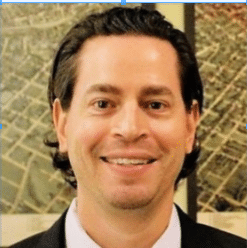
Medically Reviewed By: Dr. Bryon Mcquirt, MD
Dr. Byron McQuirt leads works closely with our addictionologist, offering holistic, evidence-based mental health and addiction care while educating future professionals.
If you or someone you love is struggling with heroin addiction or dependency, evidence-based treatment is available at Hope Harbor Wellness. You do not have to figure this out alone.
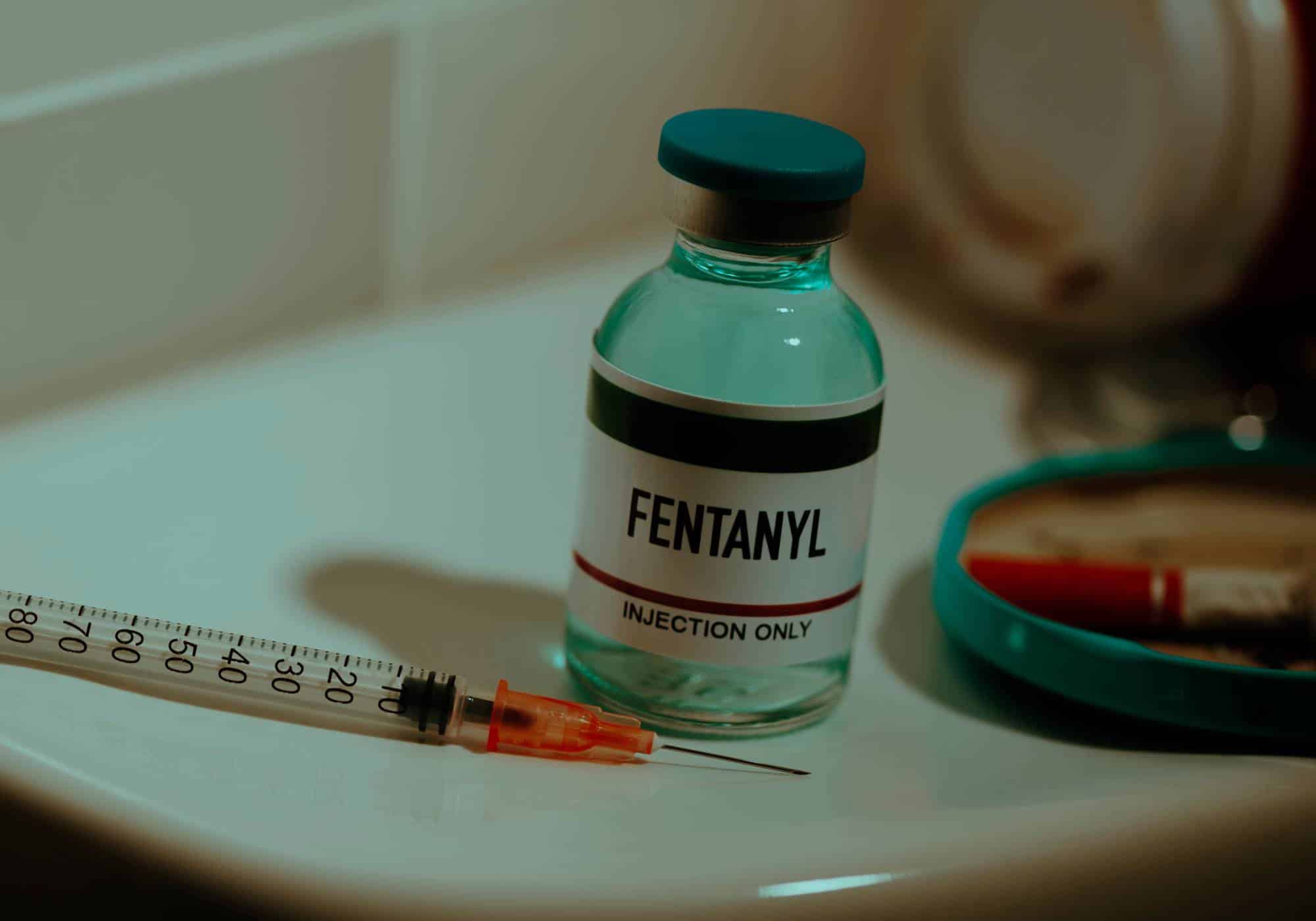
Heroin addiction in Georgia has been profoundly reshaped by illicitly manufactured fentanyl. The Georgia Bureau of Investigation and DEA Atlanta Field Division consistently document that much of what is sold as heroin in Metro Atlanta is now entirely fentanyl or fentanyl mixed into a small amount of heroin. This displacement has changed the risk calculus fundamentally: fentanyl’s potency means that users who believe they are tolerant to heroin’s effects can be overwhelmed by a fentanyl-dominant supply. The overdose mortality associated with the current heroin/fentanyl supply is historically unprecedented.
Northwest Georgia — the corridor including Paulding, Douglas, Carroll, and western Cobb counties that Hope Harbor Wellness primarily serves — has experienced significant heroin and opioid overdose mortality. The semi-rural to suburban character of this area means treatment access is geographically difficult for many people who need it, and the social stigma of opioid use disorder remains a significant barrier to help-seeking. Hope Harbor Wellness at 126 Enterprise Path, Hiram, GA is positioned specifically to serve this population with accessible, non-stigmatizing, evidence-based care.
Heroin use disorder is treatable. Medication-Assisted Treatment with buprenorphine produces outcomes that behavioral treatment alone cannot match — including a greater than 50 percent reduction in overdose mortality. If you or someone you love is using heroin, the most important thing you can do is call 770-573-9546 today.
Speak With Our Admissions Team — Same-Day Assessments Available
Confidential. No obligation. We verify insurance for free.
What Is Heroin Addiction?
Heroin is diacetylmorphine — a semi-synthetic opioid created by acetylating morphine. The acetyl groups make it significantly more lipid-soluble than morphine, allowing faster blood-brain barrier penetration and producing a more intense and rapid euphoria. IV heroin produces a rush within seconds; snorted heroin produces onset within minutes. The euphoria is followed by a prolonged sedated state as the drug is metabolized.
Physical dependency develops within days to weeks of regular use. The mechanism is identical to other opioids: opioid receptors are downregulated in response to constant pharmacological stimulation, and the brain’s natural endorphin system becomes suppressed. Stopping produces withdrawal as the suppressed endorphin system cannot sustain normal receptor tone. The withdrawal drives return to use — not primarily for euphoria, but for relief from withdrawal. This is the neurobiological core of opioid use disorder: the transition from using to get high to using to feel normal.
Heroin Addiction in Georgia — What the Data Shows
Understanding the scope of heroin addiction in Georgia and Metro Atlanta helps explain why accessible treatment in Northwest Georgia matters so much.
Georgia GDPH overdose data shows heroin/opioid deaths concentrated in the 25 to 44 age range, with significant presence in suburban and rural counties of Northwest Georgia. Douglas County has recorded overdose death rates per 100,000 among the highest in the Metro Atlanta region. Carroll County — served by Hope Harbor Wellness — has shown elevated opioid mortality in state data. The introduction of fentanyl into the heroin supply accelerated death rates from 2017 forward, with 2022 representing the peak year in Georgia’s recorded overdose history.
Injection drug use also drives Georgia’s HIV transmission data — the CDC has documented HIV transmission clusters linked to IV opioid use in Georgia, including in communities outside of Atlanta proper. Hepatitis C prevalence among people who inject drugs in Georgia is estimated at 60 to 80 percent in surveillance data, reflecting the widespread sharing of injection equipment in communities without adequate access to harm reduction services.
Signs and Symptoms of Heroin Addiction
These are the clinical indicators most commonly associated with heroin use disorder. A formal diagnosis requires a clinical assessment — but these signs are worth taking seriously.
- Daily or near-daily use to prevent withdrawal symptoms
- Flu-like withdrawal beginning within 6 to 24 hours of the last dose
- Track marks, bruising, or abscesses at injection sites
- Constricted pupils and sedation during use
- Prior overdose or naloxone administration
- Spending the majority of daily activity obtaining, using, and recovering
- Social withdrawal — pulling away from family and non-using relationships
- Neglect of personal hygiene, nutrition, and health maintenance
- Legal problems related to obtaining heroin
- Using alone because of stigma — creating fatal overdose risk
- Financial deterioration — selling possessions, borrowing money, inability to maintain work
- Continued use despite overdose death of a using partner or friend
Health Risks of Heroin Use
Beyond the addiction itself, heroin use carries significant health risks that make early treatment both medically and practically important.
Injection drug use carries bloodborne disease risks that accumulate with every shared or reused needle. HIV and hepatitis C are both preventable with sterile injection equipment and harm reduction access. Georgia’s harm reduction infrastructure is improving but remains inadequate relative to need — particularly in Northwest Metro communities where Hope Harbor Wellness operates.
Bacterial infections from IV heroin use include skin abscesses, cellulitis, bacteremia, and infective endocarditis — bacterial infection of heart valves. Endocarditis associated with IV drug use requires weeks of IV antibiotic treatment and, in valve-destructive cases, open heart surgery. It is a life-threatening complication and one of the most expensive acute care episodes in hospital medicine. Preventing these outcomes through treatment that addresses the underlying heroin use is one of the most compelling medical arguments for early intervention.
Heroin Questions? Talk to Our Clinical Team.
Confidential consultations. 24/7 admissions line. 770-573-9546.
Heroin Withdrawal — What to Expect
Understanding the withdrawal process helps you prepare — and helps explain why clinical support during this window dramatically improves outcomes.
Heroin withdrawal begins 6 to 24 hours after the last dose and peaks at 36 to 72 hours. The full acute syndrome resolves within 7 to 10 days, though post-acute symptoms including insomnia, anxiety, and dysphoria can persist for weeks to months. The clinical description — severe muscle and bone pain, abdominal cramping, vomiting, diarrhea, profuse sweating, chills, insomnia, and overwhelming craving — understates how distressing the experience is. Most people who attempt to stop heroin without medication support relapse before the peak of withdrawal passes.
Buprenorphine induction eliminates or dramatically reduces withdrawal symptoms within 30 to 60 minutes of the first dose. The clinical criteria for buprenorphine induction require that the client be in early withdrawal (COWS score ≥ 8) to avoid precipitated withdrawal. Our clinical team manages this process — you do not need to understand the pharmacology. You need to call 770-573-9546 and let us handle it.
How Hope Harbor Wellness Treats Heroin Addiction
Our clinical approach is individualized, evidence-based, and built on the understanding that addiction is a medical condition — not a moral failure.
Our clinical approach to heroin use disorder is MAT-forward — meaning buprenorphine is initiated as the medically indicated first step, not reserved for clients who have failed abstinence-based treatment. This approach is consistent with SAMHSA, ASAM, and ACOG clinical guidelines, all of which recommend MAT as first-line treatment for opioid use disorder.
Beyond MAT, our treatment addresses the psychological and social dimensions of heroin use disorder with particular attention to two clinical patterns we see frequently in our Northwest Georgia population: trauma and grief. Trauma — childhood adversity, sexual and physical abuse, combat and first-responder trauma — is present in the majority of our opioid clients and is a primary driver of continued use. EMDR (Eye Movement Desensitization and Reprocessing) is one of the most evidence-based treatments for PTSD and is available in our PHP programming. Grief — for people, for health, for years of life lost — is also clinically significant and is addressed directly in individual therapy.
We also address the practical dimension of recovery that clinical programs sometimes overlook: how do you rebuild a life when your relationships, employment history, and daily structure have been significantly disrupted by heroin use? Our case management and aftercare support work on housing stability, employment navigation, and community reconnection alongside the clinical programming.
Your First 30 Days of Heroin Treatment at Hope Harbor Wellness
Here is what the first month of treatment looks like — in concrete terms — for most clients with heroin addiction.
Days 1–3 — MAT induction and stabilization: Buprenorphine induction when COWS criteria are met. Dose stabilization over 48 to 72 hours. Medical evaluation including HIV and hepatitis C screening for clients who have injected. Wound and infection assessment if applicable. Safety planning and crisis contacts established.
Days 4–14 — Entry into full programming: PHP or IOP begins. Psychoeducation about opioid use disorder and MAT. Individual therapy intake — full history including trauma assessment using validated screening tools. Group therapy covering relapse prevention, cue exposure, and the neuroscience of opioid dependency. Co-occurring depression, anxiety, and PTSD evaluation.
Days 15–21 — Trauma and grief work begins: If trauma is present, EMDR evaluation and initiation. Grief processing for losses associated with heroin use — relationships, health, years, people who have died. CBT for relapse prevention with specific focus on the high-risk situations and emotional states that drive opioid craving. Social support rebuilding — examining which relationships support recovery and which undermine it.
Days 22–30 — Re-entry planning: Post-discharge safety planning — naloxone access and training for client and family, high-risk period planning, MAT continuation. Warm handoff to continuing care. Step-down planning. Alumni programming introduction. Housing and employment resources if applicable.
Evidence-Based Therapies Used in Heroin Treatment
Our clinical team selects therapies based on what the evidence shows works — not on habit or convenience.
- MAT: Suboxone (buprenorphine/naloxone), Vivitrol (naltrexone)
- EMDR for trauma and PTSD
- CBT for relapse prevention
- Motivational Enhancement Therapy
- Grief and loss therapy
- Naloxone training
- HIV/Hepatitis C education and referral
- Family therapy
Treatment Programs for Heroin Addiction at Hope Harbor Wellness
Every client starts with a comprehensive clinical assessment that determines the appropriate level of care. Here is the full continuum available.
Outpatient Drug Detox
Who it’s for: Medically monitored withdrawal management in an outpatient setting — appropriate when clinical assessment indicates medical supervision is needed for safe withdrawal without inpatient hospitalization.
→ Learn More About Outpatient Drug Detox
Partial Hospitalization Program (PHP)
Who it’s for: Five days per week of structured programming — the most intensive outpatient level, comparable to residential care without overnight stay. Appropriate for early recovery, high relapse risk, and post-detox transition.
→ Learn More About Partial Hospitalization Program
Intensive Outpatient Program (IOP)
Who it’s for: Three days per week. Structured clinical treatment that accommodates work and family responsibilities. Often used as a step-down from PHP or as an initial level for appropriate candidates.
→ Learn More About Intensive Outpatient Program
Virtual IOP
Who it’s for: Clients who prefer telehealth due to transportation, schedule, or other barriers. Available to all Georgia residents.
→ Learn More About Virtual IOP
Medication-Assisted Treatment (MAT)
Who it’s for: Evaluated individually. FDA-approved medications for opioid and alcohol use disorder, integrated with behavioral programming.
→ Learn More About Medication-Assisted Treatment
Dual Diagnosis Treatment
Who it’s for: Clients with co-occurring mental health conditions alongside addiction — treated simultaneously.
→ Learn More About Dual Diagnosis Treatment
Why Choose Hope Harbor Wellness for Heroin Addiction Treatment?
Hope Harbor Wellness is a Joint Commission Accredited outpatient addiction and mental health treatment center in Hiram, GA — built by people in recovery, for people in recovery.
- Joint Commission Accredited — the gold standard of behavioral health quality certification
- Run by people in recovery — lived experience shapes every aspect of our care
- Full continuum — Detox, PHP, IOP, Virtual IOP, MAT, Dual Diagnosis, Aftercare
- Evidence-based programming — CBT, DBT, EMDR, MI, Contingency Management, MAT, Biosound Therapy, Art and Music Therapy
- Individualized treatment plans — built from your assessment, not a template
- Insurance-friendly — in-network with BCBS, Anthem, Cigna, Optum, Oscar, TriCare, Humana Military, and VACCN
- Metro Atlanta accessible — 126 Enterprise Path, Suite 208, Hiram, GA 30141 — serving 15+ communities across 6 counties
Insurance Coverage for Heroin Addiction Treatment
The Mental Health Parity and Addiction Equity Act requires most commercial insurers to cover heroin addiction treatment at parity with other medical conditions.
We are in-network with BCBS/Anthem, Cigna, Optum/UnitedHealthcare, Oscar, TriCare, Humana Military, and VACCN. We also accept out-of-network benefits from many other plans and offer CareCredit financing for out-of-pocket costs.
→ Verify your coverage: hopeharborwellness.com/insurance/
→ Call: 770-573-9546
Verify Insurance in Under 5 Minutes
hopeharborwellness.com/insurance/ or call 770-573-9546. No pressure. Just answers.
Related Programs and Pages at Hope Harbor Wellness
- Fentanyl addiction treatment
- Opioid addiction treatment
- Medication-Assisted Treatment
- PTSD treatment
- Drug rehab near Lithia Springs
- Drug rehab near Villa Rica
- Atlanta drug rehab hub page
- PHP vs IOP — which program is right for you?
- How much does rehab cost in Georgia?
- Areas we serve
Frequently Asked Questions — Heroin Addiction Treatment
Is Georgia’s heroin supply now mostly fentanyl?
Yes. DEA Atlanta and GBI drug seizure data consistently show fentanyl displacement of heroin supply across Metro Atlanta and surrounding areas. Much of what is sold as heroin is now primarily or entirely fentanyl. This is a critical safety concern — fentanyl’s potency means that established heroin tolerance provides unreliable protection against a more potent fentanyl batch.
What if I have been using heroin for 10 or 20 years?
Duration of use does not determine treatment eligibility or prognosis. MAT is effective regardless of how long someone has been using opioids. Many people achieve sustained recovery after decades of heroin use. The neurology of recovery does not have a deadline. Call 770-573-9546 and we will start where you are.
Do I need to test for HIV and hepatitis C?
We strongly recommend it for anyone who has injected drugs. HIV and hepatitis C are both treatable, and early identification dramatically improves treatment outcomes. We facilitate appropriate medical referrals as part of our intake process. A positive result is a medical finding that calls for treatment — not a reason to avoid treatment.
Can I bring my family to treatment?
Family therapy is available as part of our programming. Heroin addiction affects the entire family system — partners, parents, and children carry significant burden, and healing those relationships is an important part of sustainable recovery. Family involvement is encouraged when clinically appropriate and when the client agrees.
What happens if I relapse during treatment?
Relapse is a feature of opioid use disorder, not a reason to discharge from treatment. If a relapse occurs, we assess what happened, what drove it, and what clinical adjustments need to be made — including whether the level of care needs to be stepped up. A relapse is clinical information, not a failure of character.
Does insurance cover heroin addiction treatment?
Yes. Opioid use disorder treatment including MAT is covered by most commercial plans. Hope Harbor Wellness is in-network with BCBS/Anthem, Cigna, Optum, Oscar, TriCare, Humana Military, and VACCN. Call 770-573-9546 or verify at hopeharborwellness.com/insurance/.
Begin Heroin Addiction Treatment Today
Hope Harbor Wellness | 126 Enterprise Path, Suite 208, Hiram, GA 30141 | 770-573-9546