
Medically Reviewed By: Dr. Bryon Mcquirt, MD
Dr. Byron McQuirt leads works closely with our addictionologist, offering holistic, evidence-based mental health and addiction care while educating future professionals.
If you or someone you love is struggling with oxycodone addiction or dependency, evidence-based treatment is available at Hope Harbor Wellness. You do not have to figure this out alone.
Oxycodone and the OxyContin epidemic it spawned are central chapters in the story of how the United States developed its current opioid crisis. Purdue Pharma’s aggressive marketing of extended-release oxycodone to primary care physicians in the 1990s created millions of people with iatrogenic opioid use disorder — patients who became physically dependent on a medication they trusted, prescribed by physicians who had been told it was safe. The consequences reverberate in Georgia communities to this day.
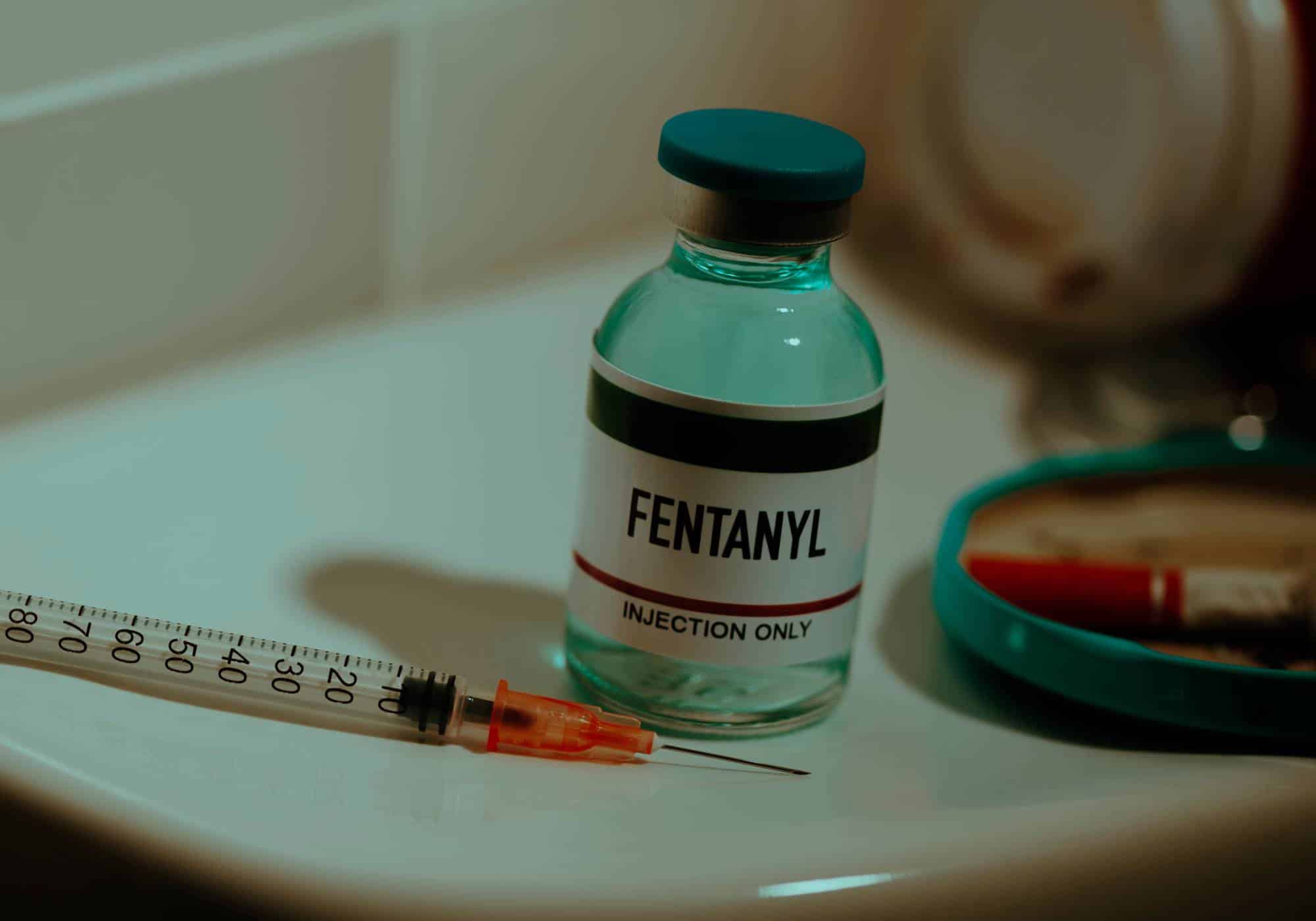
In Metro Atlanta and Northwest Georgia, prescription oxycodone dependency continues to present in our clinical population — both people whose OUD began with a legitimate prescription and people who began using street oxycodone, much of which is now counterfeit. The DEA Atlanta Field Division has documented that the majority of blue M30 “oxycodone” pills obtained outside pharmacy channels in Georgia are counterfeit — pressed with fentanyl rather than oxycodone. A person who believes they are managing an established oxycodone tolerance may be consuming fentanyl at a dose that exceeds that tolerance.
Hope Harbor Wellness provides outpatient oxycodone addiction treatment in Hiram, GA. Medication-Assisted Treatment with buprenorphine (Suboxone) is the evidence-based standard of care for oxycodone use disorder and is available from day one of treatment.
Speak With Our Admissions Team — Same-Day Assessments Available
Confidential. No obligation. We verify insurance for free.
What Is Oxycodone Addiction?
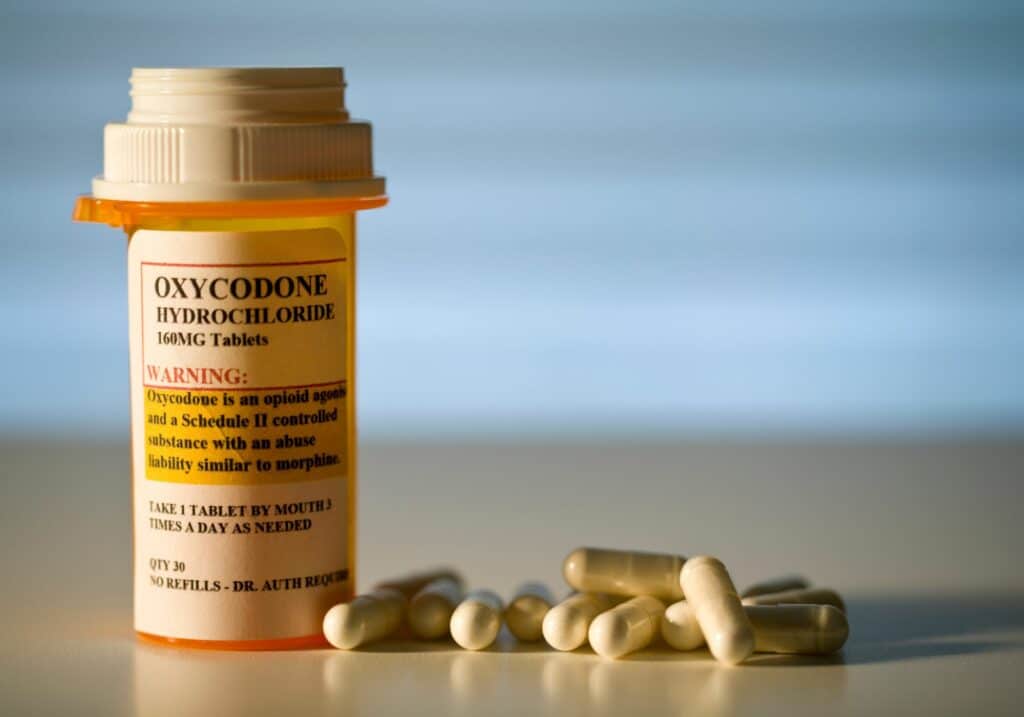
Oxycodone is a semi-synthetic opioid analgesic with approximately 1.5 times the potency of oral morphine. It is metabolized in the liver by CYP2D6 to oxymorphone, its active metabolite. Immediate-release oxycodone (sold as Roxicodone and in combination with acetaminophen as Percocet) produces onset within 15 to 30 minutes and duration of 4 to 6 hours. Extended-release oxycodone (OxyContin) was designed for 12-hour dosing but was widely tampered with — crushed and snorted or dissolved for injection — defeating the extended-release mechanism and producing an immediate opioid rush.
Physical dependency develops through mu-opioid receptor downregulation with regular use. The withdrawal timeline for oxycodone — beginning 8 to 24 hours after the last dose, peaking at 36 to 72 hours — reflects its intermediate half-life. MAT with buprenorphine, initiated during early withdrawal, eliminates or dramatically reduces the withdrawal syndrome and is the evidence-based starting point for treatment.
Oxycodone Addiction in Georgia — What the Data Shows
Understanding the scope of oxycodone addiction in Georgia and Metro Atlanta helps explain why accessible treatment in Northwest Georgia matters so much.
Georgia PDMP data shows oxycodone among the top controlled substances monitored statewide, with Metro Atlanta counties — particularly Cobb, Cherokee, and Bartow — showing significant prescribing volumes. The prescription opioid prescribing rates that peaked in the mid-2010s have declined with prescribing regulation, but the population of people with opioid use disorder established during the peak prescribing era remains large.
The counterfeit M30 pill problem is particularly significant in Georgia. DEA Atlanta and GBI seizure data document the widespread availability of fentanyl-pressed blue pills marketed as oxycodone 30mg throughout Metro Atlanta and surrounding communities. These pills carry extreme overdose risk for anyone who does not have established fentanyl tolerance — and even for people with oxycodone tolerance, since fentanyl potency can exceed established tolerance.
Signs and Symptoms of Oxycodone Addiction
These are the clinical indicators most commonly associated with oxycodone use disorder. A formal diagnosis requires a clinical assessment — but these signs are worth taking seriously.
- Using oxycodone at doses above prescribed or more frequently than prescribed
- Visiting multiple prescribers or pharmacies to maintain supply
- Taking oxycodone prescribed for someone else
- Crushing and snorting or injecting extended-release formulations
- Withdrawal symptoms when doses are delayed or missed
- Transition to street oxycodone when prescription is discontinued
- Purchasing M30 blue pills from non-pharmacy sources
- Prior overdose or near-overdose
- Escalating doses as tolerance develops
- Continued use despite clear consequences
- Using oxycodone for reasons beyond pain management
- Failed attempts to stop
Health Risks of Oxycodone Use
Beyond the addiction itself, oxycodone use carries significant health risks that make early treatment both medically and practically important.
Oxycodone overdose produces fatal respiratory depression. The counterfeit M30 fentanyl pill risk is specific and severe: the DEA estimates approximately 6 in 10 counterfeit M30 pills contain a potentially lethal dose of fentanyl. A person purchasing what they believe is oxycodone 30mg may be purchasing a pill lethal to them in a single dose. Naloxone access and never using alone are the harm reduction strategies that save lives in this environment.
For people who have been taking oxycodone with acetaminophen (Percocet), high doses — taken to achieve opioid effect beyond the therapeutic dose — can cause acetaminophen hepatotoxicity. People taking 8 or more Percocet tablets daily may be approaching or exceeding the safe acetaminophen daily limit, creating liver damage that may not be symptomatic until significant injury has occurred.
Oxycodone Questions? Talk to Our Clinical Team.
Confidential consultations. 24/7 admissions line. 770-573-9546.
Oxycodone Withdrawal — What to Expect
Understanding the withdrawal process helps you prepare — and helps explain why clinical support during this window dramatically improves outcomes.
Oxycodone withdrawal begins 8 to 24 hours after the last dose and peaks at 36 to 72 hours. Symptoms — severe muscle and bone pain, abdominal cramping, nausea, vomiting, diarrhea, profuse sweating, chills, insomnia, anxiety, and overwhelming craving — are the predictable consequence of opioid receptor downregulation. Not directly fatal, but severe enough that most unmedicated attempts to stop result in relapse before the peak of withdrawal passes.
Buprenorphine induction eliminates or dramatically reduces these symptoms within one hour of the first dose. Induction requires that the client be in early withdrawal — COWS score ≥ 8 — to avoid precipitated withdrawal. Our clinical team manages this process completely.
How Hope Harbor Wellness Treats Oxycodone Addiction
Our clinical approach is individualized, evidence-based, and built on the understanding that addiction is a medical condition — not a moral failure.
Our clinical approach to oxycodone use disorder begins with MAT — buprenorphine/naloxone (Suboxone) as the medically indicated first-line treatment for moderate to severe opioid use disorder. We address the full clinical picture: the opioid use disorder itself, the chronic pain conditions that are often the original precipitating factor, co-occurring depression and anxiety, and the practical dimensions of recovery.
For clients with legitimate chronic pain, our clinical team coordinates with pain management specialists to develop non-opioid or minimally opioid-dependent pain management approaches. Addressing pain without opioids is challenging and requires genuine clinical expertise — but leaving chronic pain untreated in a person with OUD virtually guarantees relapse. We treat both.
For clients with a history of prescription opioid use followed by transition to street opioids (or the reverse), we address the grief and shame that often accompany this trajectory — the sense of having “fallen” from a medical patient to a street drug user. This shame is clinically significant and, if unaddressed, undermines treatment engagement.
Your First 30 Days of Oxycodone Treatment at Hope Harbor Wellness
Here is what the first month of treatment looks like — in concrete terms — for most clients with oxycodone addiction.
Days 1–3 — MAT induction: Buprenorphine induction in early withdrawal. Dose stabilization. Liver function evaluation if history of high-dose Percocet use. Chronic pain assessment. Medical history review.
Days 4–14 — Full program entry: PHP or IOP. Group therapy, individual therapy, psychoeducation about OUD and MAT. Dual diagnosis evaluation for co-occurring depression, anxiety, and PTSD. Chronic pain management planning begins.
Days 15–21 — CBT and deepening work: CBT for relapse prevention. Chronic pain coping strategies. Grief and shame work if relevant. EMDR if trauma present. Social support and family therapy.
Days 22–30 — Re-entry planning: High-risk period planning especially regarding pain flares that may trigger craving. Naloxone training. MAT continuation planning. Step-down and aftercare.
Evidence-Based Therapies Used in Oxycodone Treatment
Our clinical team selects therapies based on what the evidence shows works — not on habit or convenience.
- MAT: Suboxone, Vivitrol
- CBT for relapse prevention
- Chronic pain management consultation
- EMDR for trauma
- Depression and anxiety treatment
- Grief and shame-focused therapy
- Family therapy
- Naloxone training
Treatment Programs for Oxycodone Addiction at Hope Harbor Wellness
Every client starts with a comprehensive clinical assessment that determines the appropriate level of care. Here is the full continuum available.
Outpatient Drug Detox
Who it’s for: Medically monitored withdrawal management in an outpatient setting — appropriate when clinical assessment indicates medical supervision is needed for safe withdrawal without inpatient hospitalization.
→ Learn More About Outpatient Drug Detox
Partial Hospitalization Program (PHP)
Who it’s for: Five days per week of structured programming — the most intensive outpatient level, comparable to residential care without overnight stay. Appropriate for early recovery, high relapse risk, and post-detox transition.
→ Learn More About Partial Hospitalization Program
Intensive Outpatient Program (IOP)
Who it’s for: Three days per week. Structured clinical treatment that accommodates work and family responsibilities. Often used as a step-down from PHP or as an initial level for appropriate candidates.
→ Learn More About Intensive Outpatient Program
Virtual IOP
Who it’s for: Clients who prefer telehealth due to transportation, schedule, or other barriers. Available to all Georgia residents.
→ Learn More About Virtual IOP
Medication-Assisted Treatment (MAT)
Who it’s for: Evaluated individually. FDA-approved medications for opioid and alcohol use disorder, integrated with behavioral programming.
→ Learn More About Medication-Assisted Treatment
Dual Diagnosis Treatment
Who it’s for: Clients with co-occurring mental health conditions alongside addiction — treated simultaneously.
→ Learn More About Dual Diagnosis Treatment
Why Choose Hope Harbor Wellness for Oxycodone Addiction Treatment?
Hope Harbor Wellness is a Joint Commission Accredited outpatient addiction and mental health treatment center in Hiram, GA — built by people in recovery, for people in recovery.
- Joint Commission Accredited — the gold standard of behavioral health quality certification
- Run by people in recovery — lived experience shapes every aspect of our care
- Full continuum — Detox, PHP, IOP, Virtual IOP, MAT, Dual Diagnosis, Aftercare
- Evidence-based programming — CBT, DBT, EMDR, MI, Contingency Management, MAT, Biosound Therapy, Art and Music Therapy
- Individualized treatment plans — built from your assessment, not a template
- Insurance-friendly — in-network with BCBS, Anthem, Cigna, Optum, Oscar, TriCare, Humana Military, and VACCN
- Metro Atlanta accessible — 126 Enterprise Path, Suite 208, Hiram, GA 30141 — serving 15+ communities across 6 counties
Insurance Coverage for Oxycodone Addiction Treatment
The Mental Health Parity and Addiction Equity Act requires most commercial insurers to cover oxycodone addiction treatment at parity with other medical conditions.
We are in-network with BCBS/Anthem, Cigna, Optum/UnitedHealthcare, Oscar, TriCare, Humana Military, and VACCN. We also accept out-of-network benefits from many other plans and offer CareCredit financing for out-of-pocket costs.
→ Verify your coverage
→ Call: 770-573-9546
Verify Insurance in Under 5 Minutes
hopeharborwellness.com/insurance/ or call 770-573-9546. No pressure. Just answers.
Related Programs and Pages at Hope Harbor Wellness
- Percocet addiction treatment
- Opioid addiction treatment
- Medication-Assisted Treatment
- Drug rehab near Cartersville
- Drug rehab near Canton
- Atlanta drug rehab hub page
- PHP vs IOP — which program is right for you?
- How much does rehab cost in Georgia?
- Areas we serve
Frequently Asked Questions — Oxycodone Addiction Treatment
What are counterfeit M30 oxycodone pills?
Blue M30 pills purchased outside a pharmacy in Georgia are predominantly counterfeit — pressed with fentanyl rather than oxycodone. The DEA estimates approximately 6 in 10 contain a potentially lethal dose of fentanyl. If you are purchasing oxycodone from street sources, you are almost certainly buying fentanyl and facing overdose risk that does not correspond to your established oxycodone tolerance.
I was prescribed oxycodone for pain — does that mean I have an addiction?
Physical tolerance — needing more medication for the same pain relief — is an expected pharmacological consequence of opioid prescribing, not necessarily addiction. Opioid use disorder involves compulsive use despite consequences, loss of control, and continued use beyond the original pain management purpose. A clinical assessment can help you understand whether what you are experiencing is tolerance, dependency, or use disorder.
Can oxycodone damage my liver?
Oxycodone alone does not cause liver damage. Percocet — oxycodone combined with acetaminophen — can cause liver damage when taken at high doses, particularly with alcohol. If you have been taking large amounts of Percocet, liver function evaluation is an important part of the medical assessment.
Can I get Suboxone for oxycodone addiction?
Yes. Buprenorphine/naloxone (Suboxone) is the evidence-based MAT for oxycodone use disorder. It eliminates withdrawal and dramatically reduces craving and relapse risk. Same-day assessment and induction is often possible at Hope Harbor Wellness. Call 770-573-9546.
How do I manage chronic pain without oxycodone?
This is one of the most important clinical questions in opioid use disorder treatment. Non-opioid pain management — including non-opioid medications, physical therapy, interventional procedures, and psychological approaches to pain management — can provide meaningful relief for many conditions. Our clinical team works with pain specialists to develop a sustainable pain management approach.
Does insurance cover oxycodone addiction treatment?
Yes. We are in-network with BCBS/Anthem, Cigna, Optum, Oscar, TriCare, Humana Military, and VACCN. Verify at hopeharborwellness.com/insurance/ or call 770-573-9546.
Begin Oxycodone Addiction Treatment Today
Hope Harbor Wellness | 126 Enterprise Path, Suite 208, Hiram, GA 30141 | 770-573-9546