Am I An Addict? Quiz
In our busy, hyper-connected world, it’s easy for an innocent habit to grow into something much bigger—sometimes before we even notice. Think about scrolling social media for hours, binge-watching that new series, or frequently turning to sugary treats. At first, these actions may seem harmless, but they can spiral into behaviors that threaten our health, relationships, and well-being. So how do we recognize when a habit crosses the line and becomes an addiction?
In this page, we’ll break down what addiction is, how it forms, and the warning signs that tell us our behavior has become serious. We’ll also talk about possible consequences of addiction, the link between dependence and addiction, and real options for recovery. Whether you’re worried about your own habit or you’re concerned about someone you love, this guide will help you understand the road ahead.
Am I An Addict Quiz
What Is Addiction and How Does It Form?
Addiction is a chronic brain disease that leads to compulsive substance use, even when it causes serious harm. Someone who’s addicted can’t stop drinking or using drugs, even if it ruins their relationships, health, or career. This doesn’t happen because of low willpower. Addiction changes how the brain works, making it incredibly difficult to quit without proper treatment and support.
How Addiction Develops
- Dopamine Release: When we do something addictive—drinking, gambling, or any other activity that makes us feel good—our brain releases a chemical called dopamine. That rush reinforces the behavior and triggers a desire to repeat it.
- Tolerance: Over time, the brain adapts. It requires more of the substance or behavior to feel the same high. This increasing need is called tolerance.
- Withdrawal: If we stop using the substance, the brain reacts with withdrawal symptoms. These can be physical (like nausea or headaches) or emotional (like anxiety and irritability). Withdrawal often pushes people back into using, just to escape the discomfort.
An addiction isn’t just a habit that we can take or leave. Once it settles in, it overrides our decision-making, making it feel nearly impossible to quit. The good news is that with the right approach—such as therapy, medical support, and ongoing care—recovery is within reach for many people.
What Can Happen to Someone Who Is Addicted?
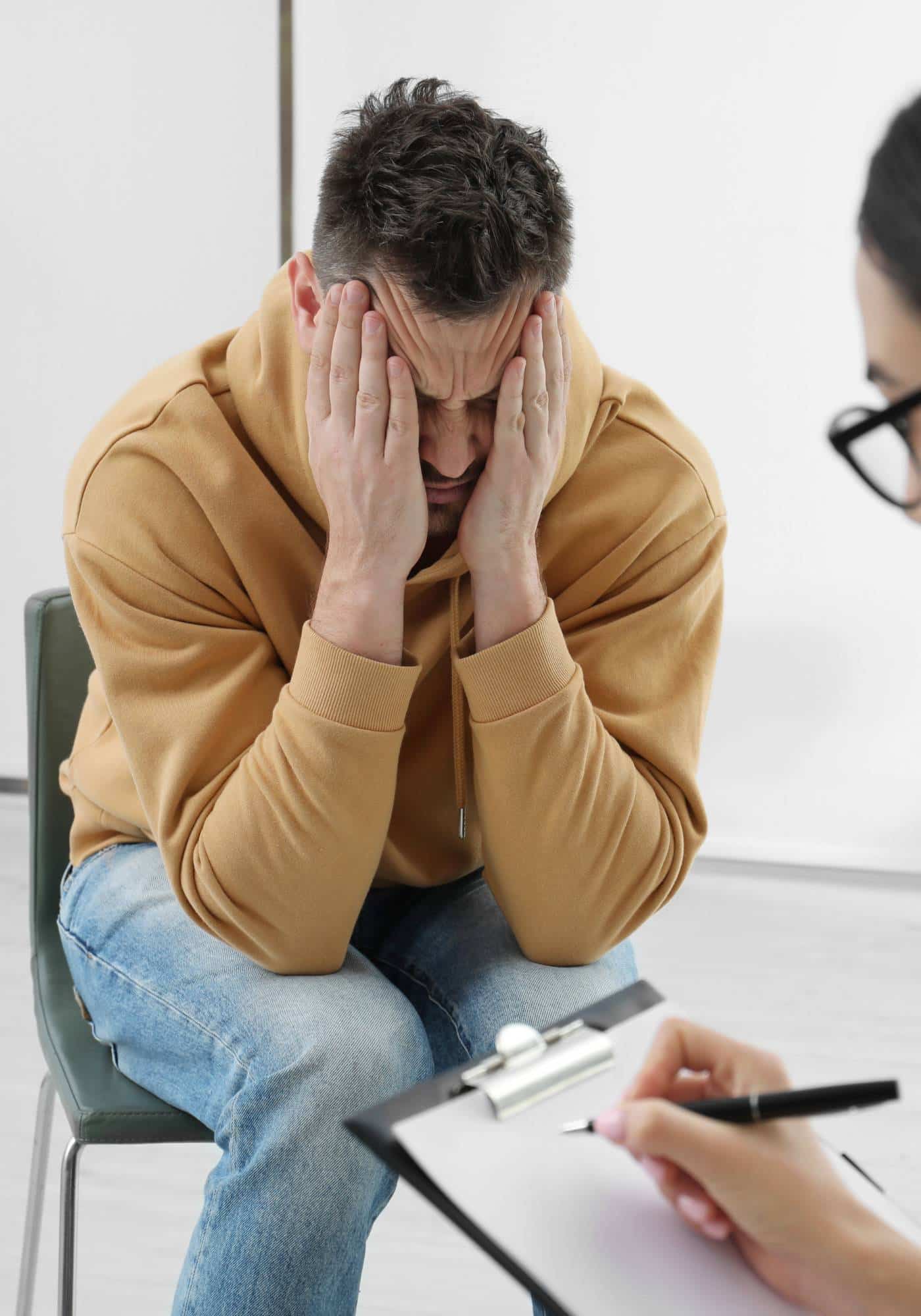
Addiction doesn’t just affect a person’s physical health. It can impact nearly every corner of their life, from emotional wellness to finances. People living with addiction might feel alone, lose their job, or even commit crimes to keep feeding their habit.
Physical Consequences
- Strained Health: Constant substance use can weaken the immune system, overload the heart, and damage organs like the liver or kidneys.
- Neglected Well-Being: People might skip exercise, meals, or doctor’s appointments while focusing only on their addiction.
- Visible Changes: Hygiene often suffers, and chronic addiction can affect appearance, such as weight changes or skin problems.
Mental and Emotional Consequences
- Mood Swings: Anxiety, anger, and depression can intensify. Individuals may feel on edge or hopeless.
- Damaged Relationships: Addiction often becomes a person’s main focus, shutting out loved ones. Communication breaks down, leading to loneliness or conflict.
- Loss of Trust: Friends and family members might struggle to trust someone who repeatedly lies or breaks promises to hide their substance use.
Financial Consequences
- Excessive Spending: People may drain their bank accounts or go into debt to fund their addiction.
- Work Instability: Missing shifts, poor performance, or being fired can happen when addiction gets in the way of responsibilities.
- Risky Behaviors: Some might take dangerous shortcuts—like stealing—to get money for drugs or alcohol.
Understanding these potential outcomes can clarify why addiction treatment is so important. Without intervention, addiction usually grows stronger, and the consequences get worse. Recognizing the signs early can save a lot of heartache down the line.
How Dependence and Addiction Are Related
Many people mix up the terms “dependence” and “addiction,” but they’re not exactly the same thing. Each plays a different part in the cycle of substance use.
Dependence
When your body or mind adapts to a substance or behavior, you become dependent on it. Stopping suddenly can lead to withdrawal symptoms, like headaches, shaking, mood swings, or even severe complications. Dependence isn’t limited to drugs or alcohol; it can happen with activities like gambling, too.
Addiction
Addiction takes dependence further. It includes the uncontrollable drive to keep using, even while facing harmful consequences. Someone may know they’re harming their relationships or risking their job, but they still can’t stop. While physical dependence often goes with addiction, the mental and emotional components are just as significant.
Realizing these definitions helps show that addiction isn’t about being weak or choosing the wrong path. It’s a complex medical issue involving both mind and body. Recovering from it usually requires a well-rounded plan that addresses all aspects of a person’s health—physical, mental, and emotional.
Am I An Addict? 11 Most Common Signs of Addiction
If you’ve been wondering “Am I an Addict?”, reviewing these key signs can help you figure out whether you’re facing more than just a bad habit. If you notice at least two of these signs within a year, there’s a good chance you’re dealing with addiction.
1. Cannot Quit Despite Wanting To
- Have you tried to stop using drugs or alcohol but found yourself going back to them, even if you desperately wanted to quit?
- Did any attempt at sobriety eventually lead to relapse?
2. Using More Often or in Higher Amounts
- Do you take larger doses or use more frequently than you ever planned?
- Did what began as a social activity turn into something you rely on daily or more intensely?
3. Substance Cravings
- When you’re not using, do you fixate on the next time you can?
- Do you notice specific emotions, events, or people (triggers) that cause powerful urges?
4. Spending Extra Effort to Get the Substance
- Are you devoting lots of time, money, or thought to buying or using substances?
- Do you find yourself ignoring financial obligations just to afford your habit?
5. Losing Interest in Hobbies or Activities
- Have you dropped favorite sports, hobbies, or social gatherings because they don’t involve using?
- Do you struggle to enjoy any activity unless you’re under the influence?
6. Using in Dangerous Situations
- Have you driven a car or operated machinery while intoxicated?
- Do you keep putting yourself and others at risk, even knowing the potential harm?
7. Continuing Despite Physical or Emotional Harm
- Is your health suffering due to substance use, yet you still prioritize using over getting well?
- Are you ignoring a doctor’s advice to stop, even though your body is clearly affected?
8. Strained Relationships and Missed Opportunities
- Has your drug or alcohol use caused serious conflict with friends, family, or colleagues?
- Have you missed important events or lost jobs because you were high, drunk, or recovering?
9. Failing Responsibilities
- Are tasks at work, home, or school slipping through the cracks due to being under the influence or dealing with after-effects?
- Have once-reliable people in your life started doubting your ability to show up when it counts?
10. Building Tolerance
- Do you need more of the substance to feel the same buzz?
- Have you noticed that smaller amounts don’t provide the effects you used to get?
11. Withdrawal Symptoms
- When the substance wears off, do you feel physically sick, moody, restless, or anxious?
- Does taking or doing the substance again become the only way to make these negative feelings stop?
If two or more of these warning signs hit home, it might be time to consider a professional assessment. Recognizing the signs early can prevent more serious issues down the road, including permanent damage to your health or relationships.
What Recovery Options Do I Have?
Maybe you’ve done the quiz and see some of these signs in your own life. You might be asking, “Now what? Is going cold turkey alone my only option?” Thankfully, there are safer, more effective ways to manage and overcome addiction.
Medication-Assisted Treatment (MAT)
MAT combines FDA-approved medications with counseling and behavioral therapies. The medication can ease cravings and withdrawal symptoms, while therapy addresses the emotional or lifestyle factors behind your substance use. This all-inclusive approach, often called the “whole-patient” strategy, can boost your chances of a successful recovery.
Therapy and Outpatient Programs
For some, regular therapy sessions or outpatient programs are enough to help them learn coping skills and adjust thought patterns. If you’ve completed a residential program, you might transition to an outpatient format for long-term support. Therapists often teach techniques like Cognitive Behavioral Therapy (CBT) or Dialectical Behavior Therapy (DBT) to help handle triggers and stress without relapsing.
Dual Diagnosis for Mental Health and Addiction
Many people battle both a substance use disorder and a mental health condition like anxiety or depression. In these cases, a dual diagnosis program can be life-changing. You’ll detox under medical supervision and begin therapy that addresses both challenges at once. By tackling underlying issues—like trauma or bipolar disorder—you lower the risk of relapsing later on.
Creating an Aftercare Plan
Recovery isn’t just about initial treatment. It’s about staying on track. Creating a detailed aftercare plan can keep you moving forward once you finish a formal program. Aftercare can include continued therapy, support group meetings, and even online forums to connect with others in recovery. Sticking to a plan is one of the best ways to maintain your gains and avoid falling back into old habits.
Find Recovery at Hope Harbor Wellness in Atlanta, GA
At Hope Harbor Wellness, we believe in offering more than just treatment—we provide a pathway to renewed living. If you choose to join us, you’ll begin a comprehensive recovery process that addresses the physical, emotional, and mental facets of addiction. Our compassionate staff works with evidence-based therapies and holistic approaches to help you move beyond addictive patterns.
Struggling with addiction isn’t a moral failing. It’s a health condition that changes how your brain works and affects your life. Recognizing the warning signs is an act of self-care—and one that can save you from years of pain. Whether you see mild hints of trouble or face a full-blown crisis, asking for help is never shameful. In fact, it’s the most courageous step you can take.
Remember, there are many pathways to healing. From medication-assisted treatment and therapy to dual diagnosis programs that address mental health, options exist for people in various circumstances. What matters is finding the method that resonates with your needs and seeking professional guidance when you’re unsure.
If you think you might be addicted—or you’re supporting someone who might be—make that call or send that email. Reach out to Hope Harbor Wellness in Atlanta at 770-573-9546 or fill out our online contact form to talk openly about what you’re facing. Recovery is possible. A life of freedom, health, and happiness can be your reality. You don’t have to do this alone, and you don’t have to suffer any longer. A fresh start is waiting.