

Biosound Therapy Treatment for Drug Addiction
Biosound therapy has become an increasingly popular treatment option for individuals struggling with drug addiction. This therapeutic technique has shown positive results in reducing symptoms like anxiety, depression, and even boredom, which is a common trigger for substance abuse. Biosound therapy utilizes a specialized chair equipped with memory foam cushions and a vibrating blanket. Through synchronized sounds, vibrations, and visual elements, the chair creates a calming environment that allows the brain to stabilize its frequency. By syncing the brain to these stimuli, biosound therapy can help individuals relax deeply and find relief from addiction-related stress.
What Is Biosound Therapy?
Biosound therapy involves sitting in a specially designed chair that delivers subtle vibrations to various parts of the body. These vibrations, combined with carefully timed beats, induce a sense of calm and relaxation. The chair also uses binaural audio, which mirrors brain waves like theta and low-alpha, the same waves that help you feel relaxed and focused. As the nervous system eases, the heart rate slows down, and stress hormones like cortisol decrease, making biosound therapy particularly effective for people dealing with addiction and the associated emotional challenges.
How Does Biosound Therapy Work?
Biofeedback
Biosound therapy monitors physiological responses, such as heart rate variability, to provide real-time feedback. This helps individuals understand and control their stress and anxiety.
Sound Frequency Massage
The therapy bed delivers sound frequencies through vibrations, which help release physical tension and promote deep relaxation, essential for recovering from addiction.
Guided Imagery
During sessions, clients are led through visualizations and positive affirmations, focusing on recovery goals and reinforcing a positive mindset, which supports long-term sobriety.
What Are the Benefits of Biosound Therapy?
Biosound therapy offers numerous benefits, especially when integrated with traditional treatments for addiction.
Some key advantages of biosound therapy include:
- Improved Mood During Detox: Participating in biosound therapy during detox can reduce stress and ease some withdrawal symptoms, helping individuals feel more positive mentally.
- Increased Likelihood of Completing Treatment: The therapy’s calming effects and positive affirmations enhance confidence, encouraging individuals to stay committed to their recovery journey.
- Stress and Anxiety Reduction: By combining meditation with a relaxed theta brain state, biosound therapy quickly diminishes negative emotions like stress, anxiety, and depression.
- Enhanced Mental State: Biosound therapy can return those in crisis to a calm and relaxed mental state, making them better equipped to tackle recovery challenges.
Using Biosound Healing Therapy for Addiction Recovery
In recent years, biosound therapy has emerged as a valuable addition to traditional addiction treatment. By incorporating sound vibrations, it provides a holistic way to address the physical, emotional, and psychological struggles of addiction.
Key benefits of biosound therapy for addiction treatment include:
- Stress Reduction: Recovery is often accompanied by anxiety and cravings. Biosound therapy helps alleviate stress by inducing relaxation through gentle sound and vibrations.
- Easing Withdrawal Symptoms: Biosound therapy can reduce physical withdrawal symptoms such as muscle tension, agitation, and insomnia, making the detox process more manageable.
- Promoting Emotional Stability: Addiction often stems from emotional dysregulation. Biosound therapy helps stabilize emotions by calming the nervous system, which aids in reducing emotional triggers.
- Enhancing Mindfulness: This therapy helps individuals reconnect with their bodies and emotions, promoting mindfulness and self-awareness, both crucial in recovery.
- Building Resilience: Recovery requires perseverance. Biosound therapy fosters a sense of empowerment and inner strength, helping individuals stay committed to their sobriety.
By incorporating biosound therapy into traditional rehab programs, individuals can experience a more balanced recovery that addresses all aspects of their well-being—physical, emotional, and spiritual.
Can a Biosound Therapy Program Be Used Alongside Other Therapies?
Yes, biosound therapy can be effectively integrated with other therapeutic modalities as part of a comprehensive addiction treatment plan. While it can stand alone as a treatment, many individuals find it especially beneficial when combined with traditional therapies.
Some of the most common therapies that complement biosound therapy include:
- Cognitive-Behavioral Therapy (CBT): CBT helps individuals identify and change negative thought patterns that often fuel addiction. Paired with biosound therapy, patients may find that the relaxation and focus gained from the sound vibrations make it easier to engage in CBT sessions and develop healthier thinking habits.
- Dialectical Behavior Therapy (DBT): DBT is designed to help patients develop coping mechanisms to manage stress and regulate emotions. Biosound therapy can enhance DBT by promoting a calm mental state, which makes it easier to apply DBT skills during stressful situations.
- Family Therapy: Addiction often damages relationships with loved ones. Family therapy aims to repair these relationships, and when used alongside biosound therapy, the relaxed state achieved can help patients engage more fully in repairing bonds with family members.
- Trauma Therapy: For individuals whose addiction is tied to past trauma, biosound therapy helps create a calming atmosphere that allows patients to process traumatic memories more safely and effectively in conjunction with trauma therapy.
At Hope Harbor Wellness, we offer a tailored biosound therapy program designed to meet the specific needs of each patient. To discover how this therapy can complement your treatment plan, contact our team at 770-573-9546 or fill out our online contact form today. We’re here to help you or a loved one navigate the path to recovery.
What to Expect During a Biosound Therapy Session
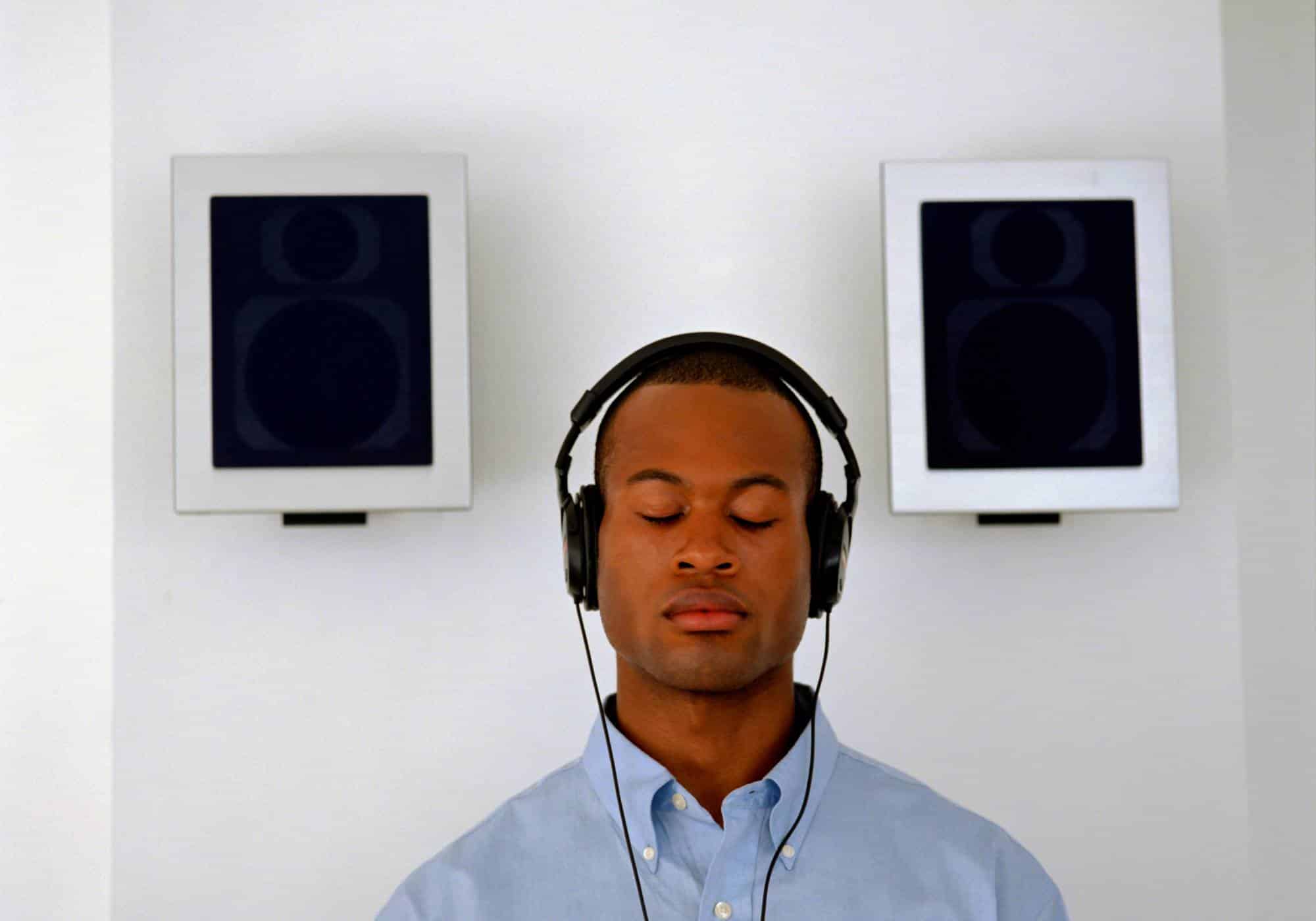
When you begin a biosound therapy session, you’ll lie on a specialized therapy bed equipped with transducers that deliver gentle sound frequencies throughout your body. These sessions typically last between 30 to 60 minutes, and during that time, you will experience soothing music, calming guided imagery, and gentle vibrations designed to help you relax. The environment is created to be comfortable and tranquil, allowing you to unwind fully. Each session is focused on providing a restorative experience, promoting healing from within as you progress through your addiction treatment.
When Is Biosound Therapy Most Beneficial?
Biosound therapy is particularly useful during the detox process, which can often be overwhelming and uncomfortable for individuals. During detox, as your body clears itself of toxins from drug or alcohol use, you may experience withdrawal symptoms such as anxiety, depression, mental fatigue, and physical discomfort. Biosound therapy helps alleviate these symptoms by delivering vibrational sound therapy, which works to calm the mind and body during this challenging period.
The therapy can help individuals manage the feelings of hopelessness or lack of motivation that sometimes arise during detox and can reduce the emotional stress that may lead to relapse. By using specific frequencies, biosound therapy provides a relaxing experience that can prevent heightened emotions from spiraling out of control.
How Long Do Biosound Therapy Sessions Last?
Typically, biosound therapy sessions last about 20 to 30 minutes and are incorporated daily throughout the treatment process. For clients in a residential treatment program, sessions might be offered daily for the duration of the program, which usually ranges from 30 to 90 days. Biosound therapy is also available for those in outpatient programs, where clients can benefit from shorter, yet consistent, sessions.
What Happens After Each Biosound Therapy Session?
After completing a biosound therapy session, clients can seamlessly return to their regular treatment activities, whether that involves attending a group therapy session, meeting with a counselor, or participating in other forms of therapy. Many clients report an improved mood and better focus after these sessions, which can enhance their receptiveness to other therapeutic treatments and contribute to a more positive overall recovery process.
Is Biosound Therapy Covered by Insurance?
Whether BioSound therapy is covered by insurance depends on the specifics of your insurance plan. Some insurers are beginning to recognize the value of holistic and complementary treatments for addiction, including biosound therapy. However, coverage varies. While some plans may include biosound therapy as part of a comprehensive treatment package, others may view it as an alternative therapy and exclude it. It’s essential to check with your insurance provider to determine if biosound therapy is covered. At Hope Harbor Wellness, we assist clients in navigating their insurance options, helping you understand what therapies are included in your plan and ensuring you can access the best treatment available for your recovery. Call us today at 770-573-9546 or fill out our online insurance verification form to verify your insurance coverage.
Embarking on a Healing Journey with Biosound Therapy in Atlanta, GA
If you’re interested in learning more about biosound therapy or any other addiction treatment options at Hope Harbor Wellness in Atlanta, feel free to reach out. A confidential call can open the door to better well-being and a more hopeful future. When you’re ready to begin your healing journey, Hope Harbor Wellness is here to help facilitate your recovery call us today at 770-573-9546 or fill out our online contact form. We are dedicated to providing compassionate care, helping individuals break free from addiction and move toward a healthier, brighter future.
Biosound Therapy FAQs
What is Biosound Therapy, and how is it incorporated into a detox program?
Biosound combines low-frequency vibration, binaural beats, and guided imagery delivered through a specialized recliner, helping calm the autonomic nervous system during the high-anxiety detox window.
Does scientific research support Biosound’s anxiety-reducing claims?
Small uncontrolled studies at residential rehabs show significant drops in heart rate and self-rated anxiety after 30-minute sessions, prompting ongoing randomized trials.
How long and how often are Biosound sessions scheduled in early recovery?
Programs typically offer 30- to 45-minute sessions three to five times per week during the first detox and stabilization month.
What are the potential side effects or contraindications?
Biosound is generally safe, but people with pacemakers or vestibular disorders should consult a physician because vibration may cause rare dizziness.
Can Biosound Therapy replace evidence-based counseling or medication?
No; clinicians use it as a complementary relaxation tool alongside CBT, MAT, or trauma therapy rather than as a standalone treatment.
Is Biosound Therapy covered by insurance plans?
Most insurers view it as an adjunct wellness modality, so sessions are often self-pay unless bundled into a covered therapy hour.
Are there at-home Biosound devices I can use after discharge?
Portable vibration-audio mats exist, but clinicians advise using them only as a supplement to ongoing professional care.