
Red Light Therapy (RLT) is gaining traction as a complementary treatment in addiction recovery programs, including those offered in Atlanta, GA. This innovative therapy has been linked to various health benefits, ranging from improved skin health to enhanced recovery of muscular injuries. For individuals struggling with substance abuse and their loved ones, understanding how RLT can aid in the recovery process is crucial. This guide will provide an in-depth look at Red Light Therapy, exploring its mechanisms, effectiveness for addiction treatment, and its various applications.
What is Red Light Therapy?
Red Light Therapy (RLT) is a therapeutic technique that uses red low-level wavelengths of light to treat skin issues, such as wrinkles, scars, and persistent wounds, among other conditions. In the context of addiction recovery, RLT is considered for its potential to alleviate certain symptoms associated with withdrawal and to foster a deeper sense of well-being.
How Does Red Light Therapy Work?
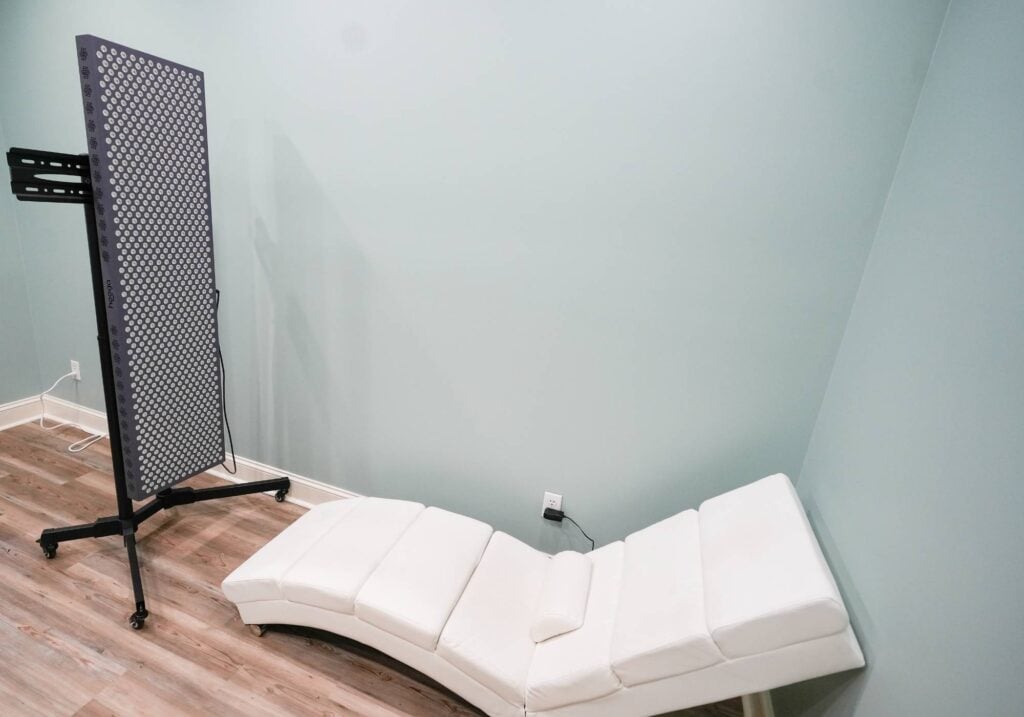
Red Light Therapy works by emitting a concentrated wavelength of red light that is absorbed by the skin and deeper tissues. When cells absorb this light, it stimulates a biological process that promotes cell regeneration and healing. The therapy is typically delivered through devices like lamps, bulbs, or laser therapies that direct the precise wavelength of red light to specific areas of the body or even full-body exposure.
The mechanism behind RLT relates to its ability to activate mitochondria within cells, often referred to as the “powerhouses” of cells. This activation enhances cellular energy production, which can accelerate healing and reduce inflammation. In addiction recovery, these effects are believed to aid in the physical recovery of the body, helping individuals regain strength and vitality more rapidly.
Is Red Light Therapy Effective for Addiction?
Red light therapy (RLT) is gaining recognition for its efficacy in addressing a wide array of health issues, including inflammation, pain, arthritis, and various skin conditions. Emerging evidence also points to its potential benefits in supporting addiction recovery. One of the most daunting aspects of recovery is managing the mental stress and withdrawal symptoms that accompany cessation of drug and alcohol use. These challenges can precipitate or exacerbate other mental health conditions such as clinical depression, dementia, and obsessive-compulsive disorder.
Many healthcare professionals believe that RLT can be an effective intervention for these mental health issues, and by extension, aid in the broader scope of addiction treatment. However, it’s important to recognize that RLT may not be suitable for everyone; for instance, individuals with bipolar disorder might experience manic episodes triggered by the therapy. Therefore, consulting with a medical professional before starting RLT as part of an addiction recovery program is crucial.
Red light therapy offers a natural, non-chemical approach to reducing symptoms of depression and other mental health challenges. The sessions provide mental relaxation which can be pivotal in helping individuals navigate negative emotions, offering a renewed motivation and a fresh perspective on life. Regular integration of RLT into daily routines can help individuals start their day with a sense of peace and mental clarity, contributing positively to their journey towards recovery.

What Does Red Light Therapy Treat?
At our center, each individual receives a comprehensive evaluation to tailor a personalized treatment plan that aligns with their specific needs and recovery goals.
Red light therapy is considered for its potential to alleviate symptoms associated with a variety of mental and behavioral health issues, including:
- Major depressive disorder
- Anxiety
- Schizophrenia
- Post-traumatic stress disorder (PTSD)
- Alcoholism
- Drug addiction
If red light therapy shows promise in easing any symptoms our patients experience, we are prepared to incorporate this modality into their personalized care plans. The goal is always to provide the most effective and supportive treatment possible, ensuring each patient has the best tools at their disposal to face their recovery journey.
By incorporating red light therapy into the treatment regimens, our facility aims to offer a cutting-edge solution that supports the complex needs of individuals recovering from addiction and associated mental health conditions. This therapy complements traditional treatment methods, providing a holistic approach to recovery that addresses both the physiological and psychological aspects of addiction.
The Benefits of Red Light Therapy
Red Light Therapy offers several advantages that make it an appealing option for inclusion in addiction recovery programs:
- Non-Invasive: RLT is a non-invasive treatment that does not require surgery or harsh chemicals.
- Painless: The therapy involves no pain, making it an easy addition to regular treatment routines.
- Short Sessions: Treatment sessions are typically short, often ranging from 10 to 20 minutes, facilitating easy integration into daily schedules.
- No Downtime: There is no recovery time needed, so individuals can continue with their daily activities immediately after treatment.
Is Red Light Therapy Safe?
Red Light Therapy is generally considered safe with minimal side effects. However, as with any treatment, there are safety considerations to keep in mind. It’s important to use RLT devices according to manufacturer instructions or under the guidance of a professional to avoid the risk of skin damage from overexposure. Individuals should ensure that the therapy is part of a comprehensive treatment plan overseen by healthcare professionals.
In conclusion, while Red Light Therapy is not a standalone treatment for addiction, it offers substantial benefits that can support and enhance recovery efforts. For those seeking innovative and supportive treatments in Atlanta, incorporating RLT at facilities like Hope Harbor Wellness can be a valuable component of a holistic recovery approach. As research continues to evolve, the role of RLT in addiction therapy may become even more significant, offering hope and healing to those on their journey to recovery.
Start Your Red Light Therapy in Atlanta Today
For those in Atlanta seeking red light therapy to manage alcoholism, or other drug addictions, contacting Hope Harbor Wellness is essential. At our drug treatment center, red light therapy is part of a comprehensive approach to address various aspects of addiction.
Our dedicated team at Hope Harbor Wellness is prepared to guide you through each step. We offer red light therapy in Atlanta as part of a diverse range of services designed specifically for your individual needs. Contact us today at 770-573-9546 or fill out our online contact form to learn about our admissions process and discover how red light therapy, combined with our holistic services, can enhance your drug-free life.
Red Light Therapy FAQs
What is red-light therapy, and how could it support mental health in recovery?
Photobiomodulation delivers 600–1,000 nm red or near-infrared light, boosting mitochondrial ATP and cerebral blood flow, which early studies link to mood and cognitive gains.
Is there clinical evidence for red-light therapy in depression?
A pilot study at NYU found transcranial NIR sessions lowered Hamilton Depression scores by 46 % after four weeks.
How long is a typical session?
Clinics use 10–20 minutes at 4–6 J/cm² fluence, three times weekly.
Has the FDA cleared red-light devices for mental-health use?
FDA clearances exist for pain and dermatology; mental-health applications remain off-label.
Are at-home panels effective?
Units with verified irradiance (≥ 100 mW/cm²) can replicate clinic doses, but buyers should seek
What side effects should users watch for?
Mild warmth or eye strain; protective goggles are recommended to avoid retinal exposure.
Is red-light therapy covered by insurance?
Yes, many insurance plans cover red light therapy as part of addiction treatment.