

Medication Assisted Treatment In Atlanta Metro, Evidence Based Support For Recovery
If you are considering Medication Assisted Treatment, also called MAT, you may be looking for two things at the same time. You want relief from cravings and withdrawal, and you want a plan that helps you build real stability. Medication Assisted Treatment can support both. At Hope Harbor Wellness, MAT is delivered as part of outpatient addiction treatment and is paired with therapy, skill building, and a step by step recovery plan.
MAT is not a quick fix and it is not a one size fits all approach. It is a medical and clinical strategy that can reduce relapse risk, support safety, and improve engagement in treatment. The right plan depends on your substance use history, withdrawal risk, mental health needs, and what level of structure you need right now.
If you are not sure where to start, we can help you complete an assessment and recommend the safest path forward, whether that is Partial Hospitalization Program, Intensive Outpatient Program, Outpatient Program, Telehealth For Addiction, or a detox step first when medically appropriate.
Contact Hope Harbor Wellness today at 770-573-9546 or fill out our online contact form to being your medication-assisted treatment.
Medication Assisted Treatment At A Glance
Medication Assisted Treatment At Hope Harbor Wellness Often Includes:
- A clinical assessment and treatment recommendation based on your needs
- Medication planning and monitoring when appropriate
- Evidence based therapy, including relapse prevention and coping skills
- Support for co occurring anxiety, depression, trauma, or stress related concerns
- A structured step down plan using Partial Hospitalization Program, Intensive Outpatient Program, or Outpatient Program
- Options to participate through Telehealth For Addiction when clinically appropriate
- Support planning for stable living arrangements, including Sober Living coordination through trusted community partners
Medication options and care plans depend on clinical appropriateness and the level of care you need. If a higher level of medical support is required, we help coordinate that next step and guide you into outpatient treatment after stabilization.
What Is Medication Assisted Treatment
Medication Assisted Treatment is a treatment approach that combines FDA approved medications, behavioral therapy, and recovery supports to treat substance use disorders. MAT is most commonly used for opioid use disorder and alcohol use disorder. The goal is to reduce cravings, reduce withdrawal symptoms, improve stability, and increase your ability to participate in therapy and daily life.
MAT is not replacing one addiction with another. In a properly monitored MAT plan, medication is used strategically as part of medical care, at an appropriate dose, with accountability and support. Many people find that MAT lowers the intensity of cravings and allows them to focus on therapy, relationships, work, school, and long term change.
MAT helps reduce withdrawal and cravings so you can engage in treatment and build stable recovery skills, while receiving ongoing medical and clinical support.
Who Medication Assisted Treatment Is For
MAT can be helpful for many people, especially when cravings, withdrawal symptoms, or relapse cycles make it hard to stay consistent in treatment. It may be a good fit if you identify with one or more of the following.
- You have tried to stop and cravings pull you back in quickly
- You experience withdrawal symptoms when you reduce or stop use
- You have a history of relapse after detox or early sobriety
- You want outpatient treatment but need additional medical support
- You are rebuilding stability after a period of heavier use
- You are managing stress, trauma, anxiety, or depression alongside addiction
MAT is also commonly used as part of a structured plan after detox, especially when relapse risk is high. If you need detox first, we can help coordinate detox and then create a step down plan into outpatient programming.
Who Medication Assisted Treatment May Not Be Right For
MAT is not the right fit for everyone at every moment. Sometimes the safest first step is detox, inpatient stabilization, or a different level of care.
MAT may not be the best fit if:
- You have medical instability or severe withdrawal risk that requires inpatient monitoring
- You are in an active crisis situation that limits safe outpatient participation
- You need a higher level of structure than outpatient care can provide right now
If you are unsure, that is normal. An assessment helps determine the safest recommendation and the best chance of a stable outcome.
Medication Assisted Treatment For Opioid Addiction
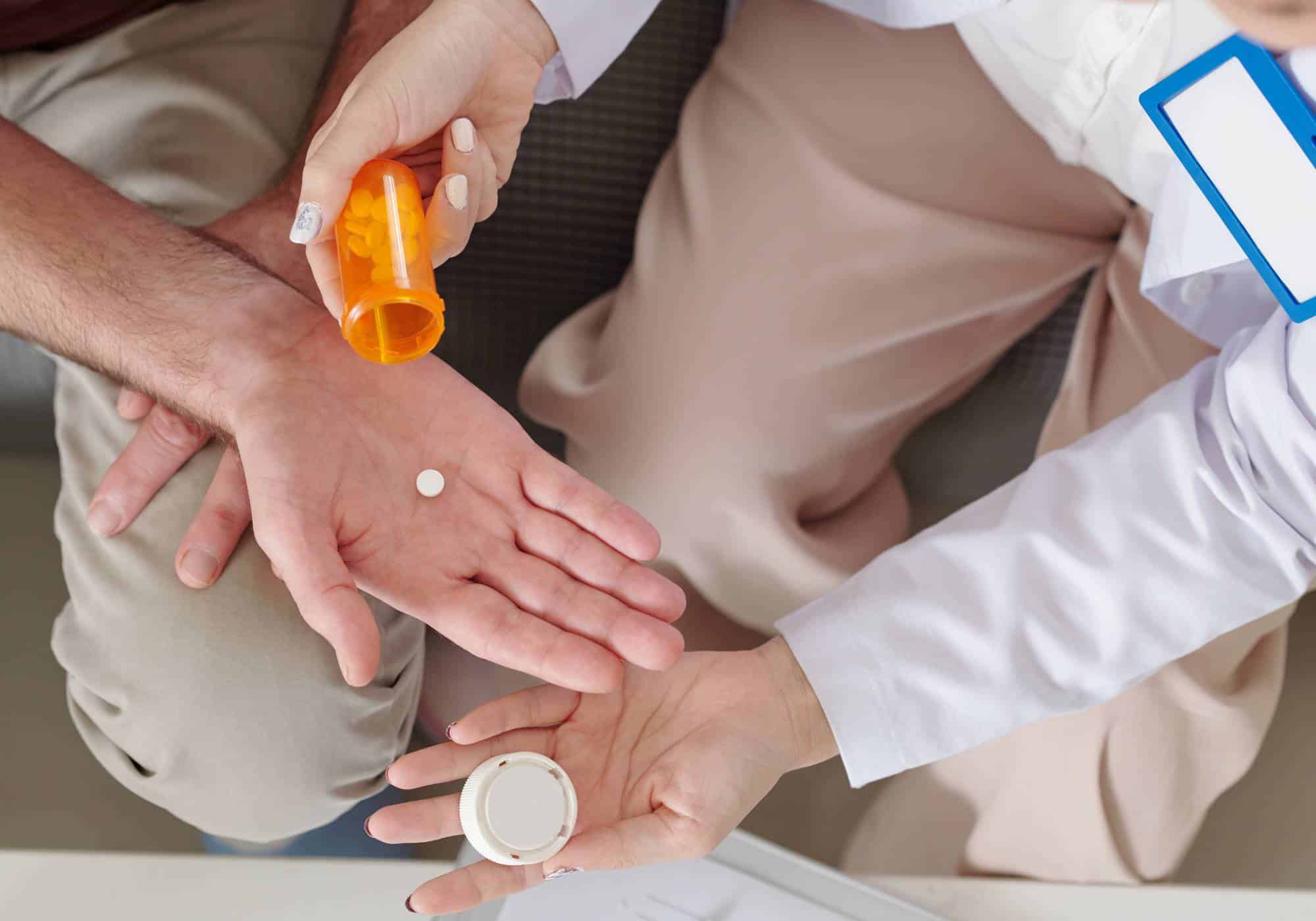
Opioid use disorder often includes powerful cravings and withdrawal symptoms that can make early recovery difficult. MAT for opioid addiction is designed to stabilize the nervous system, reduce withdrawal, reduce cravings, and lower the risk of relapse. This can make it easier to stay engaged in therapy and build a consistent recovery routine.
Common Medication Types Used In Opioid MAT May Include:
- Buprenorphine based medications that can reduce cravings and withdrawal while lowering overdose risk compared to full agonist opioids
- Naltrexone in appropriate cases to block opioid effects and reduce relapse risk for some people
- Methadone for some individuals, which is typically delivered through specialized regulated programs in many settings. If it is the best option for you, we can discuss coordination as part of your care plan.
Medication selection depends on your history, current use patterns, withdrawal risk, and your ability to participate in a structured outpatient plan. Our goal is to make sure the plan matches your clinical needs, not just your schedule.
Medication Assisted Treatment For Alcohol Addiction
Alcohol use disorder can be fueled by cravings, anxiety, sleep disruption, and relapse cycles that are hard to break without support. MAT for alcohol addiction may help reduce cravings and support abstinence or recovery goals as part of a comprehensive treatment plan.
Alcohol Focused Medications May Include:
- Medications that reduce cravings or reduce the rewarding effects of alcohol for some individuals
- Medication strategies that support early recovery, sleep, and stabilization when clinically appropriate
Not everyone needs medication for alcohol recovery, but for many people it can reduce intensity and support consistency. MAT works best when paired with therapy and a structured plan, especially when alcohol has become a coping strategy for stress, trauma, or mental health symptoms.
What About Naloxone
Naloxone is a medication used to reverse opioid overdose and restore breathing. It is an essential safety tool for overdose prevention. It is not a maintenance medication for addiction treatment, but it is an important part of harm reduction planning in many communities.
If you or your loved ones are at risk for opioid overdose, we encourage safety planning and education. Recovery is the goal, and safety matters at every step.
How MAT Works With Outpatient Treatment
Medication alone is rarely the full solution. MAT is most effective when it is part of a structured plan that includes behavioral therapy, accountability, and support building. That is why MAT at Hope Harbor Wellness is connected to levels of care that match your needs.
MAT Can Be Integrated With:
- Partial Hospitalization Program when you need more structure and frequent clinical contact
- Intensive Outpatient Program when you need consistent programming while balancing work or school
- Outpatient Program when you need flexible ongoing support and accountability
- Telehealth For Addiction when virtual care is clinically appropriate and supports consistency
Many people step down through levels of care over time. For example, you may start in PHP, transition to IOP, then continue with outpatient therapy and ongoing medication management as needed. A step down plan helps you stay supported as you gain stability.
What To Expect In A MAT Program
People often search for what MAT actually looks like week to week. While every care plan is personalized, most MAT programs include a combination of medical oversight and therapy support.
Typical MAT Program Components May Include:
- Assessment and planning: substance history, relapse patterns, mental health screening, and level of care recommendation
- Medication planning and monitoring: dosing strategy, follow ups, and adjustments when clinically appropriate
- Individual therapy: triggers, thought patterns, trauma work when appropriate, and relapse prevention planning
- Group therapy: coping skills, stress management, boundaries, communication, and recovery education
- Family support options: education, boundaries, and support planning when appropriate
- Accountability and progress tracking: goals, attendance, and recovery milestones
- Aftercare planning: ongoing outpatient support, community resources, and stable living supports when needed
MAT is a tool, and your progress is supported by the habits and skills you build around it. The goal is stability, health, and a life you can sustain.

MAT Vs Detox Vs Rehab, What Is The Difference
Many people searching for MAT are also trying to understand the difference between detox, rehab, and outpatient treatment. Here is a clear breakdown.
- Detox: focuses on stabilization and managing withdrawal safely. Detox is often short term and may be needed before outpatient programming begins.
- MAT: uses medication as part of treatment to reduce cravings and withdrawal and support long term recovery, typically paired with therapy and structured programming.
- Rehab or Treatment Programming: includes therapy, skill building, and behavioral change support through levels of care like Partial Hospitalization Program, Intensive Outpatient Program, and Outpatient Program.
If you are unsure which you need, the safest approach is an assessment. We will help you choose the right level of care, and coordinate next steps if a higher level of medical support is required.
Is MAT Right For Me If I Relapse Often
Recurring relapse is one of the most common reasons people consider MAT. Relapse does not mean you are incapable of recovery. Often it means your brain and body need more support while you build new coping strategies and stabilize your routine.
MAT can lower the intensity of cravings and reduce withdrawal related discomfort, which can reduce impulsive use and improve consistency in treatment. When people can attend therapy consistently, practice coping strategies, and build supportive relationships, long term recovery becomes more realistic.
We also focus on practical relapse prevention, including identifying triggers, strengthening boundaries, building a stable schedule, and addressing stress and mental health factors that may drive use.
How Long Does MAT Last
People often want a clear timeline. The honest answer is that MAT duration depends on your history, your stability, and your recovery progress. Some people use MAT for a shorter period during early recovery. Others benefit from longer term medication support, especially when relapse risk has been high.
The goal is not to stay on medication forever or to rush off medication too quickly. The goal is to stay safe and stable. Decisions about continuing, adjusting, or tapering medication should always be made collaboratively with a qualified provider and based on clinical stability, supports, and relapse risk.
Side Effects And Safety Considerations
Like any medical treatment, MAT medications can involve side effects and safety considerations. Medication choice and monitoring matter. Side effects vary based on the medication, dose, and individual health factors. During your assessment and ongoing care, we review history, current medications, and any concerns that could impact safety.
Important Safety Note: Never start, stop, or change medication without medical guidance. If you feel unwell, experience concerning symptoms, or have questions about safety, contact a medical provider promptly.
MAT And Co Occurring Mental Health
Many people seeking addiction treatment are also dealing with anxiety, depression, trauma, stress, or mood related symptoms. Substance use can develop as a way to cope, and then it becomes its own problem. MAT can support stabilization, but therapy is often where deeper healing happens.
Our outpatient programs are designed to support whole person recovery. That includes addressing coping skills, nervous system regulation, thought patterns, relationships, and practical life stressors. When mental health symptoms improve, cravings and relapse risk often become more manageable.
MAT And Outpatient Scheduling Options
Many people choose MAT because they want a recovery plan that fits real life responsibilities. Outpatient care can support recovery while you continue working, attending school, or caring for family. Your recommended level of care depends on withdrawal risk, relapse history, home stability, and mental health needs.
Common Scheduling Paths May Include:
- Higher structure start: Partial Hospitalization Program plus medication monitoring when appropriate, then step down to Intensive Outpatient Program
- Balanced structure: Intensive Outpatient Program plus MAT and therapy supports
- Flexible continuation: Outpatient Program for ongoing therapy and accountability while continuing medication support as needed
- Virtual consistency: Telehealth For Addiction when virtual care is clinically appropriate
If stable living is a challenge, we can also help coordinate support planning and community resources. For some people, Sober Living can add structure and accountability while continuing outpatient programming.
What If I Need Detox Before MAT
Some people can start MAT without a detox stay, depending on the substance involved, the level of use, and safety factors. Others need a detox step first, especially when withdrawal risk is medically significant. If detox is recommended, we coordinate next steps and help you transition into outpatient care as soon as you are stable, so your recovery has continuity.
If you are currently experiencing severe withdrawal symptoms or feel unsafe, seek emergency medical care immediately.
How To Start Medication Assisted Treatment
Starting MAT should feel clear, supportive, and organized.
Here is a simple overview of what the first steps often look like:
- Reach out: Contact our team to share what is going on and what you are hoping to change.
- Complete an assessment: We evaluate substance use history, withdrawal risk, mental health needs, and level of care fit.
- Build your plan: We recommend a care path and discuss medication support when appropriate.
- Begin programming: Start the level of care that matches your needs, such as Partial Hospitalization Program, Intensive Outpatient Program, or Outpatient Program.
- Stay supported: Ongoing therapy, monitoring, and step down planning help you build stability over time.
Our admissions team is standing by, contact us today at 770-573-9546 or fill out our online contact form.
Common MAT Myths And Clear Answers
Myth: MAT is just replacing one drug with another.
Clear Answer: MAT is a medical treatment approach that can reduce cravings and withdrawal so you can engage in therapy and build stable recovery skills. When monitored correctly, it supports safety and stability.
Myth: MAT means I am not really sober.
Clear Answer: Recovery is about health, stability, and freedom from harmful use. For many people, MAT is part of an evidence based recovery plan that supports long term outcomes.
Myth: I should stop MAT as soon as possible.
Clear Answer: The right timeline depends on stability and relapse risk. Decisions should be made with medical guidance, not pressure or stigma.
Myth: Therapy does not matter if I am on medication.
Clear Answer: Therapy is often what creates lasting change. Medication can reduce the intensity of cravings, and therapy helps you build the skills to stay stable.
Why People Choose Hope Harbor Wellness For Medication Assisted Treatment
Choosing a MAT program is not just about medication. It is about whether you feel supported, whether care is coordinated, and whether you have a clear plan for what happens next.
Our Focus Includes:
- Outpatient structure that supports real life responsibilities
- Clear level of care guidance, so you are not guessing between PHP, IOP, and outpatient
- Support for mental health and relapse prevention, not just symptom management
- Continuity of care, including step down planning and ongoing supports
- Flexible options through Telehealth For Addiction when appropriate
If you are ready to talk with someone about your options, the best first step is an assessment. We will meet you where you are and help you choose a plan that is safe, realistic, and designed for long term recovery. Contact us today at 770-573-9546 or fill out our online contact form for a free confidential assessment.
Medication-Assisted Treatment Serving the Greater Paulding County Area
Hope Harbor Wellness provides Medication-Assisted Treatment, including Suboxone and Vivitrol, at our Hiram, GA campus. We serve adults from across northwest metro Atlanta who are seeking opioid use disorder treatment with evidence-based medication support.
MAT at Hope Harbor Wellness can be integrated with IOP, outpatient therapy, and dual diagnosis care when clinically appropriate.
Service Area for MAT and Suboxone Treatment
Our Hiram location makes MAT accessible to residents of Paulding, Douglas, Cherokee, Cobb, and Carroll counties. Common cities we serve include Dallas, Villa Rica, Douglasville, Canton, Acworth, Kennesaw, Austell, and Lithia Springs.
We also serve adults looking for drug rehab in Paulding County and those who need outpatient addiction treatment close to home.
MAT and Suboxone Treatment Frequently Asked Questions
Where can I get Suboxone treatment near Canton, GA?
Hope Harbor Wellness in Hiram, GA offers Suboxone, also known as buprenorphine and naloxone, as part of our Medication-Assisted Treatment program. Hiram is approximately 30 miles from Canton via GA-140 W. We provide MAT in combination with counseling and either IOP or outpatient therapy to address the full scope of opioid use disorder recovery.
Is Suboxone treatment available near Villa Rica, GA?
Yes. Hope Harbor Wellness in Hiram is approximately 20 miles from Villa Rica via US-78 E. We provide Suboxone maintenance and induction as part of our MAT program, combined with group and individual therapy. Carroll County and Villa Rica residents regularly attend our Hiram campus for MAT services.
What is a MAT program and how does it work?
Medication-Assisted Treatment combines FDA-approved medications, primarily buprenorphine, naltrexone, or methadone, with behavioral counseling and peer support to treat opioid or alcohol use disorder. At Hope Harbor Wellness, MAT is integrated into our IOP or outpatient tracks so patients receive both medication management and therapy in the same program.
Does insurance cover MAT and Suboxone at Hope Harbor Wellness?
Most major insurance plans cover Medication-Assisted Treatment. Hope Harbor Wellness accepts Aetna, Blue Cross Blue Shield, Cigna, United Healthcare, Humana, Tricare, and several others. We verify your specific MAT coverage at no charge before your first appointment. Call 770-573-9546 to confirm your benefits.
Do I need to be in IOP to receive Suboxone at Hope Harbor Wellness?
MAT at Hope Harbor Wellness is typically delivered as part of an IOP or outpatient program so that medication is paired with counseling and peer support. Our admissions team will assess your situation and recommend the appropriate level of care during your intake call.
What Is Medication Assisted Treatment
Medication Assisted Treatment, also called MAT, is an evidence based approach that combines appropriate medication support with therapy and recovery services. MAT can reduce cravings and withdrawal symptoms, which can make it easier to stay engaged in treatment and build long term stability.
Is MAT Replacing One Drug With Another
MAT is not about replacing one addiction with another. In a properly monitored plan, medication is used as part of medical care, at an appropriate dose, with clinical support and accountability. For many people, MAT reduces cravings and helps them focus on therapy, relationships, work, and recovery skills.
How Do I Know If MAT Is Right For Me
The best way to know is through an assessment. MAT may be a good fit if cravings or withdrawal keep pulling you back into use, or if you have a history of relapse after detox or early sobriety. We also consider mental health needs, home stability, and which level of care is safest, including Partial Hospitalization Program, Intensive Outpatient Program, or Outpatient Program.
Do I Need Detox Before Starting MAT
Not always. Some people can begin MAT without a detox stay, depending on the substance involved, recent use, and safety factors. Others need a detox step first for stabilization. If detox is recommended, we help coordinate next steps and create a smooth transition into outpatient care. You can learn more on our Detox Support page.
What Medications Are Used In MAT For Opioids
Medication options depend on clinical appropriateness and your specific needs. MAT for opioid addiction may involve medications such as buprenorphine based options or naltrexone for some individuals. In certain situations, methadone may be discussed and coordination may be needed based on regulatory requirements. Your assessment helps determine the safest recommendation.
What Medications Are Used In MAT For Alcohol Addiction
MAT for alcohol addiction may include medications that reduce cravings or reduce the rewarding effects of alcohol for some individuals. Not everyone needs medication for alcohol recovery, but it can be helpful for people with recurring cravings or relapse patterns. We recommend medication only when it is clinically appropriate and paired with therapy and recovery planning.
Is Naloxone Part Of MAT
Naloxone is an overdose reversal medication used to restore breathing during an opioid overdose. It is a safety tool, not a maintenance medication for addiction treatment. It may be discussed as part of overdose prevention planning when opioid risk is present.
How Long Does MAT Last
MAT length varies. Some people use medication support during early recovery, while others benefit from longer term care based on relapse risk and stability. Decisions about continuing, adjusting, or tapering medication should be made with medical guidance and based on your progress, support system, and safety considerations.
Can I Work Or Go To School While In MAT
Many people continue working or attending school during MAT, especially when MAT is paired with outpatient levels of care like Intensive Outpatient Program, Outpatient Program, or Telehealth For Addiction. We help you find a plan that fits your responsibilities while still providing enough structure to support recovery.
Does MAT Include Therapy
MAT works best when combined with therapy and structured support. Medication can reduce cravings and withdrawal, and therapy helps you build coping skills, relapse prevention strategies, and healthier routines. Many people combine MAT with Partial Hospitalization Program, Intensive Outpatient Program, or outpatient therapy for best results.
Will Insurance Cover Medication Assisted Treatment
Coverage varies by plan and benefits. We can help verify insurance and explain your options based on what your plan supports.
How Do I Start Medication Assisted Treatment
Start with an assessment. We review your substance use history, relapse risk, mental health needs, and the safest level of care. From there, we build a plan that may include medication support and a structured outpatient program.
Helpful Next Steps
If you are researching multiple options, these pages may help you understand the differences in structure and intensity: