

A speedball is like the cocktail of drugs, yet users rarely know exactly what’s in it. This combination, however, is incredibly dangerous, even when used just once. Speedballs can lead to severe mental and physical harm, overdose, and death. A typical speedball combines cocaine and heroin—each potent and highly addictive on its own.
Other common speedballing drug combinations include:
- Xanax and methamphetamine
- Cocaine and alcohol
- Ecstasy and marijuana
- Cocaine and benzodiazepines
- Alcohol and amphetamines
Whatever the combination, speedballs are extremely powerful and carry high risks in any dose.
What Is a Speedball?
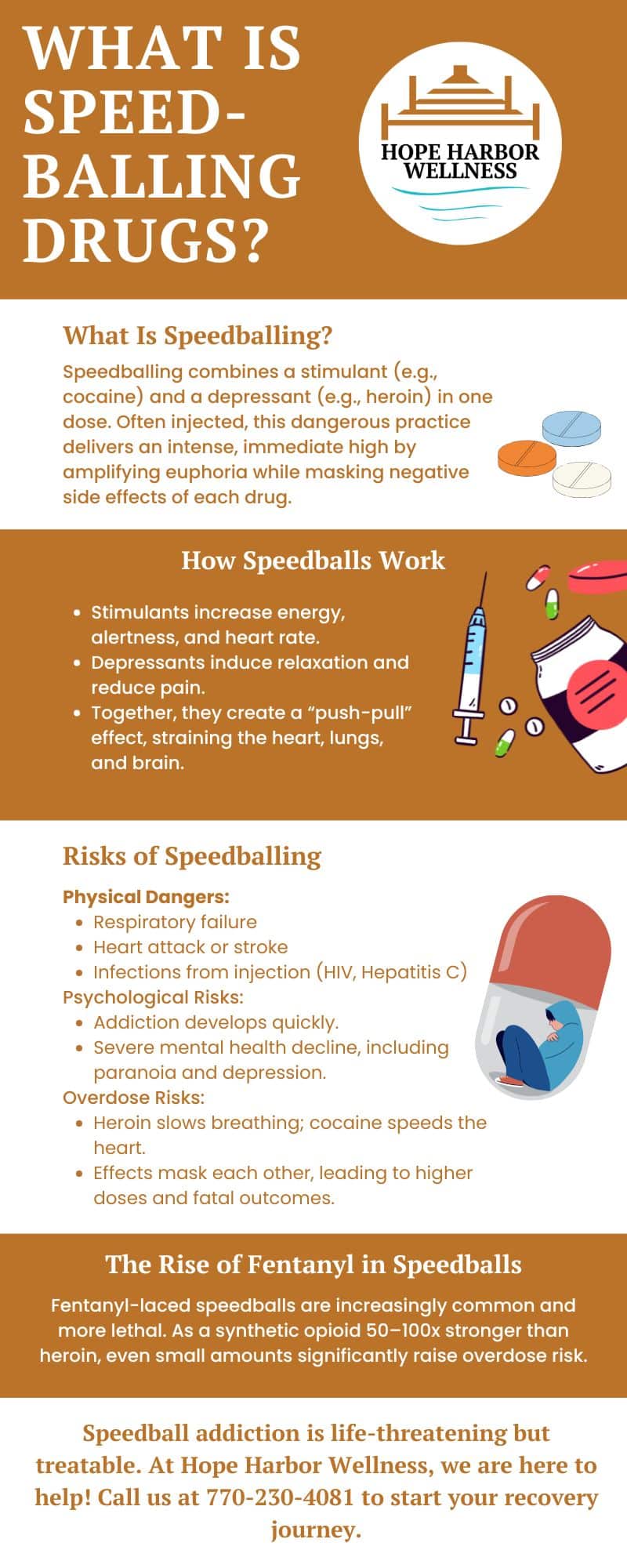
A speedball is generally any combination of a stimulant and an opioid. The “classic” speedball combines heroin and cocaine. While some individuals use this traditional combination, others substitute different drugs to achieve similar effects, including:
- Methamphetamine or amphetamine as the stimulant (often called “goofballs”).
- Opioid painkillers instead of heroin.
Most often, these drugs are mixed together and injected in one shot, delivering an intense and immediate high. According to the National Institute on Drug Abuse, people take speedballs to amplify euphoria while minimizing each drug’s negative side effects. In theory, the stimulant effects of cocaine can counter the sedative qualities of heroin, while the heroin may reduce the agitation from cocaine. In reality, however, the combination leads to a dangerous interaction with unpredictable results.
How Are Speedballs Used?
When alcohol isn’t part of the speedball mix, speedballing drugs are usually injected. Cocaine and heroin in powder form can be easily combined and dissolved into liquid form for injection. When tablet drugs like benzodiazepines or prescription opioids are used, they are typically crushed before dissolving.
Speedballs can also be snorted, although injection is more common as it creates a quicker, more intense high.
How Does a Speedball Work?
A speedball works by creating a “push-pull” effect from the stimulant and depressant combination. This effect delivers both an intense euphoria and rapid shifts in sensation that some find pleasurable.
Effects of Heroin or Other Opioids
Opioids like heroin produce effects such as:
- Euphoria
- Sleepiness
- Relaxation
- Pain relief
Effects of Cocaine or Other Stimulants
Stimulants like cocaine cause effects that can include:
- Increased alertness and energy
- A subjective boost to cognition
- Improved confidence
- Heightened libido
The euphoric effects from both drugs combine in a way that can encourage repeated use, which often leads to addiction. People may also use speedballs to counter each drug’s less desirable effects; for example, heroin’s sedative effects can make someone overly drowsy, while cocaine can act as a counterbalance to keep them awake. Unfortunately, despite its short-term appeal, speedballing introduces the health risks of each substance individually and adds unique dangers to the mix.

Effects of Speedballs
Speedballs can have varied effects from one person to another. On a neurochemical level, however, combining heroin and cocaine results in an especially strong reinforcing effect. This effect is tied to dopamine, a neurotransmitter related to pleasure and reward. Heroin triggers dopamine release, while cocaine causes dopamine levels to rise further by blocking its reuptake in the brain. This intense rush can compel users to inject speedballs repeatedly, making it easy to develop addiction and, in some cases, overdose.
How Dangerous Are Speedballs?
Speedballing carries the risks of using opioids and stimulants separately as well as new dangers from the combination.
Risks of Using Cocaine or Other Stimulants
Stimulants like cocaine are associated with:
- Irritability and agitation
- Elevated body temperature
- High blood pressure and heart rate
- Increased risk of paranoia and psychosis
- Movement disorders with long-term use
Risks of Using Heroin or Other Opioids
Opioids like heroin carry risks such as:
- Nausea and vomiting
- Constipation
- Severe itching
- Slowed cognitive function
- Slowed heart rate and respiratory depression
Even when taken alone, each drug carries an overdose risk. In speedballs, this risk is heightened due to how the stimulant may wear off before the opioid, which can lead to severe respiratory depression as the effects of the heroin linger.
Speedballing can also:
- Increase the risk of heart attack and stroke
- Raise the likelihood of a brain aneurysm
The preference for injection in speedballing also brings other risks, such as:
- Visible scars or “track marks”
- Abscesses and skin infections
- Collapsed veins
- Infectious diseases like HIV or Hepatitis C
Why Speedballing is Extremely Dangerous
When someone speedballs, the body is forced to process both heroin and cocaine simultaneously. Heroin’s sedative effects and cocaine’s stimulating effects can lead to extreme physical strain on the heart, lungs, and brain, significantly increasing the risk of overdose.
Here are some of the most common dangers associated with speedballing:
- Drowsiness
- Paranoia
- Blurred vision
- Confusion
- Incoherence
- Stupor
- Lack of sleep and mental impairment
- Uncontrollable muscle movements
- Manic episodes
- Extreme depression
Speedballing places significant stress on major organs, including the liver, heart, and lungs
In severe cases, the strain from this combination can lead to life-threatening outcomes, such as:
- Respiratory failure
- Heart attack
- Stroke
- Aneurysm
Risk of Respiratory Failure
One of the most significant dangers of speedballing is the risk of respiratory arrest. Heroin slows down breathing, while cocaine increases the body’s demand for oxygen. When cocaine’s effects wear off more quickly than heroin’s, the depressant effects of heroin become more pronounced. This can cause a dangerous lack of oxygen in the bloodstream, potentially leading to loss of consciousness or even death.
Factors Affecting the Risks of Speedballing
Mixing cocaine and heroin affects individuals differently, and several factors can influence a person’s experience with speedballing, including:
- Mental health: Existing mental health issues may increase the likelihood of adverse effects.
- Overall medical health: Individuals with pre-existing health conditions are at higher risk for complications.
- Environment: The setting and people around can impact how drugs affect someone.
- Purity and amount of drugs: Variations in drug potency and dosage can increase the risk of overdose and side effects.
Signs and Symptoms of Speedball Use
Recognizing signs of speedballing drugs in a loved one is critical for early intervention. Individuals using speedballs may show erratic behavior, extreme mood swings, or cycles of high energy followed by sudden drowsiness.
Physical signs include:
- Pupil changes (dilated or constricted)
- Irregular heart rate
- Difficulty breathing
The combination of stimulant and depressant can also lead to confusion, increased risk of overdose, and unpredictable health complications as the body processes conflicting effects.
Popularity of Speedballs
Despite the dangers, speedballs have become well-known in substance abuse communities for producing a unique, powerful euphoria. People inject this combination for the intense sensations created by mixing cocaine’s stimulation with heroin’s depressant effects. However, the risks—especially of overdose—are incredibly high.
Why Do People Combine Stimulants and Depressants for Speedballs?
The appeal of speedballing drugs lies in the unique combination of intense euphoria from both stimulants and depressants. Cocaine provides an energy boost, while heroin smooths out the jitteriness that stimulants like cocaine can create. Users often feel like they’ve balanced the best of both worlds, unaware of how dangerous it is. By masking each other’s effects, these drugs encourage higher consumption, which significantly raises overdose risk.
Long-Term Effects of Speedballs
For those who continue to inject speedballs, the long-term health effects can be devastating.
The following are some consequences of long-term speedball use:
- Chronic abscesses and tissue damage from injection use
- Bloodborne diseases such as HIV and Hepatitis C
- Inflammation in blood vessels that can cause dangerous clots
- Malnutrition and anorexia
- High risk of stroke or other ischemic damage
- GI issues such as ulcers and hemorrhaging
- Kidney and liver damage
- Inflammation in the heart muscle
- Cognitive impairments that affect memory and attention
Over time, these risks compound, with users potentially facing serious chronic conditions, addiction, and significantly shortened life expectancy.

Risk of Overdose
Mixing heroin and cocaine in a speedball increases the likelihood of overdose by creating contradictory effects that confuse the body’s systems. Heroin slows respiratory rate, while cocaine increases heart rate and blood pressure. This conflicting impact can easily lead to respiratory failure or cardiac arrest.
A particular danger is that each drug can mask the signs of an overdose from the other. This effect encourages users to take higher doses, pushing their bodies closer to the point of overdose without warning. This increases the likelihood of fatal outcomes such as respiratory failure, heart attack, or stroke, making speedballing an extremely high-risk practice.
Speedball Overdose Symptoms
Understanding the symptoms of a speedball overdose can save lives.
The symptoms of overdose vary based on the drugs in the speedball, but fatalities are often caused by:
- Respiratory failure
- Heart attack
- Aneurysm
- Stroke
If you suspect someone is experiencing a speedball overdose, it’s critical to seek emergency help immediately.
The Rise of Fentanyl Speedballs
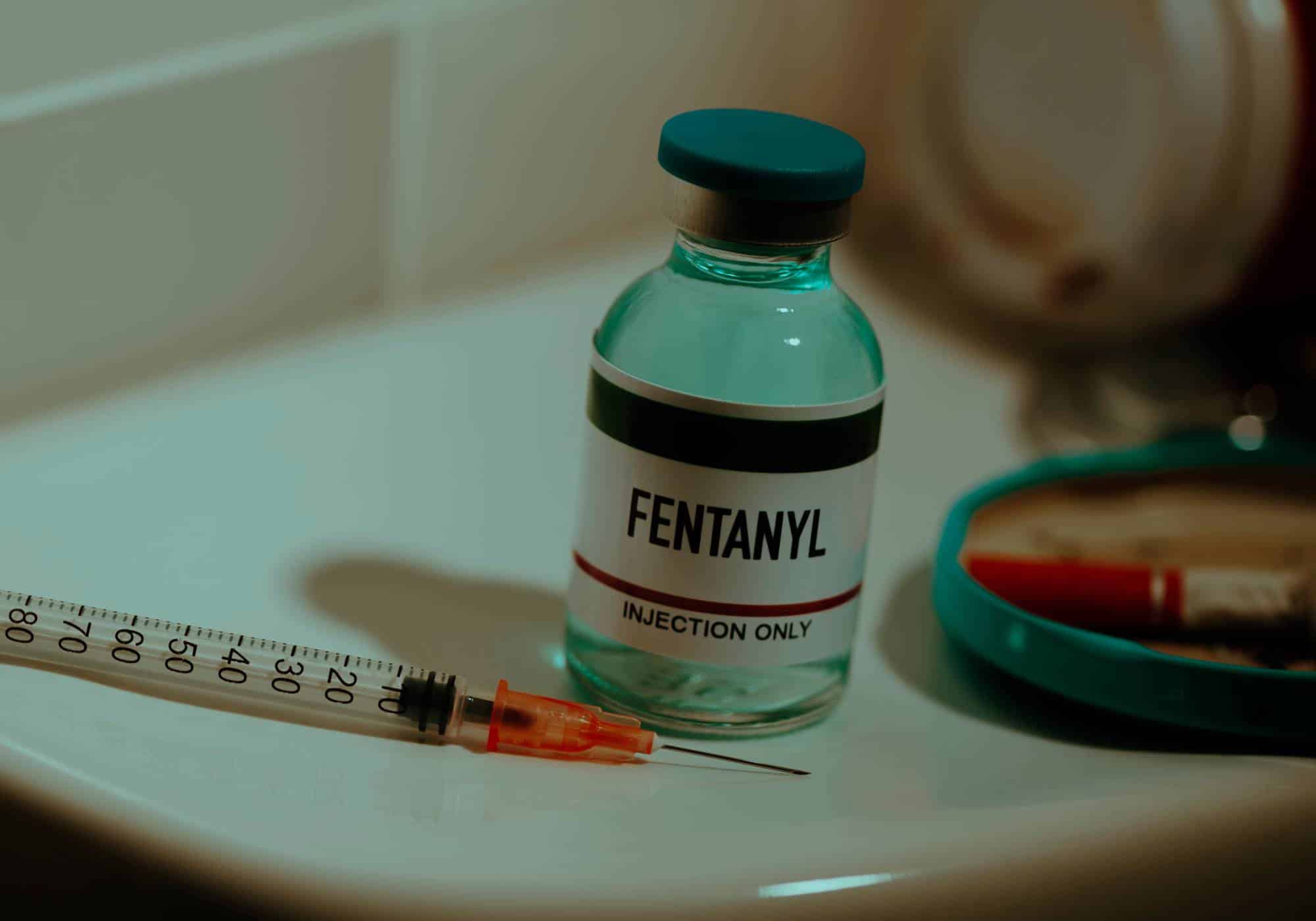
In recent years, fentanyl—a synthetic opioid far stronger than morphine—has been introduced into the speedball mix. Fentanyl speedballs increase lethality significantly, as fentanyl is about 50 to 100 times more potent than heroin. Fentanyl-laced speedballs are often sold without the buyer’s knowledge, which dramatically raises the risk of overdose and death.
Accidentally consuming fentanyl in a speedball is increasingly common, especially as fentanyl becomes more prevalent on the streets.
Treatment for Speedball Addiction in Atlanta, GA
Breaking free from an addiction to speedballs requires professional help. The combination of stimulants and opioids makes withdrawal symptoms severe and potentially dangerous, underscoring the importance of medical support.
At Hope Harbor Wellness, we provide comprehensive outpatient programs tailored to help individuals recover from speedball addiction and regain control of their lives.
Our services include:
- Medical Detox: Supervised detox to manage the physical effects of withdrawal.
- Individual and Group Therapy: Counseling to address the root causes of addiction.
- Medication-Assisted Treatment: Prescription medications that can help manage cravings and prevent relapse.
- Family Support Programs: Resources for loved ones, helping families heal together.
- Aftercare Planning: Ongoing support to help individuals maintain sobriety after treatment.
If you or someone you know is struggling with addiction to speedballing drugs, Hope Harbor Wellness can help. Take the first step toward recovery today. Contact Hope Harbor Wellness at 770-573-9546 or fill out our online contact form to learn more about our treatment options. Our team is here to support you on the journey to recovery.