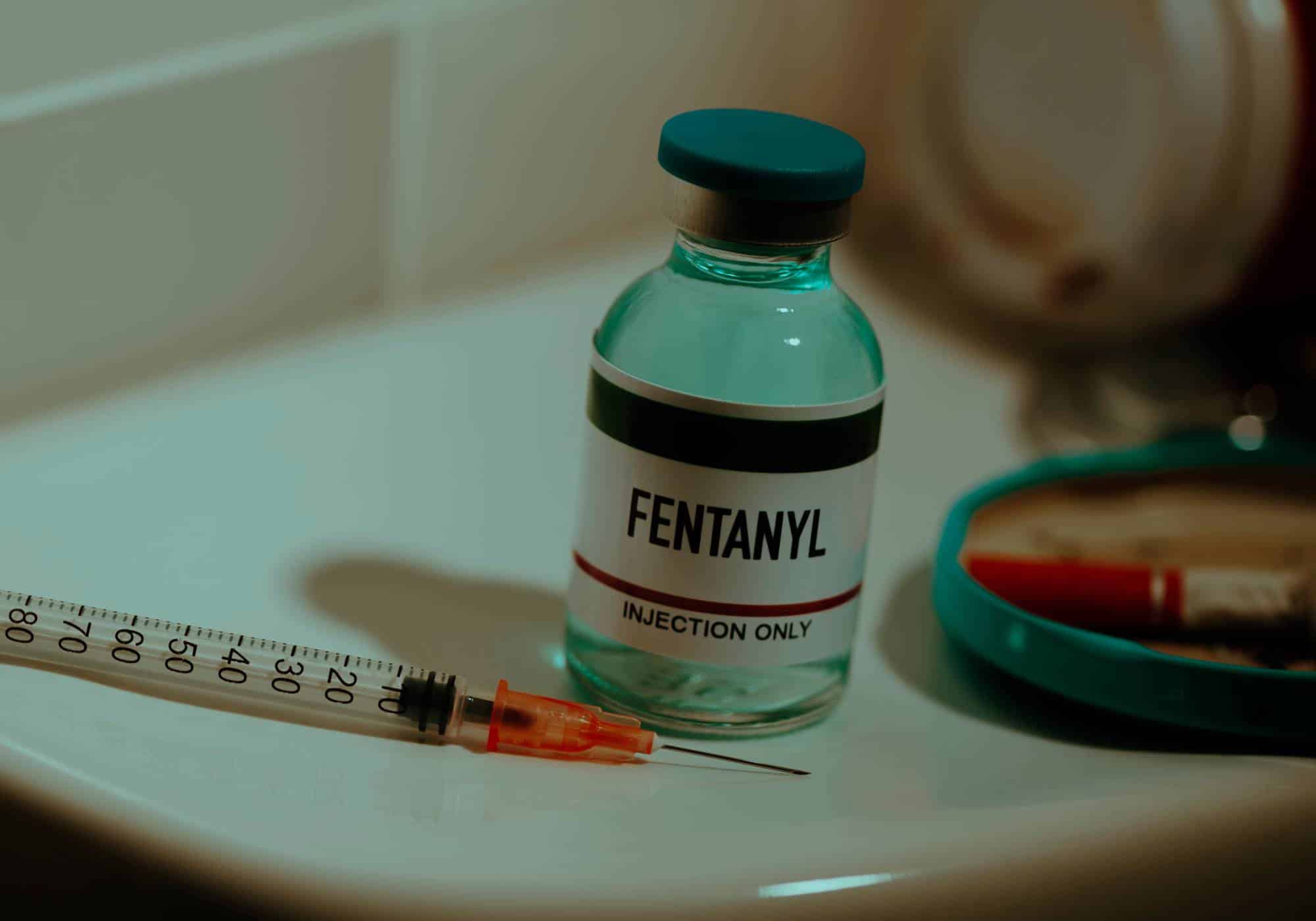

Fentanyl is 50 to 100 times more potent than morphine by weight. A lethal dose is measured in micrograms — amounts invisible to the naked eye. Illicit fentanyl — unlike pharmaceutical fentanyl — has no consistent concentration, no quality control, and no reliable dosing. Snorting any amount of illicit fentanyl is an event whose outcome you cannot predict from the outside of the package. This is not rhetorical. It is pharmacology. This page covers the specific overdose risk of nasal fentanyl, what overdose looks like, what to do, and how to access treatment.
Snorting fentanyl is an emergency-level risk. Treatment should start as fast as possible.
Hope Harbor Wellness offers opioid addiction treatment, medication-assisted treatment, and fast access to drug detox in Hiram for adults 18+.
Why Snorting Fentanyl Is More Dangerous Than Snorting Other Opioids
The nasal mucosa absorbs fentanyl rapidly — within 5 to 15 minutes, peak effect for pharmaceutical intranasal fentanyl occurs. This rapid absorption rate means that respiratory depression — the mechanism by which opioid overdose kills — begins quickly and progresses quickly. The window between “I am high” and “I am overdosing” is much shorter with fentanyl than with heroin or prescription opioids. Users who have experience with other opioids frequently misunderstand this — their experience of managing the onset of heroin or oxycodone intoxication does not transfer to fentanyl.
But the more significant issue with illicit fentanyl is dose unpredictability. Illicit fentanyl — and its analogs, including carfentanil, which is 100 times more potent than fentanyl itself — is not distributed at consistent concentrations. The same supplier, the same batch, can produce powder with wildly varying fentanyl content from one package to the next due to imprecise cutting. “Hot spots” — localized concentrations of fentanyl within a single package — produce fatal doses in lines drawn from the same supply that other lines from the same supply did not produce. This is documented in forensic toxicology and has been described by survivors as: “my friend died from the same bag I was using.”
How Fentanyl Overdose Looks — For Bystanders
Fentanyl overdose produces the classic opioid overdose triad: pinpoint pupils (very small, even in low light), unconsciousness or unresponsiveness to stimulation, and slow or absent breathing. Because fentanyl onset is rapid, overdose can occur within minutes of insufflation — the person may collapse before finishing the line. Gurgling or rattling breathing (the “death rattle”) indicates partial airway obstruction. No visible chest movement means breathing has stopped. Do not wait for all three signs. Unresponsiveness plus slow breathing in any opioid context is enough to act.
Narcan and Fentanyl — Multiple Doses Are Often Needed
Standard Narcan (4mg nasal spray) may not be sufficient to reverse high-potency fentanyl or fentanyl analog overdose. Use the first dose, wait 2 to 3 minutes, and administer a second dose if there is no response. Continue additional doses if available. Emergency services should be called regardless of apparent Narcan response — fentanyl outlasts naloxone, and re-sedation after apparent recovery is a documented cause of post-reversal death.
Free Narcan is available at most Georgia pharmacies without a prescription, through the Georgia Harm Reduction Coalition (georgiaharmreduction.org), and via 211 Georgia. If you or someone you know uses fentanyl or any illicit opioid, having Narcan available is not optional. It is the difference between a recoverable and an unrecoverable situation.
Fentanyl Use Disorder — Same-Day Suboxone Available
Fentanyl use disorder (opioid use disorder involving fentanyl as the primary substance) is treated with buprenorphine (Suboxone) and/or naltrexone (Vivitrol), plus behavioral programming in PHP or IOP. The induction timing for buprenorphine after fentanyl use differs from short-acting opioids — fentanyl’s variable pharmacokinetics mean the induction window can be less predictable. Extended COWS monitoring before induction and careful dose titration are standard. Call 770-573-9546 — we guide fentanyl-specific induction timing based on your last use, route, and current withdrawal status.
If You or Someone You Love Is Struggling to Stop Using Fentanyl or Opioids
Same-day assessment is available at Hope Harbor Wellness in Hiram, GA. PHP, IOP, Suboxone, and Dual Diagnosis treatment for adults 18+ with commercial insurance. The people reading this page are one step from needing help. That step is a phone call.