

“Can you drink alcohol on Zoloft?” is a common question among those prescribed this antidepressant. While it might seem harmless to enjoy a drink occasionally, combining Zoloft and alcohol can lead to serious health risks. This comprehensive guide will delve into the interactions between alcohol and Zoloft, the potential dangers, and why it’s essential to avoid mixing the two. If you or a loved one is struggling with alcohol addiction or a mental health disorder, seeking help is a critical first step toward recovery.
Is It Safe to Mix Zoloft and Alcohol?
In short: No, it is not safe to mix Zoloft with alcohol. Zoloft, known generically as sertraline, is a selective serotonin reuptake inhibitor (SSRI) used to treat various mental health conditions. Combining it with alcohol can create dangerous and even life-threatening complications, such as over-sedation, serotonin syndrome, and an increased risk of suicidal behaviors.
While some individuals might consume small amounts of alcohol without immediate adverse effects, doctors generally advise against drinking alcohol while taking any antidepressants, including Zoloft. Each person metabolizes alcohol and medications differently, making it impossible to predict who might experience severe side effects. If you decide to drink while on Zoloft, do so with extreme caution and discontinue alcohol use if any negative reactions occur.
How Does Zoloft Work?
Zoloft (sertraline) is a prescription medication categorized as an SSRI. SSRIs function by altering the reabsorption of serotonin, a neurotransmitter in the brain responsible for mood regulation. By blocking serotonin from being reabsorbed back into nerve cells, Zoloft increases the availability of serotonin, which can help improve mood and reduce symptoms of depression.
This process often takes several weeks to become effective as serotonin levels gradually build up.
Zoloft is commonly prescribed to treat mental health disorders such as:
- Depression
- Post-Traumatic Stress Disorder (PTSD)
- Obsessive-Compulsive Disorder (OCD)
- Premenstrual Dysphoric Disorder (PMDD)
By balancing serotonin levels, Zoloft can effectively counteract chronic serotonin depletion associated with these conditions.
Can You Drink on Zoloft?
It’s recommended that anyone taking an SSRI like Zoloft avoids alcohol consumption. Alcohol is a central nervous system depressant, and mixing it with Zoloft can lead to intensified side effects, impaired brain function, and other risks.
Combining alcohol with Zoloft can result in:
- Intense sedation
- Irregular heart rate
- Impaired coordination
- Increased risk of accidents
If you’re taking Zoloft or any other prescription drug, consult your healthcare provider before consuming alcohol to avoid serious side effects.
How Long After Taking Zoloft Can You Drink Alcohol?
You should avoid drinking alcohol for at least 24 hours after your last dose of Zoloft unless your healthcare provider gives you specific clearance to do so. Since certain co-occurring disorders, including depression, may put you at an increased risk of developing an alcohol use disorder, it’s crucial to discuss any challenges with abstaining from alcohol with your doctor.
Why Do People Mix Alcohol with Zoloft?
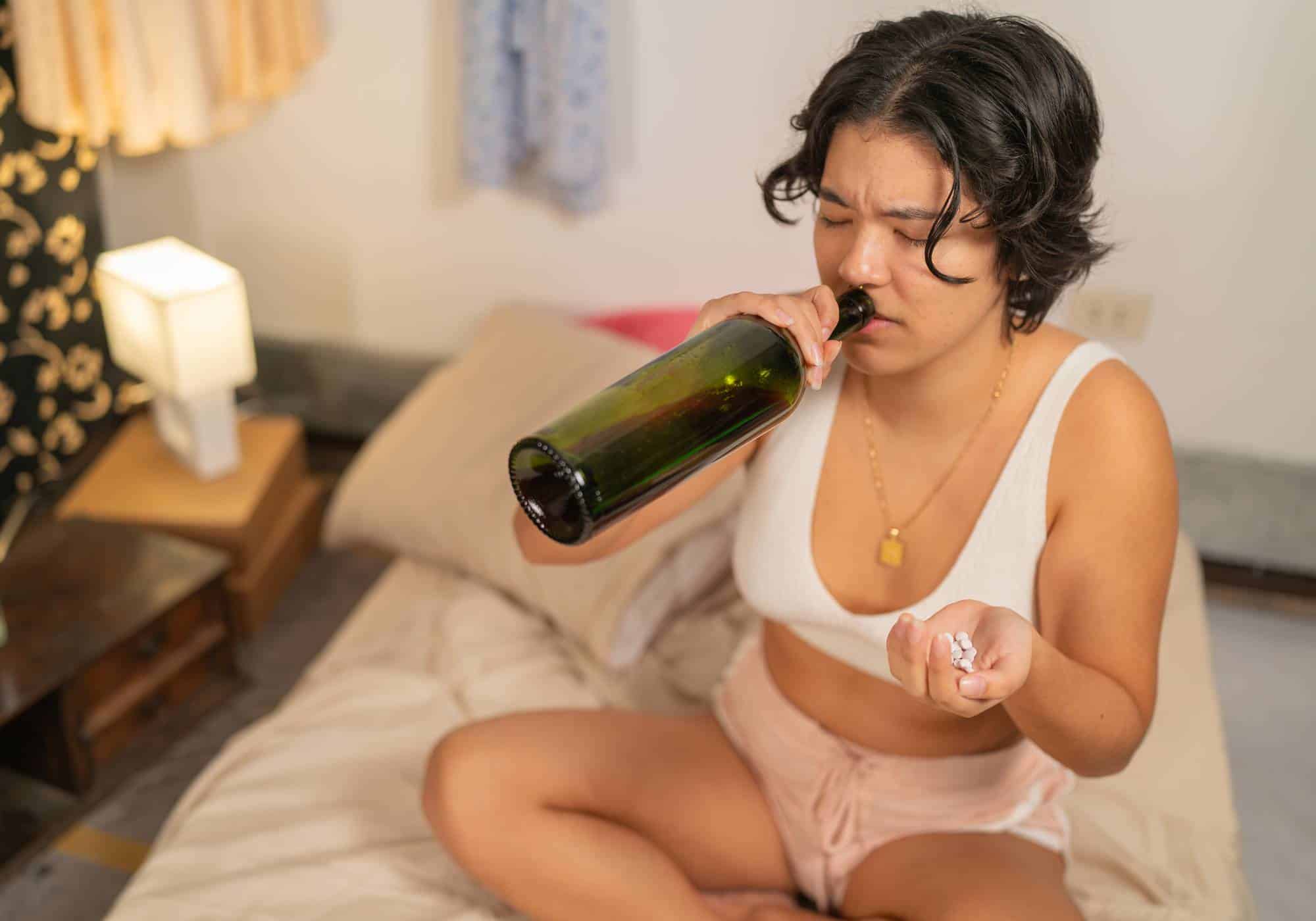
Some individuals might mix alcohol with Zoloft to self-medicate or to enhance mood-lifting effects. According to a study shared by the National Institutes of Health (NIH), men with clinical depression drank more when not on SSRIs than those without depression who were taking antidepressants. While Zoloft provides a serotonin boost similar to alcohol, some may continue drinking to avoid “coming down” from Zoloft and re-experiencing depressive symptoms.
In other cases, people may misuse Zoloft without a prescription and combine it with alcohol to prolong mood elevation. However, this practice is dangerous and can lead to severe health complications.
The Connection Between Depression and Alcohol
Mental health professionals advise against drinking alcohol if you struggle with depression, even if you’re not on prescription medication. Alcohol is a depressant that affects the central nervous system, interfering with brain receptors and suppressing neurological signals. While it may temporarily ease symptoms of depression, alcohol significantly worsens these symptoms over time, leading to a downward spiral.
Many individuals diagnosed with conditions like depression, PTSD, or anxiety disorders may develop an alcohol use disorder due to self-medicating and building a dependency.
Heavy drinking can exacerbate symptoms of depression, such as:
- Irritability
- Fatigue
- Nausea
- Restlessness
- Insomnia
- Anxiety
- Loss of appetite or weight fluctuations
- Negative thoughts
Fortunately, there are effective treatment programs available for overcoming substance use disorders, including therapy, medications, and support groups. If you’re concerned about alcohol addiction, consider seeking professional help.
Zoloft and Alcohol Interactions
The interaction between Zoloft and alcohol is complex and warrants careful consideration.
Here are some key points to understand:
Amplification of Side Effects
Both Zoloft and alcohol can independently cause drowsiness, dizziness, and impaired coordination. When combined, these effects intensify, significantly increasing the risk of accidents and falls.
Reduced Medication Efficacy
Alcohol can compromise Zoloft’s effectiveness in treating depression and anxiety. It may hinder the medication’s ability to regulate serotonin levels, limiting therapeutic benefits.
Increased Depressive Symptoms
As a central nervous system depressant, alcohol can worsen depressive symptoms like sadness, hopelessness, and lethargy, counteracting Zoloft’s positive effects.
Risk of Serotonin Syndrome
Both substances influence serotonin levels. Combining them increases the risk of serotonin syndrome, a rare but serious condition characterized by symptoms such as confusion, rapid heart rate, high blood pressure, fever, and seizures.
Individual Variability
The impact of mixing Zoloft with alcohol varies among individuals due to factors like dosage, quantity of alcohol consumed, and personal metabolism.
Risk of Alcohol Dependency
Those with depression may be more vulnerable to alcohol misuse as a form of self-medication. Combining Zoloft and alcohol can increase the risk of developing alcohol dependency.
Increased Sedation
Alcohol can amplify Zoloft’s sedative effects, leading to excessive drowsiness and difficulty staying awake, which is dangerous when performing activities that require alertness, such as driving.
Healthcare providers generally advise individuals taking Zoloft to avoid alcohol altogether. Prioritizing mental health and adhering to prescribed treatment plans is crucial. If you have concerns about alcohol use while on Zoloft, discuss them openly with your healthcare provider to explore alternative coping strategies.
Why Is It Dangerous to Mix Zoloft with Alcohol?
Zoloft works by increasing serotonin levels in the brain. Since alcohol has been shown to also affect serotonin levels, mixing the two can lead to severe and unwanted side effects. Too much serotonin can result in serotonin syndrome, which can range from mild symptoms to severe health complications, including death.
Additionally, mixing alcohol with Zoloft impairs reasoning and judgment, potentially leading to excessive drinking and increasing the risk of alcohol poisoning.
Other dangers include:
- Intensified side effects
- Increased risk of accidents due to impaired coordination
- Worsening depressive symptoms
- Potential development of alcohol dependency
What Can Happen if You Drink on Zoloft?
The Food and Drug Administration (FDA) warns that those taking Zoloft should avoid alcohol.
Combining the Zoloft with alcohol can cause:
- Drowsiness
- Slowed reaction time
- Increased risk of accidents
- Engaging in risky behaviors, such as unprotected sex
Additional side effects may include:
- Nausea and vomiting
- Constipation or diarrhea
- Insomnia
- Dry mouth
- Loss of appetite
- Fainting or lightheadedness
- Weight changes
- Fatigue
- Nervousness
- Headaches
- Trembling
- Changes in sex drive
- Excessive sweating
What Are the Symptoms from Drinking Alcohol with Zoloft?
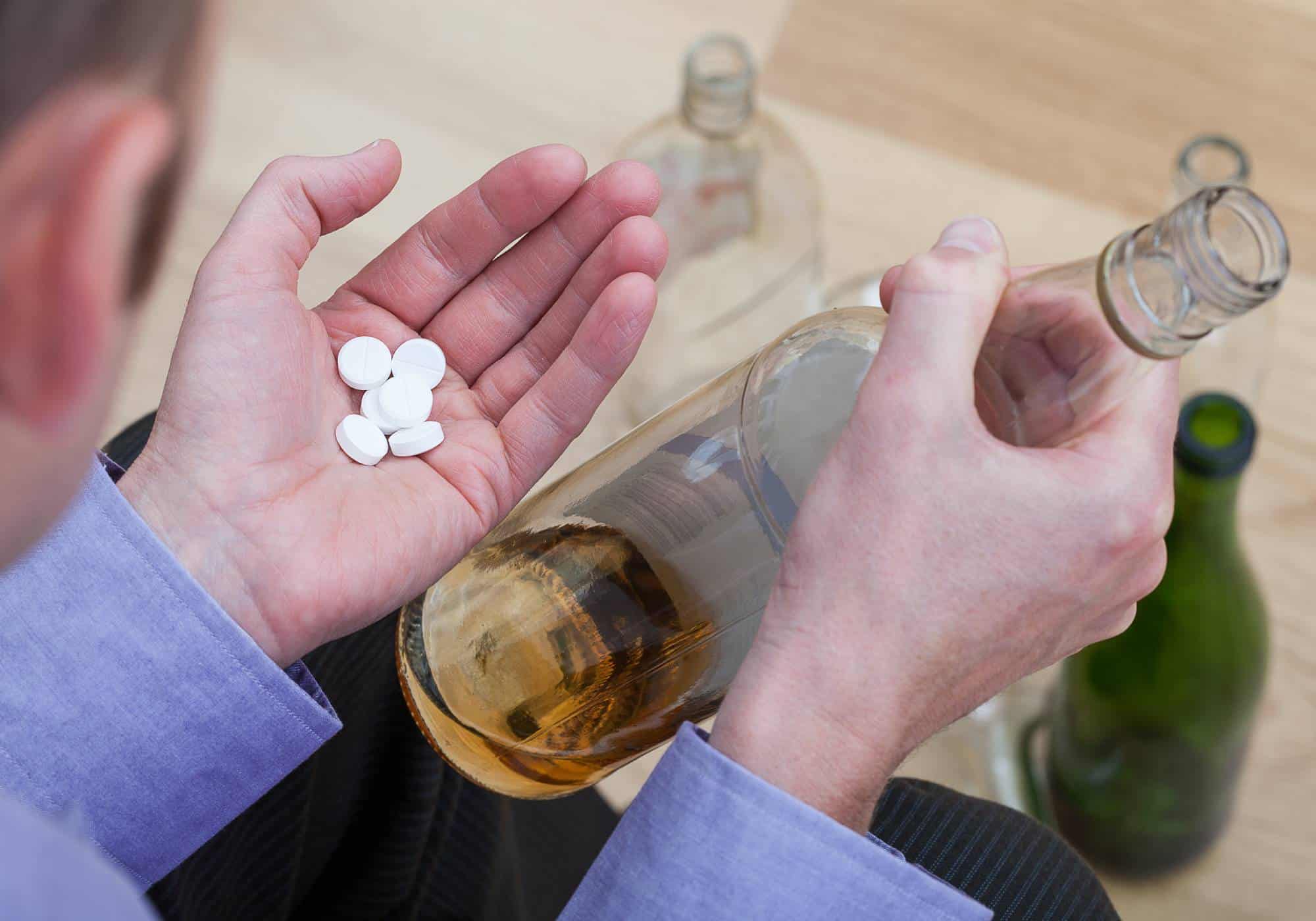
Drinking alcohol while taking Zoloft may worsen symptoms of depression since alcohol can counteract the effects of antidepressants. You may feel that your prescribed medication isn’t working, leading to untreated depression.
Signs that someone may be experiencing negative effects from mixing alcohol with Zoloft include:
- Social isolation
- Deterioration of physical appearance
- Financial problems
- Lack of motivation
- Changes in speech or personality
If you suspect someone is developing a substance use disorder or trying to self-medicate for other health problems, reach out to a treatment center for help.
Alcohol’s Effects on Depression
Alcohol and depression have a complex relationship. While alcohol might provide temporary relief from depressive symptoms, its overall impact is detrimental.
Key considerations include:
- Temporary Relief: Alcohol may initially produce feelings of relaxation, but these are short-lived.
- Depressive Cycle: As effects wear off, depressive symptoms often intensify, creating a vicious cycle of increased alcohol consumption.
- Alcohol as a Depressant: It slows down brain activity, exacerbating symptoms like sadness and impaired cognitive function.
- Sleep Disruption: Alcohol can lead to poor sleep quality, closely linked to worsening depression.
- Increased Risk: Alcohol use can heighten the risk of suicidal thoughts and behaviors.
- Interaction with Medications: Alcohol can interfere with antidepressants like Zoloft, reducing effectiveness and causing adverse side effects.
It’s imperative for individuals with depression to seek professional help and adopt healthier coping strategies that do not involve alcohol.
Alcohol and Zoloft Addiction Treatment in Atlanta, GA
If Zoloft or alcohol addiction is affecting you or someone close to you, obtaining expert assistance promptly is crucial. Withdrawing from alcohol can pose severe health threats, emphasizing the importance of professional medical intervention. Hope Harbor Wellness offers comprehensive outpatient alcohol treatment in Hiram, GA, and can help you today.
Why Choose Hope Harbor Wellness?
- Expert Assessment: We provide honest evaluations to develop personalized paths to sobriety.
- Specialized Programs: Our treatment center specializes in Alcohol Use Disorder and co-occurring mental health conditions.
- Compassionate Care: Our dedicated team offers support throughout the recovery journey.
- Customized Treatment Plans: We tailor our programs to meet your unique needs.
Alcohol addiction doesn’t have to be a lifelong burden. Recognizing the signs and seeking help early with Hope Harbor Wellness can significantly enhance your chance of successful recovery. Our expert team is dedicated to helping you overcome alcohol addiction and return to a healthy, fulfilling life.
Contact us 770-573-9546 or fill out our online contact form to learn more about our alcohol rehab programs in Atlanta, GA, tailored to your needs.