


Marijuana moon rocks—sometimes spelled moonrock weed—have become legendary among seasoned cannabis fans. A single nug combines a marijuana bud, sticky hash oil, and a dusting of potent kief, pushing THC levels sky‑high. While regular flower tops out around 30 percent THC, moon rocks can soar past 50 percent. That boosted strength delivers an experience some describe as “outer space.” Yet the same potency also raises big questions about safety, addiction, and long‑term health.
Below you’ll find a clear, easy‑to‑read breakdown of everything you need to know—how moon rocks are made, what they look like, how long the effects last, and what risks come with that bigger buzz. If you or someone you love struggles with marijuana use, Hope Harbor Wellness in Atlanta, GA, offers outpatient drug treatment that meets you where you are and helps you step back from high‑potency products like moon rocks.
Marijuana Moon Rocks Are Cannabis Buds Dipped in Hash Oil and Coated With Kief Crystals
Moon rock weed didn’t spring from a lab. The product emerged on the West Coast music scene when rapper Kurupt and partner Dr. Zodiak trademarked their line of “Moon Rocks” in the mid‑2010s. By marrying three forms of cannabis into one nugget, they created a product people still call “caviar with kief.” The name captured imaginations, and soon dispensaries across the country added moon rocks to their menus.
Because moon rocks pack marathon levels of THC, even long‑time users feel a stronger, longer‑lasting high. That draw keeps demand high—but it also highlights the need for honest conversations about dosage, tolerance, and addiction risk.
What Is Moon Rock Weed?
Moon rock weed is a cannabis bud drenched in potent hash oil and then rolled in loose kief.
Each layer adds more cannabinoids:
- Whole bud: Provides the structure and base THC.
- Hash oil: Concentrated oil clings to the bud, raising potency dramatically.
- Kief crystals: Fine trichome powder locks onto the oil, sealing even more THC and terpenes.
Typical flower ranges from 15 to 30 percent THC. Moon rocks routinely double that, testing at 50 percent or more. The result is a slow‑burning, resinous nugget that can overwhelm new users in just a few hits.
How Are Moonrocks Made?
- Select a dense cannabis flower—often an indica strain for its sedating body high.
- Warm thick hash oil (sometimes called “wax” or “shatter”) so it’s spreadable.
- Coat the bud entirely or drizzle oil evenly with a dropper.
- Roll the sticky bud in kief, ensuring every surface is covered.
- Let the nug dry so oil and kief fuse into a solid clump.
Some producers freeze the finished product to maintain its shape. Homemade batches follow the same steps, though potency varies depending on oil strength and kief quality.
What Do Moon Rocks Look Like?
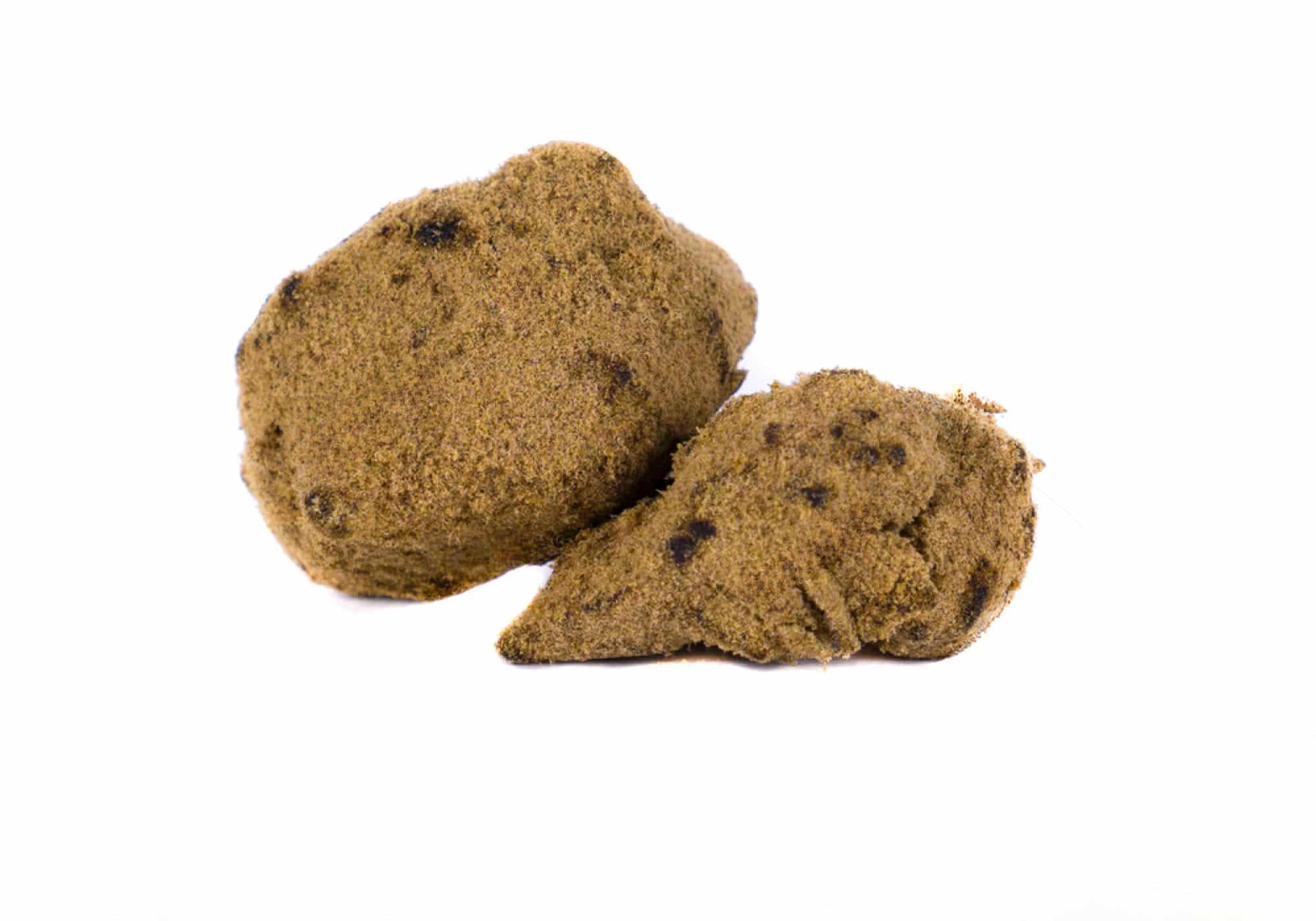
At first glance, moon rocks resemble mossy pebbles. The outer kief layer gives them a dusty, pale‑green hue with visible crystals. Break one open and you’ll see a dark, shiny interior where hash oil saturates the flower. Touching a moon rock leaves sticky resin on your fingertips—proof of concentrated cannabinoids inside.
Marijuana Moon Rocks Vs. Normal Weed
| Feature | Normal Weed | Marijuana Moon Rocks |
|---|---|---|
| THC range | 15 – 30 percent | 50 percent or higher |
| Layers | Single plant material | Bud + hash oil + kief |
| Appearance | Fluffy, leafy | Dense, crystal‑coated |
| Smoke texture | Burns evenly | Can bubble or sizzle |
| User experience | Moderate to strong high | Intense, long‑lasting high |
| Best for | Everyday users, newcomers | Experienced users with high tolerance |
The triple‑layer design explains the nickname “rocket fuel.” Even small bowls can produce hours of heavy euphoria—along with stronger side effects.
Moonrock Consumption Methods
Because moon rocks are dense and sticky, grinding them breaks the oil seal and wastes kief.
Instead, most people:
- Cut small chunks with a sharp blade and place them on top of ground herb in a pipe or bong.
- Use a glass bubbler to cool the thick smoke.
- Roll tiny pieces inside a hand‑rolled joint, though this can clog airflow.
- Vaporize at low heat for a cleaner taste and less throat burn.
- Add to edibles by decarboxylating moon rocks and infusing butter or oil, but dosing becomes tricky.
No matter the method, slow and steady wins. Start with a match‑head‑sized piece and wait at least 30 minutes before adding more.
How Long Do the Effects of Moonrocks Last?
Most users feel the first wave within five minutes. Peak effects hit around the 30‑minute mark and can linger three to five hours. Body heaviness, dry mouth, and impaired coordination may stretch well into the next day—especially if you indulge late at night. That hangover‑like fog is one reason some choose lower‑strength products.
How Long Does Moon Rock Weed Stay In Your System?
Because moon rocks drive THC blood levels higher than standard flower, detection windows can lengthen:
- Urine: Single use—two to seven days; regular use—30 days or more.
- Blood: Up to 12 hours, potentially longer with heavy doses.
- Saliva: About 24 hours.
- Hair: Up to 90 days.
Hydration, metabolism, body‑fat percentage, and frequency of use all influence these numbers.
Potential Health Benefits
High‑THC products can offer relief when managed carefully.
Users and researchers report several possible benefits:
Relaxation and Anxiety Relief
Low doses may quiet racing thoughts and lower short‑term stress. However, high doses can backfire, spiking anxiety in sensitive individuals.
Pain Relief
THC interacts with the body’s endocannabinoid system, sometimes easing nerve pain, migraines, or arthritis inflammation. Potent moon rocks might help people who feel no relief from weaker strains.
Appetite Enhancement
Cancer treatments and chronic illnesses often blunt hunger. The intense “munchies” moon rocks trigger can encourage calorie intake and support weight maintenance.
Sleep Aid
Indica‑heavy moon rocks deliver sedative effects after the initial euphoric lift. Many people use them to fall asleep faster and extend deep‑sleep phases.
Support for Neurological Conditions
Emerging evidence suggests high‑THC products may reduce muscle spasticity in multiple sclerosis or tame certain seizure disorders. More controlled studies are needed, but anecdotal reports remain promising.
Possible Risks and Side Effects
Power comes with a price. Moon rocks carry a higher chance of adverse reactions than regular flower.
Overconsumption and Extreme Psychoactivity
A single hit too many can launch users into overwhelming euphoria, nausea, or full‑blown hallucinations. Heart palpitations and high blood pressure often follow.
Slowed Cognitive and Motor Function
Problem‑solving, memory, and reaction time decline sharply at high THC levels. Driving or operating machinery while impaired puts lives at risk.
Other Physical Side Effects
Dry eyes, cotton mouth, dizziness, and rapid heartbeat remain common. For individuals with heart disease, even temporary spikes in blood pressure can be dangerous.
Mental Health Effects
Heavy THC can worsen anxiety or trigger paranoia, especially in people predisposed to panic disorders or psychosis.
The “Weed Hangover”
Morning‑after grogginess, headaches, and lethargy may appear—symptoms many describe as a cannabis hangover.
Heightened Tolerance and Dependence
Frequent moon rock use trains the brain to expect large THC doses, forcing users to consume more for the same high. Dependence can develop, bringing withdrawal symptoms like irritability, insomnia, and loss of appetite.
THC Overdose
Though not fatal, a THC overdose (sometimes called “greening out”) creates extreme discomfort—racing heart, cold sweats, intense fear, or vomiting.
What is “Greening Out”? (THC Overdose)
Causes and Symptoms
Greening out happens when THC floods cannabinoid receptors faster than the body can process. Moon rocks raise this risk. Signs include dizziness, tunnel vision, sweating, shaking, paranoia, and feeling unable to move.
What To Do If You Green Out
- Stay calm—remind yourself the effects will pass.
- Find a safe place to sit or lie down with fresh air.
- Sip water and nibble light snacks to balance blood sugar.
- Use black peppercorns—sniffing or chewing a few can counter THC’s intensity thanks to the terpene beta‑caryophyllene.
- Seek medical help if chest pain, severe vomiting, or chest‑tightening anxiety persists.
Begin Marijuana Addiction Treatment in Atlanta
Taking the first step toward recovery can feel intimidating—especially if high‑potency products like moon rocks have become part of your daily routine. Hope Harbor Wellness in Atlanta, GA, understands the unique challenges of modern cannabis use. Our outpatient drug treatment program considers your history, usage patterns, and any co‑occurring mental‑health concerns to craft a plan that fits your life.
Whether you need help reducing tolerance, managing anxiety, or breaking free from marijuana addiction altogether, our compassionate team stands ready to guide you. Don’t wait for moon rocks or any other cannabis product to control your story.
Reach out to Hope Harbor Wellness at 770-573-9546 or fill out our online contact form today and start building a healthier relationship with marijuana—one step at a time. Your fresh chapter begins now.
Moon Rock Weed FAQs
What is moon rock weed, and what is it made of?
Moon rocks are premium cannabis buds dipped in hash oil then rolled in potent kief (resin crystals). The triple-layer combo can top 50 percent THC—over twice the strength of typical dispensary flower.
How potent is moon rock weed compared to regular cannabis or marijuana?
Regular buds average 15–25 percent THC. Moon rocks can exceed 50 percent, delivering an extremely concentrated, slow-burning high that overwhelms inexperienced smokers.
What kind of high or effects can you expect from smoking moon rock weed?
Users report a heavy, couch-locking body stone, intense euphoria, and amplified sensory perception. Because potency is high, paranoia, dry mouth, and dizziness occur more easily, especially without prior tolerance.
Why do they call it moon rock weed – where did the name come from?
The sticky, resin-coated buds resemble lunar rocks and “blast” users into an out-of-this-world high, inspiring the nickname popularized by West-Coast hip-hop circles circa 2012.
Is moon rock weed legal to buy and use, or are there restrictions on it?
Legality mirrors state cannabis laws. In legal markets one can purchase moon rocks from licensed dispensaries if aged 21+. In prohibition states, possession remains illegal and penalties steep.