
If you or someone you love is searching for help through an outpatient drug rehab in Atlanta, you may already know how easy it is to overlook the risks of everyday medications. One such medication is promethazine—an antihistamine that quietly moved from pharmacy shelves to street slang and social media. This guide explains what the drug does, why people misuse it, and how Hope Harbor Wellness can help you break free.
What Is Promethazine Addiction?
Promethazine addiction develops when a person takes the drug for its sedative or euphoric effects rather than its medical purpose. Over time the brain craves those calming sensations, and the user feels compelled to keep dosing even when negative consequences pile up. Research in the Journal of Psychopharmacology found that more than half of reported misuse cases involved fatal outcomes—evidence that this problem is far from harmless.
What Is Promethazine?
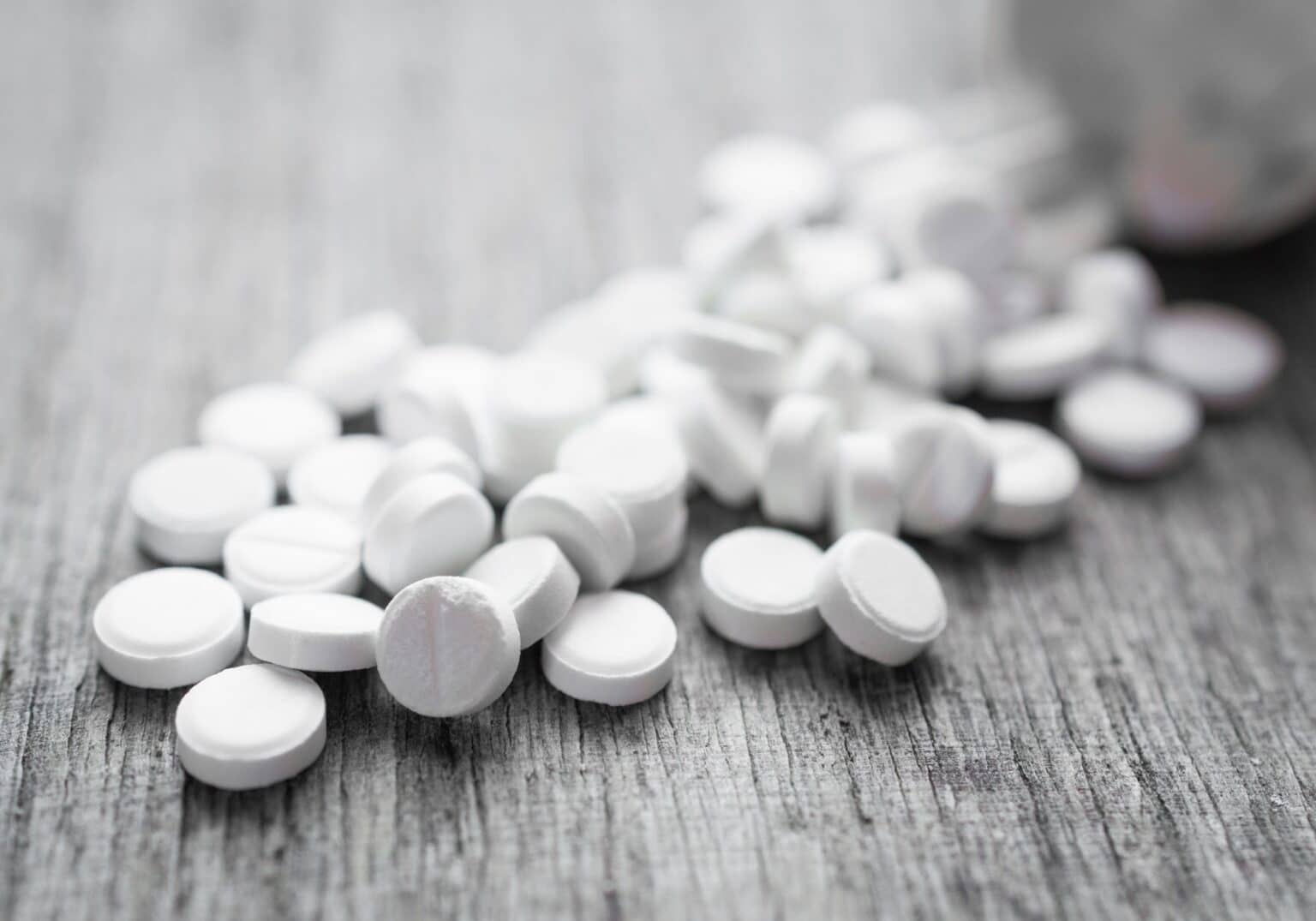
Promethazine hydrochloride is a first‑generation antihistamine in the phenothiazine family. Doctors prescribe it for itchy eyes, sneezing, nausea, or motion sickness. It comes as tablets, suppositories, injections, and—most infamously—syrups. Because it crosses the blood‑brain barrier, it causes drowsiness and can enhance the effects of other depressants.
What Is the Relationship of Promethazine With Codeine?
Many cough syrups mix promethazine with the opioid codeine to quiet severe coughs. The combination ramps up sedation and produces a fleeting high. Street names like “purple drank,” “lean,” or “sizzurp” refer to promethazine DM or promethazine DM cough syrup blended with soda and candy. Studies show that roughly 54 percent of misuse incidents involve opioids, underscoring how dangerous the duo can be.
What Are the Signs of Promethazine Addiction?
- Drowsiness that lasts all day
- Brain fog or confusion
- Slowed breathing, especially when mixed with alcohol or opioids
- Poor coordination—frequent falls, clumsy driving, or stumbling speech
- Risk‑taking to find more of the drug
Loved ones may notice secretive behavior, empty syrup bottles, or crushed tablets. Any of these clues point to a problem that needs professional attention.
What Is Promethazine Used For?
Doctors rely on promethazine to manage:
- Allergy symptoms
- Nausea and vomiting
- Pre‑surgery anxiety
- Short‑term insomnia
- Motion sickness
When taken exactly as directed, it eases discomfort without long‑term harm. Misuse changes that equation.
How Promethazine Works
During an allergic reaction, the body releases histamine, causing itching, redness, and swelling. Promethazine blocks histamine receptors, calming those symptoms. It also dampens signals in the brain’s vomiting center, which is why it helps with nausea. Because the drug slows neural activity, users feel relaxed—sometimes too relaxed to drive or operate machinery safely.
Promethazine Is Used for Conditions Like
- Seasonal or year‑round allergies
- Dizziness on planes, boats, or long car rides
- Coughs that linger after a cold
- Post‑operative pain when paired with certain opioids
- Short bursts of sleeplessness
Effects and Abuse
Blocking histamine affects more than just allergy pathways.
Misuse can trigger:
- Blood‑pressure swings
- Extreme sun sensitivity and skin rashes
- Jaundice
- Hallucinations
- Irregular heartbeat
- Blurred vision
- Nightmares or insomnia
- Organ stress
- Seizures
Many dangers intensify when the drug is paired with alcohol, benzodiazepines, or opioids.
Rise of Promethazine Abuse
Social media glamorizes “lean,” showing celebrities sipping bright‑colored drinks. Meanwhile, some people in methadone treatment report using promethazine to boost their opioid dose. One study found that a quarter of methadone patients also took promethazine, and only a fraction had legitimate prescriptions. Even after manufacturers discontinued certain codeine combos, illicit markets filled the gap.

Is Promethazine a Controlled Substance?
On its own, promethazine is not a federally controlled substance in the United States. However, products that mix it with codeine—such as promethazine DM syrup—fall under Schedule V because of their opioid content. Pharmacies track those combos closely, but counterfeit versions still circulate online and on the street.
Is Promethazine a Narcotic?
No. Promethazine is an antihistamine, not an opioid. That said, many ask, “Is promethazine DM the same as Robitussin DM?” They are not identical. Robitussin DM contains dextromethorphan and guaifenesin, while promethazine DM products add promethazine to codeine. Confusing the two could lead people to ingest opioids unknowingly.
What Substances Are Commonly Abused With Promethazine?
- Opioids such as codeine, oxycodone, or heroin
- Alcohol for a deeper sedative punch
- Benzodiazepines like Xanax or Valium
- Stimulants (less common) to chase a roller‑coaster high
Combining drugs magnifies side effects and makes overdose more likely.
Is Promethazine Addiction Common Among Opioid Addiction Patients?
Yes. People battling opioid use disorder often reach for promethazine to enhance euphoria or manage withdrawal cramps. Unfortunately, the blend slows breathing so dramatically that it can be fatal.
Can You Take Promethazine After Drinking Alcohol?
Mixing alcohol and promethazine—even hours apart—is risky. Both depress the central nervous system. Together they increase the chances of blackouts, falls, and life‑threatening respiratory failure.
Is It Dangerous to Take Promethazine With Recreational Drugs?
Absolutely. Stimulants like cocaine strain the heart. Layering sedatives like promethazine on top confuses the cardiovascular system. Users may swing from pounding hearts to dangerously slow breathing within minutes, a recipe for cardiac arrest.
Is Promethazine Safe in Pregnancy?
Promethazine holds an FDA Category C rating. That means animal studies revealed fetal harm, but human data remain limited. Physicians weigh benefits against risks and usually seek safer alternatives whenever possible.
Who Is at Risk of Promethazine Addiction?
- Teens and college students experimenting with “lean”
- People taking opioids for pain management
- Individuals with a history of substance misuse
- Patients in low‑oversight settings where leftover medication is easy to grab
- Anyone self‑medicating anxiety or insomnia without guidance
Can You Overdose on Promethazine?
Yes, and the results can be deadly.
Warning signs include:
- Difficulty urinating
- Racing heart followed by low blood pressure
- Severe drowsiness progressing to coma
- Hallucinations and agitation
- High fever or tremors
- Seizures
Prompt emergency care is vital. If opioids were also involved, naloxone (Narcan) may be needed to reverse respiratory depression.
What Are the Withdrawal Symptoms of Promethazine Addiction?
- Restless legs and muscle twitching
- Sleepless nights
- Nausea or vomiting
- Depressed mood
- Persistent headaches
- Powerful cravings
- Irritability or pacing
Symptoms usually peak in the first week but can linger without treatment.
How Long Does Promethazine Stay in Your System?
The drug’s half‑life ranges from 7 to 14 hours, yet trace amounts remain:
- Blood: up to 24 hours
- Saliva: up to 48 hours
- Urine: 2–3 days
- Hair: roughly 90 days
Metabolism, dosage, and frequency all affect detection times.

Promethazine Addiction Treatment
At Hope Harbor Wellness we tailor care to each individual, often starting with medical detox and extending into therapy and long‑term support—all from our outpatient drug rehab in Atlanta.
Medical Detoxification
In a supervised setting, clinicians taper medications to ease withdrawal, monitor vitals, and manage complications.
Medication‑Assisted Treatment (MAT)
If opioids also play a role, doctors may prescribe buprenorphine or methadone to stabilize brain chemistry.
Outpatient Treatment
Clients attend therapy sessions several times a week while living at home. Flexibility allows them to maintain work, school, and family duties.
Intensive Outpatient Treatment
This step increases weekly therapy hours and adds group counseling, offering more structure without overnight stays.
Partial Hospitalization Program
Participants spend most of the day at the center, engaging in therapy, skill‑building, and health education before returning home at night.
Behavioral Therapy
Cognitive‑behavioral therapy (CBT) helps clients see thought patterns that drive drug use. Contingency management rewards healthy choices, turning recovery into positive reinforcement.
Support Groups
Twelve‑step meetings, SMART Recovery, and peer‑led groups foster accountability. Hearing others’ stories reminds participants they are not alone.
Lifestyle Changes
Exercise, balanced meals, and sleep hygiene repair body systems strained by drug use. Mindfulness activities ease anxiety that might trigger relapse.
Aftercare Planning
A written plan outlines follow‑up appointments, relapse‑prevention strategies, and emergency contacts. Alumni events and booster sessions keep motivation high.
Get Help Today With Overcoming Promethazine Addiction
Promethazine addiction can feel like quicksand—each dose pulls a little harder. Yet thousands have regained control, and you can too. Hope Harbor Wellness offers evidence‑based care through our outpatient addiction treatment in Atlanta. Reach out today at 770-573-9546 or fill out our online contact form, and let’s build a safer, healthier future together.
Promethazine Addiction FAQs
Can promethazine cause addiction even though it’s an antihistamine?
On its own promethazine is not strongly addictive, but its sedative “relaxed” effect encourages misuse. When combined with codeine (lean), dependence and psychological cravings rise sharply.
Why do some people abuse promethazine, and what effects are they seeking from it?
Abusers chase drowsy euphoria, hallucination-like dream states, and enhanced alcohol or opioid highs. Mixing with soda and candy masks taste, turning it into a party drink.
What are common signs of promethazine addiction or misuse to watch for?
Frequent syrup bottles, lethargy, slurred speech, dilated pupils, doctor shopping, combining with codeine, and prioritizing the drug over responsibilities all signal misuse.
What are the risks and health dangers of long-term promethazine abuse?
Respiratory depression (especially with opioids), seizures, liver toxicity (due to acetaminophen in combo syrups), extreme sedation, memory loss, and fatal overdose.
How is promethazine addiction treated, and what steps can help someone quit safely?
Medical detox monitors breathing; gradual taper off codeine prevents withdrawal. CBT and 12-step groups address triggers. Inpatient or outpatient rehab plus relapse-prevention planning improves outcomes.
Is promethazine more addictive or dangerous when mixed with codeine in cough syrup (lean)?
Yes. Codeine converts to morphine in the body, creating opioid dependency. Promethazine intensifies sedation, raising overdose risk, especially with alcohol or benzodiazepines.