
Crank is a slang term for methamphetamine—a powerful stimulant used by millions of people. Also called speed or crystal meth, this drug’s addictive grip can lead to severe physical, mental, and social damage. Learning about crank’s effects, where it comes from, and how professional care can help may guide you or someone you love to a healthier future. This article offers insights on what makes crank so dangerous, discusses its many forms, and shows how outpatient addiction treatment in Atlanta, GA, can give you the support needed to break free.
Keep reading to understand crank’s chemical background, the health risks it creates, and the treatment steps that bring hope for lasting wellness. Whether you’re curious about “what is crank drug” or “what is cranked,” knowledge is the first step to overcoming a life overshadowed by substance abuse.
What is Crank?
Crank (sometimes just called meth) is a central nervous system stimulant that boosts dopamine in the brain. This chemical jolt creates an intense rush of energy and euphoria—often stronger and longer-lasting than other stimulants, like cocaine. Produced from a mix of chemicals, many of which are toxic or flammable, crank can pose serious risks well beyond the high. Despite its potential to cause permanent harm, many people get swept up in its short-lived rewards.
Crank might be sold in powder form, known as speed, or in crystallized chunks often labeled crystal meth. However it’s packaged, ingesting it can lead to overdose, physical harm, or severe addiction. Some might call it “what drug is crank” or “crank slang,” but it all refers to the same chemical hazard. No matter how a person uses crank—injecting, smoking, snorting, or swallowing—it remains dangerous.
Other Street Names for Crank
Crank goes by various nicknames depending on location, form, and user preferences. Though these slang terms differ, they all point to the same substance. Knowing these names can help you recognize when someone might be talking about crank or other forms of meth.
Common street names include:
- Crystal: Often the purer, crystallized variant of meth, also named crystal meth or ice.
- Speed: A general reference to the quick, energetic high crank provides.
- Tina: A less formal nickname used in certain regions.
- Chalk: Typically refers to the powdered form of meth.
- Shards: Describes the glass-like crystal structure.
- Shabu: Another street label often used worldwide, synonymous with crystal meth.
Whatever the name—speed, ice, chalk—it all describes variations of an unpredictable, dangerous drug that wreaks havoc on the body and mind.
Chemical Makeup of Crank
Crank is basically methamphetamine, a man-made stimulant primarily derived from pseudoephedrine. Pseudoephedrine, a decongestant found in many over-the-counter cold and allergy medicines, is extracted and then combined with hazardous materials like red phosphorus, lithium, and anhydrous ammonia to produce meth. These chemicals are often acquired illegally or stolen because they serve no legitimate purpose when mixed in this way.
The illicit production of crank usually happens in makeshift labs, where workers may handle flammable substances and release harmful fumes. Explosions are not uncommon, putting entire neighborhoods in danger. Even if the cooking process goes as planned, each batch’s quality and strength vary widely. Some might contain other dangerous agents, making them even more lethal. This uncertainty means no dose is ever “safe,” and people who use crank face a constant risk of overdose or poisoning.
What Does Crank Look Like?
Crank appears in a couple of forms, largely influenced by purity and production methods:
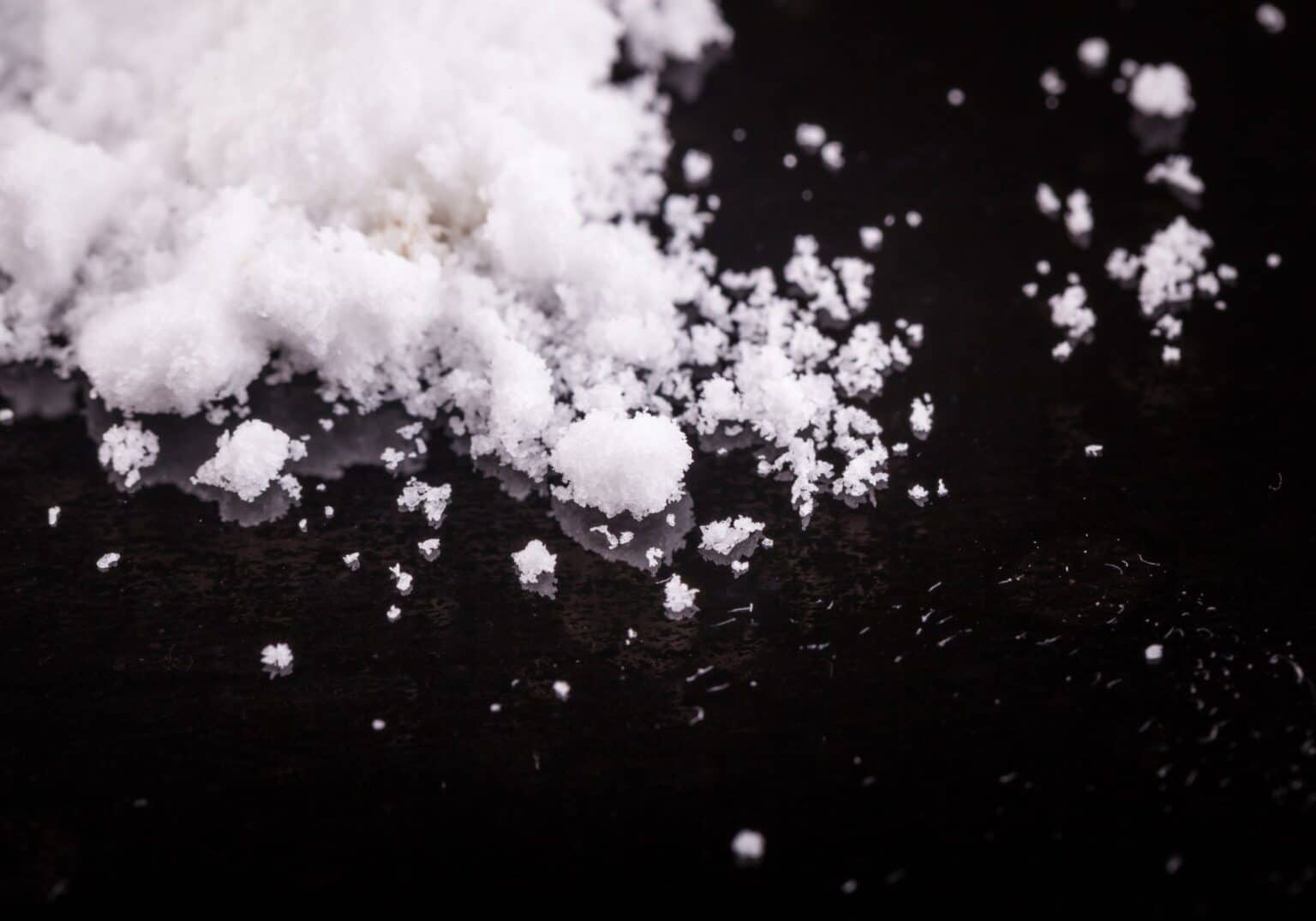
- Powder: Often white, but can also be yellow, brown, or pink due to contaminants. The powder is typically less refined, meaning it may contain extra chemicals that heighten toxicity.
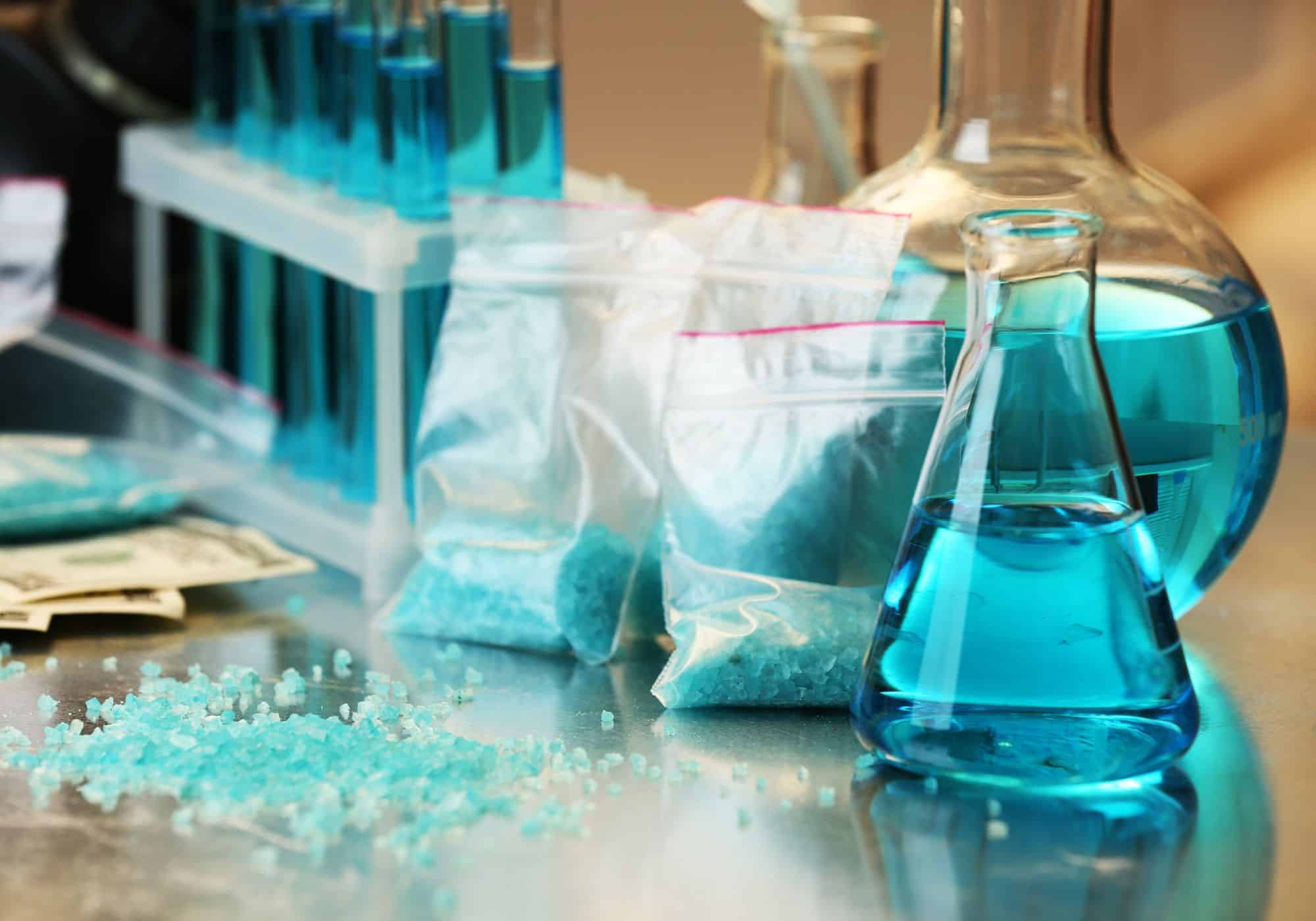
- Crystallized (Crystal Meth): Resembles bluish-white shards of glass or ice. This more refined version of meth often creates a sharper, faster high, which can boost the user’s addiction risk.
Regardless of form, crank can be smoked, snorted, injected, or swallowed. Each consumption method carries dangers like infection, respiratory damage, or collapsed veins. Physical harm can occur swiftly, especially for those who increase doses looking for stronger highs.
How Does Crank Affect You?
Crank’s immediate effect is often a jolt of euphoria and alertness, so people take it to feel more energetic or to curb their appetite. Some even chase weight loss, impressed by the sudden lack of hunger. But along with that burst of energy comes a series of damaging side effects.
In the short term, you might see:
- Elevated Heart Rate: Pumping faster, your heart experiences stress, and blood pressure climbs.
- High Blood Pressure (Hypertension): Continuous use strains arteries and organs.
- Reduced Appetite: Sustained lack of proper nutrition can harm overall health.
- Boost in Energy: Quick bursts of stamina that often lead to crashing afterward.
- Euphoria and Elevated Mood: A rush of positivity, swiftly replaced by agitation or despair once it fades.
Yet the high can also spark serious mood swings, anxiety, confusion, or paranoia. Violent behavior, hallucinations, and delusions aren’t rare. Heavy crank use may result in psychosis that blurs a person’s sense of reality. Physical dependence sets in fast, making it tough to stop without guided treatment.
The Negative Impacts of Crank on the Body
People who use crank habitually build tolerance, leading them to consume larger amounts. This cycle opens the door to more severe damage—both physical and psychological. Over time, the body and mind might rely on crank to function, complicating attempts to quit.
Some potential harmful outcomes include:
- Cardiovascular Strain: Blood vessel constriction, cardiac tissue damage, and a higher likelihood of heart attacks or strokes.
- Memory and Focus Issues: The stimulant can erode mental clarity, making tasks and decision-making more difficult.
- Respiratory Distress: Users risk pneumonia, fluid buildup in the lungs, or other breathing problems.
- Organ Damage: Meth-induced inflammation can stress the liver and kidneys, sometimes leading to long-term failure.
- Weak Immunity: Fighting infections becomes harder, and the risk of viruses like HIV or hepatitis grows, especially if needles are shared.
- Skin Problems: Repetitive picking or poor circulation leads to sores, scarring, and sometimes nasty infections.
- Dental Decay: Commonly referred to as “meth mouth,” with tooth loss and gum disease.
- Heightened Chance of Neurological Problems: Long-term meth use disrupts dopamine systems in the brain, possibly raising the risk of Parkinson’s disease.
Beyond these physical ailments, meth-induced psychosis can produce hallucinations, paranoia, and delusional thinking, intensifying challenges to mental health.
How Crank Is Made
Production of crank usually happens in hidden labs using over-the-counter meds containing pseudoephedrine. The pseudoephedrine is stripped from these products, then blended with hazardous substances such as lithium from batteries or anhydrous ammonia from farm supplies. Combining them can easily spark fires or explosions due to the volatile chemical reactions.
Workers face toxic fumes and high temperatures during cooking, and even small mistakes can be catastrophic. Anyone in the vicinity—neighbors, bystanders—can be affected by contamination or accidents. Once the process is complete, the final powder or crystal form might contain random byproducts that boost the danger. Unlike regulated medications, there’s no consistency or quality assurance, meaning each dose can differ drastically.
What Is the Difference Between Crank & Methamphetamine?
Crank and methamphetamine generally refer to the same base substance, but street culture has led to specific nuances:
- Crank: A typical term for powdery meth, often lower-quality or cut with other chemicals. Users might see the powder in various colors, reflecting the contaminants from the cooking process.
- Crystal Meth: The purer, crystallized form, commonly called ice. It appears as sharp, translucent shards and is renowned for producing a faster, more intense high.
Regardless of the name, both types are toxic stimulants that put people at risk for overdose, organ damage, mental health struggles, and long-term addiction.
Crank Withdrawal Symptoms
Once you’re physically or psychologically dependent on crank, withdrawal can set in if you attempt to quit or reduce use. These symptoms can be quite uncomfortable, driving many back to the drug. In a professional detox setting, medical staff can assist with stabilizing you through this stage.
Common withdrawal signs include:
- Muscle Spasms and Soreness: The body may react harshly once deprived of the stimulant.
- Dry Mouth and Dehydration: Frequent among those recently quitting.
- Extreme Fatigue and Headaches: The body is catching up on lost sleep and fighting chemical imbalances.
- Sleep Disturbances: Some might struggle to rest, while others may crash for extended periods.
- Strong Cravings and Anxiety: Psychological turmoil can make it hard to resist returning to use.
- Mood Swings and Depression: Without the artificial dopamine boost, emotional lows can be intense.
- Paranoia or Hallucinations: Lingering mental effects, especially after heavy or extended usage.
A structured environment for detox can help address these symptoms, make them more manageable, and reduce the likelihood of relapse.
Crank Addiction
Meth’s short-term rush, combined with its relatively easy availability, makes crank particularly addictive. Because it boosts dopamine so powerfully, users often chase that intense feeling again and again. Over time, the body comes to expect the drug, making it difficult to function without it.
Warning signs of addiction include:
- Repeated Failed Attempts to Quit: Trying to stop but always going back.
- Neglecting Responsibilities: School, work, or family obligations fall by the wayside.
- Excessive Cravings: The mind focuses heavily on obtaining and using crank.
- Increased Tolerance: Needing larger amounts for the same high.
- Continued Use Despite Problems: Legal troubles, financial strain, and health issues arise, yet use persists.
When these patterns emerge, professional intervention is crucial to avoid further spirals into severe health complications or legal consequences.

What Is Crank Addiction Treatment Like?
Recovery from crank typically begins with medical detox. This allows your body to flush out the drug safely while managing withdrawal symptoms under professional supervision. Afterward, you might move into a residential or outpatient program. Outpatient drug rehab in Atlanta, GA, can be effective if you have a supportive home environment or reside in a sober living setting. For those lacking a stable place, inpatient care might be more suitable.
During rehab, you may experience approaches like:
- Professional Guidance from Mental Health Experts: Counselors and therapists skilled in treating both substance abuse and co-occurring mental health conditions.
- Dual Diagnosis Treatment: A plan that addresses underlying disorders fueling drug misuse, whether that’s anxiety, depression, or PTSD.
- Customized Levels of Care: Options ranging from partial hospitalization to outpatient therapy, adapting to your progress and needs.
- Group Therapy: A supportive space to share challenges, successes, and strategies with peers going through similar struggles.
- Holistic Therapy: Techniques like yoga, art, music, or mindfulness that complement traditional talk therapy.
- 12-Step or Alternatives: Programs that foster peer support and accountability.
- Relapse Prevention Education: Learning to pinpoint triggers and handle stress without relying on crank.
Overall, the focus is on healing your body, mind, and relationships so that you can maintain sobriety long after treatment ends.
Crank Addiction Treatment in Atlanta, GA
Crank, often referred to as methamphetamine, is a potent stimulant that damages both body and mind. Its street names vary—crystal, speed, or Tina—but the dangers remain universal. By grasping what is crank, how it’s made, and the havoc it can bring, you can make a more informed decision about seeking support. From heart complications to heightened risk of infectious disease and mental health struggles, the path of crank addiction can be painful and destructive.
Yet there’s hope. Through professional guidance, therapy, and a network of support, you can break the cycle and discover a new start. Our outpatient drug rehab in Atlanta, GA, offers a flexible way to receive intensive treatment while continuing some aspects of day-to-day life. Holistic and evidence-based methods target the root causes of addiction, working to rebuild self-confidence, emotional balance, and future goals.
If you’re ready to escape the grip of crank, remember that recovery isn’t a single event. It’s a journey made of daily choices—choosing health over harm, relationships over isolation, and hope over despair. Let that journey begin today by reaching out at 770-573-9546 or fill out our online contact form for help, embracing the possibility of transformation, and stepping into a brighter tomorrow.
What Is Crank FAQs
What is crank in terms of drugs, and is it the same as methamphetamine?
Crank is street-made, powdered methamphetamine—often lower purity than crystalline “ice.” It’s usually snorted or injected rather than smoked.
Why do people call methamphetamine “crank” – what is the origin of this term?
Bikers allegedly hid homemade meth in motorcycle crankcases during cross-country runs in the 1960s, coining the slang “crank.”
What are the effects and dangers of using crank compared to other forms of meth?
Effects mirror meth: intense stimulation, euphoria, and insomnia. Impurities can cause severe headaches, vein damage, and toxic reactions. Overdose risks—stroke, heart attack, psychosis—remain high.
How is crank typically used or made, and why is it considered dangerous?
Illicit labs reduce pseudoephedrine with toxic chemicals (anhydrous ammonia, lithium). The resulting powder is snorted, swallowed, or injected—methods that speed dependence and infection.
Is crank still commonly found today, or has it been replaced by other drugs like crystal meth?
Crank circulation fell as high-purity Mexican crystal meth flooded the market, but rural areas still encounter the powdered form.
How does crank differ from crystal meth or “speed” in potency and effects?
Crystal meth (“ice”) is smoked, near-pure d-methamphetamine hydrochloride. Crank and speed are usually less refined powders with variable potency and more harsh contaminants.