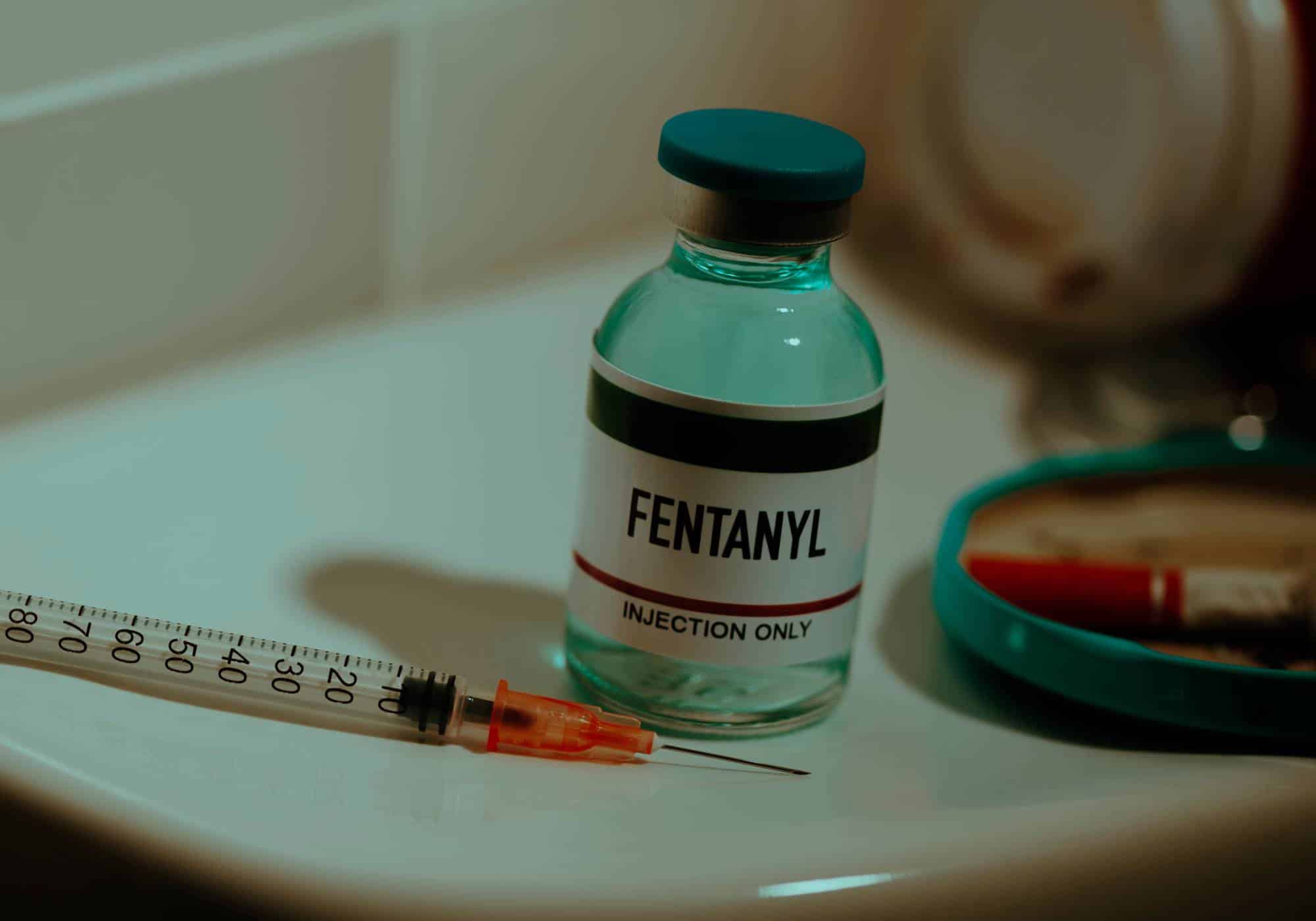
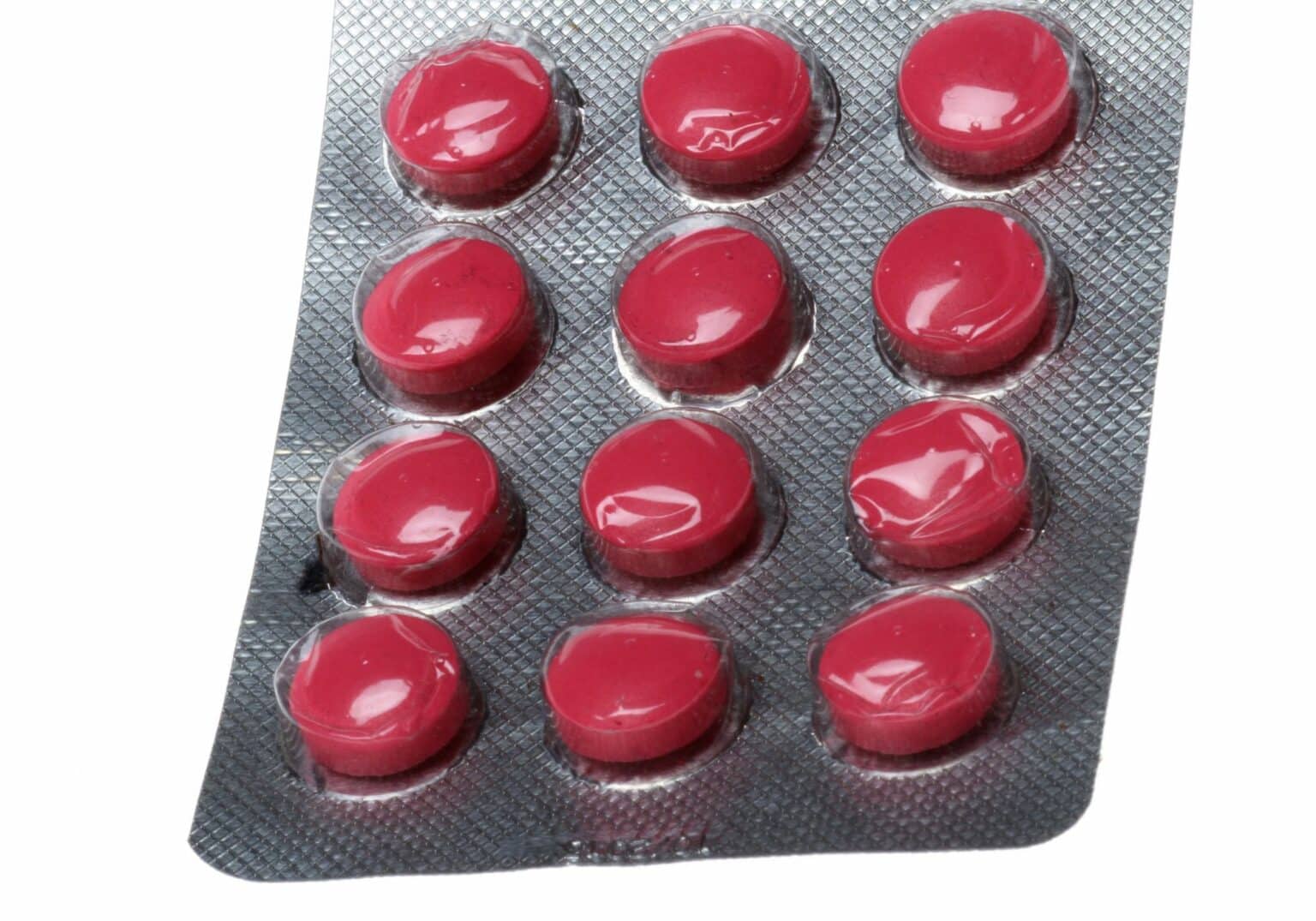

Pseudoephedrine sits in countless medicine cabinets, ready to ease the misery of a stuffy nose. Yet this familiar decongestant also fuels an alarming rise in stimulant misuse, home meth labs, and hidden dependence. Understanding how pseudoephedrine works, why it can become habit‑forming, and what side effects signal trouble is the first step toward safety. This in‑depth guide—created by Hope Harbor Wellness in Atlanta, GA—breaks down the science behind pseudoephedrine abuse, outlines practical ways to spot early red flags, and explains how outpatient drug treatment can restore balance without uprooting your entire life.
What Is Pseudoephedrine?
Pseudoephedrine is a sympathomimetic amine found in branded and generic cold remedies such as original‑formula Sudafed. By constricting blood vessels in nasal tissues, it shrinks swollen passages, letting mucus drain and air flow freely. Because the drug can also be converted into methamphetamine, Congress placed strict monthly purchase caps and moved all pseudoephedrine products behind pharmacy counters. Shoppers show ID and sign a registry, but no prescription is required in most states—leaving temptation within reach of anyone determined to misuse it.
How Is Pseudoephedrine Used?
When you swallow a pseudoephedrine tablet, it travels through the bloodstream to alpha‑adrenergic receptors in the nasal cavity. Within half an hour, pressure eases and breathing feels easier. A typical dose lasts four to six hours and leaves the body within two to three days. Healthcare providers sometimes pair pseudoephedrine with antihistamines or pain relievers to tackle multiple cold symptoms at once. Taken as directed, the medication proves both safe and effective. Problems arise when curiosity, peer pressure, or do‑it‑yourself meth recipes push users far beyond recommended guidelines.
Can Sudafed Be Habit‑Forming?
Yes. Pseudoephedrine’s chemical structure resembles amphetamine, meaning it can nudge the brain’s reward system.
Even therapeutic doses may temporarily:
-
Elevate heart rate and blood pressure
-
Lift mood and energy
-
Suppress appetite
-
Sharpen focus
Some individuals chase these stimulant effects to lose weight, cram for exams, pull night shifts, or power through workouts. Over time, the brain adapts, requiring larger amounts to produce the same buzz—classic tolerance that often precedes pseudoephedrine addiction. At higher doses, risks escalate sharply, including cardiac strain, insomnia, agitation, and progression to meth use.
Slang for Pseudoephedrine
Street dealers and illicit meth cooks use shorthand to disguise their trade.
Common nicknames include:
-
Chalk
-
Crank
-
Speed
-
Simply “meth” once pseudoephedrine is converted
Recognizing these terms helps parents, teachers, and peers decode risky conversations.
How Common is Pseudoephedrine Abuse and Addiction?
Federal purchase limits curbed some casual misuse, yet teens and young adults still experiment—especially when combining pills with alcohol. Stimulants mask alcohol’s sedating effects, prompting users to drink more and raising overdose odds. The larger epidemic involves meth production: thousands of clandestine labs continue to “cook” pseudoephedrine into smoky, crystalline meth despite tough regulations. The resulting drug drives emergency‑room visits, property crime, and chronic health crises nationwide.

What Are the Side Effects of Pseudoephedrine Abuse?
Short‑Term Reactions
- Sudden euphoria or “rush”
- Talkativeness and restless energy
- Tingling skin or flushed face
- Dilated pupils and dry mouth
- Irritability or quick temper
- Visual redness in the eyes
Long‑Term Consequences
- Extreme weight loss and nutritional deficits
- Chronic insomnia and daytime fatigue
- High blood pressure or irregular heartbeat
- Mounting tolerance, dependence, and cravings
- Damaged relationships or legal trouble related to drug seeking
While some symptoms fade after quitting, long‑term cardiovascular and mental‑health effects can linger without professional care.
What Are the Signs and Symptoms of Pseudoephedrine Addiction and Abuse?
Because pseudoephedrine products remain legal, misuse may slide under the radar.
Signs of pseudoephedrine abuse include:
- Buying large cold‑medicine quantities despite no illness
- Hiding pill bottles or pharmacy receipts
- Withdrawal from family dinners, sports, or favorite hobbies
- Rapid weight changes, skin breakouts, or neglected hygiene
- Sudden friendship shifts toward peers who also experiment with stimulants
- Secrecy about whereabouts or late‑night “errands”
When you notice several indicators together, start an honest, non‑judgmental conversation and encourage a medical evaluation.
Why Is Over‑the‑Counter Pseudoephedrine Banned From Store Shelves?
The 2006 Combat Methamphetamine Epidemic Act pushed pseudoephedrine behind the counter to thwart bulk purchases destined for meth labs.
Key points:
- Buyers must present photo ID and sign a purchase log.
- Monthly limit: nine grams—roughly three standard boxes.
- Pharmacies must store products securely and report suspicious sales.
Despite these hurdles, persistent “smurfers” visit multiple pharmacies or recruit friends to skirt limits, proving vigilance still matters.
Will Pseudoephedrine Show on a Drug Test?
Yes—standard urine screens can mistake pseudoephedrine for amphetamines, producing a false positive. When that happens, labs perform gas chromatography‑mass spectrometry (GC‑MS) to distinguish legal cold medicine from illicit stimulants. If you rely on pseudoephedrine for allergies or sinus infections, disclose this before any workplace or court‑ordered test to avoid misunderstandings.
How Long Does It Take Sudafed to Leave Your System?
- Onset of clearance: 3–16 hours after your last dose
- Complete elimination: 15–80 hours, depending on body chemistry
Healthy kidneys flush pseudoephedrine faster. Hydration and naturally acidic urine also speed the process. People with renal impairment may retain the drug longer, increasing adverse‑effect risk. Drinking plenty of water and following dosing instructions remain the safest strategies.
What Are Pseudoephedrine Withdrawal Symptoms?
Scientific data on pure pseudoephedrine withdrawal are limited, yet chronic users often report stimulant‑style crash symptoms:
- Heavy fatigue and excessive sleep
- Depressed or anxious mood
- Irritability and low motivation
- Strong hunger, especially for carbohydrates
- Vivid dreams or nightmares
- Nasal congestion rebound
- Cravings for more decongestant or stronger stimulants
Although not typically life‑threatening, these sensations can drive relapse without supportive counseling and medical oversight.
Signs of Overdose & Severe Side Effects
Taking more than the recommended dose—or combining pseudoephedrine with caffeine, nicotine, or other stimulants—can lead to overdose.
Warning signs include:
- Rapid, pounding heartbeat or chest pain
- Severe hypertension
- Dilated pupils and blurred vision
- Uncontrollable tremors or seizures
- Hallucinations, paranoia, or extreme agitation
- Red, blistering skin reactions
Dial 911 immediately if you suspect overdose. Individuals with diabetes, cardiovascular disease, hyperthyroidism, or pregnancy face higher risk and should consult a doctor before using any product containing pseudoephedrine.

Is Pseudoephedrine Detox Effective?
Because pseudoephedrine withdrawal typically lacks severe medical complications, many people attempt to quit cold turkey.
However, structured medical-detox provides:
- Close monitoring for blood‑pressure spikes or arrhythmias
- Nonaddictive medications to ease insomnia or anxiety
- Nutrition and hydration support while appetite stabilizes
- Emotional encouragement in a safe, judgment‑free setting
Detox alone is not treatment, but it lays the groundwork for deeper behavioral change in an outpatient or intensive outpatient program (IOP).
Help for Pseudoephedrine Abuse and Meth Addiction
Pseudoephedrine misuse often hides broader problems—stress, trauma, untreated anxiety, or depression. Some users escalate to meth for a stronger rush, quickly discovering how relentless that addiction becomes.
Hope Harbor Wellness offers Atlanta‑based outpatient solutions that respect your schedule while delivering powerful recovery tools:
- Comprehensive assessment: Pinpoint physical, mental, and social factors fueling drug use.
- Individual therapy: Use cognitive‑behavioral techniques to challenge cravings and negative thinking.
- Group sessions: Share experiences, build accountability, and practice communication without substances.
- Medication management: Address co‑occurring disorders with safe, evidence‑based prescriptions.
- Family education: Teach loved ones to support healing without enabling unhealthy habits.
- Relapse‑prevention planning: Identify triggers and craft step‑by‑step action plans for high‑risk moments.
By attending therapy three to five days per week and applying new skills at home, work, or school, clients regain confidence and forge a balanced lifestyle.
Pseudoephedrine abuse may start as cold‑medicine convenience, but it can end in serious side effects, financial strain, and heartbreaking isolation. If you—or someone you care about—recognize the warning signs, compassionate help is close by. Call Hope Harbor Wellness in Atlanta at 770-573-9546 or fill out our online contact form today to speak with a caring professional about outpatient drug addiction treatment options. One phone conversation can open the door to steady breathing, clear thinking, and a life free from stimulant dependence. Your recovery journey starts now.
Pseudoephedrine FAQs
What is pseudoephedrine used for?
It’s an over-the-counter decongestant that shrinks nasal blood vessels to relieve sinus pressure.
Why is pseudoephedrine kept behind the pharmacy counter?
It can be chemically converted into methamphetamine; federal laws limit purchase amounts and require ID.
How long does pseudoephedrine stay in your system?
The half-life is 5–8 hours; urine screens can detect it for roughly 24 hours.
Can pseudoephedrine raise blood pressure?
Yes—its stimulant action may spike blood pressure and heart rate, posing risks for people with hypertension.
Is it safe to combine pseudoephedrine with caffeine?
Both are stimulants; excessive combination can cause jitters, insomnia, or palpitations.