
If you’re a college student or know someone attending college, chances are you’ve heard of BORG drinking. This trend, popular in party scenes, involves consuming large quantities of alcohol mixed with other ingredients, posing serious health risks. Understanding the dangers of BORG drinking and knowing how to help someone struggling with this form of alcohol abuse is crucial. This comprehensive guide covers everything you need to know about BORG drinking, including its definition, ingredients, why it became a trend, and the steps you can take to support a loved one.
What is BORG Drinking?
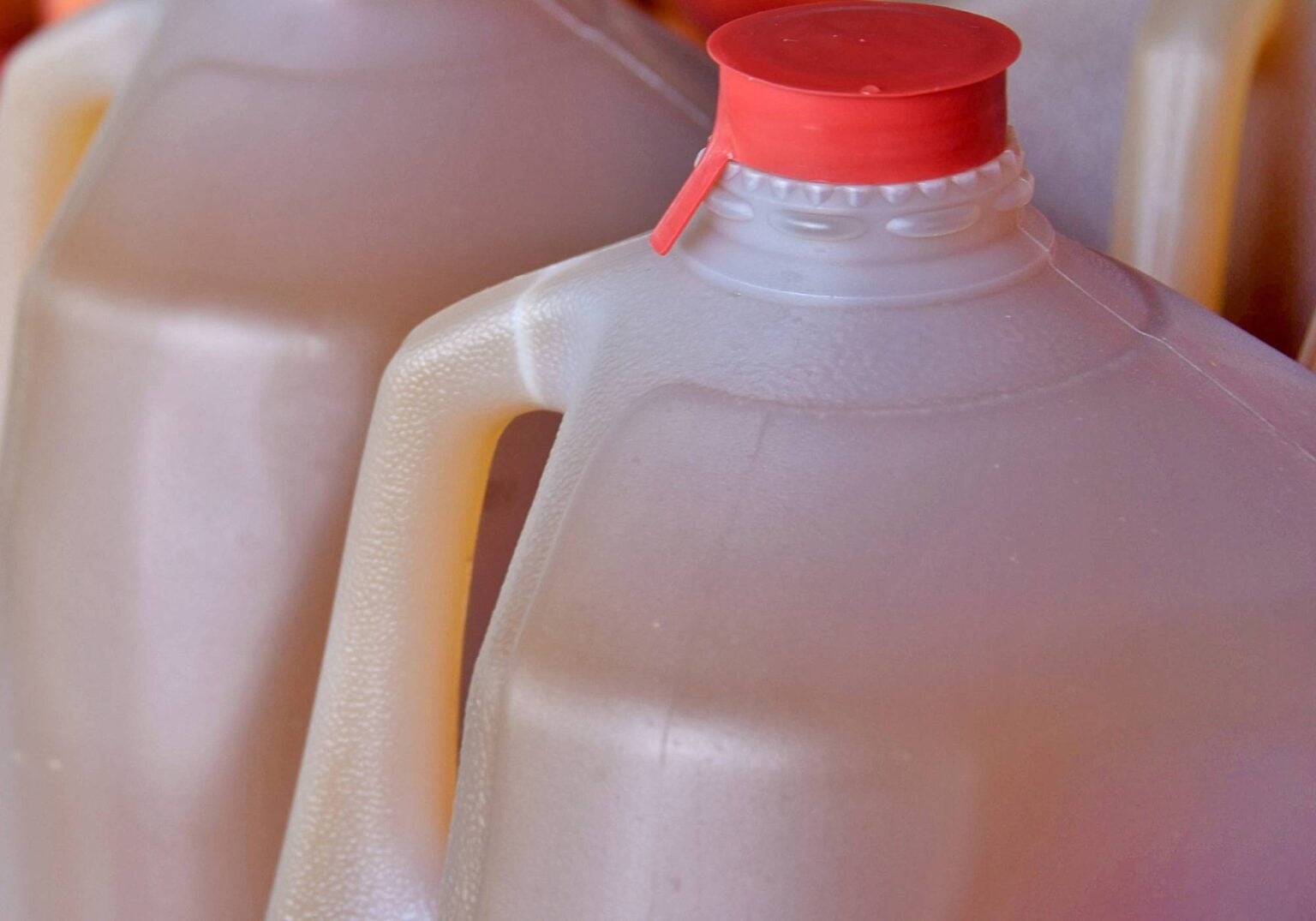
BORG drinking refers to the consumption of a potent alcoholic beverage made by mixing various ingredients in a gallon-sized jug. The term “BORG” stands for “blackout rage gallon,” highlighting the drug’s association with excessive alcohol intake and the risk of blackouts. BORG drinks typically contain a high volume of alcohol, often vodka, combined with flavor enhancers, water, electrolytes, and sometimes caffeine. The result is a strong, flavorful drink that can be consumed quickly, leading to rapid intoxication.
What Does BORG Mean?
The acronym BORG stands for “blackout rage gallon.” This name emphasizes the dangerous levels of alcohol consumption involved in these drinks. Each gallon jug holds enough alcohol to potentially cause a blackout, where individuals lose memory of events while under the influence. The term also hints at the aggressive behaviors and risky situations that can arise from consuming such large quantities of alcohol.
What Goes in a BORG?
A typical BORG drink includes the following ingredients:
- A Gallon Jug of Water: The base of the drink, often partially emptied to make space for other ingredients.
- Liquor: Usually vodka, but rum and tequila are also common. The amount can vary, with some recipes calling for up to a fifth (750 milliliters) of vodka.
- Flavor Enhancers: These can include juice powders, flavored drops like MiO, or other drink mixes to mask the taste of alcohol.
- Electrolyte Supplements: Added to help prevent dehydration and mitigate hangover symptoms.
- Caffeine: Sometimes included through energy drinks like Red Bull or Celsius to keep drinkers awake and alert.
The combination of these ingredients results in a large, flavored alcoholic beverage that is easy to consume quickly, increasing the risk of overdrinking.

How Did BORG Become a Trend?
BORG drinking gained popularity primarily through social media platforms like TikTok, where users share recipes and demonstrate how to make these potent drinks. As of March 2023, the hashtag #BORG has amassed over 98 million views, with many videos showcasing the process of creating BORG drinks and promoting them as a fun, easy way to consume alcohol at parties.
The trend also incorporates elements of harm reduction, with some creators emphasizing controlled drinking by measuring the exact amount of alcohol and using flavor enhancers to make the drink more palatable. Despite these intentions, the high alcohol content in BORG drinks often leads to excessive drinking and significant health risks.
Why Do Students Drink It?
College students are particularly drawn to BORG drinking for several reasons:
- Peer Pressure: The desire to fit in and be part of the party scene can lead students to try BORG drinks.
- Control Over Consumption: Some believe that making their own BORG drinks allows them to control the amount of alcohol they consume.
- Hydration and Hangover Prevention: Adding water and electrolytes is thought to help stay hydrated and reduce hangover symptoms, although this is misleading.
- Safety Concerns: Some students feel that having a sealed jug reduces the risk of drink spiking, making them feel safer at parties.
- Social Media Influence: Viral TikTok videos and peer endorsements make BORG drinking seem trendy and harmless.
These factors contribute to the widespread adoption of BORG drinking among college populations, despite the inherent dangers.
The Dangers of BORG Drinking
While BORG drinking may appear as a fun and innovative way to consume alcohol, it carries significant risks:
Health Risks
- Alcohol Poisoning: The high alcohol content can lead to dangerous levels of intoxication, increasing the risk of alcohol poisoning, which can be fatal.
- Dehydration: Despite adding water and electrolytes, the large volume of alcohol can still cause severe dehydration.
- Impaired Judgment: Excessive alcohol intake impairs cognitive function, increasing the likelihood of accidents and poor decision-making.
- Overdose: Mixing alcohol with other substances like caffeine or energy drinks can mask the depressant effects, leading to overconsumption.
- Long-Term Health Issues: Chronic BORG drinking can result in liver damage, heart problems, and neurological impairments.
Behavioral Risks
- Blackouts: Consuming large quantities of alcohol can lead to memory blackouts, where individuals cannot recall events that occurred while intoxicated.
- Increased Aggression: High alcohol intake is linked to aggressive and violent behavior.
- Sexual Assault: The use of BORG drinks as a “date rape drug” is a significant concern, as the easy concealment and powerful effects can incapacitate victims.
Psychological Risks
- Addiction: Regular use of BORG drinks can lead to alcohol dependence and addiction, making it difficult to stop without professional help.
- Mental Health Issues: Excessive alcohol consumption is associated with anxiety, depression, and other mental health disorders.
How Much Alcohol is in a BORG?
The alcohol content in a BORG drink can vary significantly based on the recipe and the amount of liquor used. A typical BORG recipe may call for up to a fifth of vodka (750 milliliters), which is equivalent to approximately 17 standard 1.5-ounce shots of liquor. Some extreme recipes may use up to half a gallon (1.89 liters), containing up to 43 standard drinks, a potentially fatal amount even if spread out over an entire day.
The U.S. Dietary Guidelines recommend that women have no more than one standard drink per day and men no more than two. Consuming several BORG drinks in one sitting far exceeds these recommendations, drastically increasing the risk of alcohol-related harm.

Who Is Most Likely to Try BORG Drinking?
BORG drinking is most prevalent among:
- College Students: Particularly those aged 18 to 24, who are active on social media and influenced by party culture.
- Young Adults: Individuals in their late teens and twenties who are exploring their identities and often engage in binge drinking.
- Social Media Users: Those who follow trends on platforms like TikTok and seek to emulate popular party practices.
- Peer Groups: Friends and acquaintances who encourage each other to participate in BORG drinking for social acceptance.
Women are increasingly likely to try BORG drinking, especially those who believe it offers protection against drink spiking and sexual assault due to the sealed nature of the jug.
What if My Loved One is Using BORGs?
If you suspect that a loved one is engaging in BORG drinking, it’s essential to approach the situation with care and understanding.
Here are steps you can take to help:
1. Start a Conversation
Approach your loved one without judgment or anger. Express your concerns calmly and compassionately. For example, you might say, “I’ve noticed you’ve been drinking a lot lately, and I’m worried about your health and safety. Can we talk about it?”
2. Explain the Risks
Educate them about the dangers associated with BORG drinking, including the high risk of alcohol poisoning, impaired judgment, and potential for addiction. Help them understand that what might seem like a fun trend can have serious consequences.
3. Set Boundaries and Expectations
Let them know your expectations regarding alcohol use. Encourage responsible drinking and discuss the importance of knowing their limits. If they choose to drink, suggest safer practices, such as having a designated driver or staying with trusted friends.
4. Offer Support and Resources
Encourage your loved one to seek professional help. Offer to assist them in finding treatment options, such as counseling or support groups. Provide information about addiction treatment centers like Hope Harbor Wellness, which can offer specialized programs for overcoming alcohol abuse.
5. Stay Involved in Their Life
Maintain regular contact and check in on how they’re doing. Show your support by being present and available to talk. Encourage them to engage in activities that promote a healthy lifestyle and reduce the temptation to engage in excessive drinking.
6. Know When to Seek Professional Help
If your loved one’s BORG drinking is severe and they seem unable to control their alcohol use, it may be time to seek professional intervention. Addiction specialists can provide the necessary support and treatment to help them overcome their dependency.
The Dangers of BORG Drinking
Understanding the dangers of BORG drinking is crucial for preventing alcohol abuse and promoting safer drinking practices.
Here are some key risks associated with BORG drinking:
Health Risks
- Alcohol Poisoning: Excessive alcohol consumption can depress the central nervous system to the point of respiratory failure, coma, or death.
- Dehydration: Despite the addition of water and electrolytes, the high alcohol content can still lead to severe dehydration, affecting vital organs and overall health.
- Impaired Cognitive Function: High alcohol intake impairs judgment, coordination, and decision-making, increasing the risk of accidents and injuries.
- Long-Term Health Issues: Chronic BORG drinking can result in liver disease, cardiovascular problems, and neurological damage.
Behavioral Risks
- Blackouts: Consuming large quantities of alcohol quickly can lead to memory loss for events that occurred while intoxicated.
- Aggressive Behavior: High alcohol levels are associated with increased aggression and violent tendencies.
- Sexual Assault: The ease of administering BORG drinks without detection makes it a common tool for sexual predators.
Psychological Risks
- Addiction: Regular use of BORG drinks can lead to alcohol dependence, making it difficult to stop without professional help.
- Mental Health Issues: Excessive drinking is linked to anxiety, depression, and other mental health disorders.
How to Safely Detox from BORG Drinking
Detoxifying from BORG drinking requires a structured and supportive approach to manage withdrawal symptoms and reduce the risk of relapse.
Here’s how to approach detox safely:
Seek Professional Support
Consult with a healthcare provider or addiction specialist to develop a safe detox plan. Professional supervision ensures that withdrawal symptoms are managed effectively and that the individual remains safe throughout the process.
Gradual Tapering
Reducing alcohol intake gradually can help mitigate withdrawal symptoms. A healthcare provider can guide the tapering process to ensure it is done safely and comfortably.
Medical Intervention
In some cases, medications may be prescribed to alleviate withdrawal symptoms and prevent complications such as seizures or severe dehydration.
Support Systems
Having a strong support network, including family, friends, and support groups, is essential for emotional and practical assistance during detox.
Treatment Options for BORG Drinking Addiction
Overcoming BORG drinking requires comprehensive treatment that addresses both the physical and psychological aspects of addiction. Hope Harbor Wellness offers a range of treatment options designed to support individuals in their recovery journey.
Medical Detoxification
The first step in treatment is safely removing alcohol from the body under medical supervision. This process helps manage withdrawal symptoms and reduces the risk of complications associated with abrupt cessation.
Behavioral Therapies
Behavioral therapies are crucial for addressing the underlying causes of addiction and developing coping strategies.
Common therapies include:
- Cognitive Behavioral Therapy (CBT): Helps individuals identify and change negative thought patterns and behaviors related to alcohol use.
- Dialectical Behavior Therapy (DBT): Focuses on managing emotions and improving interpersonal relationships.
- Motivational Interviewing (MI): Encourages individuals to find their own motivation to change and commit to sobriety.
Support Groups
Support groups provide a sense of community and understanding for individuals in recovery. Sharing experiences and strategies for coping can be highly beneficial and foster a supportive environment.
Aftercare Planning
Aftercare programs ensure ongoing support after initial treatment, helping individuals maintain sobriety and prevent relapse. This may include continued therapy, support groups, and access to resources.
Holistic Approaches
Incorporating holistic practices such as mindfulness, yoga, and nutrition counseling can support overall well-being and resilience during recovery. These practices help individuals build a balanced, healthy lifestyle that supports long-term sobriety.
Recover from BORG Drinking at Hope Harbor Wellness
At Hope Harbor Wellness, we understand the challenges associated with BORG drinking and alcohol addiction. Our dedicated team is here to provide the support and treatment needed to overcome addiction and regain control of your life. If you or someone you care about is struggling with excessive drinking, contact Hope Harbor Wellness today at 770-573-9546 or fill out our online contact form to start the journey toward a healthier, addiction-free life.