

Pink cocaine is a novel synthetic drug that has gained notoriety, especially within rave culture. Also known as phenylethylamine 2C-B, pink cocaine poses significant public health concerns due to its high-risk reputation and the severe impact it can have on users’ health. This comprehensive guide from Hope Harbor Wellness in Atlanta, GA, aims to inform those struggling with cocaine abuse and addiction, as well as their loved ones, about the dangers of pink cocaine and the support available for recovery.
What is Pink Cocaine?
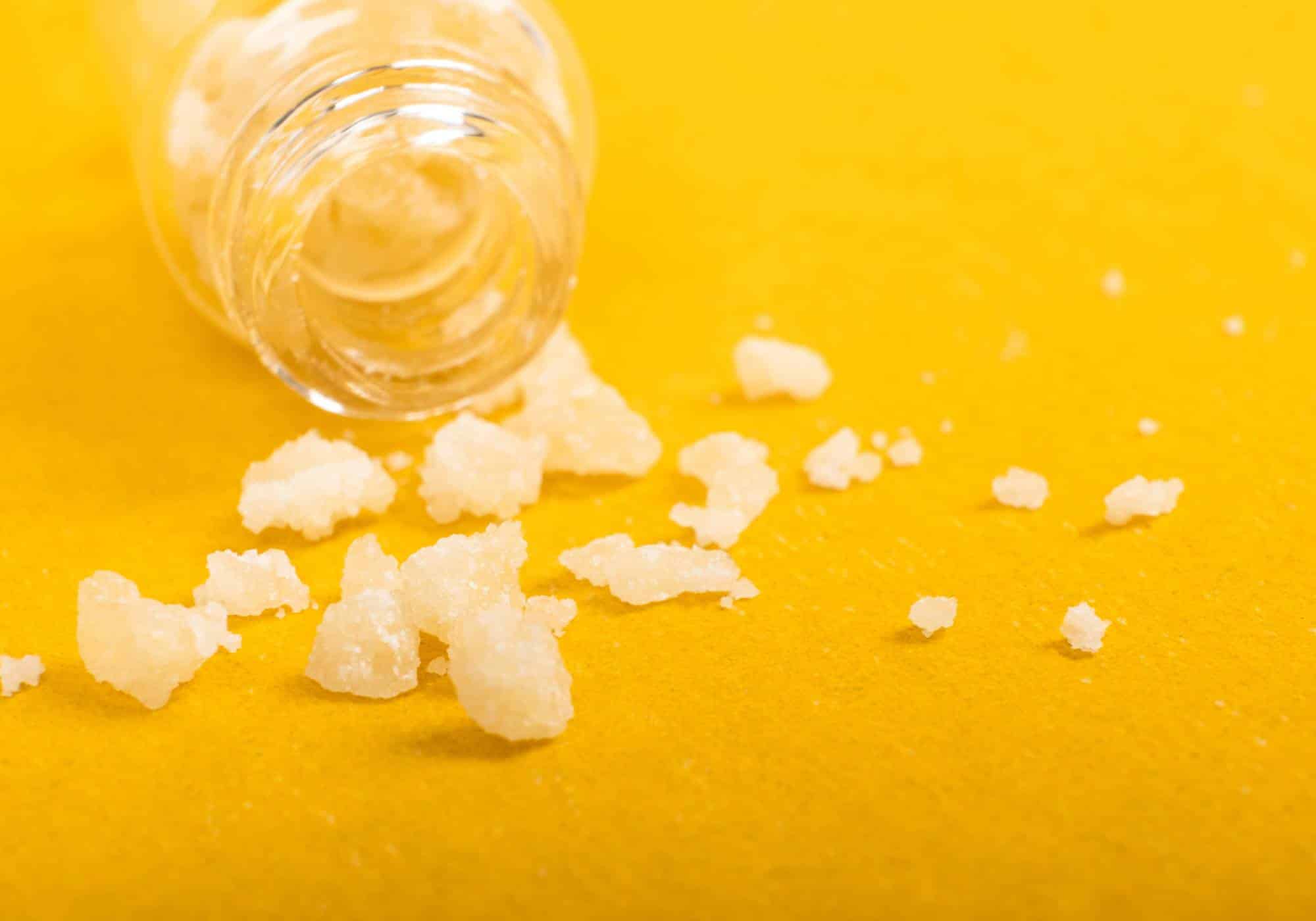
“Pink cocaine,” also known by street names such as “cocaina rosada,” “tuci,” “tucibi,” “pink powder,” “Eros,” and “Venus,” is a synthetic designer drug that has become increasingly popular in party scenes, particularly in Latin America and other regions. Unlike traditional cocaine, which is derived from the coca plant, pink cocaine is a lab-made substance comprising various synthetic ingredients. The chemical composition of pink cocaine is highly variable and often unregulated, leading to unpredictable and dangerous effects for users.
Pink cocaine typically includes a mixture of substances such as MDMA (ecstasy), ketamine, and amphetamines. Other possible ingredients may include LSD, mescaline, and sometimes opioids like fentanyl. This variability in composition makes each batch potentially hazardous, increasing the risks of addiction, overdose, and fatal interactions.

What Are the Ingredients of Pink Cocaine?
Pink cocaine, or Tusi, is a combination of different drugs, and the exact composition can vary significantly between batches.
However, most commonly, it contains:
- Ketamine: A dissociative anesthetic that can cause hallucinations and a sense of detachment from reality.
- MDMA/Molly: Known for its euphoric and empathogenic effects, often used recreationally in party settings.
- Crystal Meth: A powerful stimulant that increases energy and alertness but is highly addictive.
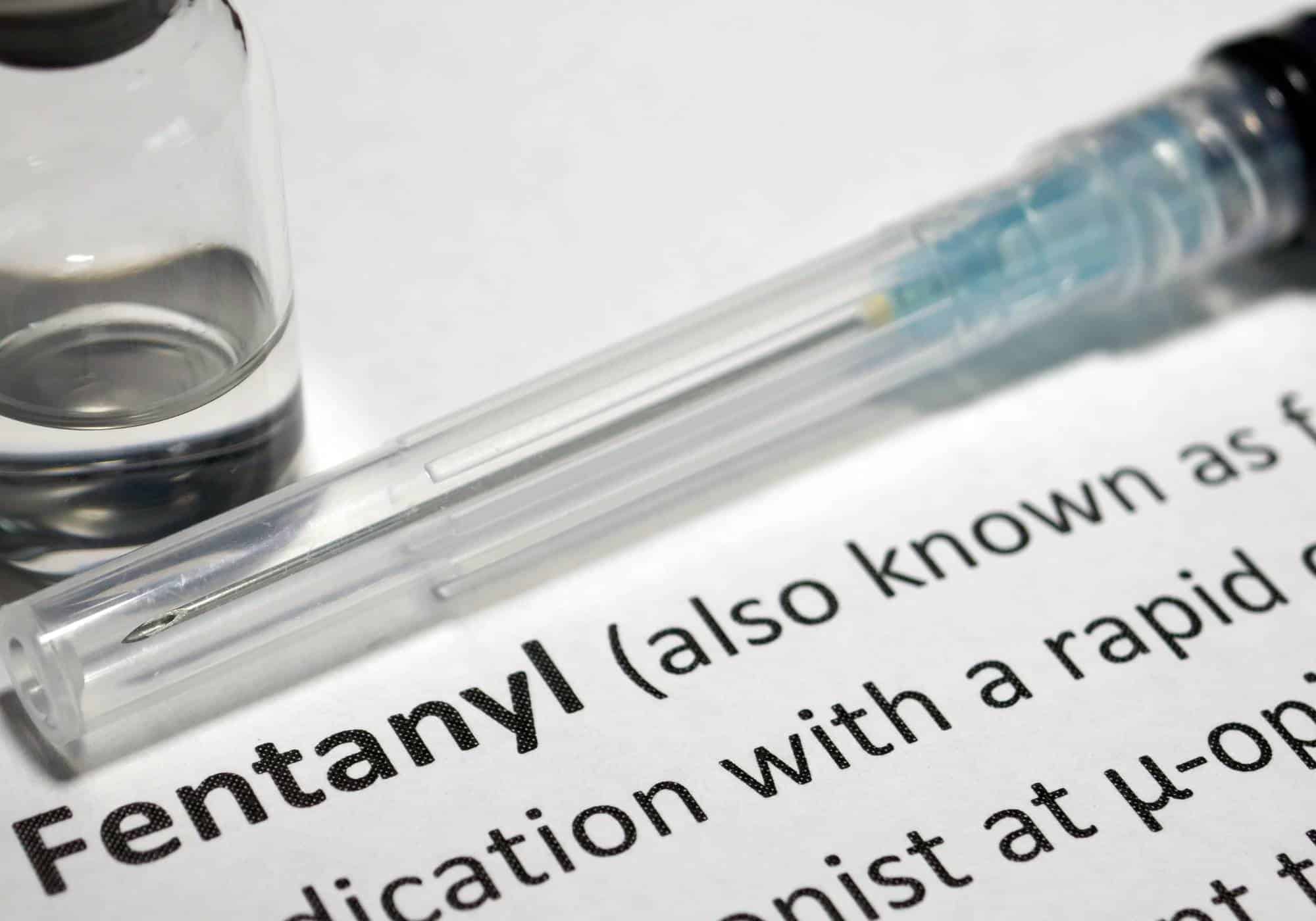
- Fentanyl: A potent synthetic opioid that significantly increases the risk of overdose and death.
- Benzodiazepines (e.g., Xanax): Medications that produce sedative effects, contributing to the drug’s overall impact.
- Mescaline, LSD, or Other Hallucinogens: Psychoactive substances that alter perception and mood.
- Designer Drugs (e.g., 2C-i, 2C-B): Synthetic substances with varying psychoactive effects.
- Bath Salts (Cathinone): Stimulants that can cause severe agitation and hallucinations.
The unpredictable mix of these ingredients means that users often have no idea what they are consuming, leading to dangerous health outcomes.
Pink Cocaine vs. Cocaine
While pink cocaine and traditional cocaine share a name and the potential for addiction, they differ significantly in their origins and effects. Cocaine is a refined extract from the coca plant and is classified as a Schedule II controlled substance in the United States due to its medical uses and high potential for abuse. Pink cocaine, on the other hand, is a synthetic drug with no recognized medical applications and is not regulated in the same way, making its use even more hazardous.
Immediate Effects of Cocaine
- Increased Heart Rate: Cocaine stimulates the cardiovascular system, leading to a rapid heartbeat.
- Dilated Pupils: Users often experience enlarged pupils.
- Feelings of Joy: Cocaine can produce intense euphoria and a sense of well-being.
- Rise in Body Temperature: The drug can cause hyperthermia, or an increase in body temperature.
- Energy Boost: Users feel more alert and energetic.
- Decreased Appetite: Cocaine suppresses hunger, leading to reduced appetite.
- Increased Sexual Urges: The drug can heighten libido and sexual desire.
Effects of Pink Cocaine
Pink cocaine, being a combination of various substances, can produce a wide range of effects that are often more intense and unpredictable than those of traditional cocaine.
The side effects include:
- Hallucinations: Visual or auditory distortions that can be terrifying.
- Euphoria: Intense feelings of happiness and well-being.
- Nausea and Vomiting: Gastrointestinal distress is common.
- Agitation: Users may become restless and irritable.
- Rapid Heartbeat and High Blood Pressure: Increased cardiovascular strain.
- Seizures: Severe neurological reactions can occur.
- Respiratory Depression: Breathing can become dangerously slow or shallow.
Due to its synthetic nature, pink cocaine often does not contain any actual cocaine. Instead, it may include other potent substances like 2-CB, MDMA, ketamine, and caffeine, each contributing to its complex and hazardous profile.

Is Pink Cocaine Addictive?
Pink cocaine carries a high potential for addiction due to its mixture of addictive substances such as cocaine, methamphetamine, and various opioids. Ketamine, one of the primary components, can cause significant brain alterations and behaviors associated with substance use disorders. The combination of stimulants and depressants in pink cocaine not only makes it highly addictive but also increases the risk of developing severe dependency and long-term mental health issues.
How Do People Abuse Pink Cocaine?
Pink cocaine is popular in party scenes because it induces feelings of comfort and sociability.
The drug can be consumed in several ways:
- Pill Form: Pills are easily transportable and discreet, making them a preferred method.
- Snorting: Users often crush pills into a fine powder and snort them for rapid absorption.
- Injection: Although less common due to the inconvenience, some users inject pink cocaine for an immediate high.
The method of consumption affects how quickly the drug takes effect and the intensity of its impact, further complicating its dangers.
Signs and Symptoms of Pink Cocaine Use
Recognizing the signs of pink cocaine use is crucial for early intervention and support.
Symptoms can vary based on the drug mixture, but common indicators include:
- Agitation: Restlessness and irritability.
- Increased Heart Rate: Noticeably rapid heartbeat.
- Hallucinations: Seeing or hearing things that aren’t there.
- Confusion: Difficulty thinking clearly or making decisions.
- Paranoia: Feeling threatened or believing others intend harm.
- Elevated Body Temperature: Overheating or fever.
- Increased Blood Pressure: Higher than normal blood pressure levels.
- Nausea and Vomiting: Feeling sick or vomiting.
- Seizures: Uncontrolled shaking or convulsions.
- Abnormal Heart Rhythms: Irregular heartbeat patterns.
- Coma: Severe cases may lead to unconsciousness.
- Behavioral Changes: Unusual or erratic behavior.
- Addiction: Developing a dependency on the drug.
These symptoms can escalate quickly, leading to life-threatening conditions if not addressed promptly.
What Are the Effects of Pink Cocaine 2C-B?
Pink cocaine often includes 2C-B, a psychedelic drug that was initially developed to treat sexual dysfunction but was removed from the market due to safety concerns. The effects of pink cocaine containing 2C-B can vary widely based on dosage and additional ingredients.
Common effects of pink cocaine include:
Physical Side Effects
- Increased Energy: Enhanced alertness and stamina.
- Elevated Body Temperature: Risk of overheating.
- Sexual Arousal: Heightened sexual desire.
- Increased Heart Rate: Stress on the cardiovascular system.
- Elevated Blood Pressure: Potential for hypertension.
- Dehydration: Loss of bodily fluids.
- Headache: Pain in the head.
- Nausea and Vomiting: Gastrointestinal discomfort.
- Diarrhea: Increased bowel movements.
- Blurred Vision: Impaired eyesight.
- Dilated Pupils: Enlarged pupils.
- Seizures: Risk of convulsions.
- Erratic Behavior: Unpredictable actions.
- Kidney Damage: Long-term harm to kidney function.
Psychological Side Effects
- Intense Pleasure and Euphoria: Overwhelming feelings of happiness.
- Sensory Sensitivity: Heightened awareness of senses.
- Visual and Auditory Hallucinations: Distorted perceptions.
- Confusion: Difficulty in thinking clearly.
- Disorientation: Losing sense of direction or time.
- Delirium: Severe mental confusion.
- Insomnia: Difficulty sleeping.
- Panic Attacks: Sudden episodes of intense fear.
- Anxiety: Persistent worry or fear.
- Violence: Aggressive or violent behavior.
Not all users will experience every symptom, and the severity can vary based on individual factors and the specific composition of the drug.
Health Risks of Pink Cocaine
Pink cocaine poses numerous health risks due to its unpredictable composition and the potent substances it contains.
Some of the primary health concerns include:
Overdose Risk
One of the most significant dangers of pink cocaine is the potential for overdose. Symptoms of an overdose can escalate to life-threatening conditions such as:
- Severe Agitation: Extreme restlessness.
- Hallucinations: Intense sensory distortions.
- High Blood Pressure and Rapid Heart Rate: Stress on the heart and blood vessels.
- Hyperthermia: Dangerous increase in body temperature.
- Seizures: Uncontrolled shaking.
- Cardiac Arrest: Heart stops beating.
- Respiratory Failure: Breathing stops or becomes ineffective.
Addiction and Dependence
Regular use of pink cocaine can lead to addiction, characterized by a compulsive need to use the drug despite negative consequences. Chronic use can result in:
- Mental Health Issues: Anxiety, depression, paranoia, and psychosis.
- Cardiovascular Problems: Hypertension, arrhythmias, heart attacks, and strokes.
- Organ Damage: Long-term harm to the kidneys and other vital organs.
- Behavioral Changes: Increased risk of engaging in dangerous activities.
Long-Term Health Consequences
Prolonged use of pink cocaine can cause severe and lasting damage to both physical and mental health, making recovery a challenging and essential process.
Can You Overdose on Pink Cocaine?
Yes, overdose is a significant risk with pink cocaine due to the unpredictable mixture of substances it contains. The combination of stimulants, depressants, and hallucinogens can create dangerous interactions, making it nearly impossible to know the exact dosage being consumed.
Overdosing on pink cocaine can lead to:
- Respiratory Depression: Breathing becomes dangerously slow or stops.
- Cardiac Arrest: Heart stops beating effectively.
- Seizures: Severe and uncontrolled shaking.
- Coma: Loss of consciousness.
- Death: Potentially fatal outcomes.
The presence of synthetic opioids like fentanyl in some batches of pink cocaine dramatically increases the risk of overdose, as fentanyl is much stronger than other opioids like heroin or morphine.
Celebrities and the Controversy Surrounding Pink Cocaine
The rise of pink cocaine in popular culture has been significantly influenced by its association with various high-profile celebrities. Recent events involving prominent figures like Liam Payne from One Direction, Lamar Odom, and Sean “Diddy” Combs have brought intense media attention to this dangerous synthetic drug.
Liam Payne’s Tragic Death and Pink Cocaine Allegations
On October 16, 2024, Liam Payne, a member of the globally renowned boy band One Direction, tragically lost his life after falling from a hotel balcony in Buenos Aires, Argentina. Prior to the incident, hotel staff observed Payne behaving erratically and appearing under the influence of substances. Preliminary toxicology reports indicated the presence of pink cocaine and alcohol in his system. However, Argentine authorities have refrained from making any official statements until a comprehensive autopsy is completed to confirm the exact cause of death.
Lamar Odom’s Revelation About Pink Cocaine Use
In the aftermath of Liam Payne’s untimely death, former NBA player Lamar Odom publicly discussed his own experiences with pink cocaine during an interview with TMZ. Odom speculated that Payne might have been suffering from auditory hallucinations, drawing parallels to his own struggles with the psychosis-like effects of pink cocaine. He described the drug as inducing intense paranoia and extreme agitation, emphasizing the severe mental health repercussions associated with its use.
Sean “Diddy” Combs and Allegations of Distributing Pink Cocaine
Sean “Diddy” Combs, a prominent figure in the music industry, has faced multiple legal challenges, including sex-trafficking investigations and sexual assault civil suits. Pink cocaine has emerged repeatedly in these legal battles, with court documents alleging that Diddy distributed the drug at his exclusive parties. Furthermore, testimonies have implicated Yung Miami, Diddy’s girlfriend, in the transportation of pink cocaine on his behalf. These allegations have intensified scrutiny on Diddy, linking him to the distribution of this hazardous substance.
The Impact of Celebrity Associations on Pink Cocaine’s Reputation
The involvement of celebrities in the pink cocaine narrative has had a profound impact on the drug’s public perception. High-profile cases bring widespread attention, often glamorizing the drug within certain social circles, particularly in the party and rave scenes. However, the tragic outcomes and severe health risks highlighted by these cases also serve as stark warnings about the dangers of pink cocaine abuse.

How Do You Help Someone Struggling with Pink Cocaine Addiction?
Supporting someone struggling with pink cocaine addiction involves understanding the substance, recognizing the signs of abuse, and guiding them towards professional help.
Here are steps you can take:
Recognize the Signs
Be aware of the symptoms and behaviors associated with pink cocaine use, such as:
- Sudden mood swings and behavioral changes.
- Physical signs like rapid heartbeat, dilated pupils, and unusual body movements.
- Psychological signs including paranoia, hallucinations, and extreme agitation.
Approach with Compassion
When addressing the issue, approach the person with empathy and without judgment. Express your concerns and encourage them to seek help.
Encourage Professional Help
Guide them to contact addiction treatment centers like Hope Harbor Wellness in Atlanta, GA. Professional treatment can provide the necessary support and resources to overcome addiction.
Provide Support
Offer ongoing support by being present, listening, and helping them stay committed to their recovery journey.
Pink Cocaine Addiction Treatment at Hope Harbor Wellness in Atlanta, GA
At Hope Harbor Wellness, we specialize in providing compassionate and personalized treatment for individuals struggling with pink cocaine addiction in Atlanta, GA. Recognizing that each person’s journey is unique, our dedicated team offers tailored care plans to address the specific needs and challenges of our clients. Our goal is to support you on your path to recovery, helping you achieve a healthier, substance-free life through a comprehensive approach.
Treatment Options for Cocaine Addiction:
- Outpatient Detox: Medically supervised detoxification to manage withdrawal symptoms safely.
- Outpatient Treatment: Flexible schedules for those who need treatment without intensive daily commitments.
- Intensive Outpatient Program (IOP): Structured therapy schedules while allowing you to live at home.
- Partial Hospitalization Program (PHP): Comprehensive day-long therapy sessions without an overnight stay.
We integrate a holistic approach to therapy, understanding that recovery is not one-size-fits-all. Our programs focus not just on overcoming addiction but also on fostering long-term wellness and resilience.
Therapies Offered for Cocaine Addiction:
- Cognitive Behavioral Therapy (CBT): Identifying and modifying negative thought patterns and behaviors.
- Individual Therapy: Private sessions to explore personal challenges related to addiction.
- Group Therapy: Supportive environment to share experiences and coping strategies.
- Family Therapy: Involving family members to heal relationships and build a supportive home environment.
If you or someone you love is grappling with pink cocaine addiction, it’s crucial to act now. Contact Hope Harbor Wellness in Atlanta, GA, at 770-573-9546 or fill out our online contact form to embark on the path toward a life free from drug dependence.