

A cocaine user recognizes the moment the drug enters their bloodstream, yet might not truly understand its effect on their body. Beyond the initial intense feelings and high energy, the harm being done to you through cocaine use can be severe and long-lasting. So let’s look at what cocaine does to your body, some potential side effects, and treatment for this substance use disorder.
Cocaine is a serious drug with dangerous side effects and health risks that extend far beyond a fleeting high. While its short-term rush of euphoria and heightened energy can seem appealing, it’s essential to keep in mind that the insidious grip of addiction and the immediate threat of overdose are very real and ever-present risks of regular, or even singular, use. From the physical damage it inflicts on your cardiovascular system and other vital organs to the profound mental and neurological impacts of long-term use, cocaine’s devastating consequences should not remain a mystery. If you are struggling with ending cocaine use, experiencing difficult withdrawal symptoms, or finding yourself trapped in a cycle of craving, Hope Harbor Wellness in Atlanta, GA, can provide specialized outpatient substance abuse treatment tailored to your individual needs.
We believe that understanding the full scope of what cocaine does to your body is a crucial first step towards seeking help and reclaiming your life. If you or a loved one need compassionate, evidence-based support, reach out to our admissions team today at 770-573-9546 or fill out our online contact form.
What Does Cocaine Do to Your Body? The Immediate Rush and Its Cost
When cocaine enters the body, whether it’s snorted, smoked (as crack cocaine), injected, or orally ingested, it swiftly travels to the brain, producing a rapid and intense flood of effects. This immediate impact is primarily due to how cocaine interacts with neurotransmitters, particularly dopamine.
The Dopamine Surge
Cocaine works by blocking the reuptake of dopamine in the brain’s reward pathways. Dopamine is a chemical messenger that plays a crucial role in regulating pleasure, motivation, and reward. When dopamine reuptake is blocked, it accumulates in the synapse (the space between nerve cells), leading to an exaggerated and intense feeling of euphoria, increased energy, alertness, and a sense of heightened self-confidence. This “rush” is the primary reason for cocaine’s addictive potential, as the brain quickly learns to crave this powerful, artificial surge of pleasure.
However, this intense high, which can last anywhere from a few minutes (when smoked or injected) to an hour (when snorted), comes at a significant and immediate physiological cost.
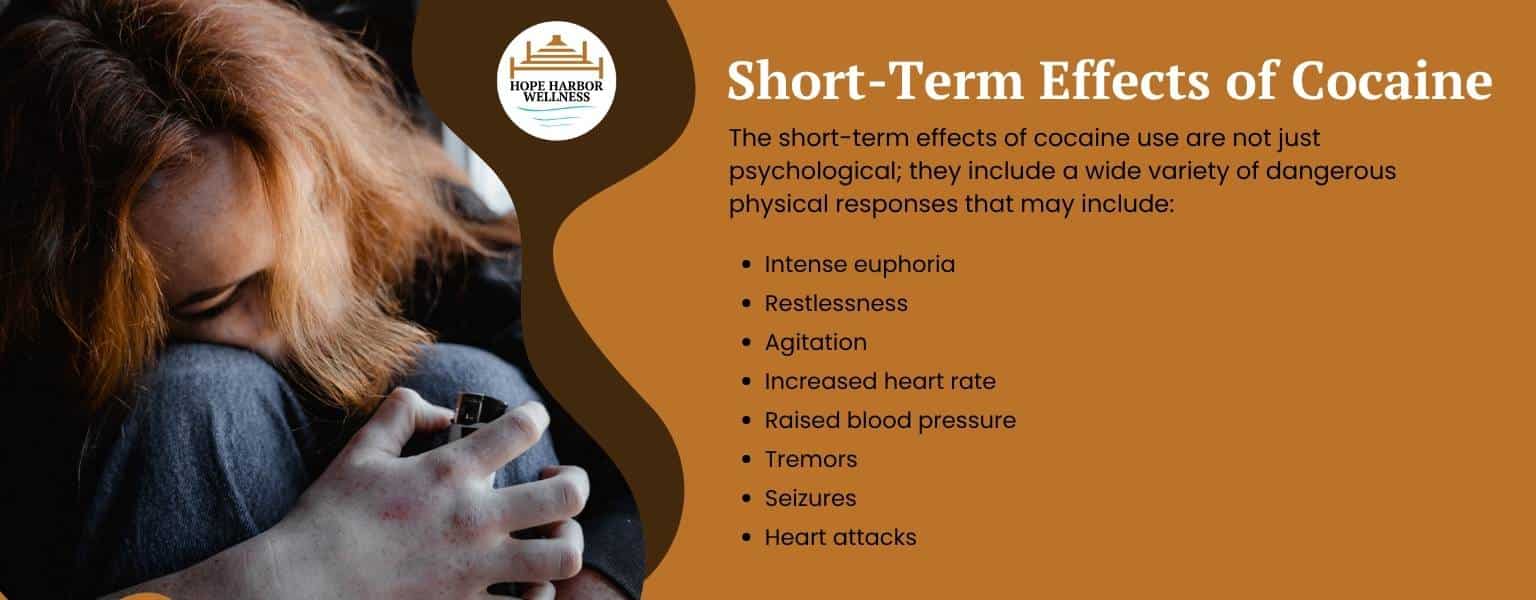
The short-term effects of cocaine use are not just psychological; they include a wide variety of dangerous physical responses that may include:
- Cardiovascular Strain: A dramatic and rapid increase in heart rate and dangerously raised blood pressure. This puts immense strain on the heart, even in healthy individuals.
- Neurological Disturbances: Restlessness, agitation, anxiety, and even involuntary muscle tremors, seizures, or strokes. Cocaine overstimulates the central nervous system.
- Respiratory Issues: Rapid breathing, and in some cases, respiratory distress.
- Temperature Dysregulation: An increase in body temperature, which can lead to hyperthermia.
Anyone experiencing these kinds of severe short-term effects should seek immediate medical attention, as they can quickly escalate into life-threatening emergencies.
Long-Term Damage: The Cumulative Impact of Cocaine Use
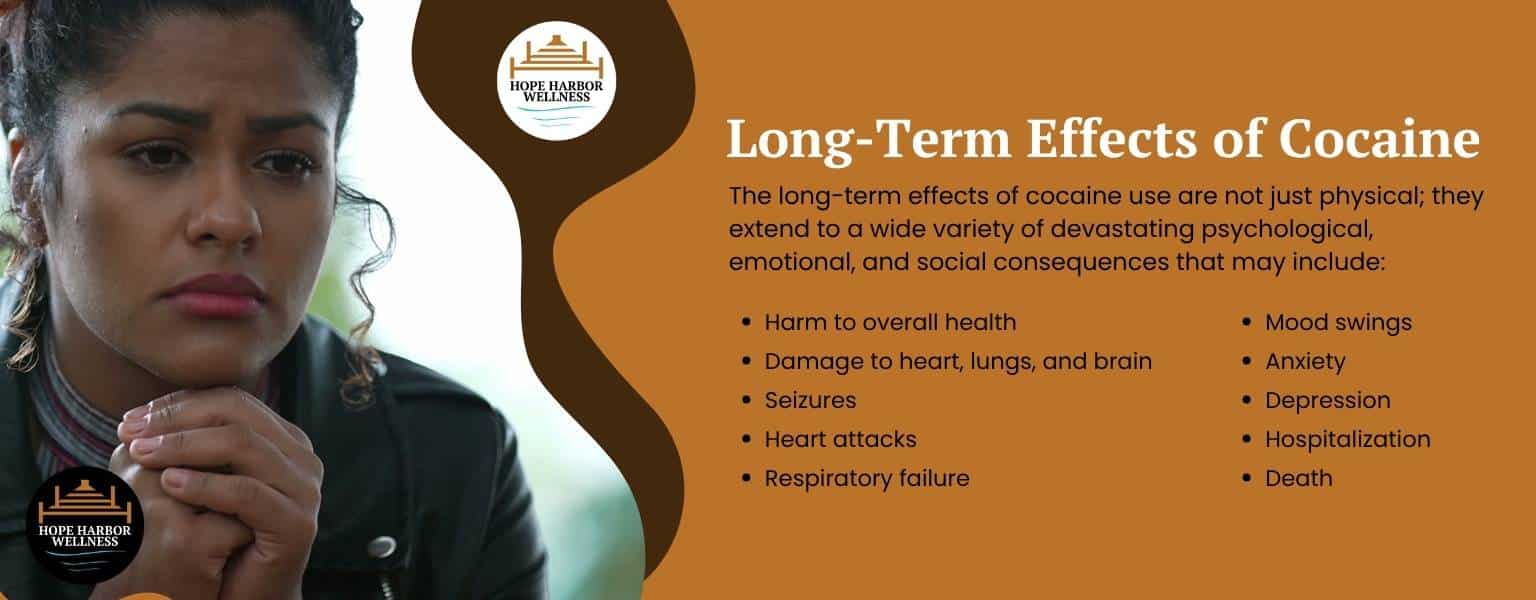
While the immediate effects of cocaine are acute, the cumulative impact of prolonged cocaine use can be devastating, extending far beyond physical health to threaten every aspect of a person’s life: job stability, career progression, intimate relationships, friendships, financial independence, and community standing. The chronic stress cocaine places on your body and mind leads to severe and often irreversible damage.
- Heart and Lungs: Long-term cocaine use can cause irreversible damage to the heart and blood vessels, leading to chronic cardiovascular disease. This includes hardening of the arteries (atherosclerosis), inflammation of the heart muscle, and an increased risk of strokes and heart attacks, even years after cessation. For the lungs, smoking crack cocaine can lead to “crack lung,” characterized by chest pain, bleeding in the lungs, and respiratory failure.
- Brain Damage and Mental Health: Cocaine fundamentally alters brain chemistry over time, leading to significant changes in mood, cognitive function, and impulse control. Users may suffer from chronic mood swings, severe anxiety disorders, profound depression, and even psychotic symptoms (like paranoia and hallucinations) that mimic schizophrenia. Memory impairment, diminished ability to concentrate, and impaired judgment become common, impacting daily functioning and decision-making.
- Kidneys and Liver: Chronic cocaine use places a significant burden on the kidneys and liver, increasing the risk of kidney damage, acute kidney failure, and liver damage, especially when combined with alcohol.
- Gastrointestinal Issues: Reduced blood flow to the gut can cause stomach ulcers, severe abdominal pain, and bowel gangrene.
- Increased Risk of Infections: Injecting cocaine increases the risk of contracting infectious diseases like HIV and Hepatitis C. Snorting cocaine can lead to chronic nosebleeds, loss of smell, difficulty swallowing, hoarseness, and even perforation of the nasal septum.
Ultimately, any of these outcomes alone or in combination with others can result in a dire need for hospitalization, chronic debilitating illness, or premature death.
Cocaine’s Impact on the Cardiovascular System: A Direct Threat
Cocaine’s profound and often immediate impact on the cardiovascular system is one of its most dangerous aspects. Regardless of the method of ingestion, cocaine acts as a potent vasoconstrictor, meaning it narrows blood vessels, and a powerful stimulant, which both dramatically increase the heart rate and blood pressure. This dual action places immense and sudden strain on the entire cardiovascular system, significantly increasing the risk of life-threatening events.
The strain can lead to a range of acute problems including:
- Chest Pain and Heart Attacks: Cocaine can cause spasms in the coronary arteries, reducing blood flow to the heart muscle, leading to angina (chest pain) or a heart attack (myocardial infarction), even in young, otherwise healthy individuals.
- Arrhythmias: Irregular heartbeats that can be life-threatening.
- Aortic Dissection: A tear in the body’s main artery, which is often fatal.
- Sudden Cardiac Death: This can occur due to fatal arrhythmias or severe cardiac events. Long-term cocaine use can cause irreversible damage to the heart and blood vessels, leading to chronic cardiovascular diseases such as cardiomyopathy (weakening of the heart muscle) and hypertension (chronically high blood pressure). If you’re suffering from any of these conditions and still using cocaine regularly, you’re continuing to risk permanent damage to your organs or even sudden death. Recognizing and addressing these cardiovascular risks is a critical component of cocaine addiction treatment.
The Ever-Present Risk of Cocaine Overdose
The temporary burst of energy and a powerful sense of euphoria associated with cocaine can tragically lead people to use higher amounts of the drug at one time or use it more frequently in a desperate attempt to maintain the high. This pattern significantly elevates the risk of overdose. Whether you’ve used cocaine before or not, the risk of overdose is always present. It could stem from a higher tolerance developed after regular use prompting larger doses, or from encountering cocaine with a higher potency than expected from an unknown source.
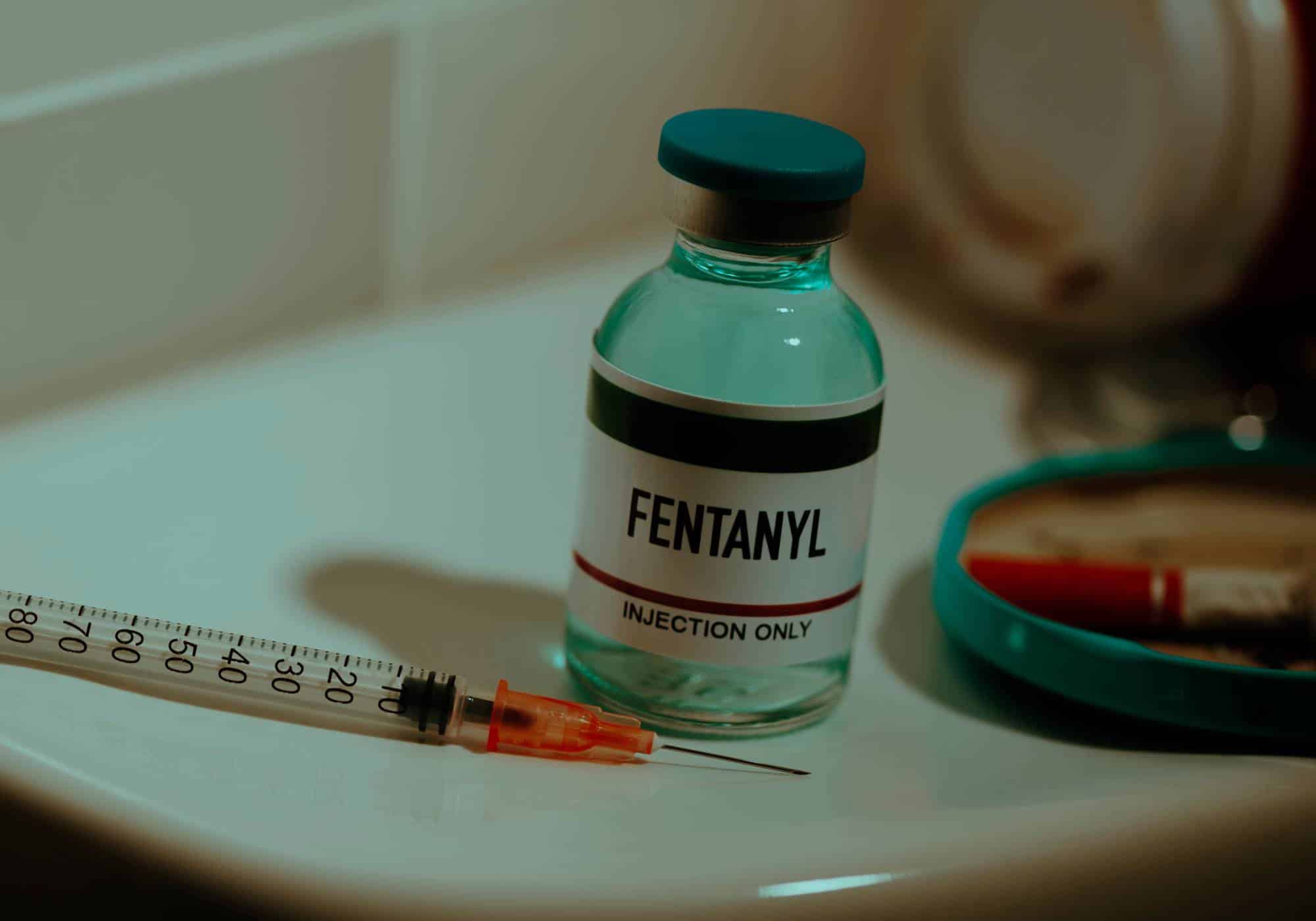
Overdoses of this stimulant drug can lead to a cascade of dangerous effects: seizures, heart attacks, severe hyperthermia (dangerously high body temperature), and potentially fatal strokes. Signs of a potential cocaine overdose appear as dangerous and rapid increases in heart rate, blood pressure, and body temperature. The threat of death is also present when the cocaine is “cut” with and includes other potent substances like fentanyl. Fentanyl is a Schedule II opioid analgesic with a potency approximately 50 times greater than heroin and 100 times greater than morphine. Fentanyl carries an extremely high risk of overdose and can be deadly at doses as low as 2 milligrams, and tragically, overdoses involving cocaine and fentanyl are on the rise across the nation. This adulteration makes every dose of illicit cocaine a potential Russian roulette.
Getting Help at Hope Harbor Wellness: Your Outpatient Path to Recovery
Cocaine addiction is a challenging battle to endure, but you never need to face it alone. At Hope Harbor Wellness in Atlanta, GA, we understand the complexities of cocaine use disorder and are dedicated to providing compassionate, comprehensive outpatient substance abuse treatment designed for your unique needs. We believe in empowering individuals to regain control of their lives and embark on a sustainable road to recovery without disrupting their work, school, or family responsibilities.
Our specialized approach includes:
- Medical Assessment and Withdrawal Management: While cocaine withdrawal isn’t typically as physically dangerous as alcohol or opioid withdrawal, it can be intensely uncomfortable and psychologically challenging, leading to severe depression, fatigue, and intense cravings. Our medical team conducts thorough assessments and can provide support to manage withdrawal symptoms safely and reduce relapse risk during this critical phase.
- Personalized Treatment Plans: We understand that every individual’s journey to recovery is unique. Our team works with you to create a customized treatment plan that addresses your specific patterns of cocaine use, any co-occurring mental health conditions, and personal recovery goals.
- Evidence-Based Therapies: Our outpatient programs utilize proven therapeutic modalities such as Cognitive Behavioral Therapy (CBT), Motivational Interviewing, and other behavioral therapies to help you identify triggers, develop healthy coping mechanisms, change negative thought patterns, and build essential relapse prevention skills.
- Dual Diagnosis Treatment: Cocaine use often co-occurs with underlying mental health needs like depression, anxiety, bipolar disorder, or trauma. At Hope Harbor Wellness, we are fully equipped to provide integrated dual diagnosis treatment, addressing both substance use disorder and mental health conditions simultaneously for more effective, holistic, and lasting recovery.
- Individual and Group Therapy: You’ll receive one-on-one support from experienced therapists, alongside participation in supportive group therapy sessions where you can connect with peers facing similar challenges, share experiences, and build a strong recovery community.
- Holistic Supports: We integrate holistic approaches that support overall well-being, recognizing that recovery extends beyond abstinence to encompass physical, mental, and spiritual health.
- Relapse Prevention Strategies: We equip you with practical tools and strategies to navigate cravings, high-risk situations, and external pressures, empowering you to maintain long-term sobriety.
If drug use has compromised your vital organs or created a chronic health condition, our team can work with you to ensure your medical needs are met and coordinated with your treatment plan. You don’t have to let cocaine addiction define your life. Early intervention and seeking professional help with Hope Harbor Wellness dramatically increase the likelihood of a successful recovery. Our experienced and empathetic team is committed to guiding you away from dependency and towards a healthier, more satisfying life in Atlanta, GA. Contact us today at 770-573-9546 or fill out our online contact form to learn how we can help you start your journey to lasting freedom.
What Cocaine Does to Your Body Frequently Asked Questions
What does cocaine do to your brain immediately?
Cocaine causes a rapid and intense surge of dopamine in the brain’s pleasure and reward centers, leading to feelings of intense euphoria, increased energy, and heightened alertness.
How does cocaine affect your heart and blood pressure?
Cocaine is a strong stimulant that dramatically increases heart rate and blood pressure, constricts blood vessels, and can cause heart attacks, irregular heartbeats, and sudden cardiac death, even in healthy individuals.
What are the risks of long-term cocaine use?
Long-term use can lead to irreversible damage to the heart, lungs, and brain, including chronic cardiovascular disease, neurological issues, respiratory problems, kidney damage, and severe mental health conditions like depression, anxiety, and psychosis.
Can you overdose on cocaine? What are the signs?
Yes, cocaine overdose is possible and very dangerous. Signs include dangerously high heart rate, blood pressure, and body temperature, as well as seizures, heart attacks, and strokes. Overdose risk increases with higher doses or when cocaine is mixed with other substances like fentanyl.
What is “crack cocaine” and how is it different?
Crack cocaine is a freebase form of cocaine that is smoked. Its effects are much more immediate, intense, and short-lived than powdered cocaine, leading to a more rapid and compulsive pattern of use and a higher risk of addiction and overdose.
What is a “cocaine crash”?
A cocaine crash refers to the intense negative physical and psychological symptoms that occur when the immediate effects of cocaine wear off. These can include severe fatigue, depression, irritability, anxiety, and intense cravings for more cocaine.
How does Hope Harbor Wellness treat cocaine addiction?
Hope Harbor Wellness offers comprehensive outpatient substance abuse treatment for cocaine addiction. This includes medical assessment and withdrawal management, personalized therapy (CBT, MI), dual diagnosis treatment for co-occurring mental health issues, individual and group counseling, and relapse prevention planning.
Can I get help for cocaine addiction while still living at home?
Yes, outpatient treatment at Hope Harbor Wellness allows you to receive intensive therapy and support for cocaine addiction while continuing to live at home, maintain your responsibilities, and integrate recovery skills into your daily life.
Why is dual diagnosis treatment important for cocaine addiction?
Many individuals with substance use disorders also struggle with underlying mental health conditions. Dual diagnosis treatment addresses both issues simultaneously, as they often fuel each other. Treating both leads to more effective, holistic, and lasting recovery outcomes.