
The Hidden Dangers of “Sherm”: Understanding PCP-Laced Drugs and Your Path to Recovery
Taking any illicit drug carries significant risks to one’s health and well-being. However, among street drugs, “Sherm” stands in a class of its own due to its extreme unpredictability and profound dangers. If you’re unfamiliar with the term, “Sherm” typically refers to marijuana or tobacco cigarettes that have been dipped in or coated with a powerful hallucinogenic substance. Most often, this hallucinogen is phencyclidine, widely known as PCP.
However it’s concocted, Sherm can induce a short-term hallucinogenic state, sometimes offering initial euphoric sensations. Yet, these fleeting highs are overshadowed by often horrific and unpredictable side effects. Toxic, highly addictive, and capable of leading to profound physical and mental harm, Sherm can swiftly derail lives, placing users in immediate mortal peril. Making matters worse, a dangerous misconception persists among some users that Sherm is relatively harmless—a myth that can have catastrophic consequences.
At Hope Harbor Wellness in Atlanta, GA, we understand the critical need for immediate and specialized intervention when dealing with substances as dangerous as Sherm. We are committed to providing comprehensive outpatient substance abuse treatment, guiding individuals through safe detoxification and into a sustainable recovery. Below, we’ll delve into Sherm in greater detail, examine the tragic and lasting harm it can inflict on a person’s mind and body, and explore how professional help can offer a vital lifeline.
Sherm can involve PCP and other substances that create serious mental health and safety risks. Our PCP addiction treatment and dual diagnosis treatment help clients stabilize and begin recovery with structured support.
What Is PCP (Phencyclidine)? A Deeper Dive
To fully grasp the dangers of Sherm, it’s essential to understand its primary component: PCP. Phencyclidine is a synthetic substance initially developed as an anesthetic. It belongs to a class of drugs known as dissociative anesthetics, meaning it distorts perceptions of sight and sound and produces feelings of detachment, or dissociation, from one’s environment and even oneself.
PCP and the Brain: A Chemical Disruption
When PCP enters a person’s brain, its primary mechanism of action involves attaching itself to the N-methyl-D-aspartate (NMDA) receptors. These proteins, located on the surface of brain cells, are critical for receiving chemical signals. By inhibiting the functioning of these receptors, PCP effectively blocks the signals sent by glutamate, a vital neurotransmitter.
Glutamate is a crucial amino acid involved in numerous brain functions, including thinking, learning, memory formation, understanding, and emotional regulation. When its signals are impeded, the brain’s normal functioning is profoundly disrupted.
This disruption leads to:
- Altered States of Consciousness: Users experience a profound shift in their perception of reality, where the world may seem distorted or unreal.
- Dissociation: Individuals feel disconnected or removed from their own thoughts, emotions, and even their physical bodies and personal identities. This can range from a mild detachment to a complete sense of unreality.
- Neurotransmitter Imbalance: Beyond glutamate, PCP also influences dopamine, serotonin, and norepinephrine systems, contributing to its complex effects that can mimic stimulant, depressant, or hallucinogenic properties, making its impact highly unpredictable.
PCP: A Brief, Troubled History
PCP was first synthesized by chemist Victor Maddox in Michigan in the 1950s. After initial clinical trials around 1957 deemed it a safe surgical anesthetic, it entered the marketplace. The pharmaceutical brand Parke, Davis & Co. (now a Pfizer subsidiary) began selling it as an intravenous anesthetic called Sernyl. Initially, Sernyl appeared to be a medical breakthrough because it could anesthetize patients without the respiratory or cardiac depression associated with other anesthetics.
However, the fearsome side effects of PCP soon became apparent. Patients frequently exhibited erratic post-surgical behavior, including severe agitation, hallucinations, and other mind-altering effects that made its clinical use untenable. By 1965, doctors discontinued its use entirely. Despite this, the drug didn’t disappear; it quickly found its way onto the street. Throughout the 1970s, PCP—often colloquially known as “angel dust,” “hog,” or “peace pill”—was a popular illicit drug. Its usage saw a decline in the 1980s with the widespread availability of crack cocaine but unfortunately experienced a resurgence, particularly during the Covid pandemic. Today, PCP misuse, often in forms like Sherm, continues to impact primarily teenagers and young adults.
What is PCP (Phencyclidine)?
PCP, or phencyclidine, is a powerful synthetic dissociative anesthetic that alters perception, induces hallucinations, and creates a sense of detachment from reality. It affects critical brain functions by blocking glutamate receptors and influencing other neurotransmitter systems.

Sherm: The Dangerous Combination of Marijuana and PCP
The term “Sherm” likely originated from Nat Sherman, an immigrant from Hungary who launched a popular cigar and cigarette company in New York City in 1930. It is believed that early PCP-laced cigarettes were often made using Nat Sherman brand cigarettes, leading to the street names “Sherman sticks” or “Sherm” for short.
To create a “Sherm stick,” a person typically dips a marijuana or tobacco cigarette in liquid PCP. If the PCP is in powdered form, it must first be dissolved in a chemical solvent to create a solution for dipping. Disturbingly, one of the solvents often used to dissolve powdered PCP is embalming fluid—the chemical mixture funeral homes use to temporarily preserve a corpse. This practice introduces an additional layer of severe toxicity, making Sherm an even more perilous substance.
Why is embalming fluid used in Sherm?
Embalming fluid is used by some to dissolve powdered PCP when making Sherm, often based on a dangerous misconception that it intensifies the drug’s effects. In reality, it adds highly toxic chemicals to an already dangerous substance, increasing the risk of severe health complications and overdose.

The Catastrophic Side Effects of Sherm Use
Despite the bizarre and persistent myth that Sherm is not inherently dangerous, the reality is starkly different. This potent drug mixture can cause grave and lasting harm in numerous ways, affecting physical health, mental stability, and emotional well-being.
Immediate and Short-Term Effects
When people smoke Sherm, the immediate hours and days following use can be physically, mentally, and emotionally tumultuous due to one or more of the following adverse effects:
- Profound Psychological Distress: This includes intense paranoia, severe anxiety, and an overwhelming sense of fear and distrust. Users may experience delusions and disorganized thinking that can resemble the acute symptoms of schizophrenia.
- Behavioral Instability: Agitation, unpredictable behavior, and aggressive tendencies, sometimes escalating into extreme violence, are common. This volatility makes users a danger to themselves and others.
- Sensory and Motor Impairment: Users often experience numbness, loss of coordination, difficulty speaking (slurred or garbled speech), and a distorted sense of time and space.
- Physiological Effects: Rapidly increased heart rate and dangerously elevated blood pressure are common, putting immense strain on the cardiovascular system. At high doses, severe respiratory depression can occur, leading to slowed or shallow breathing.
Long-Term and Chronic Effects
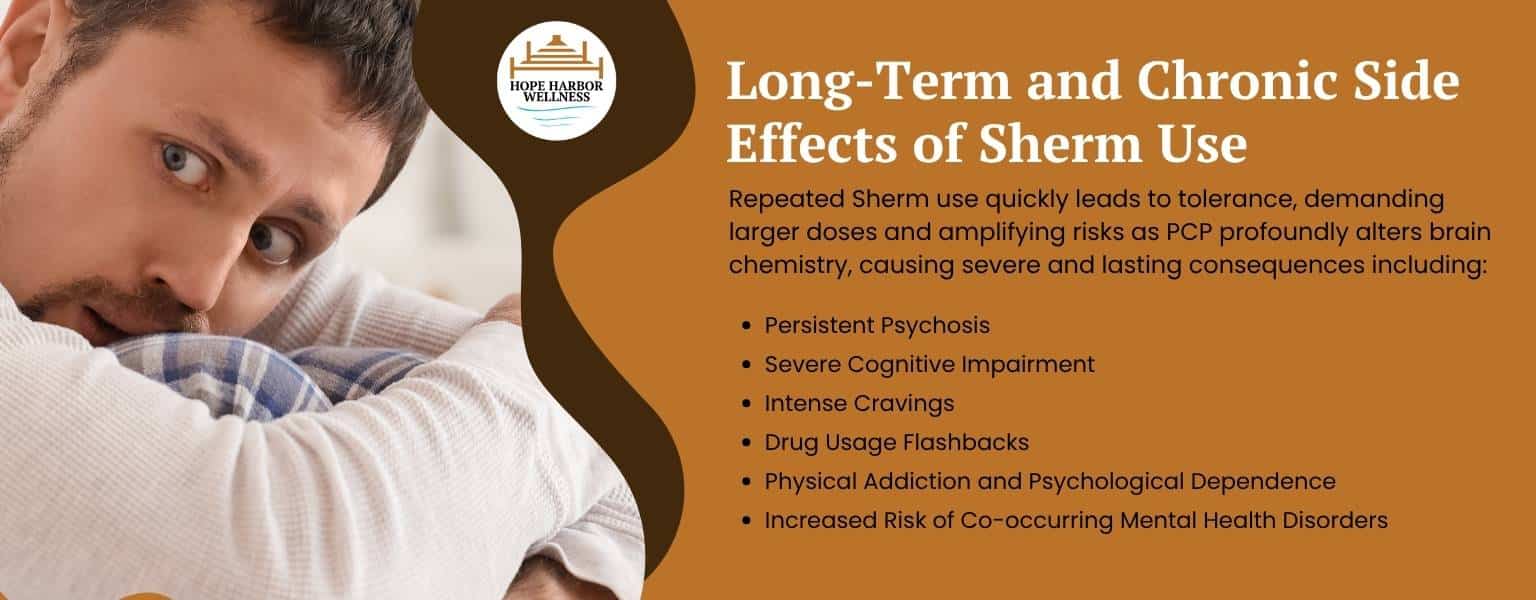
With repeated Sherm usage, a person can rapidly develop a tolerance to this drug mixture, meaning they need increasingly larger doses to achieve the same effects.
This escalating use significantly amplifies the risks and can lead to severe and lasting consequences as PCP fundamentally alters a person’s brain chemistry:
- Persistent Psychosis: Chronic use can trigger long-lasting or permanent psychosis, including schizophrenia-like symptoms such as persistent delusions, hallucinations, and severe thought disorders, even after drug use ceases.
- Severe Cognitive Impairment: This includes profound memory loss, diminished ability to concentrate, impaired judgment, and difficulty with abstract thinking, significantly impacting daily functioning.
- Intense Cravings: The brain’s altered chemistry leads to powerful, persistent cravings for the drug, making it incredibly difficult to stop using without professional help.
- Drug Usage Flashbacks: Users may experience spontaneous, unwelcome flashbacks or “acid trips” where they re-experience the drug’s effects days, weeks, or even months after last use, which can be highly distressing and disorienting.
- Physical Addiction and Psychological Dependence: The body becomes physically reliant on the drug, leading to painful withdrawal symptoms when use stops. Psychological dependence means a compulsive need for the drug to cope with emotions or function.
- Increased Risk of Co-occurring Mental Health Disorders: Long-term Sherm use significantly elevates the risk or exacerbates pre-existing conditions like severe depression, chronic anxiety disorders, and other mental health challenges.
What are the signs of Sherm use in someone?
Signs of Sherm use can include erratic or violent behavior, blank stare, rigid muscles, slurred speech, profuse sweating, confusion, disoriented perception, dilated pupils, and bizarre or paranoid thoughts. In severe cases, they may become unresponsive or have seizures.
Overdose Effects and Embalming Fluid Hazards
An overdose occurs when the amount of a drug ingested overwhelms the body’s ability to process it, leading to a toxic reaction that endangers life.
Sherm overdoses are particularly dangerous and can lead to:
- Neurological Emergencies: Seizures, prolonged comas, and severe, persistent headaches are common.
- Organ Failure: Respiratory failure (the inability to breathe adequately), kidney failure, and severe cardiovascular issues like irregular heartbeat and cardiac arrest.
- Severe Psychological States: Extreme paranoia, intense fear, and violent outbursts can be life-threatening during an overdose.
- Death: The combination of physiological and psychological effects can quickly lead to fatality without immediate medical intervention.
Beyond the inherent dangers of PCP, the use of embalming fluid in preparing Sherm introduces additional, highly toxic hazards. Embalming fluid contains a dangerous cocktail of chemicals, primarily formaldehyde, glutaraldehyde, and methanol.
Even independently of PCP, ingesting or inhaling these substances is profoundly harmful:
- Formaldehyde: A known carcinogen, formaldehyde can cause severe irritation to the eyes, nose, throat, and lungs. Inhaling it can lead to acute respiratory distress, making it difficult to obtain oxygen and potentially causing chemical pneumonia.
- Methanol: This highly toxic alcohol can cause severe organ failure (especially kidney and liver), permanent vision loss or blindness, and a life-threatening condition called metabolic acidosis, where there’s an excessive buildup of acid in a person’s bodily fluids.
- Glutaraldehyde: Similar to formaldehyde, it is a potent irritant to the respiratory system and skin, causing severe inflammation and potential damage.
The presence of these chemicals significantly escalates the risk of organ damage, respiratory complications, and neurological injury, making Sherm an even more perilous substance than PCP alone.
Seeking Help and Outpatient Treatment for Sherm Addiction
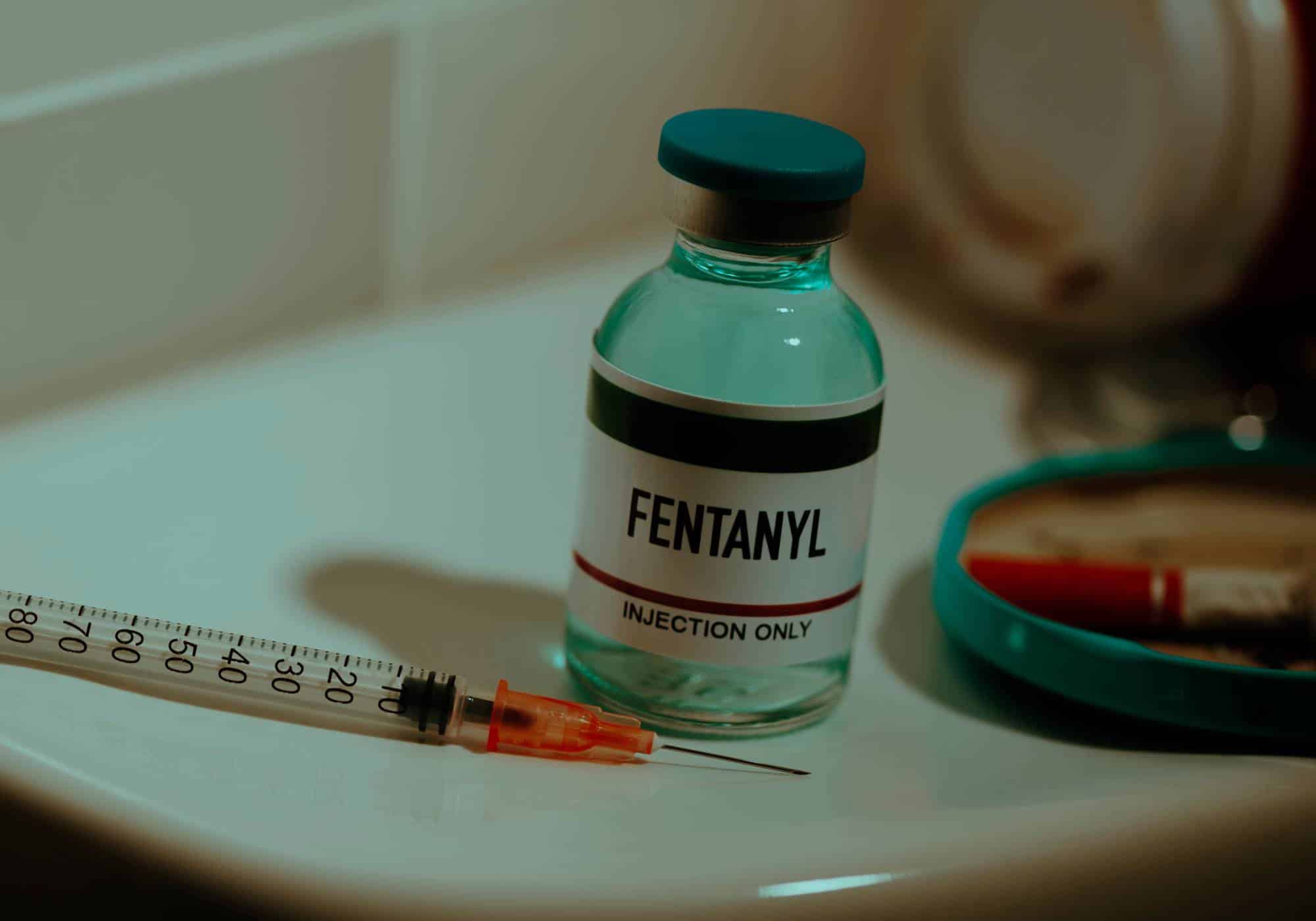
If you suspect you or a loved one may be addicted to Sherm or PCP, it is critically important to seek professional help immediately. The longer a person waits to pursue addiction treatment, the greater the risk of catastrophic events—from severe injury due to impaired judgment and violent behavior, to self-harm, or even fatal overdose, especially given the common contamination of street drugs with powerful opioids like fentanyl.
Fortunately, wherever you are, effective treatment options are available. For those seeking flexible yet comprehensive care, outpatient addiction treatment offers a powerful pathway to recovery. At Hope Harbor Wellness in Atlanta, GA, we specialize in guiding individuals through the complexities of Sherm addiction.
Why Outpatient Detox and Treatment for Sherm/PCP Addiction?
While severe cases or those with co-occurring medical complications might require initial inpatient stabilization, outpatient detox and treatment can be incredibly effective for many individuals struggling with Sherm addiction. This approach provides:
- Medical Supervision for Detox: PCP withdrawal can be challenging and unpredictable. Our outpatient program offers medical oversight to manage withdrawal symptoms safely, potentially including medication to alleviate discomfort and prevent complications.
- Flexibility and Life Integration: Outpatient treatment allows you to live at home, continue with work or school, and maintain family responsibilities while actively engaging in recovery. This means less disruption to your daily life.
- Privacy and Confidentiality: For many, the ability to receive intensive treatment without a prolonged stay away from home is crucial for maintaining privacy.
- Real-World Skill Practice: Learning coping mechanisms and relapse prevention strategies in your daily environment allows for immediate application, fostering more sustainable recovery habits.

Components of Outpatient Treatment for Sherm Addiction at Hope Harbor Wellness
Our tailored treatment programs are designed to address the unique challenges of Sherm addiction and can include a combination of the following therapies and support:
- Medical Detoxification & Withdrawal Management: Though often less intense than opioid withdrawal, PCP withdrawal can include paranoia, hallucinations, and intense cravings. Our medical team monitors symptoms and provides support to ensure safety and comfort during detox.
- Individual Therapy: One-on-one counseling using evidence-based modalities like Cognitive Behavioral Therapy (CBT) and Dialectical Behavior Therapy (DBT) helps individuals identify triggers, challenge distorted thoughts, develop healthy coping mechanisms, and process underlying trauma or mental health issues.
- Group Therapy: Provides a supportive environment for individuals to share experiences, gain insights from peers, and practice new communication and social skills in a safe setting.
- Psychoeducation: Clients and their families learn about the neuroscience of addiction, the specific effects of PCP/Sherm, and how to support long-term recovery.
- Relapse Prevention Planning: Developing personalized strategies to identify and avoid triggers, manage cravings, and respond effectively to potential slip-ups.
- Aftercare Planning: Ensuring a smooth transition from intensive outpatient treatment to ongoing support, such as therapy, support groups, and community resources.
- Dual Diagnosis Treatment: Many individuals struggling with substance abuse also battle underlying mental health conditions. Our integrated approach addresses both simultaneously for more effective, holistic recovery.
In the end, it’s exceedingly difficult for people to overcome addiction on their own, especially with a complex and powerful drug combination like Sherm. Drugs like PCP can physically alter the brain’s self-control and reward centers, making relapses feel almost inevitable without professional intervention. However, with the right therapies, dedicated outpatient support, and robust relapse prevention strategies, patients can successfully beat their addictions. They can reclaim their lives, rebuild relationships, and achieve lasting happiness and stability.
You don’t have to face the challenge of Sherm addiction alone. At Hope Harbor Wellness in Atlanta, GA, our experienced team is committed to guiding you away from dependency and towards a healthier, more satisfying life. To begin your own recovery journey and learn more about our customized outpatient drug addiction treatment options, please contact Hope Harbor Wellness at 770-573-9546 or fill out our online contact form today. Your path to true liberation from addiction starts here.
Sherm Frequently Asked Questions
What exactly is “Sherm”?
“Sherm” typically refers to marijuana or tobacco cigarettes that have been dipped in or coated with PCP (phencyclidine), a powerful and dangerous dissociative hallucinogen.
Is “Sherm” really that dangerous?
Yes, “Sherm” is extremely dangerous. It combines the unpredictable effects of PCP with the added severe health risks of inhaling toxic chemicals like embalming fluid, which is sometimes used in its preparation. It can lead to severe psychological effects, overdose, and long-term brain damage.
What are the immediate effects of smoking Sherm?
Immediate effects can include intense paranoia, anxiety, agitation, unpredictable and sometimes violent behavior, numbness, loss of coordination, difficulty speaking, increased heart rate and blood pressure, and a distorted sense of reality.
What are the long-term effects of Sherm or PCP use?
Long-term effects can include chronic psychosis (schizophrenia-like symptoms), severe memory loss, impaired judgment, intense drug cravings, persistent flashbacks, physical addiction, and an increased risk of developing other mental health disorders like depression and anxiety.
Can you overdose on Sherm? What are the signs?
Yes, an overdose on Sherm/PCP is possible and life-threatening. Signs include seizures, coma, respiratory failure, kidney failure, severe paranoia, irregular heartbeat, and cardiac arrest. If you suspect an overdose, call 911 immediately.
Why is embalming fluid sometimes used in Sherm, and is it dangerous?
Embalming fluid is sometimes used to dissolve powdered PCP for dipping, often based on a dangerous misconception that it enhances the high. It is extremely dangerous as it contains toxic chemicals like formaldehyde and methanol, which can cause severe organ damage, blindness, respiratory issues, and metabolic acidosis.
What does PCP withdrawal feel like?
PCP withdrawal symptoms can include cravings, depression, anxiety, agitation, confusion, tremors, sweating, and in severe cases, psychosis or seizures. The severity depends on the duration and intensity of use.
What kind of treatment does Hope Harbor Wellness offer for Sherm addiction?
Hope Harbor Wellness in Atlanta, GA, offers comprehensive outpatient substance abuse treatment for Sherm addiction. This includes medically supervised detox, individual and group therapy (e.g., CBT, DBT), psychoeducation, relapse prevention planning, and aftercare support.
Can I recover from Sherm addiction with outpatient treatment?
Yes, many individuals can achieve lasting recovery from Sherm addiction through outpatient treatment, especially if they have a stable home environment and a strong support system. Outpatient programs provide the structure and therapy needed while allowing you to maintain daily responsibilities.
How do I get help for myself or a loved one struggling with Sherm?
The best first step is to contact a professional treatment center like Hope Harbor Wellness. We can provide a comprehensive assessment and discuss personalized outpatient detox and treatment options. Call us at 770-573-9546 or fill out our online contact form to begin the journey to recovery.