


Most people know of the hallucinogenic club drug MDMA, which is also known as ecstasy or Molly. However, there is a similar version of hallucinogen – called sassafras, sass, Sally, or MDA – that, while less known, has been around longer.
Described by some as a sweet-smelling, milder, slower version of ecstasy, sassafras has recently resurfaced in popularity due to its perceived “gentle” high. However, a smooth high does not, in any way, equate to a drug being safer for the person who uses it. The reality of sassafras (MDA) use is far more complex and dangerous than its reputation suggests.
This page will discuss the truth about MDA, exploring its chemical origins, its profound effects on the brain and body, and the critical need for professional addiction treatment. At Hope Harbor Wellness in Atlanta, GA, we understand the unique challenges associated with hallucinogen and stimulant misuse, and we are dedicated to providing compassionate, evidence-based outpatient substance abuse treatment to help individuals reclaim their lives.
What Is Sassafras? Unpacking MDA and Its Origins
The illicit drug known as sassafras is essentially methylenedioxyamphetamine – or MDA. It is a potent stimulant and hallucinogenic substance that has been illegally synthesized to create what users describe as a “smooth” or “gentle” high, often compared to a purer, more introspective version of MDMA.
The chemical origin of this substance is sassafras oil, which can be extracted from the sassafras plant (Sassafras albidum). This oil contains the active ingredient safrole, a natural organic compound that can be chemically processed to illicitly produce either MDA or MDMA.
The sassafras plant itself is a flowering tree native to the eastern United States. Historically, Native American tribes in the region utilized sassafras for a variety of medicinal purposes, including as a fever reducer, cough medicine, dewormer, and a treatment for diarrhea and other digestive upset. The leaves, bark, and roots have also been widely used for flavoring foods, such as in gumbo filé, a powder made from the roots or leaves that is used in making gumbo. Up until 1960, sassafras root was also a key ingredient in making a popular beverage similar to root beer.
However, as explained by authoritative sources like Drugs.com, the use of the sassafras plant in food and beverages has been illegal in the U.S. since 1960 due to its carcinogenic effects, specifically linked to the safrole content. Despite this prohibition, some individuals are known to still use sassafras directly by brewing tea from the bark or roots, or using ground plant material as a flavoring for food. Critically, components of the plant, especially concentrated safrole from its oil, are illegally used to create the powder or pills applied in recreational drug use. This distinction between the plant and the illicit drug derived from it is vital for understanding its legal and health implications.
Is the sassafras plant the same as the drug “sassafras”?
No, while the illicit drug “sassafras” (MDA) is derived from the safrole found in the sassafras plant, the plant itself is not the drug. The drug is a chemically synthesized substance from the plant’s oil, and direct consumption of the plant can also be dangerous due to its carcinogenic properties.

Is Sassafras (MDA) Legal?
In the United States, MDA is unequivocally considered a Schedule I controlled substance.
This classification, assigned by the Drug Enforcement Administration (DEA), signifies that MDA has:
- No currently recognized federal medical purposes.
- A high potential for abuse.
- A lack of accepted safety for use under medical supervision.
Consequently, it is strictly illegal to own, use, or distribute MDA in any form within the U.S. This stringent legal status reflects the significant health and public safety risks associated with the substance.
The precursor, safrole, and sassafras oil itself are also heavily regulated. Sassafras oil is produced for legitimate purposes as a component of fragrances and even as a component of insecticides. However, because the oil is the specific part of the sassafras plant that contains its psychoactive substance, safrole (which can be extracted through distillation), it is closely monitored. This, in turn, can be used in the illicit production of both MDA and MDMA, as described by articles in scientific journals like Chemistry Today. Due to its crucial role in creating MDMA (also a Schedule I controlled substance), there are strict restrictions on the possession and use of sassafras oil, with the U.S. Drug Enforcement Agency actively regulating the substance to curb its diversion for illegal drug manufacturing. Safrole can also be extracted from other similar types of trees found globally, further complicating its control.
Effects of Sassafras (MDA) on the Brain and Body
MDA, like its more famous counterpart MDMA, primarily affects three key neurotransmitter systems in the brain: serotonin, norepinephrine, and dopamine. Its mechanism of action involves causing the brain to release large quantities of these “feel-good” chemicals while simultaneously decreasing their reuptake. This means these neurochemicals linger in the synaptic clefts for an extended period, amplifying their effects. The result of this complex neurochemical action is to cause a powerful euphoric, stimulating, and hallucinogenic response in the brain.
To describe it differently, sassafras (MDA) possesses both stimulant and hallucinogenic properties. Its impact significantly increases feelings of pleasure, well-being, and empathy, which collectively create the intense “high” experienced by those who use it.
- Serotonin System: As explained by the National Institute on Drug Abuse (NIDA), the serotonin system in the brain profoundly affects mood, sleep regulation, memory functions, and social behavior. The hallucinogenic properties of sassafras occur primarily through these functions, leading to altered perceptions and potentially vivid sensory experiences.
- Dopamine Response: By stimulating dopamine release and preventing its reuptake, sassafras creates an intense sense of euphoria or extreme pleasure, contributing to its addictive potential. Dopamine is central to the brain’s reward system, reinforcing drug-seeking behaviors.
- Norepinephrine Stimulation: The surge in norepinephrine makes a person feel highly energetic, powerful, focused, and can create a strong, albeit artificial, sense of confidence and motivation. This stimulant effect can also lead to increased alertness and a heightened sense of sensory awareness.
In addition to these core neurochemical effects, additional short-term physical and psychological effects of sassafras use include:
- Increased heart rate and respiration, putting strain on the cardiovascular system.
- Significant sleep disruption, leading to exhaustion.
- Digestive issues such as nausea, vomiting, and loss of appetite.
- Dilated pupils and blurred vision.
- Jaw clenching (bruxism).
- Loss of inhibition, potentially leading to risky behaviors.
- Hyperthermia (dangerously elevated body temperature) and dehydration.
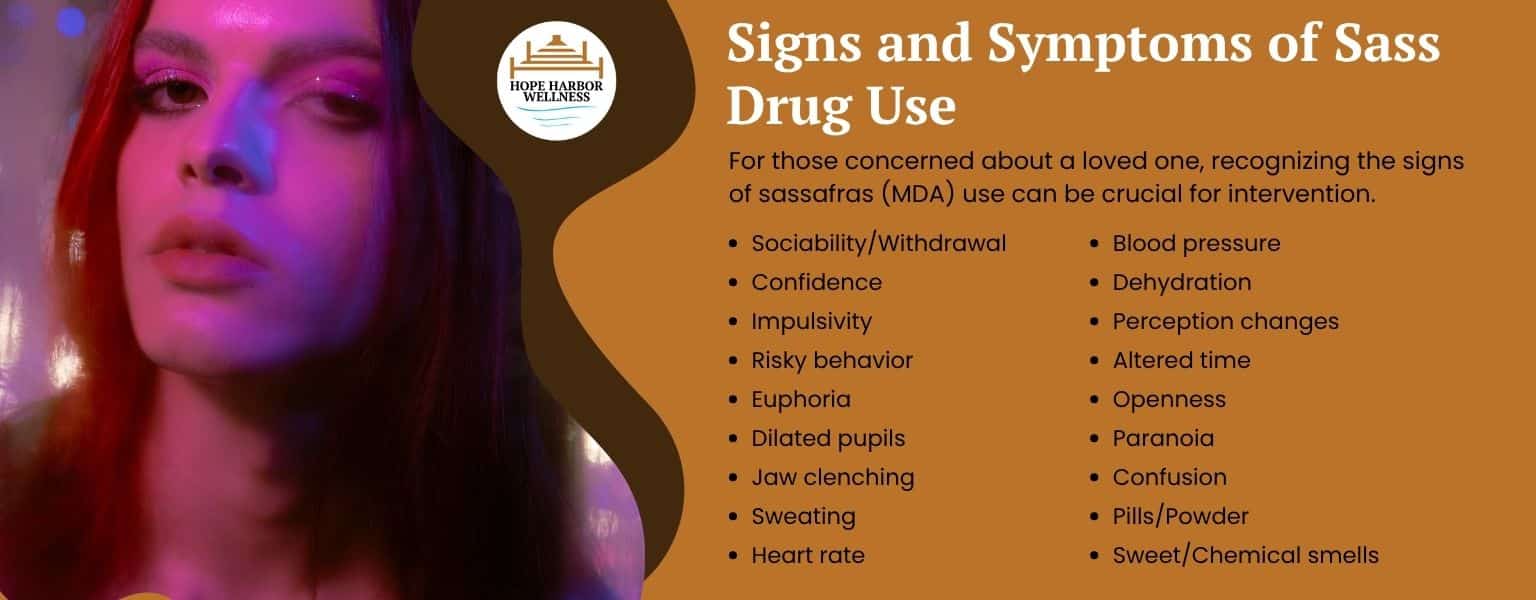
Recognizing Signs and Symptoms of Sass Drug Use
For those concerned about a loved one, recognizing the signs of sassafras (MDA) use can be crucial for intervention.
These signs often mirror those of MDMA but may have subtle differences:
- Behavioral Changes: Increased sociability and talkativeness followed by periods of withdrawal; unusual confidence; impulsivity; risky behaviors; intense euphoria, especially in social settings.
- Physical Symptoms: Dilated pupils, rapid eye movements; jaw clenching; profuse sweating and hot flashes; increased heart rate and blood pressure; reduced appetite; elevated body temperature; dehydration.
- Psychological/Emotional Cues: Heightened sensory perception; altered sense of time; unusual emotional openness; paranoia or anxiety; confusion after the effects wear off.
- Paraphernalia: Small pills, powder residues, or unusual sweet or chemical smells on clothing or breath.
Sassafras Withdrawal Symptoms
While MDA is not typically associated with severe physical withdrawal symptoms like opioids or alcohol, discontinuing its use can lead to a challenging psychological and emotional withdrawal period.
Users may experience:
- Depression: Often profound and long-lasting, due to the depletion of serotonin.
- Fatigue and Lethargy: Extreme tiredness and lack of energy.
- Irritability and Anxiety: Increased emotional sensitivity and restlessness.
- Difficulty Concentrating: Impaired cognitive function.
- Memory Problems: Issues with recall and retention.
- Intense Cravings: Strong psychological urges to use the drug again to escape discomfort.
- Anhedonia: A significant and distressing loss of the ability to feel pleasure or joy in activities once enjoyed.
These withdrawal symptoms, particularly anhedonia and depression, can be extremely debilitating and contribute significantly to relapse if not managed with professional support.
Is Using Sassafras Dangerous? The Long-Term Consequences
Yes, using sassafras (MDA) is unequivocally dangerous, regardless of its perceived “mildness.” The drug’s powerful action in the brain and its metabolic byproducts pose severe and potentially irreversible health risks.
As a result of the drug’s complex neurochemical effects, individuals who use sassafras, particularly sassafras oil or isolated safrole, may experience a range of harmful health effects::
- Severe Hallucinations: Distorted perceptions that can be distressing or lead to dangerous behaviors.
- Cardiovascular Complications: High blood pressure, increased heart rate, and potential strain on the heart, leading to arrhythmias or other cardiac events.
- Temperature Dysregulation: Hot flashes and excessive sweating, which can contribute to dangerous hyperthermia and dehydration.
- Gastrointestinal Distress: Vomiting, severe digestive discomfort, and nausea.
- Reproductive Risks: For pregnant individuals, there is a serious risk of spontaneous abortion.
- Organ Damage: Significant risk of liver damage due to the metabolic breakdown of safrole.
- Cancer Risk: Safrole is a known carcinogen, increasing the risk of certain cancers with prolonged exposure, even from the plant itself.
In addition, as the National Institute on Drug Abuse (NIDA) extensively demonstrates, the chronic or high-dose use of sassafras can result in profound and long-lasting destruction of serotonin and dopamine receptors in the brain. This neurotoxicity can lead to a severe and persistent condition called anhedonia, where an individual loses the ability to feel pleasure or joy from activities that once brought them happiness. Even after discontinuing the use of sassafras, it can be incredibly difficult to return to normal neurotransmitter function because of this destruction of crucial neurotransmitter binding sites. NIDA research indicates that it can take up to a year, or even longer, to regain a semblance of normal neurochemical function in these affected brain areas, making the recovery process profoundly challenging without professional intervention.
Sassafras Abuse Treatment
Overcoming a substance use disorder involving sassafras (MDA) requires a comprehensive and individualized approach, best provided by experienced addiction treatment professionals and programs. Through evidence-based addiction treatment, those who are struggling with substance use problems can achieve sobriety and build the essential skills to maintain long-term recovery and reclaim a fulfilling life.
While some individuals may require initial medical detox to safely manage acute withdrawal symptoms, especially if polysubstance use is involved, the primary focus for sassafras addiction treatment often lies in addressing the intense psychological and emotional components of dependence. At Hope Harbor Wellness in Atlanta, GA, we specialize in outpatient drug addiction treatment, providing a flexible yet intensive level of care that allows individuals to heal while remaining connected to their daily lives.
Our comprehensive outpatient programs are designed to address the underlying factors that contribute to addiction and to help individuals repair broken thought and behavioral patterns, enabling them to maintain long-term recovery.
Treatment works through a combination of:
- Behavioral Therapies: Such as Cognitive Behavioral Therapy (CBT) and Dialectical Behavior Therapy (DBT), which help individuals identify triggers, develop healthy coping mechanisms, challenge negative thought processes, and improve emotional regulation.
- Psychoeducation: Providing individuals and their families with a deep understanding of how MDA affects the brain, the risks involved, and the nature of addiction, which empowers them in the recovery process.
- Trauma-Informed Care: Addressing any co-occurring trauma that may contribute to substance use.
- Mental Health Integration: Providing robust support for co-occurring mental health conditions like depression, anxiety, or anhedonia, which are common after sassafras use.
- Peer Support and Group Therapy: Connecting with others who share similar experiences provides a sense of community, reduces isolation, and offers invaluable mutual support.
- Relapse Prevention Planning: Equipping individuals with concrete strategies to identify high-risk situations, manage cravings, and prevent future use.

Stop Drug Addiction with Hope Harbor Wellness
Recovery from sassafras (MDA) addiction is a journey that requires courage, support, and specialized care. At Hope Harbor Wellness in Atlanta, GA, we are dedicated to helping you or your loved one recover from stimulant and hallucinogen addiction through our person-centered outpatient substance abuse treatment programs.
We understand that the ideal form of treatment depends on your unique situation and needs. While we do not offer inpatient medical detox or residential care, we conduct thorough assessments to ensure that our outpatient services are the most appropriate level of care for you. If a higher level of initial stabilization is needed, we can provide guidance on finding suitable detox services, facilitating a seamless transition into our comprehensive outpatient program once medically stable.
Upon admission to Hope Harbor Wellness, patients are evaluated by a compassionate team of specialists who will outline an individualized path to recovery. Our focus is on empowering you with the tools, insights, and support necessary to manage cravings, process emotional challenges, heal neurochemical imbalances (like anhedonia), and build a fulfilling life free from substance dependence. As your needs evolve throughout treatment, the course of your individualized program will also adapt, ensuring continuous, tailored support.
Take the courageous step towards reclaiming your mind and your future. Contact Hope Harbor Wellness today at 770-573-9546 or fill out our online contact form to learn more about how our outpatient substance abuse treatment in Atlanta, GA can guide you toward lasting sobriety and renewed well-being.
Sassafras (MDA) Frequently Asked Questions
What is the drug “sassafras” or MDA?
“Sassafras” is the street name for methylenedioxyamphetamine (MDA), a powerful synthetic drug derived from the safrole in the sassafras plant. It acts as both a stimulant and a hallucinogen, affecting brain chemicals like serotonin, dopamine, and norepinephrine.
Is “sassafras” (MDA) legal?
No, MDA is a Schedule I controlled substance in the United States, meaning it has no recognized medical use and is illegal to possess, use, or distribute. The sassafras plant’s oil (safrole) is also heavily regulated due to its use in illicit drug manufacturing.
What does MDA do to your brain?
MDA causes the brain to release high amounts of serotonin, dopamine, and norepinephrine, leading to intense euphoria, increased energy, altered perceptions, and sometimes hallucinations. It also blocks the reuptake of these chemicals, prolonging their effects.
What are the dangers of using sassafras (MDA)?
Using MDA is dangerous due to risks like high blood pressure, liver damage, potential for spontaneous abortion, and a heightened risk of cancer from safrole. It can also cause neurotoxicity, damaging brain receptors and leading to long-term anhedonia (inability to feel pleasure).
What are the signs of MDA use or addiction?
Signs can include dilated pupils, increased heart rate, excessive sweating, jaw clenching, talkativeness followed by withdrawal, altered perceptions, unusual confidence, paranoia, and symptoms of depression or anhedonia when not using.
Are there withdrawal symptoms from MDA?
Yes, discontinuing MDA can lead to psychological and emotional withdrawal symptoms, including severe depression, profound fatigue, irritability, anxiety, intense cravings, difficulty concentrating, and significant anhedonia.
How is addiction to sassafras (MDA) treated?
Treatment typically involves behavioral therapies like CBT and DBT, psychoeducation, trauma-informed care, and integrated support for co-occurring mental health conditions. While medical detox might be needed in some cases, the focus is on comprehensive outpatient care to address underlying issues and build coping skills.
Can someone recover from MDA addiction?
Yes, with professional help and dedicated effort, individuals can recover from MDA addiction. Comprehensive treatment programs provide the tools, support, and therapeutic interventions necessary to manage cravings, heal from the drug’s effects, and build a fulfilling, sober life.