
Meth Production Involves the Use of Dangerous Chemicals, Which Have a Powerful Odor
People often wonder, what does meth smell like if it’s being manufactured nearby or smoked in their vicinity. Because meth production calls for toxic components and the “cooking” process involves strong substances, the odors can be quite distinctive. They may remind you of glass cleaner, cat urine, or rotten eggs. Still, the exact smell of meth can vary depending on how it’s made and the chemicals used. If you’re worried about suspicious odors or signs of meth in your area, knowing the facts might help you take precautions and protect those around you. At Hope Harbor Wellness in Atlanta, GA, we encourage everyone to stay informed about potential threats to well-being—like meth labs or smoking paraphernalia—and to reach out for professional help if needed. Keep reading for an in-depth look at how meth smells, how it’s made, and the risks of exposure.
Does Meth Have a Smell?
When someone smokes meth, the odor often turns lighter and somewhat sweeter than you might expect, in part because the chemical reaction is different from the cooking stage. However, the word “sweet” might be misleading. The smell is rarely pleasant. It’s only less harsh than the strong fumes from manufacturing.
Chemicals used in meth can produce sharp or acrid odors. Some describe it as a “cleaner-like” smell, reminiscent of powerful solvents you might find in a hospital. Others detect vinegar or ammonia overtones. If you pick up on repeated chemical smells that come and go at strange times of the day or night, it’s wise to be cautious. Meth-making can put entire neighborhoods at risk, not only from the toxic air but also from the possibility of explosions.
What Does Meth Smell Like?
What Does Meth Smell Like When Smoked?
-
Chemicals: You may notice a lingering chemical tinge that irritates the nose or throat.
-
Almost Sweet: Some say the odor can carry a sweet undertone, though it’s not a sugary sweetness.
-
Cleaning Products: Others mention it parallels the scent of strong household cleaners.
What Does a Meth Lab Smell Like?
-
Powerful Chemicals: The cooking process may release fumes reminiscent of bleach or ammonia.
-
Paint or “Hospital Smell”: Byproducts can smell like paint thinner or disinfectant.
-
Vinegar or Ammonia: Meth labs often rely on substances that produce acrid, sour scents.
-
Cat Urine or Rotten Eggs: A pungent sulfur-like scent can also be present.
These odors are red flags. If you run across a space filled with the stench of chemical solvents or rotten eggs for no obvious reason, it might point to meth production.
Why Does Meth Smell?
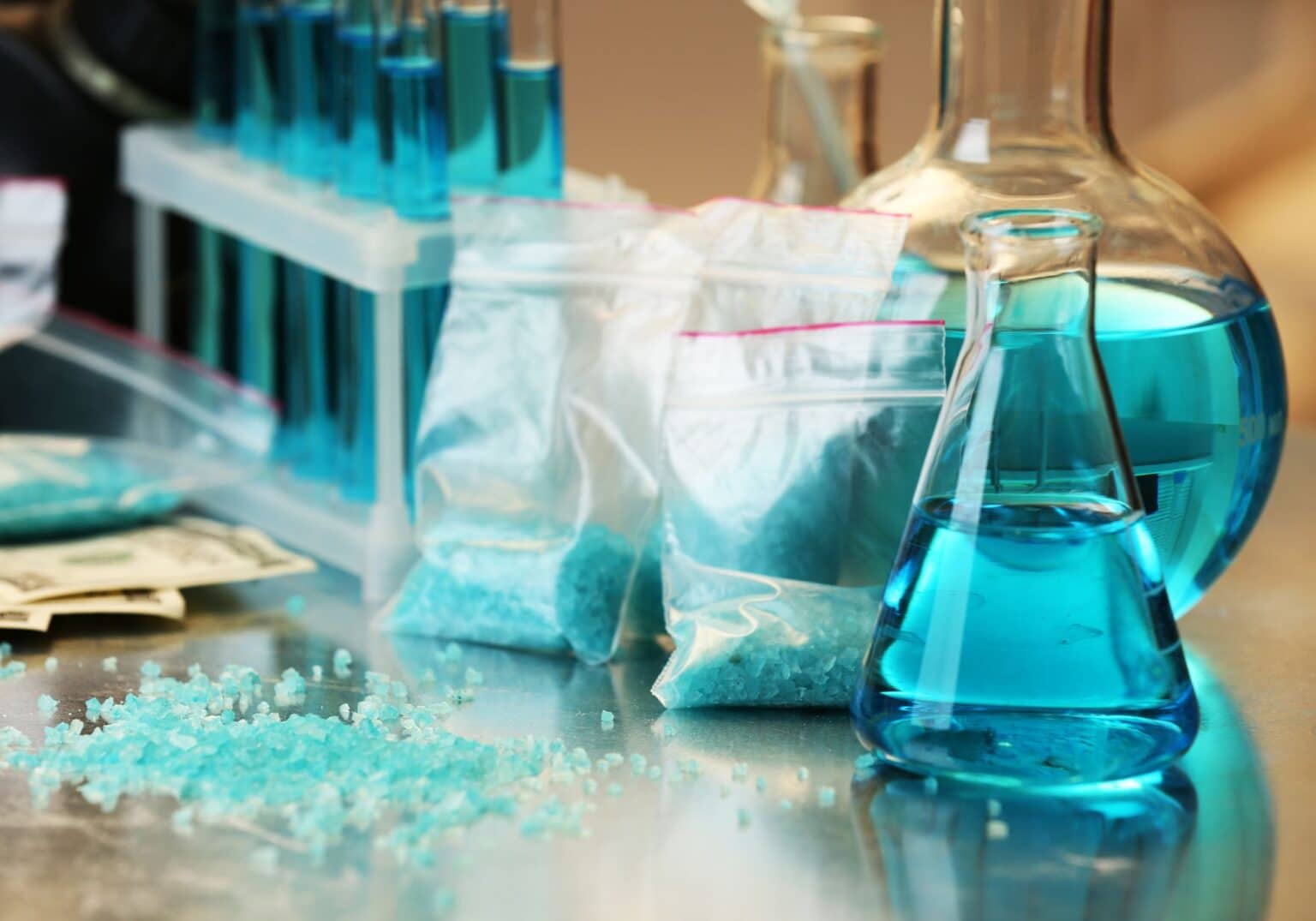
At its heart, meth is a synthetic drug made from many hazardous compounds in an illicit “cooking” process. This cooking starts by extracting pseudoephedrine (commonly found in cold or diet medications). Then certain chemicals, such as ammonia or lithium, are introduced. A solvent is used to isolate the meth, and finally, acid gas is introduced to form crystals. Each step can yield strong, unpleasant odors.
Cooking and Chemical Reactions
-
Ephedrine/Pseudoephedrine: Sourced from over-the-counter medicines, it’s the main ingredient.
-
Ammonia and Lithium: Used to create chemical reactions that transform ephedrine into meth.
-
Solvents and Acids: They help crystallize meth, but also produce sharp fumes.
These processes can generate everything from cat urine–type smells to a sour stench similar to vinegar. At higher temperatures, the chemicals can become especially pungent. This environment is so volatile that accidents—like explosions or fires—aren’t uncommon, which is one reason why stumbling upon a meth lab can be extremely dangerous.
How Meth Is Made?
Although most meth in the United States originates in labs across the border, some people still make it domestically in small-scale operations. The 2005 Combat Methamphetamine Act introduced regulations that track pseudoephedrine sales, limiting over-the-counter purchases. Nonetheless, illegal cooks use a variety of techniques to bypass these restrictions and produce meth in hidden setups—like abandoned properties, makeshift sheds, or even mobile labs.
Small or Large Scale
-
Small “Mom and Pop” Labs: Might operate in quiet neighborhoods or remote areas.
-
Large Labs: Found in more sophisticated settings, sometimes connected to larger criminal networks.
Regardless of lab size, the overall method remains risky. Toxic fumes, flammable chemicals, and corrosive substances can harm people in or near the cooking area. The odor is a byproduct of these intense chemical changes.
What Ingredients Are Used to Make Meth?
Meth production can involve an assortment of chemicals, all of which pose significant health and safety hazards:
-
Acetone (found in nail polish remover or paint thinner)
-
Anhydrous Ammonia (used in fertilizers or household cleaners)
-
Hydrochloric Acid (highly corrosive, can burn skin or metal)
-
Lithium (extracted from batteries, highly explosive on contact with air or moisture)
-
Red Phosphorous (found in matches or fireworks, extremely flammable)
-
Sulfuric Acid (a main part of drain or toilet cleaners, can cause severe burns)
When these chemicals interact, noxious fumes can form. Plus, chemical residues often remain, so a house or building can remain contaminated long after the meth lab is shut down.
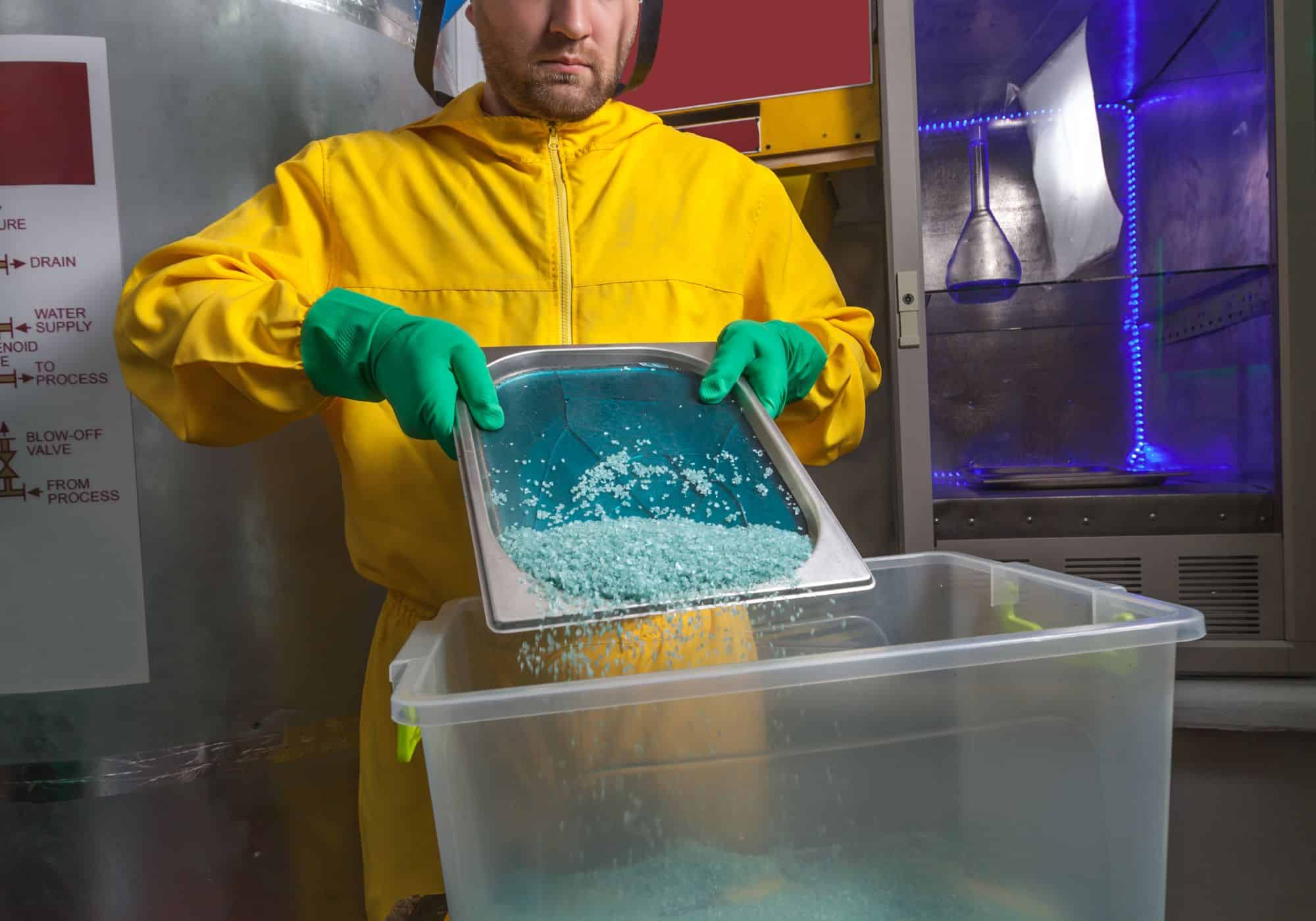
What to Do If Something Smells Like Meth
If you detect peculiar chemical odors—especially if they’re reminiscent of strong cleaners, ammonia, cat urine, or rotten eggs—your neighbor might be running a meth lab or smoking meth. You might feel uneasy or unsure about how to proceed. Yet, if you suspect a real danger, inaction can be worse.
Steps to Consider
-
Stay Safe: Don’t confront potential meth cooks or try to investigate on your own.
-
Document Details: Note times or patterns when odors intensify.
-
Stay Alert: Watch for suspicious activity, late-night traffic, or blacked-out windows.
-
Report Anonymously: Law enforcement or drug task forces often allow tips without revealing your identity.
Keep in mind that unusual smells aren’t always meth labs. Something else could be happening. However, the risk of explosion or chemical exposure is high enough that it’s wise to share concerns with authorities rather than ignoring them.
How to Spot a Meth Lab
Beyond weird odors, you might spot other clues of meth production in your area. Some signs are subtle; others are blatant. If you notice multiple red flags, trust your instincts.
-
Odd Hours: Activity in the home late at night or visitors coming and going at all hours.
-
Unemployed Residents with No Financial Struggles: Meth operations can generate money, which can appear suspicious if the occupant doesn’t seem to have a day job.
-
Paranoid or Secretive Behavior: Curtains drawn 24/7, surveillance cameras, or residents wary of outsiders.
-
Frequent Trash Burning: Attempting to hide or destroy chemical containers.
-
Dead Grass Spots: Chemical waste might kill vegetation.
-
Chemical Containers in Trash: Look for excessive bottles, tubes, or leftover pseudoephedrine packaging.
Meth labs might pop up anywhere—rural locations, apartments, or suburban homes. If something feels off, it’s worth investigating from a distance and potentially notifying authorities.
The Dangers of Being Exposed to a Meth Lab
From toxic fumes to potential explosions, being near a meth lab can place you in serious peril. Chemicals used are extremely flammable, and accidental ignitions happen more often than many realize. Even minimal contact with certain components can irritate your skin or lungs. If you unknowingly move into a house that was once a meth lab, contaminants might linger, posing ongoing health risks.
Health Problems
-
Headaches and Breathing Trouble: Fumes can irritate airways, producing chronic cough or difficulty breathing.
-
Nausea and Vomiting: Chemical exposure can upset your digestive system.
-
Dizziness or Eye Irritation: High levels of chemical vapors can create burning sensations in the eyes.
-
Skin Burns or Rashes: Corrosive byproducts might stick to floors, walls, and surfaces.
A family in one case study developed multiple health issues—like asthma-like symptoms, watery eyes, and dizziness—after unknowingly moving into a former meth lab. Their youngest child suffered the worst because of contact with contaminated surfaces. Effects can persist until the property undergoes specialized cleaning or the occupants relocate.
What to Do If You Suspect Meth Use or Production in Your Neighborhood
Given the volatility and potential for criminal activity, you should never confront suspected meth users or cooks on your own.
Instead, consider these steps:
-
Contact Local Authorities: Non-emergency police lines or drug tip hotlines often allow anonymous reports.
-
Gather Evidence Safely: If you notice repeated chemical smells or see an unusual pattern of visitors, keep a log. This can help law enforcement.
-
Encourage Loved Ones to Seek Help: If you suspect someone close to you is using or making meth, suggest they look into outpatient drug treatment—or possibly more intensive care.
-
Avoid Entering the Area: Don’t risk exposure to toxic fumes or risk an explosive mishap.
-
Protect Yourself: If you become ill from suspected meth-lab fumes, seek medical attention and inform health professionals about potential chemical exposure.
Realistically, the weird smell might be from an innocuous source. But if you see the situation aligns with signs of a meth lab—like odd chemical waste, late-night visits, people seeming paranoid—it’s best to let authorities handle it. They’re equipped to investigate safely.
If you or someone you care about is dealing with meth-related issues or other substance challenges, Hope Harbor Wellness in Atlanta, GA is here. Reach out at 770-573-9546 or fill out our online contact form for guidance, support, and professional care to break free from addiction and find a healthier, safer path forward.