
A common question for those who have used or are concerned about MDMA is: “How long does MDMA stay in your system?” also known as “How long does Ecstasy stay in your system?” Understanding the detection windows for this powerful drug is crucial, whether for personal knowledge, drug testing, or recognizing signs of misuse.
MDMA (3,4-methylenedioxymethamphetamine), commonly known as Ecstasy or Molly, is a synthetic drug with both stimulant and hallucinogenic properties. It’s known for altering mood and perception. Depending on the testing method, MDMA can be detected in your blood, saliva, or urine for up to 3 days after consumption, and potentially in your hair for as long as 90 days.
If concerns about MDMA detection stem from regular use or if you find yourself struggling with its effects, Hope Harbor Wellness offers confidential and effective outpatient substance abuse treatment in Atlanta, GA. We provide a supportive environment to help you understand the risks of MDMA misuse and guide you toward lasting recovery.
Understanding MDMA Metabolism and Its Half-Life
To accurately gauge how long MDMA remains in your body, it’s important to understand how your system processes it and the concept of its half-life.
What is MDMA?
MDMA is a synthetic substance designed to produce feelings of increased energy, pleasure, emotional warmth, and distorted sensory and time perception. It achieves these effects by increasing the activity of neurotransmitters like serotonin, dopamine, and norepinephrine in the brain.
MDMA’s Half-Life
The half-life of MDMA is approximately 8 hours. This means that after about 8 hours, half of the drug’s active substance will have been metabolized and cleared from your system. Generally, it takes about 5 half-lives for a drug to be almost completely eliminated from the body. For MDMA, this translates to roughly 40 hours (5 x 8 hours) for about 95% of the drug to leave your system.
How Your Body Metabolizes MDMA
After ingestion, MDMA is rapidly absorbed into the bloodstream. It then travels to the liver, where the majority of the drug is broken down by enzymes into various chemical compounds called metabolites. These metabolites, along with a small portion of the unchanged MDMA, are then primarily disposed of through your urine and, to a lesser extent, your stool. The efficiency of this process can vary significantly from person to person.
What is MDMA’s half-life?
MDMA has an approximate half-life of 8 hours, meaning it takes about 8 hours for half of the drug to be eliminated from your system.
How is MDMA metabolized in the body?
MDMA is primarily metabolized in the liver by enzymes that break it down into metabolites. These metabolites, along with some unchanged drug, are then excreted primarily through urine.
Factors Affecting How Long MDMA Stays in Your System
The precise duration MDMA remains detectable in the body is not fixed.
Several individual and drug-related factors can influence its elimination time:
- Dose and Frequency of Use: Higher doses of MDMA take longer for your body to process and eliminate. Similarly, frequent or chronic use leads to drug accumulation, extending the time it stays in your system compared to occasional use.
- Method of Consumption: The way MDMA is consumed can impact how quickly it enters and leaves the bloodstream. While MDMA is commonly taken orally, snorting it may lead to faster absorption and potentially a slightly quicker elimination, though oral ingestion is more typical.
- Individual Metabolism Rate: Everyone’s metabolism is unique. Factors like age, genetics, and activity level can influence how quickly your body processes and removes substances. Generally, younger, healthier, and more active individuals tend to clear MDMA faster.
- Body Composition: Some drugs and their by-products can be stored in fatty tissues. Individuals with a higher body mass index (BMI) or more body fat may potentially retain MDMA metabolites for a slightly longer period.
- General Health: Underlying health conditions, especially those affecting the liver or kidneys (the primary organs responsible for filtering and removing substances), can significantly impair the body’s ability to eliminate MDMA, causing it to remain in the system for an extended duration.
- Polydrug Use (Mixing Substances): If MDMA is consumed in combination with other drugs (knowingly or unknowingly), the body must process multiple substances simultaneously. This can slow down the elimination process for MDMA.
It’s important to understand that you cannot significantly accelerate your body’s natural processing of MDMA. Attempts to “flush” the drug out by drinking excessive water or exercising rigorously are not scientifically proven to speed up elimination and can even be dangerous.

MDMA Drug Test Detection Windows
MDMA can be detected through various drug testing methods, each with a different detection window.
Common Detection Windows for MDMA:
How long does Ecstasy stay in blood?
Ecstasy (MDMA) can typically be detected in blood tests for 1 to 2 days (24-48 hours) after it’s been consumed.
How long does Molly stay in hair?
Molly (MDMA) can be detected in hair follicles for up to 90 days (3 months) after use.
The Effects of MDMA: Desired vs. Dangerous
Individuals use MDMA for its perceived “desirable” effects, which contribute to its potential for misuse and addiction:
- Euphoria, Excitement, and Happiness: Intense feelings of well-being.
- Feelings of Emotional Closeness: Increased empathy and a desire for connection with others.
- Confidence and Increased Sociability: Reduced inhibitions and enhanced social interaction.
- Heightened Sensory Perception: Colors may seem brighter, and touch can feel more intense.
- Increased Energy: A sense of vitality and endurance.
These pleasurable effects can lead users to take more MDMA to maintain the “high,” potentially creating a cycle of increasing use and a developing tolerance. This can escalate into addiction and may even prompt users to seek out other illicit substances.
However, MDMA also carries significant negative and dangerous effects, which become more pronounced with higher doses or chronic use:
- Physical Effects: Nausea, sweating, chills, increased heart rate and blood pressure, muscle cramps, clenching of the jaw, dehydration, and blurred vision.
- Psychological Effects: Recklessness, anxiety, depression, confusion, paranoia, agitation, and insomnia.
- Severe Risks: In high doses, MDMA can dangerously elevate body temperature (hyperthermia), leading to heatstroke, muscle breakdown, kidney failure, cardiovascular complications, and in extreme cases, even death. This risk is heightened in hot environments or with vigorous physical activity.
More About Drug Tests and Detection
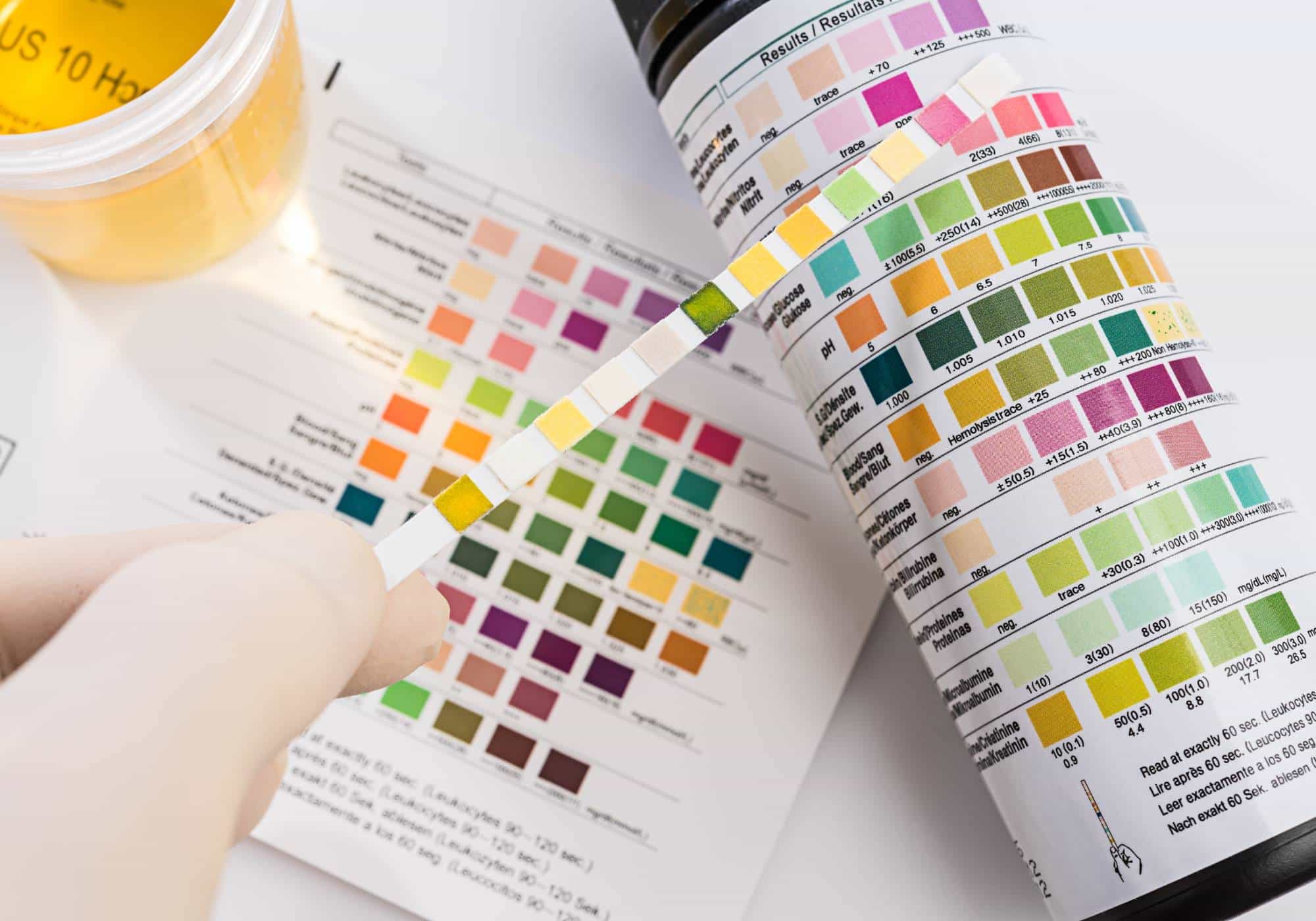
Understanding how long MDMA stays in your system is only one piece of the picture. If you’d like a deeper breakdown of how urine, blood, saliva, and hair tests actually work, you can read our guide on how drug tests work. For a broader overview of different substances and timelines, visit how long drugs stay in your system.
Understanding MDMA Dependence and Withdrawal
Regular or heavy use of MDMA can lead to the body and brain becoming accustomed to its presence, resulting in dependence. If you suddenly stop taking MDMA or are unable to access it, you are likely to experience uncomfortable withdrawal symptoms, often referred to as an “MDMA comedown.”
Common MDMA Withdrawal Symptoms (The “Comedown”):
- Headaches
- Nausea and vomiting
- Heart palpitations
- Excessive sweating (even without physical activity)
- Irritability and agitation
- Panic attacks
- Intense cravings for MDMA
- Significant anxiety
- Depression and low mood
- Fatigue and difficulty concentrating
- Insomnia
These withdrawal symptoms can be distressing and make it challenging to stop using MDMA independently. The severity and duration of the “comedown” depend on factors like the dose, frequency, and duration of use.
Signs of MDMA Addiction and Misuse
If you’re concerned about how long MDMA stays in your system, it may be an indicator that you or someone you know is struggling with misuse or addiction. Recognizing the signs is the first step toward getting help.
Common Signs of MDMA Addiction Include:
- Compulsive Use: Taking MDMA more often, in larger amounts, or for longer than intended.
- Cravings: Experiencing intense urges to use MDMA.
- Neglecting Responsibilities: Failing to meet obligations at work, school, or home due to MDMA use.
- Continued Use Despite Harm: Continuing to use MDMA even when it causes or worsens physical or mental health problems, or leads to legal or relationship issues.
- Tolerance: Needing to take higher doses of MDMA to achieve the desired effects.
- Withdrawal Symptoms: Experiencing physical and psychological discomfort when stopping or reducing use.
- Social Isolation: Withdrawing from friends, family, and activities once enjoyed.
- Preoccupation: Spending excessive time obtaining, using, or recovering from MDMA.
- Financial Problems: Experiencing financial difficulties due to MDMA use.
How do I know if someone is addicted to MDMA?
Look for signs like increased tolerance, withdrawal symptoms when they stop using, prioritizing MDMA over responsibilities, continued use despite negative consequences, strong cravings, and changes in mood or behavior (e.g., increased anxiety, depression, or impulsivity).
Seeking Help for MDMA Addiction: Outpatient Treatment at Hope Harbor Wellness in Atlanta, GA
If you or a loved one is struggling with MDMA misuse or addiction, concerns about how long MDMA stays in your system can be a critical signal to seek professional help. At Hope Harbor Wellness we offer comprehensive outpatient drug addiction treatment in Atlanta, GA designed to help individuals overcome MDMA dependence and build a foundation for lasting recovery.
Our outpatient model provides significant benefits, allowing you to engage in structured therapy and support while maintaining your daily life, work, and family responsibilities in the Atlanta area. This approach fosters the development of real-world coping skills within your community.
Key Components of Our Outpatient MDMA Addiction Treatment:
- Individual Therapy: Personalized sessions using evidence-based approaches like Cognitive Behavioral Therapy (CBT) and Dialectical Behavior Therapy (DBT) to address the root causes of MDMA use, develop healthy coping mechanisms, and prevent relapse.
- Group Therapy: Provides a supportive environment where individuals share experiences, gain insights from peers, and build a sense of community, fostering mutual accountability and support.
- Family Therapy: When appropriate, involves family members to heal relationships, improve communication, and educate loved ones about addiction and recovery, fostering a supportive home environment.
- Psychoeducation: Learning about the science of addiction, understanding triggers, managing cravings, and developing healthy lifestyle choices.
- Life Skills Training: Practical strategies for stress management, communication skills, healthy boundaries, and developing positive routines.
- Relapse Prevention Planning: Developing individualized strategies to identify high-risk situations, cope with cravings, manage triggers, and respond effectively to potential setbacks.
- Aftercare Planning: Connecting clients with ongoing support resources such as 12-step programs (e.g., NA), community support groups, and continued therapy to sustain long-term recovery.
At Hope Harbor Wellness in Atlanta, GA, our experienced and compassionate team is dedicated to providing personalized care that addresses your unique needs. We empower you to navigate challenges and build a fulfilling, substance-free life.
Your Path to Recovery at Hope Harbor Wellness, Atlanta, GA
If you or a loved one is grappling with MDMA addiction, you don’t have to face it alone. The team at Hope Harbor Wellness in Atlanta, GA, is here to provide the expert, compassionate care you need to achieve lasting recovery.
Our outpatient substance abuse treatment programs offer the flexibility and comprehensive support necessary to address the physical, psychological, and emotional aspects of MDMA addiction. We believe in empowering you with the tools and strategies to navigate triggers, build healthy coping mechanisms, and embrace a life of sobriety and well-being.
Take the courageous first step toward a healthier future. Contact Hope Harbor Wellness today at 770-573-9546 or fill out our online contact form to learn more about our outpatient services and how we can support your journey to freedom from MDMA addiction.
Frequently Asked Questions (FAQs) About MDMA Detection and Addiction
How long does MDMA (Ecstasy) stay in your system for a urine test?
MDMA is typically detectable in urine for up to 3 days (72 hours) after use.
What is the half-life of MDMA?
The half-life of MDMA is approximately 8 hours, meaning half of the drug is eliminated from your system in that time.
How long does MDMA stay in your hair?
MDMA can be detected in hair follicles for up to 90 days (3 months) after use, providing a longer detection window.
Can drinking a lot of water help flush MDMA out of my system faster?
No, there is no scientific evidence that drinking excessive amounts of water or exercising can significantly speed up the elimination of MDMA from your system. Your body processes the drug naturally over time.
What are the main signs of MDMA addiction?
Signs include strong cravings, developing a tolerance, experiencing withdrawal symptoms (the “comedown”) when not using, continuing use despite negative consequences, and neglecting responsibilities.
What are the risks of using high doses of MDMA?
High doses of MDMA can lead to dangerous increases in body temperature (hyperthermia), which can cause heart or kidney failure, and in extreme cases, be fatal. It also increases risks of severe anxiety, paranoia, and dehydration.
Does Hope Harbor Wellness offer inpatient detox for MDMA?
Hope Harbor Wellness in Atlanta, GA, specializes in outpatient substance abuse treatment. While we do not offer inpatient detox directly, we can provide referrals and coordinate with trusted detox facilities if medically supervised withdrawal is necessary before beginning our outpatient program.
What kind of treatment does Hope Harbor Wellness offer for MDMA addiction?
We offer comprehensive outpatient treatment including individual therapy (CBT, DBT), group therapy, family therapy, psychoeducation, and relapse prevention planning, all tailored to help you recover from MDMA addiction.