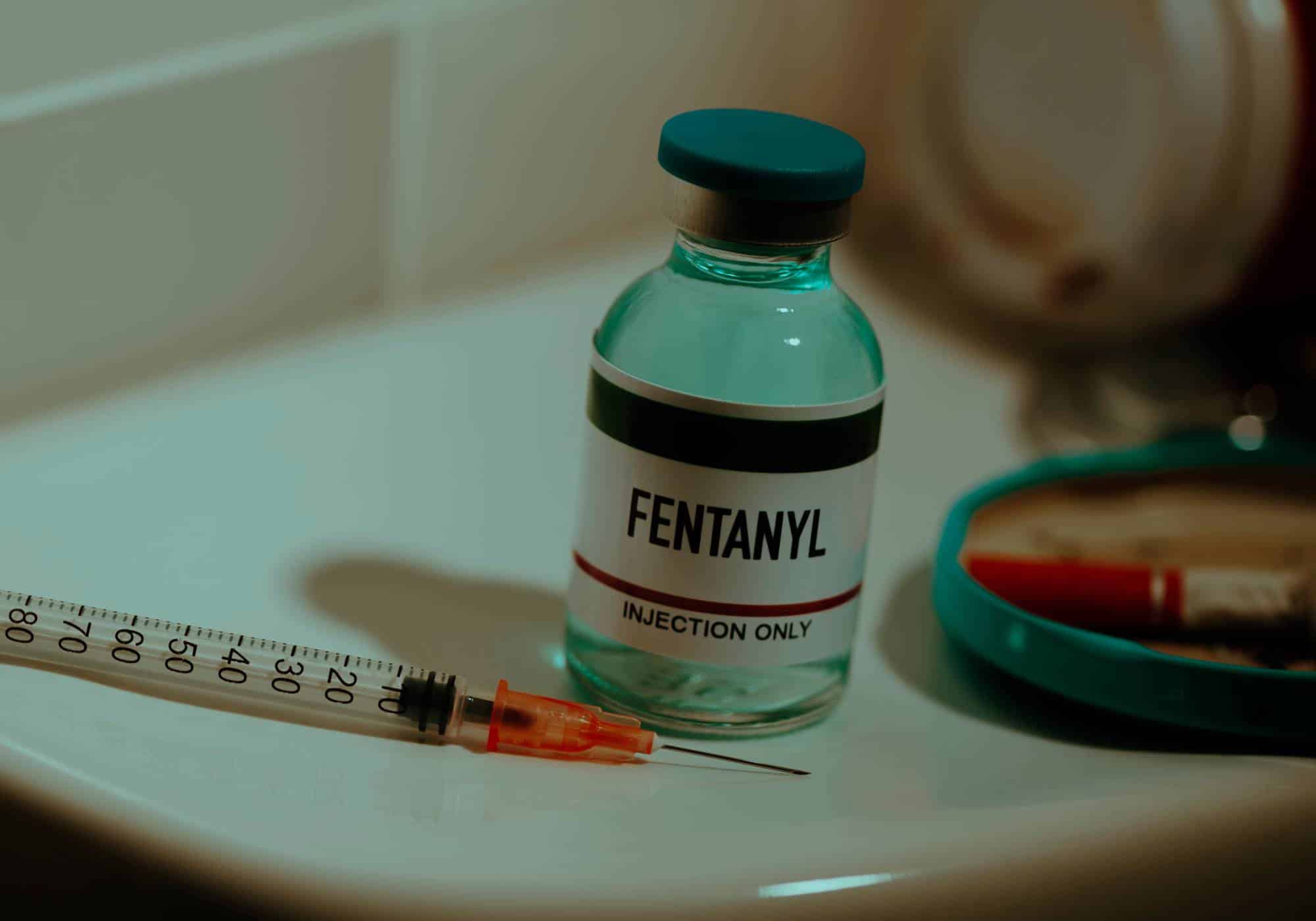


Quick answer: Fentanyl withdrawal often starts within hours to a day after the last use and can feel intense, especially for people with frequent use or higher tolerance. The worst symptoms often peak in the first few days, but cravings, sleep issues, and mood swings can last longer. If you want help getting through withdrawal safely and building a long-term plan, Hope Harbor Wellness offers Drug Detox, Medication Assisted Treatment, and structured outpatient options in Georgia.
If you are ready to talk through your options, contact us today at 770-573-9546 or fill out our Online Contact Form.
Why Fentanyl Withdrawal Can Feel So Intense
Fentanyl is a powerful opioid that can change the brain’s reward and stress systems quickly. When use stops, your body has to recalibrate. That recalibration is what people feel as withdrawal, the physical and mental “whiplash” of the nervous system trying to function without opioids.
Many people who search “fentanyl withdrawal timeline” are not looking for a perfect day-by-day guarantee, they are trying to answer a more human question: How bad is this going to get, and when does it get better. This guide breaks down common patterns, what can make withdrawal worse, and what actually helps people get through it and stay stable.
If you want a broader overview of fentanyl-related risk and how exposure happens today, you may also want to read Fentanyl Poisoning: Symptoms, Causes, And What To Do Next.
Fentanyl Withdrawal Symptoms
People often search “symptoms of fentanyl withdrawal” or “what does fentanyl withdrawal feel like” because the experience can be both physical and emotional. Symptoms can vary based on tolerance, dose, frequency, and whether other substances were used.
Common Early Symptoms
- Anxiety, restlessness, or a “crawling out of your skin” feeling
- Sweating, chills, and temperature swings
- Runny nose, watery eyes, yawning
- Muscle aches and body pain
- Insomnia or broken sleep
- Cravings that come in waves
Common Peak Symptoms
- Nausea, vomiting, diarrhea
- Stomach cramping
- Rapid heart rate and elevated blood pressure
- Tremors and agitation
- Severe insomnia
- Depression, irritability, and emotional volatility
For a deeper overview, see Fentanyl Withdrawal, and for the broader opioid category, review Opioid Withdrawal.
Fentanyl Withdrawal Timeline
Searches like “how long does fentanyl withdrawal last” and “fentanyl detox timeline” are common because fentanyl can behave differently than some other opioids. While there is no one-size-fits-all schedule, these ranges reflect what many people experience.
Hours 6 To 24: Withdrawal Begins
Many people notice early symptoms within the first day after their last use, especially if use was frequent. This stage often includes anxiety, restlessness, sweating, yawning, and the sense that you cannot get comfortable. Sleep may become difficult right away.
Days 2 To 4: Peak Intensity
For many, days 2 through 4 are the hardest. This is often when nausea, vomiting, diarrhea, and intense cravings show up. Mood can swing quickly, and the physical discomfort may feel relentless. This is also a common relapse window, not because someone “doesn’t want recovery,” but because the body and brain are screaming for relief.
Days 5 To 10: Acute Symptoms Fade For Many People
After the peak, many people start to notice gradual improvement. Appetite may begin to return. GI symptoms often ease. Sleep may still be inconsistent, and cravings can spike unexpectedly, especially with stress or triggers.
Weeks 2 To 6: Lingering Symptoms And Cravings
This stage is where people often feel frustrated because the worst is over, but they still do not feel “normal.” Sleep can remain disrupted, motivation may be low, and mood may feel flat or irritable. Cravings can continue to come in waves, especially if someone returns to the same environment without support.
Some people experience a longer recovery phase called post-acute withdrawal. If that is what you are noticing, read Post Acute Withdrawal Syndrome.
What Affects How Long Fentanyl Withdrawal Lasts
Two people can stop fentanyl and have very different experiences. These factors commonly influence symptom intensity and duration.
How Often And How Long You Used
Daily or near-daily use usually means stronger dependence. Longer use histories often come with more intense symptoms and more persistent cravings.
Fentanyl Mixed With Other Substances
Polysubstance use can complicate withdrawal and increase relapse risk. If this is part of the picture, Polysubstance Abuse explains why combinations can be harder to stabilize.
Prescription Patch Vs Illicit Exposure
Withdrawal can look different depending on how fentanyl was used. If your situation involves patch misuse or confusion around patch safety, review Fentanyl Patch Overdose Risk, Misuse, And Safer Treatment Options.
Mental Health, Trauma, And Stress Load
Anxiety, depression, PTSD, and unresolved trauma can intensify cravings and make withdrawal feel more emotionally destabilizing. If trauma is part of your story, explore Trauma and Dual Diagnosis support options.
Precipitated Withdrawal And Why It Happens
A common search is “precipitated withdrawal fentanyl” because some people feel suddenly worse after starting certain medications too soon. This can happen when a medication displaces opioids on receptors before the body is ready, triggering a rapid withdrawal response.
If you are researching this topic, read What Is Precipitated Withdrawal. The most important takeaway is that timing and medical guidance matter, especially when transitioning into treatment.
How Detox For Fentanyl Works
People search “fentanyl detox” because they want a safer way through withdrawal, and because home detox can feel unpredictable. Detox is not just about getting through a few days of discomfort. It is about stabilizing your body and lowering the chance of relapse during the highest-risk window.
At Hope Harbor Wellness, detox is part of a bigger plan. Learn more about getting started with Drug Detox, and how we match the level of care to what you actually need.
Medication Assisted Treatment
Many people benefit from MAT because it can reduce cravings and help the brain stabilize. MAT is often paired with therapy and structured programming for stronger outcomes. Explore Medication Assisted Treatment to see how it supports fentanyl recovery.
Therapy That Targets Triggers
Withdrawal is physical, but relapse is often emotional and environmental. Evidence-based therapies help you identify triggers, rewire habits, and build coping skills that actually work under stress. If you want to learn about therapy approaches, visit Drug Addiction Therapy and modalities like Cognitive Behavioral Therapy and Dialectical Behavioral Therapy.
What To Do If You Keep Relapsing During Withdrawal
If you have tried to stop and relapsed, you are not alone, and it does not mean recovery is not possible. Relapse often signals that your plan needs more support, more structure, or better tools for cravings.
Structured outpatient care can be a strong next step, especially when you need accountability and clinical support while still maintaining some daily responsibilities. Depending on your needs, you may benefit from Partial Hospitalization Program or Intensive Outpatient Program.
You do not have to figure this out alone. Contact us today at 770-573-9546 or fill out our Online Contact Form to talk through a plan that fits your situation.
Fentanyl Withdrawal Vs Other Opioid Withdrawal
People often compare fentanyl withdrawal to heroin, oxycodone, or prescription painkillers. While there are shared symptoms across opioids, fentanyl-related withdrawal is often described as more intense, more anxiety-driven, and more relapse-prone because of potency and exposure patterns.
If your opioid use started with prescription medications, you may also find it helpful to read Signs Of Prescription Painkiller Addiction and explore Prescription Opioid Addiction Treatment.
How To Know If Fentanyl Use Has Become Addiction
Withdrawal can be the first sign that the body has become dependent, but addiction is usually bigger than physical symptoms. It often includes loss of control, cravings that override priorities, continued use despite consequences, and using to avoid withdrawal or emotional pain.
If you want clear warning signs, read Signs And Symptoms Of Fentanyl Addiction. If you are ready to explore treatment directly, visit Fentanyl Addiction Treatment to see what care can look like.
Getting Help In Georgia
Recovery is more than “getting through withdrawal.” The goal is stability, fewer cravings, and a real plan you can follow on your hardest days. If you are in Georgia and you want support that meets you where you are, Hope Harbor Wellness can help you take the next step.
Speak with our team today, contact us today at 770-573-9546 or fill out our Online Contact Form.
Frequently Asked Questions
How Long Does Fentanyl Withdrawal Last
Many people feel the worst symptoms in the first few days, with gradual improvement over the next week. Sleep problems, mood swings, and cravings can last longer, especially without support. For a deeper overview, see Fentanyl Withdrawal and Post Acute Withdrawal Syndrome.
What Are The Symptoms Of Fentanyl Withdrawal
Symptoms often include anxiety, sweating, chills, muscle aches, insomnia, nausea, vomiting, diarrhea, and intense cravings. Symptom severity depends on tolerance, frequency of use, and other health factors.
What Is Precipitated Withdrawal
Precipitated withdrawal is a rapid onset of withdrawal symptoms that can happen when certain medications are started too soon. Timing and clinical guidance matter. Learn more in What Is Precipitated Withdrawal.
Does Medication Assisted Treatment Help With Fentanyl Withdrawal
Yes, many people use MAT to reduce cravings and support stability during early recovery. MAT is often most effective when paired with therapy and structured programming. Explore Medication Assisted Treatment.
What Is The Best Next Step If I Keep Relapsing
Relapse often means the plan needs more structure or support. Options like detox, MAT, and structured outpatient care can help. You can start by reviewing our Admission Process and speaking with our team.
Additional Resources
- Fentanyl Addiction Treatment
- Drug Detox
- Medication Assisted Treatment
- Intensive Outpatient Program
- Partial Hospitalization Program
- Fentanyl Withdrawal
- Post Acute Withdrawal Syndrome
- What Is Precipitated Withdrawal
- Fentanyl Test Strips: How They Work, Limitations, And Next Steps
- Counterfeit Pills And Fentanyl: Risks, Warning Signs, And Treatment
If you want help building a safer plan for withdrawal and recovery, contact us today at 770-573-9546 or fill out our Online Contact Form.