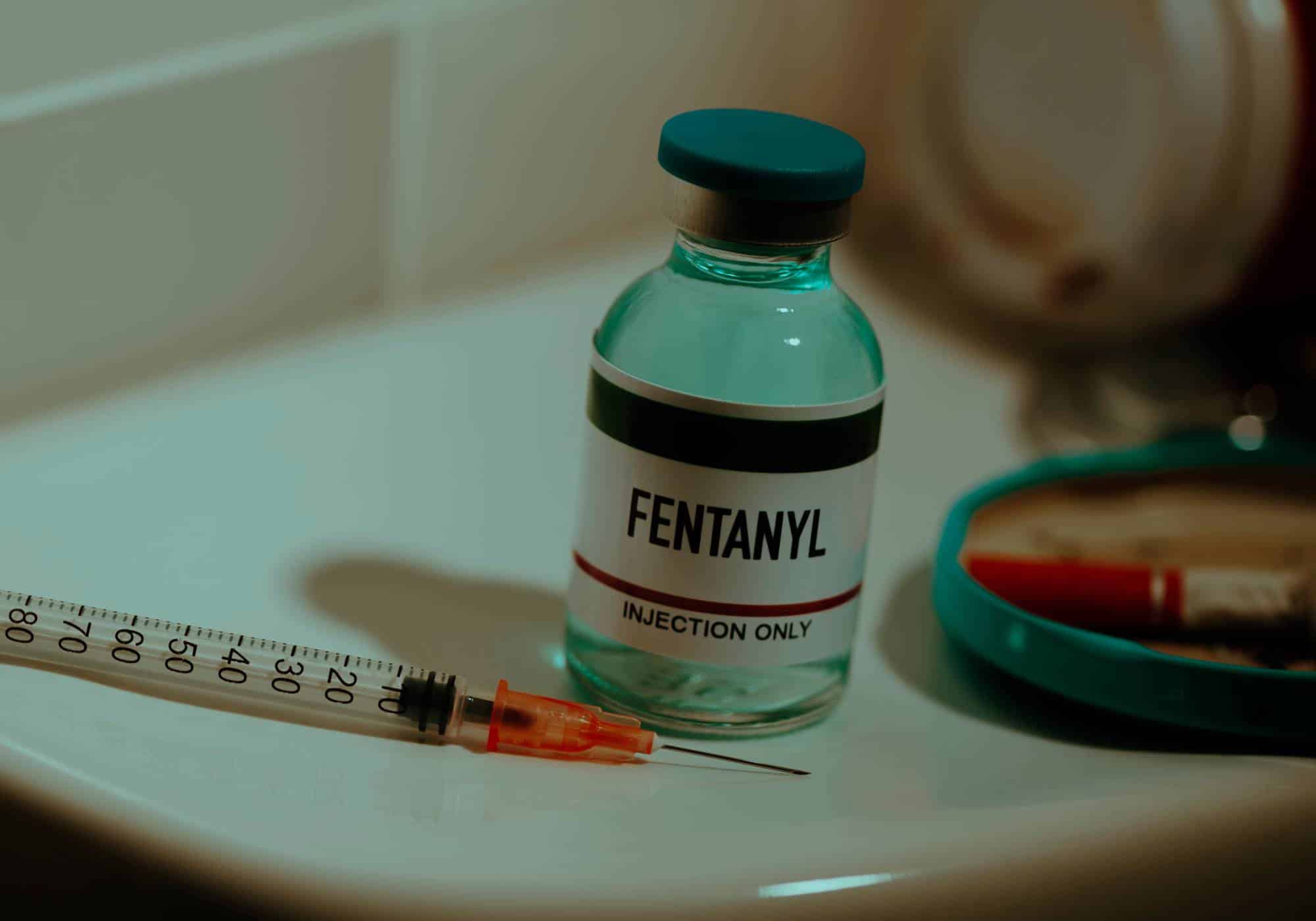


Withdrawal describes the physical and emotional response your body goes through when you abruptly stop or drastically cut back on drugs or alcohol. This experience can range from mild discomfort to life-threatening complications, depending on the substance used and the individual’s personal history. Withdrawal, in most cases, includes both physical and psychological elements. Acute withdrawal symptoms typically arise within hours or days of reducing or ending substance use and can last for days or weeks. However, in certain situations, people experience a prolonged form of withdrawal that endures beyond the typical timeframe, known as post-acute withdrawal syndrome, often shortened to PAWS.
During acute withdrawal, your body and brain quickly realize the substance you relied on is no longer present. This abrupt change can stir up many symptoms, from shaking and nausea to cravings and agitation. Once this stage passes, you may assume the worst is over, but some individuals discover a second wave of subtler, yet equally challenging, psychological or emotional symptoms that linger for months or even years after stopping use. This second phase is what we call post acute withdrawal syndrome.
Everyone’s withdrawal timeline and severity are shaped by factors like the type of substance, duration of use, method of ingestion, and underlying health. The more you use, the more your body learns to operate with that substance in your system. If you suspect you might face withdrawal, it’s essential to talk with medical professionals before quitting. Certain drugs (like alcohol or benzodiazepines) can spark dangerous complications if stopped suddenly. The good news is that with help from caring professionals, including outpatient drug detox in Atlanta, you can reduce health risks, stay safe, and gain strategies for long-term success.
What Is PAWS?
Post-acute withdrawal syndrome (PAWS) is the term often used to describe extended withdrawal symptoms that can follow initial acute withdrawal. It first gained attention more than two decades ago to explain persistent problems seen after people discontinued benzodiazepine use. Over time, the idea of PAWS was applied more widely, though formal research in medical literature remains limited. Still, many recognize that substance use can modify brain function in ways that linger well after the physical withdrawal period ends.
Prolonged or “protracted” withdrawal can feel frustrating, especially if you thought the main challenges were already behind you. One day you might feel mostly normal, then the next day a random wave of anxiety, depression, or restlessness can appear out of the blue. This unpredictability is typical of PAWS, and understanding that these lingering issues can happen is the first step in dealing with them effectively.
Examples of Protracted Withdrawal
Acute withdrawal usually lasts a finite amount of time. However, some substances create ongoing effects that persist or reappear long after detox.
Common examples include:
Alcohol: Studies reveal that people coming off alcohol often experience lingering mood shifts, anxiety, tiredness, depression, and insomnia. These issues can continue for months or years. Sleep disturbances, for instance, might not improve for 1 to 3 years after someone takes their final drink.
Benzodiazepines: Protracted withdrawal can be confused with “rebound” symptoms, a temporary surge in anxiety or insomnia once the sedating influence of benzodiazepines wears off. True protracted withdrawal, on the other hand, can arrive later, last for months, and produce new, unexpected challenges.
Marijuana: Research suggests that irregular sleep or bizarre dreams can bother users for several weeks or more. This might include prolonged restlessness at night or vivid, unsettling dream patterns.
Opioids: Long-term opioid users often report anxiety, depression, low energy, or continued cravings for weeks to months after detox. These lingering mood dips or inability to focus may interfere with daily life.
Cocaine: In at least one study, participants wrestled with poor impulse control for about a month post-abstinence, which may hinder decision-making or lead to impulsive behavior.
It’s essential to note that the intensity of these protracted withdrawal symptoms can differ significantly. Influencing factors include genetics, environmental stressors, personal support networks, and the presence of underlying mental health issues. However, despite these variations, there are recurring themes in PAWS, such as problems with sleep, mood regulation, and energy levels.
What Is Post-Acute Withdrawal Syndrome?
Post-acute withdrawal syndrome is essentially a drawn-out stage of recovery where you might face emotional and psychological side effects that aren’t fully resolved by the end of acute withdrawal. Medically supervised detox aims to manage physical discomforts—like vomiting, fever, or severe shaking—that often show up in the first days or weeks. But once the physical turmoil calms, your brain continues to recalibrate from the absence of addictive substances. This is where PAWS enters the picture.
During acute withdrawal, your primary focus is on physical well-being. You might deal with vomiting, muscle cramps, or a racing heart, and medical staff works to keep you stable. With PAWS, you’re often dealing with a different set of problems. Anxiety, depression, restlessness, and trouble concentrating can arise, making daily responsibilities a challenge. Even small stresses may feel overwhelming. The risk here is that the persistent psychological strain can tempt someone to relapse for momentary relief. Recognizing PAWS as a legitimate phase of recovery can help you identify what’s going on and remind you that these symptoms do get better over time with proper support.

Why Do We Experience Post Acute Withdrawal?
Long-term substance use disrupts normal brain function and chemistry. When you regularly use a substance, your body adapts to having that substance in your system, adjusting neurotransmitter production or altering receptor activity. Once that substance is no longer present, your brain tries to re-establish equilibrium, which can cause a series of mental and emotional complications.
Alcohol, opioids, and benzodiazepines are particularly known to produce strong dependencies. In some cases, the feelings of anxiety or low mood in early recovery are the brain’s attempt to operate without the external help it grew used to. While this process is natural, it can feel jarring. It’s like your brain is throwing up signals that it needs more time to rebuild. If you’ve used substances to cope with stress or emotional issues, it can be extra tough when those feelings resurface without the numbing effect of drugs or alcohol. This difficulty highlights why professional treatment and ongoing support can be game-changers.
When Does Post Acute Withdrawal Syndrome Occur?
In many individuals, PAWS flares up after acute withdrawal symptoms have eased. There’s no fixed timeline. Some notice it within a few weeks of sobriety, while others may not feel it until months into recovery. Stress or reminders of previous substance use—like seeing old friends who still drink or stumbling across a stash you forgot—can trigger these waves of emotional instability. Many describe it like riding an emotional roller coaster, with ups and downs that can appear suddenly. Over time, though, most people find these swings become less frequent and less intense, especially if they keep working on their recovery skills.
What Causes Protracted Withdrawal?
Though there’s no complete consensus in academic circles, many point to fundamental shifts in brain chemistry as the leading driver of protracted withdrawal. When you stop using, your central nervous system no longer benefits from the artificial chemical boost it had grown to expect. The brain may struggle to produce neurotransmitters like dopamine, serotonin, and endorphins in normal amounts, at least for a while. This can lead to mood dips, restlessness, or sleep disturbances.
In addition, coping tools might be underdeveloped if you’ve relied on substances for stress relief. Once those are gone, everyday stress can feel overwhelming. For that reason, focusing on learning new coping methods and building healthy routines is crucial in advanced stages of recovery.
Can Post Acute Withdrawal Syndrome Be Avoided?
Avoiding PAWS entirely isn’t a realistic possibility, especially if you had a significant habit or used for a long time. That said, knowledge is power. Being aware that post acute withdrawal syndrome may surface at some point helps you stay calm when symptoms do pop up. You can plan for how you’ll respond—like reaching out to a sponsor, therapist, or peer group—and keep from mistaking these normal hurdles for a “sign” that recovery isn’t working.
While you can’t dodge PAWS symptoms completely, you can reduce their intensity. Working closely with addiction specialists, attending therapy sessions, and following healthy habits—such as good nutrition, rest, and exercise—can make a difference. Another protective factor is building a reliable support circle. Friends, family, or a sober community can keep you motivated and encourage you to be patient as your brain heals.
How Long Do PAWS Symptoms Usually Last?
The length of post acute withdrawal syndrome varies. In many cases, symptoms arise in waves lasting a few days each. For some, they’re mild irritations; for others, they’re more severe. Several factors influence the timeline, including the type of drug, how long it was used, and personal biology. Typically, experts suggest a range from six months to two years for your brain to recalibrate and produce natural reward chemicals at pre-addiction levels.
It’s important to remember that not everyone experiences PAWS for the same period. Some see significant relief within a few months, while others might wrestle with flare-ups for longer. The unpredictability can be frustrating, but it doesn’t mean you’re failing. With consistent coping strategies and medical or therapeutic support, most people find day-to-day life becomes increasingly stable.
Diagnosis of PAWS
Post acute withdrawal syndrome isn’t formally recognized in major diagnostic manuals like the DSM-5. Because there’s no standard checklist for identifying or measuring it, some professionals avoid labeling it altogether. Nonetheless, many clinicians and people in recovery report clear patterns of extended symptoms that linger beyond typical withdrawal. While you might not get a formal diagnosis of “PAWS,” you can still describe your experiences to a medical or mental health professional who understands the complexities of substance recovery. They can help you address the issues that come up and provide guidance or therapy to make the journey smoother.
How Is Protracted Withdrawal Treated?
A primary objective in treating protracted withdrawal is to minimize the risk of relapse. The emotional strain or sluggishness associated with PAWS can encourage someone to self-medicate, feeling that a return to substance use could briefly alleviate these lingering symptoms. This highlights the importance of continued care following detox or primary treatment. Programs or aftercare steps that keep you engaged in recovery over the long run can be invaluable.
This often includes:
- Education: Knowing that random irritability or mood dips might happen even months after quitting can help you calmly ride those waves.
- Celebrations: Commemorate each step of progress, no matter how small, to boost self-esteem.
- Regular Healthcare Visits: Keep follow-up appointments so professionals can monitor your well-being, adjust medications if needed, and offer input on coping strategies.
- Quality Sleep: Good rest supports emotional balance. Sleep disturbances can worsen anxiety or depression, so healthy bedtime habits are vital.
- Constructive Activities: Finding hobbies or exercises helps you maintain focus and handle stress. This can include walking, yoga, journaling, or learning new skills.
- Medications: If cravings or specific symptoms remain intense, certain prescriptions might help reduce urges or stabilize mood.
- Support Groups: Groups like AA, NA, or other recovery circles enable members to share experiences, keep each other accountable, and learn from one another.
- Therapy: Ongoing counseling, especially CBT or related forms of talk therapy, enhances relapse prevention skills by challenging negative thought patterns.
Maintaining strong connections with peers, sponsors, or mental health counselors provides a safety net if protracted symptoms suddenly flare. The continuum of care—detox, structured treatment, then aftercare—builds a layered defense against relapse. Hope Harbor Wellness uses evidence-driven strategies to treat both the acute and lingering aspects of withdrawal, tailoring support to your personal needs.

The Importance of Drug and Alcohol Detox
Detox stands as the first major milestone in recovery. It involves monitoring the body’s reaction as it purges harmful substances, ensuring that any medical complications are addressed quickly. Detox also offers psychological benefits by giving you a clean break from the environment where you used substances. However, successfully completing detox doesn’t guarantee the absence of future challenges. Post acute withdrawal syndrome can still develop. You can think of detox as a starting block. People usually do better when they pair detox with ongoing therapy and aftercare. Taking part in an drug and alcohol detox in Atlanta, for instance, can smoothly guide you from initial withdrawal to building a stable, substance-free routine.
Addiction Treatment in Atlanta, GA
Hope Harbor Wellness in Atlanta, GA, understands how multifaceted addiction recovery can be. Our team recognizes that even when acute withdrawal fades, PAWS may linger. We design personalized treatment plans to help individuals not only handle the physical aspects of detox but also prepare for emotional hurdles. Through compassionate guidance and modern treatment approaches, we strive to give you the best shot at real, lasting change.
Our programs revolve around research-based practices. We place strong emphasis on peer support, personalized therapy, life skills coaching, and holistic care. Our focus is on your comfort and growth. Whether you’re just beginning to consider sobriety or you’re dealing with those nagging PAWS symptoms, our staff stands ready to help you through every stage.
At Hope Harbor Wellness, we believe in your potential to lead a healthy, substance-free life. We also know the road can have twists and turns, like post acute withdrawal syndrome. If you’re ready to confront addiction’s challenges, we’re prepared to guide you. Contact our team today at 770-573-9546 or fill out our online contact form, and let us show you how we can support your goals. Don’t let lingering withdrawal symptoms keep you stuck—take that brave step forward and reclaim the life you deserve.
Post-Acute Withdrawal Syndrome (PAWS) FAQs
What is post-acute withdrawal syndrome (PAWS), and why does it happen during addiction recovery?
PAWS refers to a cluster of lingering mood, sleep, and cognition problems that surface weeks after acute detox. Brain chemistry and stress circuits need months to recalibrate after chronic substance use, causing periodic “wave” symptoms.
What are the common symptoms of post-acute withdrawal syndrome that someone might experience?
Irritability, anxiety, depression, fatigue, insomnia, brain fog, drug dreams, and low stress tolerance. Symptoms ebb and flow unpredictably.
How long can post-acute withdrawal syndrome last after quitting drugs or alcohol?
Typically 3–18 months, with severity decreasing over time. Opioids and benzodiazepines tend to produce longer PAWS than stimulants or alcohol.
Which types of addiction are most likely to lead to post-acute withdrawal syndrome?
Opioids, benzos, alcohol, methamphetamine, and long-term high-dose prescription sedatives. Poly-substance users face higher risk.
What can help someone cope with or treat post-acute withdrawal syndrome symptoms?
Regular exercise, balanced diet, sleep hygiene, mindfulness, CBT, support groups, and, when appropriate, non-addictive medications for mood or sleep.
Does everyone in recovery go through post-acute withdrawal syndrome, or only some people?
Not everyone. Genetics, duration of use, mental health, and overall health determine who experiences PAWS and how severe it becomes.