Crack cocaine leads many people down a dangerous path due to its potent and addictive nature. This drug goes by many names on the street, such as “nuggets” or “white sugar,” which often hide the serious risks behind innocent-sounding labels. The impact of crack on physical and mental health can be tremendous, creating deep struggles for those who become dependent on it. Loved ones also suffer, watching addiction take over someone’s life. Understanding the many street names for crack and how the drug is made can offer insight into its dangers and how to find effective help. Taking the step to learn more may be the first move toward lasting recovery.
What Does Crack Mean?
Cocaine, sometimes called “coke,” is an illegal stimulant that typically shows up as a fine, white powder. People often snort it or inject it, but due to its high melting point, it cannot be smoked in its powder form. When cocaine’s hydrochloride additive is removed, it transforms into nearly pure freebase cocaine, which has a lower melting point and is smokeable.
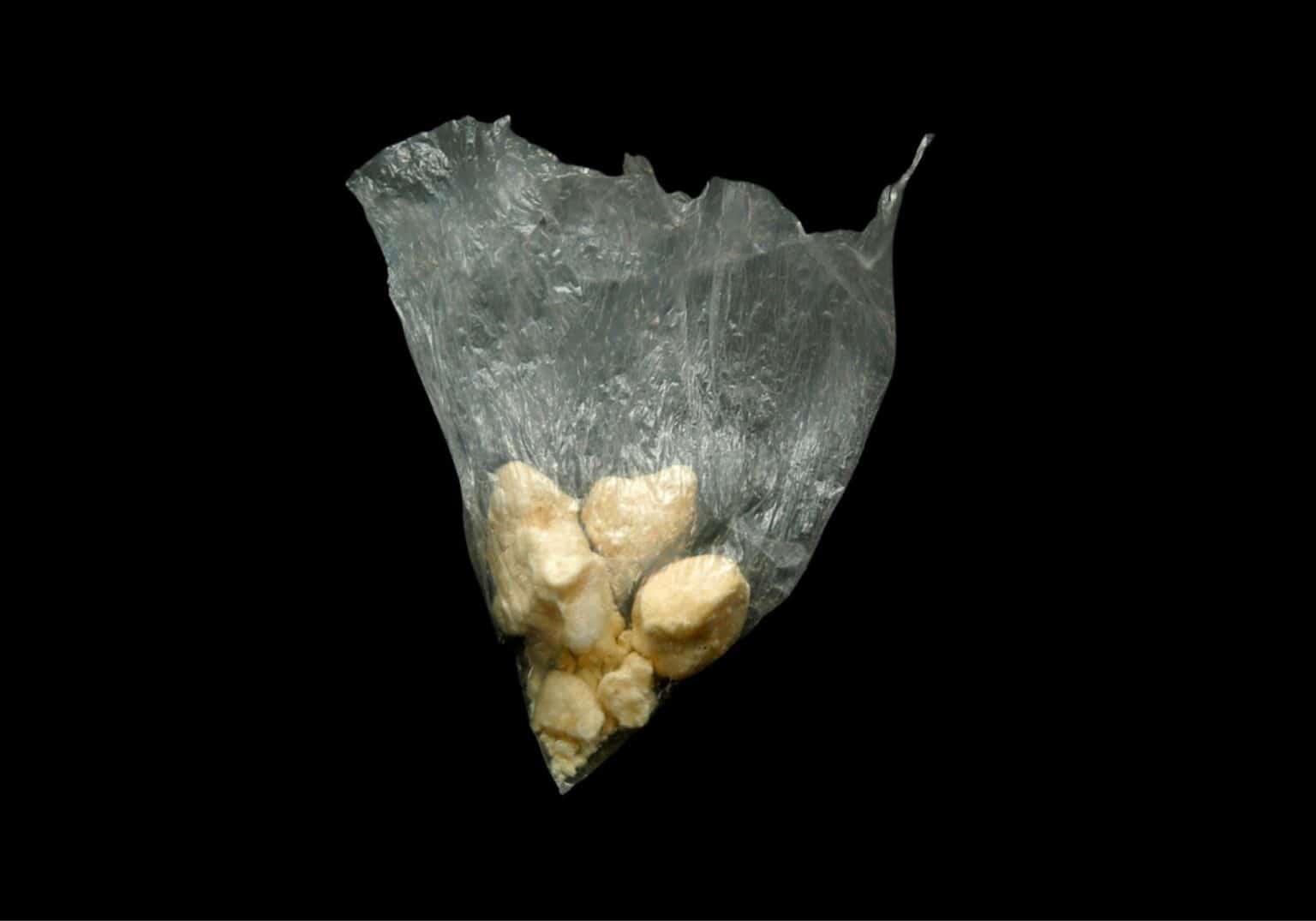
Crack cocaine, simply referred to as “crack,” emerges when powder cocaine is processed with baking soda and heat. The outcome is a waxy, rock-like substance that can be heated and inhaled. According to the National Drug Intelligence Center, crack gained popularity in the 1980s because it was inexpensive, widely accessible, and delivered an almost instant high. This short, powerful high triggers intense cravings in those who use it, reinforcing the cycle of addiction.
The Diversity of Slang for Crack
Crack street names evolve constantly and differ based on local culture, social groups, and user communities. Some terms highlight crack’s physical traits, such as “hard rock” or “ready rock,” reflecting its solid structure. Others take on more metaphorical meanings like “devil’s dandruff” or “white tornado,” emphasizing the chaos that crack often brings to people’s lives.
Users also develop slang to talk about how they smoke or experience crack. For instance, “chasing the dragon” describes inhaling the smoke as it moves across a surface. Meanwhile, “base pipe” or “crack stem” indicates the device used to smoke it. On the surface, these slang terms might seem harmless or even playful, but they mask a painful truth: crack disrupts lives, fuels crime in many communities, and keeps people trapped in cycles of addiction.
Street Names for Crack Cocaine
People who use or sell crack try to stay ahead of law enforcement and the Drug Enforcement Administration (DEA) by inventing or updating street names. These varied expressions reference crack’s appearance or try to slip easily into everyday talk.
While they may vary by region, here are some common examples that research has uncovered:
- 51s
- Apple Jack
- Baby T
- Baseball
- Base
- Bazooka
- Beemer
- Bings
- BJ
- Black Rock
- Blowcaine
- Blowout
- Blue
- Bomb
- Blow Crusher
- Candy
- Casper the Ghost
- Caviar
- Cheap Basing
- Chingy
- Cloud Nine
- Cookies
- Devil Smoke
- Dice
- Dime Special
- Double Yoke
- Eastside Player
- Eye Opener
- Fat Bags
- Freebase
- Garbage Rock
- Gold
- Golf Ball
- Hail
- Hard
- Hotcakes
- Ice Cubes
- Jelly Beans
- Johnson
- Moon Rock
- Nuggets
- Piedras
- Quarters
- Ready Rock
- Rox
- Roxanne
- Sleet
- Speed Boat
- Sugar Block
- Top Gun
- White Ball
- White Ghost
- White Sugar
These words help users communicate about crack without raising suspicion. But behind every playful or creative nickname lies the brutal potential for addiction and harm. If someone you know casually mentions these terms, it might be a sign of crack involvement.
Slang Words Related To Use of Crack
Crack street names don’t just apply to the substance itself. They can also reflect how it’s used or the people involved.
Here are a few examples:
- Crack head: A term for someone who heavily uses crack.
- Crack baby: Refers to a child born to a mother who uses crack.
- Crack house: A place where crack is sold or used.
- Crack spot: Another phrase for a site where crack is dealt.
- Crackpipe: The glass pipe that people often use to smoke crack.
- Chronic: Slang for marijuana laced with crack or cocaine.
Despite how everyday or common some of these words might sound, they signal a situation that can spiral out of control quickly. Crack is strongly addictive, and experimenting can lead to dependencies that impact families, careers, and personal health.
Street Names For Crack Mixed With Other Substances
Sometimes, crack or freebase cocaine is combined with other drugs. This practice raises the risk of overdoses and severe health issues.
Combining multiple substances often comes with its own set of slang words:
- PCP
- Opioids
- Amphetamines and methamphetamines
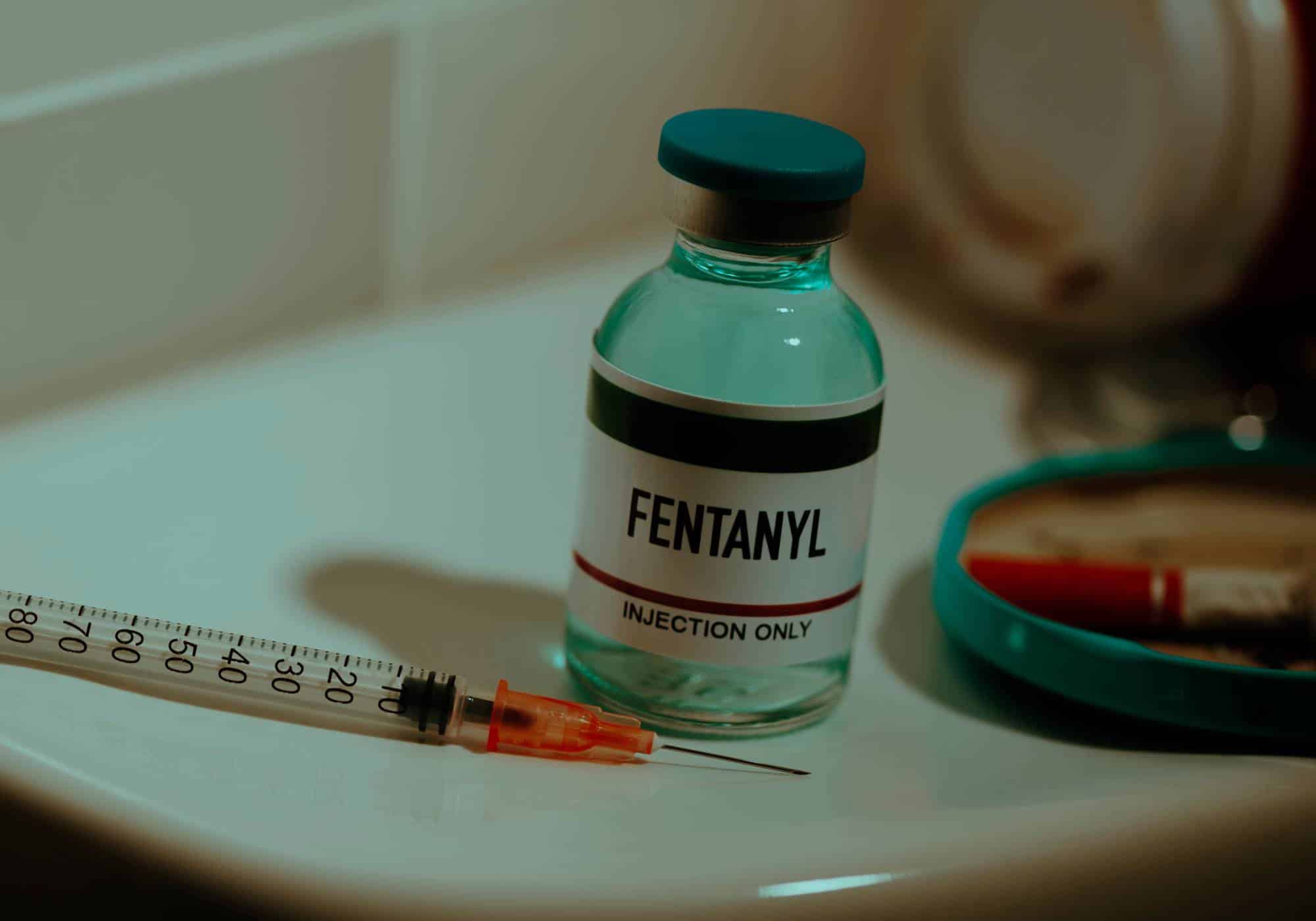
- Fentanyl
- MDMA
- LSD
When crack mixes with these substances, new street names appear. For example, cocaine plus marijuana is sometimes known as “bazooka” or “wet-wet,” and cocaine mixed with heroin might be called “belushi” or “bombita.”
More names for these dangerous combinations include:
- boy-girl
- candy flipping
- cocoa puffs
- flamethrowers
- speedball
- sleet
- nose candy
- scottie
- woo-woo or “woolies”
Each label may vary regionally, but they all point to the same high-risk behavior of using multiple substances at once. This dangerous trend can intensify addiction or lead to unpredictable reactions in the body.
Overcoming Crack Addiction with Hope Harbor Wellness
Crack cocaine is notoriously tough to quit. It delivers a brief but intense burst of euphoria, followed by withdrawal symptoms that push people to use more. These cravings, combined with the constant possibility of overdose, create a vicious cycle that feels impossible to escape. If you’re living in Atlanta, GA, or anywhere else and dealing with crack addiction, it’s vital to seek help as soon as possible.
At Hope Harbor Wellness, we know you may feel isolated or scared, but you don’t have to face addiction alone. Our outpatient drug rehab in Atlanta is designed to meet you where you are, offering real solutions and caring support. Breaking free from crack’s grip is challenging, but we believe in providing the tools and guidance you need to reclaim your life.
Our treatment plans are tailored to address both the physical and emotional aspects of addiction. As you work with us, you’ll learn effective coping strategies for stress and cravings, discover healthier daily routines, and explore the root causes that fuel your drug use. Whether you need help with detox, therapy, or ongoing outpatient support, our range of programs can adapt to your individual situation.
If you’re ready to walk away from addiction and head toward a life free of crack cocaine, take that next step today. Contact Hope Harbor Wellness at 770-573-9546 or fill out our online contact form and learn more about our approach to crack addiction treatment in Atlanta, GA. We’re here to guide you toward real change. Call us now to begin your path to healing.