

You Cannot Be Addicted To Dopamine Because It Is a Naturally Occurring Neurotransmitter in the Brain, Not a Substance or Behavior With the Potential To Be Abused
Dopamine is an essential chemical messenger that our bodies produce on their own. Unlike drugs or external habits that people can overuse, dopamine isn’t something you can swallow, inhale, or inject. Because of that, you can’t become “addicted” to dopamine the way you might become addicted to alcohol or illegal drugs. Instead, dopamine addiction is a phrase sometimes used to describe a pattern of chasing activities that cause big dopamine surges. This can happen when people focus heavily on something that triggers a powerful rush, like gambling, sex, or even constant smartphone use.
We sometimes hear about “dopamine addiction,” but it isn’t listed in any standard diagnostic manual. Professionals who treat addiction emphasize that, by definition, addiction relates to behaviors or substances that people repeatedly seek, even when it harms them. A single neurotransmitter, like dopamine, can’t be used or misused in the same sense. Instead, the brain reacts to certain actions or substances by letting out surges of dopamine, which can fuel repeated use. This leads to dependence on the behavior or substance responsible for the release—not on dopamine itself.
The body’s balance of dopamine is delicate. If you engage in a particular habit or substance that triggers big dopamine bursts, your brain starts to adjust. Over time, you might need more intense or frequent use to get the same mental reward. That’s where addiction risk enters the picture. But it’s not “dopamine addiction”; it’s addiction to the activity or substance that sparks an exaggerated dopamine spike.
Can You Be Addicted to Dopamine?
No. You cannot be directly addicted to dopamine. While dopamine influences addiction, addiction typically focuses on actions or substances (e.g., gambling, drugs, or certain foods) that flood your system with dopamine. Once the brain experiences repeated dopamine highs, it starts to expect them more often. This expectation can spur cravings and compulsive actions to replicate that rush.
Addiction to Dopamine Is a Myth
We can’t simply label the body’s own dopamine as addictive. Dopamine is part of a normal physiological process that helps you enjoy life, stay motivated, and learn from experiences. A surge in dopamine supports the desire to repeat enjoyable or beneficial habits, like social bonding or physical activity. But if external factors—substances, behaviors, or both—overwhelm the body’s regulatory system by pushing dopamine production too high, that’s what leads to harmful patterns. The compulsion is toward the behaviors that cause these surges, not the chemical itself. A drug or behavior can be addictive because it taps into dopamine’s reward system so effectively that it hijacks your everyday decision-making.
Another Myth About Dopamine
Many people consider dopamine a “pleasure chemical,” but that oversimplifies its function. Dopamine’s primary role is to encourage you toward potential rewards by making you more alert, focused, and motivated. It isn’t guaranteed to produce intense pleasure on its own. Instead, it sets up the anticipation that something good might happen. For instance, if you see your favorite food, dopamine rises as you think about how good it will taste. Once you eat it, dopamine helps you remember the experience, reinforcing the idea to repeat it later. So it’s not correct to think you’re “hooked” on dopamine. It’s more accurate to say that external triggers manipulate dopamine’s natural reward cycle, potentially leading to unsafe behaviors or dependencies.
What Is Dopamine?
Dopamine is a chemical messenger known as a neurotransmitter that’s released from neurons in the brain when the body anticipates or encounters something rewarding. Besides controlling motivation and reward, dopamine also affects motor control, stress levels, memory, and other significant functions like digestion and blood flow. It ties your actions and feelings to the outcomes you expect, urging you to seek certain behaviors or objects repeatedly.
Definition: Dopamine
- Dopamine definition: A neurotransmitter vital for regulating pleasure, reward, and motivation.
- Dopamine def: The short form or abbreviation for the explanation above.
- Definition dopamine: Another way of requesting or stating what dopamine is—namely, a crucial brain chemical that influences how we feel good about things or experiences.
When you do something enjoyable, like eating a favorite dessert or playing a fun game, the brain may respond by releasing dopamine. This burst helps form an internal connection that says, “This is good—do it again.” Although the reaction is a normal part of healthy living, the trouble arises when an activity or substance produces such a big dopamine spike that the usual boundaries of behavior get overshadowed.
What Role Does Dopamine Play in Addiction?
Dopamine is a key player in reinforcing patterns of substance abuse. When certain drugs or habits cause large dopamine releases, the brain tags them as crucial for survival. That’s similar to how it treats basic rewards like food or social interactions. Over time, the brain craves these unnatural surges, and everyday pleasures lose their impact. The compulsion to repeat the high-dopamine behavior can overshadow logic, relationships, and responsibilities.
Although many assume dopamine equals immediate pleasure, it’s more about motivation. After an activity triggers a burst of dopamine, you become more likely to repeat that activity later, even if it carries risks. The memory of that dopamine spike drives you to act in ways that might be counterproductive. This mechanism is how minor habits can escalate into full-blown problems, whether it’s substance use or a behavioral addiction, like compulsive shopping.

What Are the Risky Addiction Behaviors Associated With Dopamine?
Dopamine influences behaviors that can take risky turns. When an action or substance triggers repeated dopamine spikes, the brain’s reward circuits can lead to destructive dependency.
Let’s examine a few examples:
1. Sex Addiction
Sex addiction involves compulsive sexual behavior that persists despite negative outcomes. Individuals might pursue sexual stimulation repeatedly to chase intense dopamine rushes. Each sexual encounter or fantasy can provide a wave of euphoria, fueling further cravings. As tolerance grows, greater intensity or frequency is often sought. This cycle results in broken relationships or emotional distress.
2. Alcohol Addiction
Alcohol addiction, also known as alcohol use disorder, is a chronic condition signaled by cravings and inability to stop drinking despite consequences. Alcohol can flood the brain with dopamine, at least initially, which ties the act of drinking to positive feelings. As someone drinks more over time, the brain adjusts, requiring higher amounts to achieve the same effect. That’s how reliance forms, eventually disrupting health, work, and social life.
3. Drug Addiction
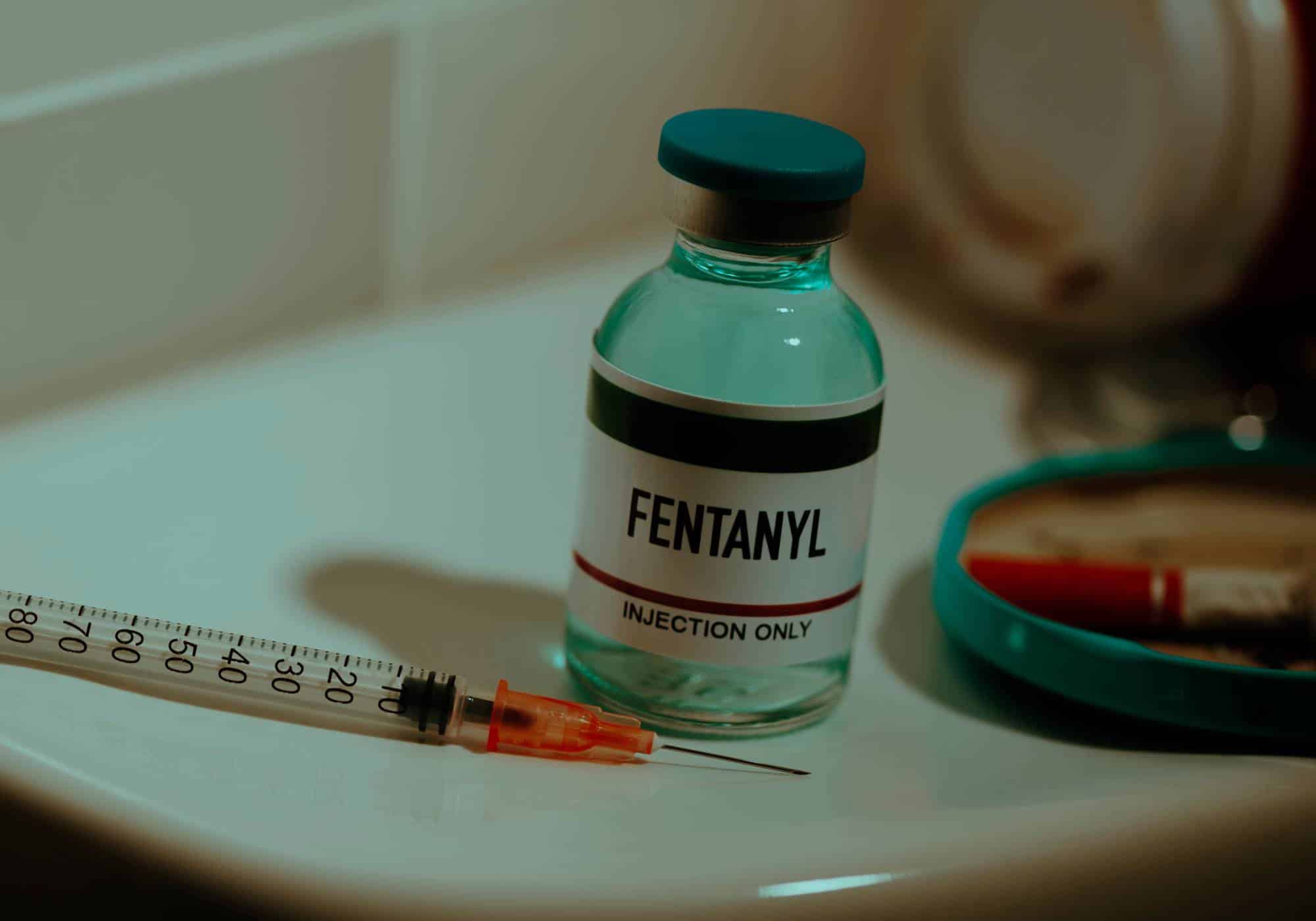
Drug addiction covers various substances, such as opioids, stimulants, or prescription medications, each raising dopamine levels by different pathways. Over time, an individual can’t experience normal satisfaction from regular life events, driving them to keep using the substance. Daily activities get overshadowed by chasing that dopamine surge. Without help, drug addiction can lead to severe health issues and relationship breakdowns.
4. Food-Related Disorders
People often see food as comforting, but when certain foods cause repeated dopamine boosts—especially high-fat, high-sugar options—disordered eating patterns can emerge. This dynamic leads to overeating or binge eating. Reaching for those items again and again can result in health complications, including obesity and metabolic problems. Compulsive eating may become an emotional coping mechanism, further entrenching the behavior.
5. Digital Addiction
Digital or internet addiction includes things like compulsive gaming, social media use, or endless scrolling. Our brains can receive a quick dopamine jolt every time we see a “like” or a new message, similar to how gambling offers repeated risk-and-reward cycles. Overuse may harm real-life connections, reduce productivity, or increase stress. The constant pursuit of that small dopamine spike can trap people in an endless loop of checking notifications.
What Are the Risk Factors for Dopamine-Seeking Behavior?
Certain predispositions increase the likelihood that someone will engage in dopamine-boosting habits to a harmful extent. Recognizing these risk factors can aid in preventing or intervening before behaviors become destructive.
- Genetic Predisposition
Some individuals inherit brain chemistry that makes them more sensitive to dopamine surges. They might feel rewards more intensely, making them more prone to addiction. - Youth
Adolescence typically features heightened dopamine responses, plus limited impulse control. Teens may show more risk-taking behaviors, like experimenting with substances or gaming excessively, leading to stronger dopamine-seeking habits. - Sensation-Seeking Personality
People who love thrills and novelty are drawn to activities that produce strong emotional responses. By chasing intense excitement, they get repeated dopamine bursts, putting them at greater risk for addictive cycles. - Stress or Trauma
Ongoing stress or an unresolved traumatic event can push individuals to look for dopamine boosts as a coping strategy. Over time, this adaptive response can morph into dependence on substances or behaviors. - Peer Influence
Social acceptance is a potent force. If a person’s friends engage in heavy drinking, drug use, or risky behaviors, peer pressure can drive them to do the same, eventually rewiring their dopamine circuits.
By paying attention to these factors, mental health professionals and loved ones can better spot vulnerabilities and intervene with counseling, stress-reduction techniques, or healthier alternatives.
What Are the Ways To Avoid Dopamine-Seeking Behavior?
Fending off destructive dopamine-seeking habits doesn’t mean denying yourself happiness. Instead, it’s about maintaining balance so that your natural reward system doesn’t spiral out of control.
Below are several methods:
- Set Boundaries
Establish clear limits around time or resources spent on potentially addictive behaviors, whether it’s social media use, gaming, or food consumption. A schedule or daily plan helps prevent impulsive indulgences. - Adopt Healthy Lifestyle Behaviors
Regular exercise and balanced nutrition not only boost mood but also stabilize dopamine production. Lean proteins, whole grains, and fresh produce promote steadier energy levels. These habits keep you from turning to quick-fix dopamine spikes. - Practice Mindfulness
Self-awareness helps you recognize emotional states that trigger unhealthy cravings. Techniques like meditation or deep breathing let you respond thoughtfully instead of reflexively. - Get Enough Rest
Consistent sleep patterns are vital for neural balance, including dopamine regulation. If you’re well-rested, you may be less prone to compulsively chasing artificial thrills. - Engage in a ‘Dopamine Detox’
This involves intentionally stepping away from high-stimulation activities—like gaming marathons or excessive phone usage—to let your brain recalibrate. Start with short breaks, then lengthen them as you see the benefits of less constant stimulation.
In short, a blend of structure, mindfulness, and healthy coping strategies can help you handle cravings without indulging in destructive dopamine-fueled behaviors.

Is Rehab Effective in Preventing Dopamine-Seeking Behavior?
Yes, rehab can be effective. Professional support, counseling, and a structured environment help people break routines that revolve around chasing big dopamine boosts. Many rehab programs blend therapy, group sessions, skill-building, and aftercare to equip you with tools to maintain balance. By focusing on the root causes—whether stress, trauma, or an impulse-control issue—treatment can reset your reward system and teach better ways to handle challenges.
For those battling harmful dopamine-driven actions like drug use or excessive alcohol consumption, outpatient drug rehab in Atlanta is an option worth considering. This approach lets you stay in your own home while attending regular counseling or medical appointments. By not isolating you from your normal environment, outpatient programs prepare you to handle real-world triggers. Still, you get continuous guidance from trained professionals. The therapy may cover everything from coping strategies to building supportive social networks, all aimed at preventing relapse and stabilizing healthy dopamine levels.
If you or someone you care about is wrestling with dopamine-driven behaviors or substances, Hope Harbor Wellness in Atlanta, GA, is ready to guide you toward a more balanced life. Call us now at 770-573-9546 or fill out our online contact form to begin your journey toward emotional well-being and authentic recovery.