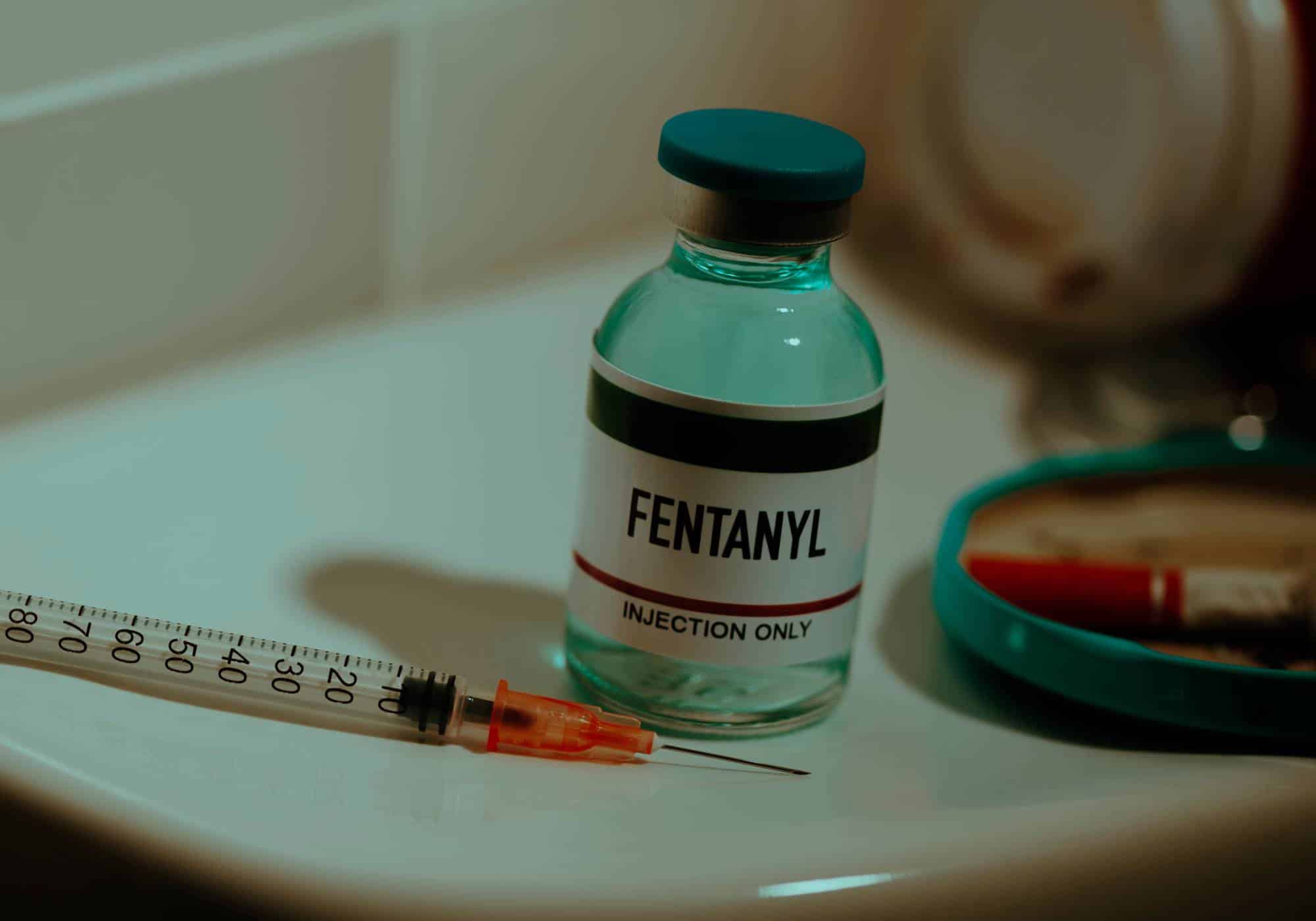

Fentanyl has changed the risk level of the drug supply, because it can be present in drugs people do not expect. Fentanyl test strips are a harm-reduction tool that may help someone identify fentanyl in a substance before use, but they are not a guarantee of safety.
If you are worried about fentanyl exposure, overdose risk, or ongoing opioid use, Hope Harbor Wellness offers supportive, evidence-based fentanyl addiction treatment, including care options that can address both substance use and mental health needs.
If This Is An Emergency
If someone is unresponsive, breathing very slowly, has blue or gray lips, or cannot be woken up, call 911 immediately. These can be signs of an opioid overdose.
If naloxone is available, give it and call 911. For simple step-by-step guidance, read how to use Narcan for opioid overdose.
What Are Fentanyl Test Strips
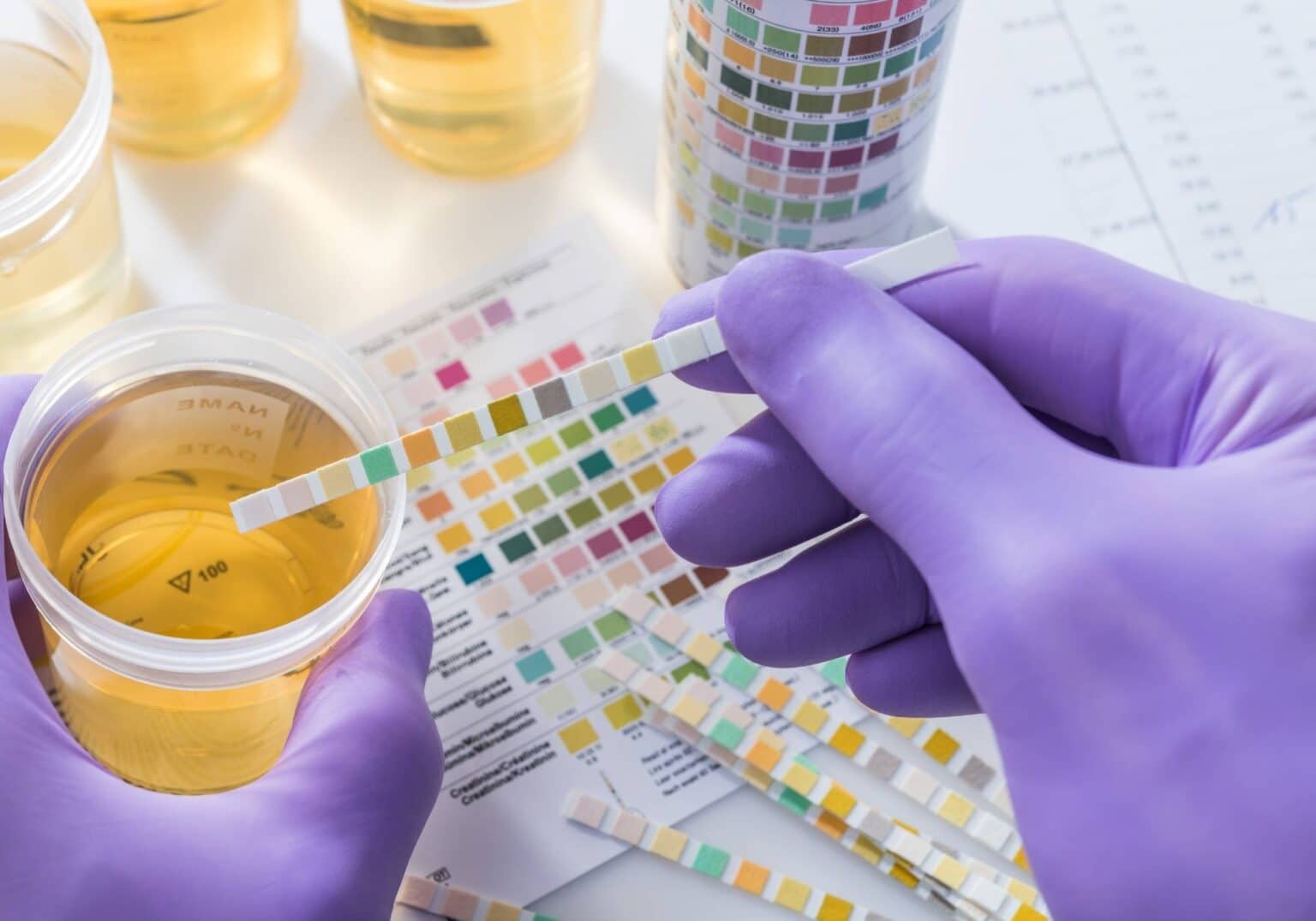
Fentanyl test strips are small, single-use strips that can detect the presence of fentanyl in a sample. People most often use them as a harm-reduction measure to check substances before use, because fentanyl can show up in counterfeit pills and other drugs.
If you want to understand broader risks related to drug contamination, you can also review our resource on laced drugs.
Do Fentanyl Test Strips Work
Fentanyl test strips can detect fentanyl in many situations, but accuracy depends on how they are used, the substance being tested, and how evenly fentanyl is distributed. A positive result should be treated as a serious overdose risk, and a negative result does not mean the substance is safe.
What A Positive Result Means
A positive result suggests fentanyl was detected in the tested sample. If a test is positive, the safest choice is not to use the substance. If someone is struggling to stop despite risk, treatment support can help.
For care options, you can learn more about opioid addiction treatment and how we help people move from crisis to stability.
What A Negative Result Does Not Mean
A negative result does not prove a substance is fentanyl-free. Fentanyl may be present in a part of the substance that was not included in the test sample, or the concentration may be below the strip’s detection threshold.
If someone chooses to use despite a negative test, the overdose risk can still be high. Keeping naloxone on hand and knowing the warning signs on our opioid overdose page can help someone respond quickly in an emergency.
How To Use Fentanyl Test Strips
Test strip instructions can vary by brand. Always follow the instructions included with the strips you have. In general, people test a small amount of a substance mixed into water, then dip the strip for a set amount of time and wait for results.
Important safety note: even “careful use” is not safe use when fentanyl is present. If you need help reducing or stopping opioid use, starting with a supported plan like the drug detox program can be a safer next step.
Common Mistakes That Can Affect Results
- Testing an uneven or too-small sample, which can miss fentanyl that is not evenly mixed
- Not following timing directions for dipping or reading the result
- Using too little or too much water, depending on the product instructions
- Reading results outside the recommended time window
Limitations Of Fentanyl Test Strips
Fentanyl test strips are a useful harm-reduction tool, but they have limits. Understanding those limits helps prevent a false sense of safety.
They Do Not Measure Strength Or Dose
Test strips can indicate whether fentanyl is present, but they do not show how much fentanyl is in the substance. Even tiny amounts can be dangerous, especially for someone with low tolerance.
If someone has recently taken a break from opioids, overdose risk can increase. Support through drug detox and ongoing care can reduce the cycle of quitting and relapsing.
They May Not Detect Every Risk In The Drug Supply
Even if fentanyl is detected or not detected, other substances may be present. For example, xylazine has been increasingly discussed as a dangerous additive that can complicate overdose response. To understand that risk, read fentanyl and xylazine.
What To Do If A Test Is Positive
If a test is positive, the safest option is not to use the substance. If stopping feels difficult, that is a strong signal to reach out for support.
Consider Immediate Safety Steps
- Do not use the substance
- Make sure naloxone is available and someone knows how to use it
- Know the signs of an opioid overdose
- If you want a clear response plan, review how to use Narcan for opioid overdose
Get Support If Opioid Use Is Ongoing
If fentanyl exposure is part of ongoing opioid use, treatment can help reduce cravings, lower relapse risk, and provide structure for recovery. Many people benefit from a combination of therapy and medication assisted treatment (MAT), which can help stabilize the body so recovery work can stick.
If you are ready to talk through options, start with our admission process, and we will help you understand the most appropriate next step. Contact us today at 770-573-9546 or fill out our online contact form.
Treatment Options For Fentanyl And Opioid Use
If fentanyl is showing up in your life in any way, you deserve support that is practical and nonjudgmental. Hope Harbor Wellness offers multiple levels of care based on your needs.
Medically Supported Detox
Withdrawal and cravings can make it hard to stop safely without support. Our drug detox program provides monitoring and comfort support during early stabilization.
If you want to learn more about symptoms and timing, our guide to fentanyl withdrawal can help you understand what many people experience.
Medication Assisted Treatment (MAT)
For many people, medication assisted treatment (MAT) reduces cravings and overdose risk while therapy and recovery skills are built.
Ongoing Recovery Support
Long-term recovery often includes therapy, relapse prevention planning, and structured programming. Explore our opioid addiction treatment services and our specialized fentanyl addiction treatment program to see what fits your needs.
Frequently Asked Questions
Are fentanyl test strips accurate
They can be helpful, but accuracy depends on correct use and the sample tested. A positive should be treated as high overdose risk, and a negative does not guarantee safety.
Can a negative test still mean fentanyl is present
Yes. Fentanyl may not be evenly mixed, the tested sample may not contain it, or levels may be below detection thresholds.
Do fentanyl test strips make drug use safe
No. They are a harm-reduction tool, not a safety guarantee. Overdose risk can still exist, and other dangerous additives may be present.
What should I do if I get a positive result
The safest option is not to use the substance. If opioid use is ongoing, consider support through drug detox and medication assisted treatment (MAT).
Where can I get help for fentanyl use
You can explore fentanyl addiction treatment at Hope Harbor Wellness, and you can start with a confidential conversation through our admission process.
Additional Resources
If you are building a safety plan or trying to support someone you love, these pages may help:
- Learn the signs and urgent steps for an opioid overdose
- Keep a simple action plan with how to use Narcan for opioid overdose
- Understand what withdrawal can feel like in fentanyl withdrawal
- Learn about emerging risks with fentanyl and xylazine
- Explore care options through fentanyl addiction treatment and opioid addiction treatment
If you are ready to talk, contact us today at 770-573-9546 or fill out our online contact form.