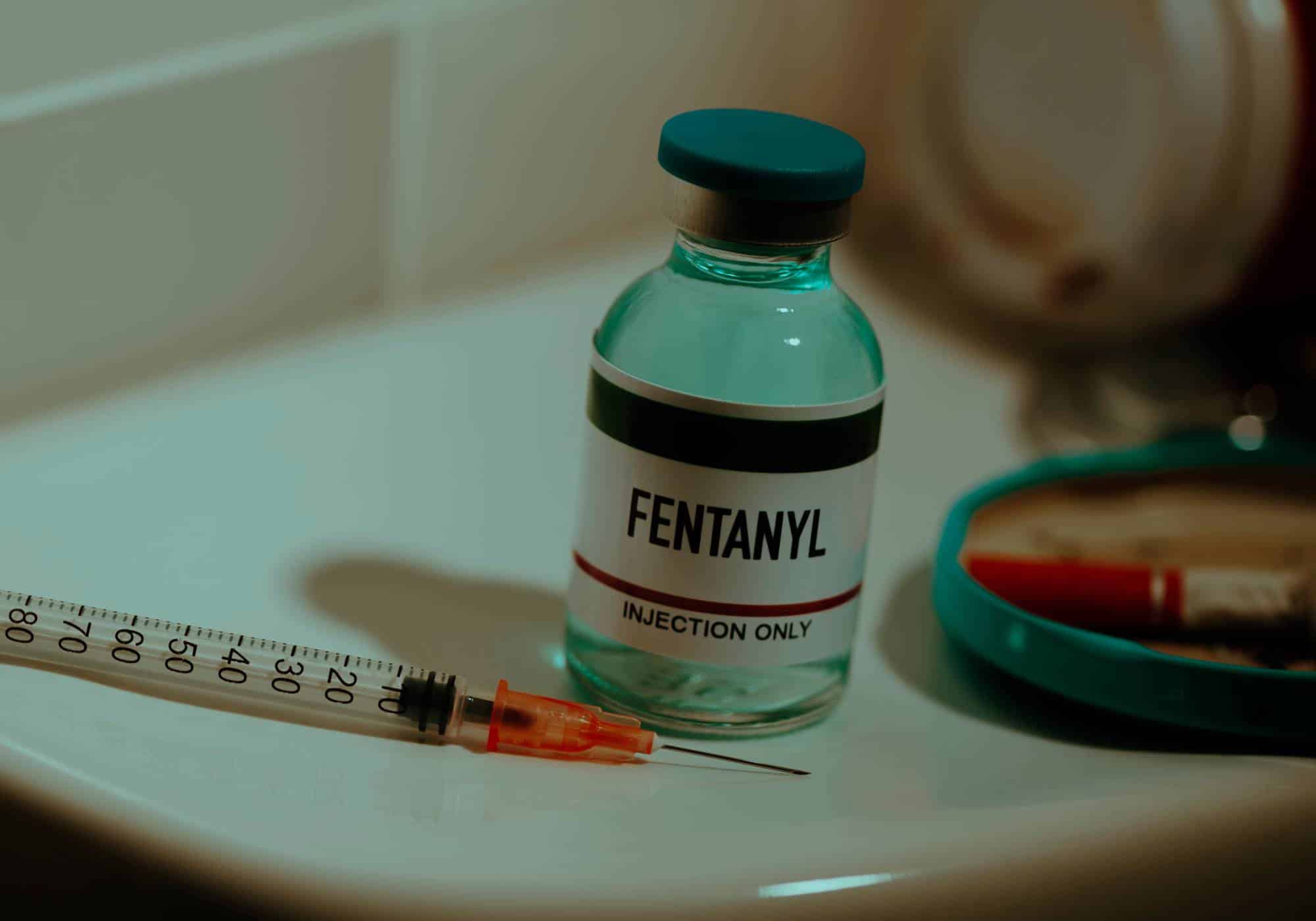


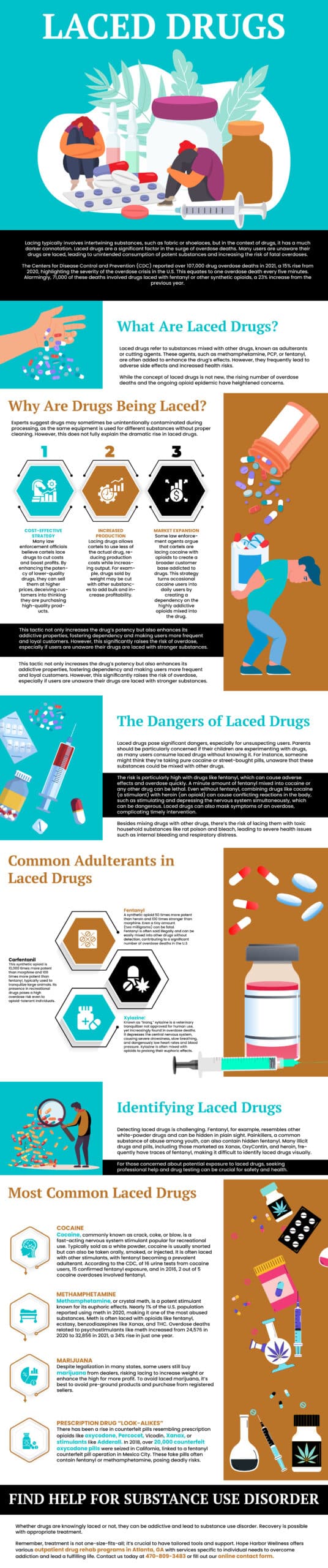
Lacing typically involves intertwining substances, such as fabric or shoelaces, but in the context of drugs, it has a much darker connotation. Laced drugs are a significant factor in the surge of overdose deaths. Many users are unaware their drugs are laced, leading to unintended consumption of potent substances and increasing the risk of fatal overdoses.
The Centers for Disease Control and Prevention (CDC) reported over 107,000 drug overdose deaths in 2021, a 15% rise from 2020, highlighting the severity of the overdose crisis in the U.S. This equates to one overdose death every five minutes. Alarmingly, 71,000 of these deaths involved drugs laced with fentanyl or other synthetic opioids, a 23% increase from the previous year.
What Are Laced Drugs?
Laced drugs refer to substances mixed with other drugs, known as adulterants or cutting agents. These agents, such as methamphetamine, PCP, or fentanyl, are often added to enhance the drug’s effects. However, they frequently lead to adverse side effects and increased health risks.
While the concept of laced drugs is not new, the rising number of overdose deaths and the ongoing opioid epidemic have heightened concerns.
Why Are Drugs Being Laced?
Experts suggest drugs may sometimes be unintentionally contaminated during processing, as the same equipment is used for different substances without proper cleaning. However, this does not fully explain the dramatic rise in laced drugs.
- Cost-Effective Strategy: Many law enforcement officials believe cartels lace drugs to cut costs and boost profits. By enhancing the potency of lower-quality drugs, they can sell them at higher prices, deceiving customers into thinking they are purchasing high-quality products.
- Increased Production: Lacing drugs allows cartels to use less of the actual drug, reducing production costs while increasing output. For example, drugs sold by weight may be cut with other substances to add bulk and increase profitability.
- Market Expansion: Some law enforcement agents argue that cartels are lacing cocaine with opioids to create a broader customer base addicted to drugs. This strategy turns occasional cocaine users into daily users by creating a dependency on the highly addictive opioids mixed into the drug.
- This tactic not only increases the drug’s potency but also enhances its addictive properties, fostering dependency and making users more frequent and loyal customers. However, this significantly raises the risk of overdose, especially if users are unaware their drugs are laced with stronger substances.
Laced drugs pose a significant threat to public health, contributing to the rising overdose deaths in the U.S. Understanding the risks associated with these drugs and the motivations behind their production is crucial for addressing this growing epidemic. For those affected, seeking immediate professional help and awareness of the dangers of laced substances is essential.
The Dangers of Laced Drugs
Laced drugs pose significant dangers, especially for unsuspecting users. Parents should be particularly concerned if their children are experimenting with drugs, as many users consume laced drugs without knowing it. For instance, someone might think they’re taking pure cocaine or street-bought pills, unaware that these substances could be mixed with other drugs.
The risk is particularly high with drugs like fentanyl, which can cause adverse effects and overdose quickly. A minute amount of fentanyl mixed into cocaine or any other drug can be lethal. Even without fentanyl, combining drugs like cocaine (a stimulant) with heroin (an opioid) can cause conflicting reactions in the body, such as stimulating and depressing the nervous system simultaneously, which can be dangerous. Laced drugs can also mask symptoms of an overdose, complicating timely intervention.
Besides mixing drugs with other drugs, there’s the risk of lacing them with toxic household substances like rat poison and bleach, leading to severe health issues such as internal bleeding and respiratory distress.
Common Adulterants in Laced Drugs
- Fentanyl: A synthetic opioid 50 times more potent than heroin and 100 times stronger than morphine. Even a tiny amount (two milligrams) can be fatal. Fentanyl is often sold illegally and can be easily mixed into other drugs without detection, contributing to a significant number of overdose deaths in the U.S.
- Carfentanil: This synthetic opioid is 10,000 times more potent than morphine and 100 times more potent than fentanyl, typically used to tranquilize large animals. Its presence in recreational drugs poses a high overdose risk even to opioid-tolerant individuals.
- Xylazine: Known as “tranq,” xylazine is a veterinary tranquilizer not approved for human use, yet increasingly found in overdose deaths. It depresses the central nervous system, causing severe drowsiness, slow breathing, and dangerously low heart rates and blood pressure. Xylazine is often mixed with opioids to prolong their euphoric effects.
Identifying Laced Drugs
Detecting laced drugs is challenging. Fentanyl, for example, resembles other white-powder drugs and can be hidden in plain sight. Painkillers, a common substance of abuse among youth, can also contain hidden fentanyl. Many illicit drugs and pills, including those marketed as Xanax, OxyContin, and heroin, frequently have traces of fentanyl, making it difficult to identify laced drugs visually.
For those concerned about potential exposure to laced drugs, seeking professional help and drug testing can be crucial for safety and health.
Most Common Laced Drugs
Cocaine
Cocaine, commonly known as crack, coke, or blow, is a fast-acting nervous system stimulant popular for recreational use. Typically sold as a white powder, cocaine is usually snorted but can also be taken orally, smoked, or injected. It is often laced with other stimulants, with fentanyl becoming a prevalent adulterant. According to the CDC, of 16 urine tests from cocaine users, 15 confirmed fentanyl exposure, and in 2016, 2 out of 5 cocaine overdoses involved fentanyl.
Methamphetamine
Methamphetamine, or crystal meth, is a potent stimulant known for its euphoric effects. Nearly 1% of the U.S. population reported using meth in 2020, making it one of the most abused substances. Meth is often laced with opioids like fentanyl, ecstasy, benzodiazepines like Xanax, and THC. Overdose deaths related to psychostimulants like meth increased from 24,576 in 2020 to 32,856 in 2021, a 34% rise in just one year.
Marijuana
Despite legalization in many states, some users still buy marijuana from dealers, risking lacing to increase weight or enhance the high for more profit. To avoid laced marijuana, it’s best to avoid pre-ground products and purchase from registered sellers.
Prescription Drug “Look-Alikes”
There has been a rise in counterfeit pills resembling prescription opioids like oxycodone, Percocet, Vicodin, Xanax, or stimulants like Adderall. In 2018, over 20,000 counterfeit oxycodone pills were seized in California, linked to a fentanyl counterfeit pill operation in Mexico City. These fake pills often contain fentanyl or methamphetamine, posing deadly risks.
Find Help for Substance Use Disorder
Whether drugs are knowingly laced or not, they can be addictive and lead to substance use disorder. Recovery is possible with appropriate treatment.
Remember, treatment is not one-size-fits-all; it’s crucial to have tailored tools and support. Hope Harbor Wellness offers various outpatient drug rehab programs in Atlanta, GA with services specific to individual needs to overcome addiction and lead a fulfilling life. Contact us today at 470-809-3483 or fill out our online contact form.