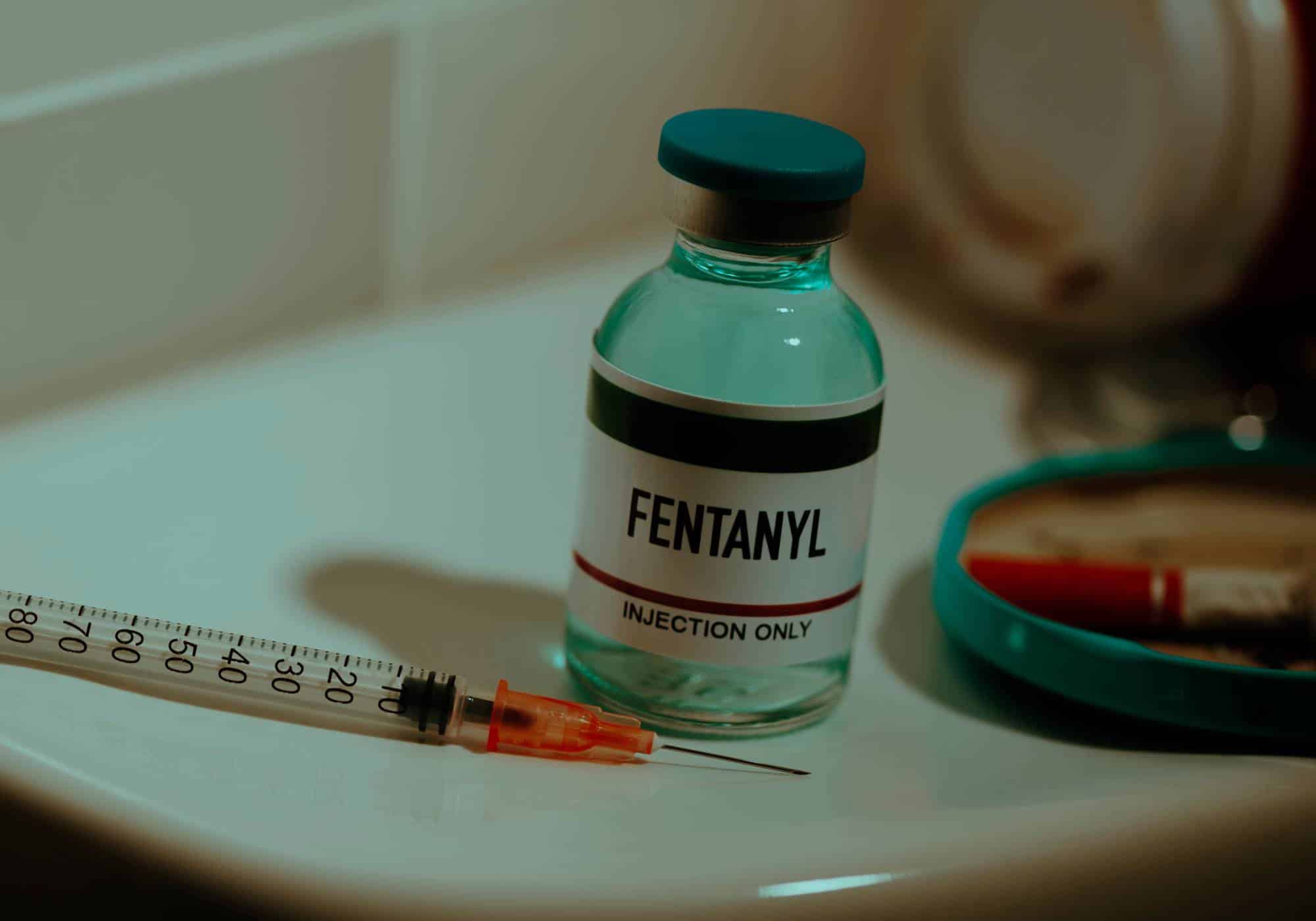
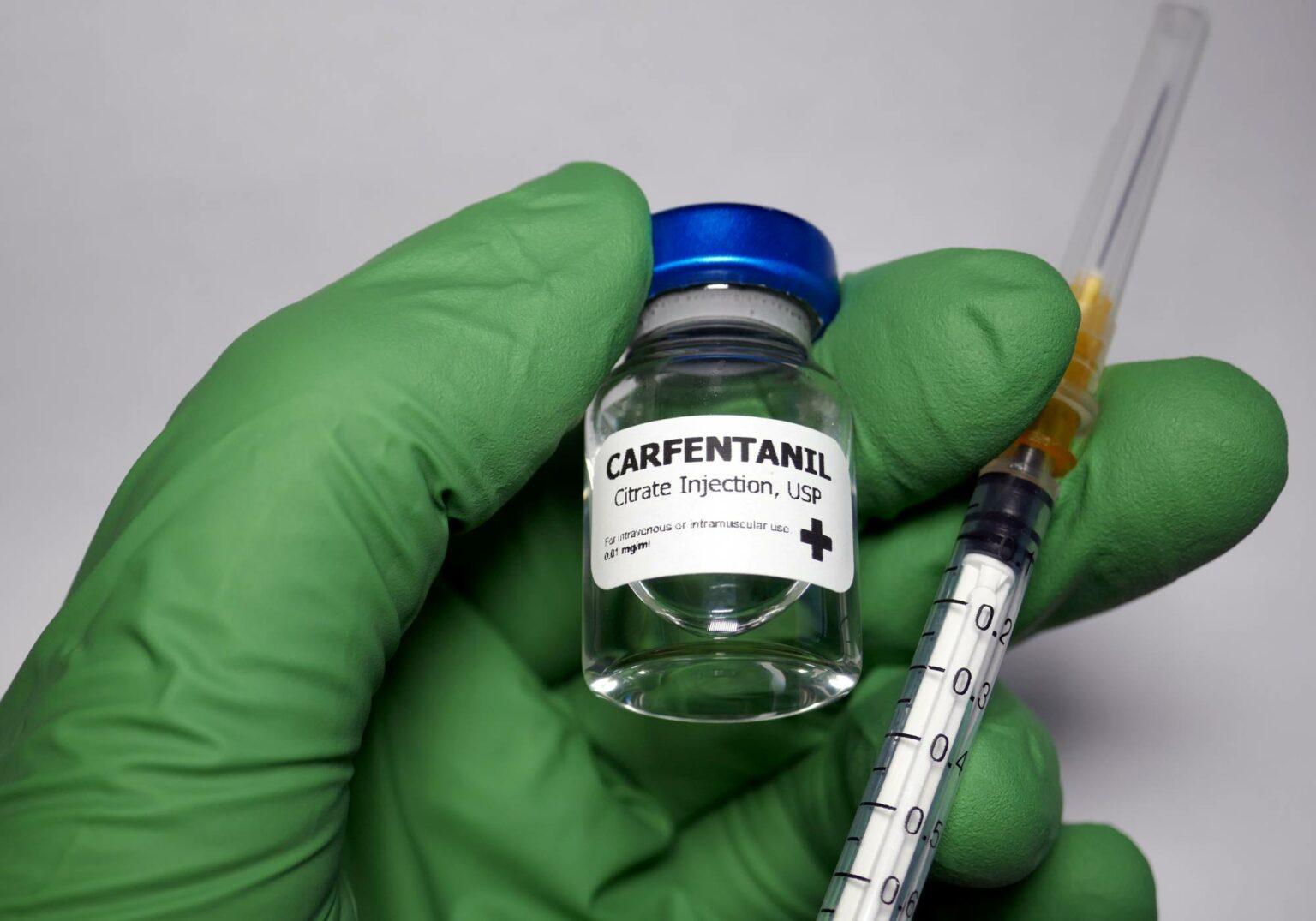

Carfentanil is an extremely potent synthetic opioid not intended for human use, primarily because it was developed as a tranquilizer for large animals weighing over 1,000 pounds. Synthesized in the early 1970s, its potency is estimated to be 10,000 times greater than morphine, making it deadly to humans even in minuscule amounts. Despite its danger, carfentanil has found its way into the hands of unsuspecting individuals, often mixed with heroin, leading to a high risk of overdose. Carfentanil addiction can result in severe long-term side effects. Please reach out to our outpatient opioid treatment center in Atlanta at 770-573-9546 if you or a loved one misuses carfentanil.
What is Carfentanil?
First synthesized in 1974 and classified as a Schedule II substance under the Controlled Substances Act, carfentanil is related to fentanyl, a commonly used medical opioid for pain relief and anesthesia. Unlike its relative, carfentanil has no accepted medical use for humans and is primarily used as a sedative for very large animals. The risk with carfentanil arises from its clandestine addition to heroin, enhancing the potency and danger of the illicit drug.
What Does Carfentanil Look Like?
Carfentanil typically appears as a white powder, bearing a close resemblance to substances like cocaine or heroin. This similarity facilitates its dangerous incorporation into street drugs without the user’s knowledge. Commonly known on the streets as “gray death,” this lethal blend contains heroin, fentanyl, carfentanil, and other opioids, earning its moniker from its concrete-like appearance. The drug is consumed in various ways, including injection, smoking, or oral ingestion.
Is Carfentanil Addictive?
Carfentanil’s potential for addiction aligns with that of other potent opioids, classified under Schedule II narcotics due to their high abuse potential. The body’s increasing tolerance to carfentanil often leads to a dangerous cycle of dependency, compelling users to consume progressively larger doses to achieve the same effects. Often unknowingly mixed with other drugs like heroin, carfentanil can deepen addiction risks, creating a perilous situation where users may overdose without ever being aware of the potent mix they’ve ingested.
What is Carfentanil Addiction?
Carfentanil’s immense strength makes it about 100 times more potent than fentanyl and poses extreme danger. Addiction to carfentanil is particularly treacherous due to its high potency and the rapid onset of dependency and tolerance it induces. Those who use it, even unknowingly, may quickly find themselves in a perilous cycle of addiction and withdrawal, making cessation a significant challenge without expert intervention.
The repercussions of carfentanil addiction extend far beyond physical health risks; they profoundly affect mental health as well. Individuals struggling with this addiction may suffer from a range of mental health disorders, including depression, anxiety, or PTSD, exacerbating the complexity of their condition. The drug’s powerful addictive properties can lead to a relentless pursuit of the substance despite severe personal and health consequences.
Given the extreme potency and associated risks of carfentanil, professional treatment is critical for those affected. At Iris Wellness Group in Chattanooga, TN, we offer specialized treatment programs tailored to combat the unique challenges posed by carfentanil dependency. Our comprehensive approach addresses both the psychological and physical aspects of addiction, ensuring a supportive path to recovery and a chance at regaining a healthier, substance-free life.
If you or someone you know is battling with the impacts of carfentanil addiction or other opioid use, don’t hesitate to reach out. The journey to recovery starts with recognizing the need for professional help and taking that brave first step towards a new beginning. Contact Hope Harbor Wellness 770-573-9546 or through our online contact form for guidance and support in navigating these challenges.
Signs and Symptoms of Carfentanil Addiction
Early recognition of carfentanil addiction is critical for effective intervention.
Symptoms of a carfentanil addiction may include:
- Pronounced lethargy or drowsiness
- Slurred speech and noticeable confusion
- Pupils that are markedly constricted
- Slow or shallow breathing patterns
- Episodes of nodding off or sudden loss of consciousness
- Visible track marks or frequent injection sites
- Deterioration in personal hygiene and general appearance
- Social withdrawal and isolation from community and family
- Financial instability or resorting to illegal activities to sustain the drug habit
- Escalating tolerance requiring higher doses for similar effects
Dangers of Carfentanil Overdose
Carfentanil poses exceptional risks due to its extraordinary potency. This synthetic opioid, vastly stronger than most other opioids, can lead to an overdose with minuscule amounts, making it one of the most hazardous substances misused. Unlike other opioids, the margin between a therapeutic dose and a lethal dose of carfentanil is exceedingly narrow, often resulting in rapid progression to life-threatening symptoms without prior warning.
Signs of Carfentanil Overdose:
Recognizing the signs of a carfentanil overdose is crucial due to the rapid onset of symptoms:
- Profound drowsiness or inability to wake
- Severely constricted pupils, sometimes as small as pinpoints
- Marked confusion or disorientation
- Pronounced difficulty in breathing or shallow breaths
- Loss of coordination or trouble walking
- Unexpected dizziness or lightheadedness
- Falling unconscious suddenly
- Signs of respiratory distress or cessation of breathing
- Potential heart failure
- Immediate risk of death
How Long Does Carfentanil Stay in Your System?
Carfentanil has a half-life of approximately 5.7 hours, and its metabolite, norcarfentanil, lasts about 11.8 hours. Typically, it can take up to 28.5 hours for carfentanil to be eliminated from the system, which is around five half-lives of the drug.
Carfentanil Withdrawal
Physical dependence on carfentanil can lead to intense withdrawal symptoms once use is ceased.
Withdrawal symptoms of carfentanil can include:
- Nausea and vomiting
- Anxiety and agitation
- Insomnia and disturbed sleep
- Temperature fluctuations with hot and cold flashes
- Excessive sweating
- Muscle cramps and aches
- Runny eyes and nose
- Diarrhea
Withdrawal symptoms can range from uncomfortable to severe and potentially life-threatening, making it imperative to seek professional medical help for safe detoxification.
Carfentanil Withdrawal Timeline
The withdrawal timeline for carfentanil is less defined due to limited human studies, but symptoms typically commence between 8 to 48 hours after the last dose. The severity and duration of withdrawal symptoms can vary widely based on individual factors such as duration of use and dosage.
Carfentanil Addiction Treatment in Atlanta, GA
Overcoming carfentanil addiction requires comprehensive treatment that addresses both physical dependency and underlying psychological factors.
Our carfentanil addiction treatment programs incorporate a variety of interventions:
- MAT (Medication-Assisted Treatment): Utilizes medications to ease withdrawal symptoms and cravings.
- Psychotherapy (CBT and DBT): Addresses underlying psychological aspects of addiction.
- Group Therapy: Offers peer support and shared learning experiences.
- Individual Therapy: Provides personalized guidance and support.
- Family Therapy: Helps heal and strengthen family relationships.
- Holistic Therapies: Focuses on overall well-being, including physical, emotional, and spiritual health.
- Aftercare: Ensures ongoing support post-treatment.
Hope Harbor Wellness provides specialized programs tailored to manage carfentanil addiction in Atlanta, GA and support individuals through recovery, helping them rebuild a fulfilling, drug-free life. If you or a loved one is struggling with the challenges of carfentanil or any substance use, please contact Hope Harbor Wellness at 770-573-9546 or through our online contact form to begin your carfentanil addiction treatment in Atlanta, GA.