

The opioid crisis continues to devastate communities across the globe, and the emergence of dangerous drug combinations exacerbates the issue. Among these, Fentanyl and Xylazine have gained notoriety for their lethal effects and high addiction potential. This blog explores the dangers of Fentanyl and Xylazine, their impact on mental and physical health, and the urgent need for awareness and effective treatment.
What Are Fentanyl and Xylazine?
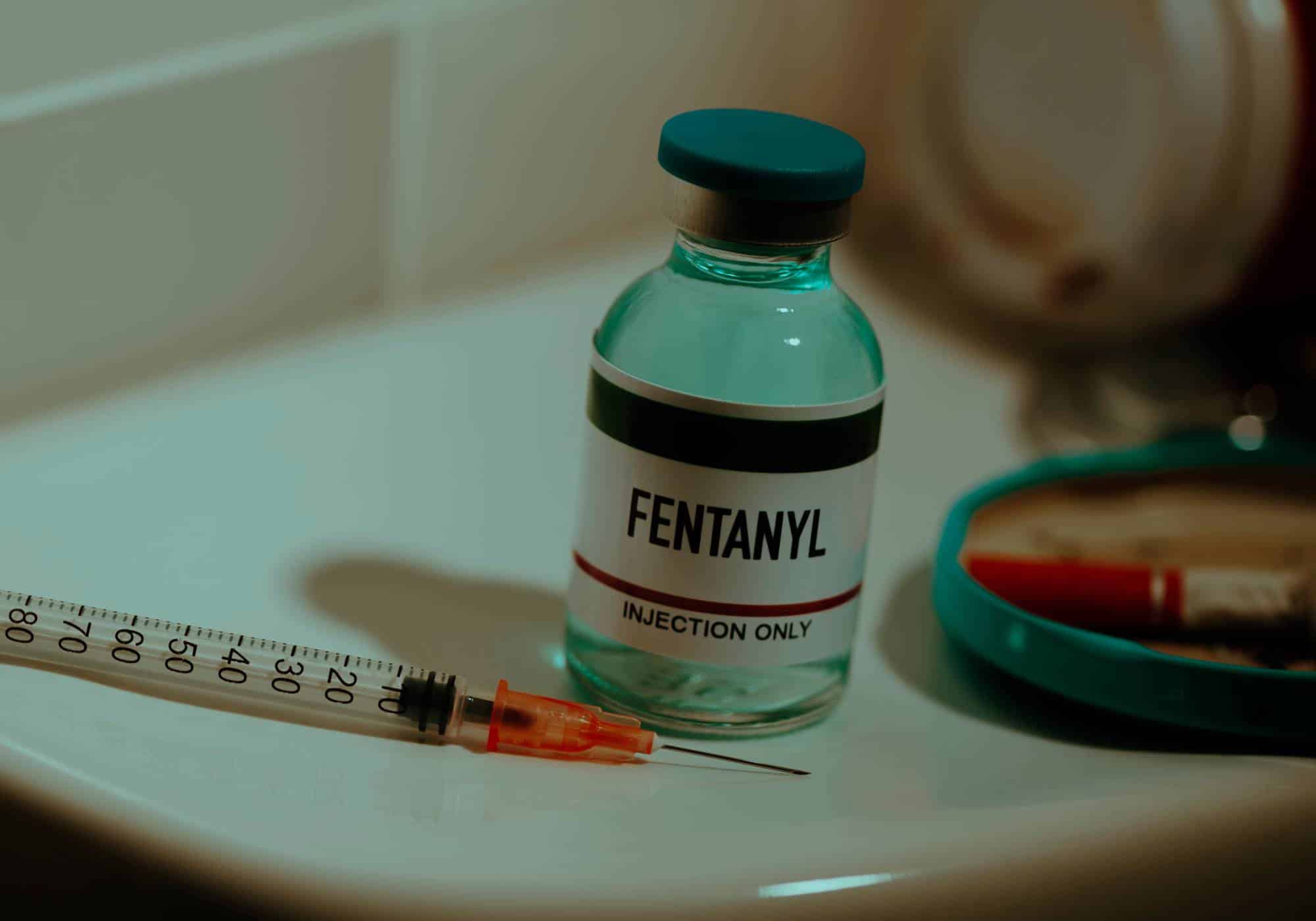
Fentanyl is a powerful synthetic opioid, significantly more potent than morphine and heroin. Originally developed for pain management in medical settings, fentanyl’s high potency makes it a key player in the illicit drug market. Even small amounts can lead to overdose and death, making fentanyl a major contributor to the opioid epidemic.
Xylazine, on the other hand, is a veterinary tranquilizer used to sedate animals like horses and cattle. Not approved for human use, xylazine has found its way into the illicit drug supply, often mixed with opioids like fentanyl. This combination is particularly dangerous, as xylazine can cause severe respiratory depression, cardiovascular issues, and unpredictable behavioral effects.
Together, fentanyl and xylazine create a potent and deadly mix that poses severe risks to individuals struggling with substance abuse.
The Rise of Fentanyl and Xylazine Use
The combination of fentanyl and xylazine has seen a troubling rise in recent years. As fentanyl continues to flood the drug market due to its high potency and profitability, adulterants like xylazine are increasingly added to enhance effects or increase profits. This trend is particularly alarming because it heightens the dangers associated with opioid use, making overdose more likely and complicating treatment efforts.
Law enforcement and health officials have identified this combination as a significant threat. The DEA has issued public safety alerts regarding the presence of xylazine in fentanyl, highlighting the increased risk of overdose and the challenges in reversing its effects.
Health Risks of Fentanyl and Xylazine
Overdose Risks
Both fentanyl and xylazine independently carry a high risk of overdose. Fentanyl acts on the brain’s opioid receptors, leading to euphoria, pain relief, and respiratory depression. However, due to its potency, even a slight miscalculation in dosage can result in death. When combined with xylazine, the risk is magnified. Xylazine causes additional respiratory depression and cardiovascular strain, making overdoses more likely and harder to treat. Traditional opioid overdose reversal methods, such as naloxone, may be less effective when xylazine is involved, complicating emergency responses.
Addiction Potential
Fentanyl’s high potency makes it extremely addictive. Users quickly develop tolerance, needing higher doses to achieve the same effects. This rapid escalation significantly increases the risk of addiction and dependence. Xylazine, while not an opioid, adds another layer of addiction potential due to its sedative effects, leading users to develop psychological dependence as they seek to replicate the calming sensations.
Mental Health Impact
The use of fentanyl and xylazine can severely impact mental health. Users may experience heightened anxiety, paranoia, and depression. The unpredictable effects of this drug combination can lead to emotional instability and exacerbate existing mental health conditions. Furthermore, the physical health decline caused by overdose or long-term use can contribute to a downward spiral of mental well-being.
Physical Health Complications
Beyond the immediate risks of overdose and addiction, fentanyl and xylazine use can lead to numerous physical health issues, including:
- Respiratory Issues: Both drugs can cause severe respiratory depression, leading to difficulty breathing and potential long-term lung damage.
- Cardiovascular Problems: Irregular heartbeats, high blood pressure, and other heart-related issues can arise from the use of these substances.
- Gastrointestinal Distress: Users may experience nausea, vomiting, and abdominal pain, which can lead to dehydration and malnutrition.
- Neurological Damage: Prolonged use can result in cognitive impairments, memory loss, and other neurological issues.

Signs of Fentanyl and Xylazine Abuse
Recognizing the signs of fentanyl and xylazine abuse is crucial for early intervention and treatment.
Common signs include:
- Physical Signs: Constricted pupils, drowsiness, confusion, and difficulty breathing. Users may also exhibit signs of malnutrition, poor personal hygiene, and unexplained weight loss.
- Behavioral Changes: Sudden mood swings, increased secrecy, withdrawal from social activities, and neglecting responsibilities. Individuals may also show a lack of motivation and increased irritability.
- Health Issues: Frequent illnesses, recurrent infections, and unexplained medical conditions can be signs of substance abuse. Users may also experience frequent nosebleeds if snorting the drugs.
In severe cases, signs of overdose such as unresponsiveness, lack of pulse, and respiratory arrest require immediate medical attention.
The Dangers of Combining Fentanyl and Xylazine
The combination of fentanyl and xylazine is particularly perilous for several reasons:
- Increased Potency: The sedative effects of xylazine can enhance the respiratory depression caused by fentanyl, making overdoses more likely.
- Masking of Symptoms: Xylazine can mask the signs of fentanyl overdose, delaying the recognition and treatment necessary to save a life.
- Complicated Medical Response: Standard overdose treatments like naloxone may be less effective when xylazine is involved, complicating emergency medical responses.
This dangerous combination not only increases the risk of fatal overdoses but also makes it harder for medical professionals to provide effective treatment, resulting in higher mortality rates.
Treatment Options for Fentanyl and Xylazine Addiction
Effective treatment for addiction to fentanyl and xylazine requires a multifaceted approach that addresses both the physical and psychological aspects of dependency. Here are some of the primary treatment options:
Detox
Detoxification is the first step in the treatment process, involving the safe withdrawal from fentanyl and xylazine under medical supervision. Medications may be used to manage withdrawal symptoms and reduce cravings, making the detox process more comfortable and less risky.
Behavioral Therapies
Behavioral therapies are integral to treating addiction. Cognitive Behavioral Therapy (CBT) helps individuals identify and change negative thought patterns and behaviors associated with drug use. Dialectical Behavior Therapy (DBT) focuses on teaching coping skills, emotional regulation, and interpersonal effectiveness.
Medication-Assisted Treatment (MAT)
MAT combines behavioral therapies with medications to treat addiction. Medications like buprenorphine and methadone can help reduce cravings and prevent relapse, while naltrexone blocks the effects of opioids, making them less appealing.
Support Groups
Support groups provide a sense of community and shared experience, which can be incredibly beneficial for individuals in recovery. Programs like Narcotics Anonymous (NA) offer a supportive environment where individuals can share their struggles and successes.
Aftercare Planning
Aftercare planning ensures that individuals continue to receive support and resources after completing initial treatment. This may include ongoing counseling, participation in support groups, and access to community resources.

The Role of Mental Health in Addiction
Addiction and mental health are closely intertwined. Many individuals struggling with substance abuse also face mental health challenges such as anxiety, depression, or post-traumatic stress disorder (PTSD). Addressing both addiction and mental health is crucial for successful recovery.
Dual Diagnosis Treatment
Dual diagnosis treatment involves simultaneous treatment for both substance abuse and mental health disorders. This integrated approach ensures that all aspects of an individual’s well-being are addressed, leading to more effective and sustainable recovery outcomes.
Trauma-Informed Care
Trauma-informed care recognizes the impact of trauma on an individual’s mental health and addiction. Therapists trained in trauma-informed care provide a safe and supportive environment, helping individuals heal from past traumas while addressing their substance abuse.
The Importance of Early Intervention
Early intervention can significantly improve the chances of recovery from fentanyl and xylazine addiction. Recognizing the signs of abuse and seeking help promptly can prevent the progression of addiction and reduce the risk of overdose and other severe health complications.
Signs to Look For
Being aware of the signs of fentanyl and xylazine abuse is essential for early intervention.
Common signs include:
- Physical Changes: Constricted pupils, drowsiness, confusion, and difficulty breathing.
- Behavioral Changes: Sudden mood swings, increased secrecy, withdrawal from social activities, and neglecting responsibilities.
- Health Issues: Frequent illnesses, poor personal hygiene, and unexplained weight loss.
Seeking Help Early
If you or someone you love is exhibiting signs of fentanyl and xylazine abuse, seeking help early can make a significant difference. Contact Hope Harbor Wellness today at 770-573-9546 or fill out our online contact form. Treatment is more effective when addiction is addressed before it becomes deeply entrenched.
The Impact on Communities
The dangers of fentanyl and xylazine extend beyond individual users, affecting entire communities. The high rates of overdose and addiction contribute to increased healthcare costs, loss of productivity, and strain on emergency services. Families and friends of individuals struggling with addiction also experience emotional and financial burdens.
Societal Costs
The societal costs of fentanyl and xylazine abuse are immense. These include the loss of lives, increased burden on healthcare systems, and the economic impact of lost productivity. Communities face challenges in providing adequate support and resources to address the growing crisis.
Stigma and Discrimination
Stigma and discrimination surrounding addiction can hinder individuals from seeking help. Fear of judgment and societal rejection can prevent people from accessing the treatment they need, exacerbating the problem. Promoting a compassionate and understanding approach to addiction is crucial in breaking down these barriers.
Fentanyl and Xylazine Addiction Treatment at Hope Harbor Wellness
The combination of fentanyl and xylazine presents a formidable challenge in the ongoing battle against substance abuse and the opioid epidemic. The dangers of this powerful mix are evident in the heightened risk of overdose, severe health complications, and the exacerbation of mental health issues. Recognizing the signs of abuse and understanding the risks associated with fentanyl and xylazine is crucial for individuals and their loved ones seeking help.
At Hope Harbor Wellness, we are committed to providing comprehensive support and treatment for those affected by addiction. If you or someone you know is struggling with the dangers of fentanyl and xylazine, call our admissions team at 770-573-9546 or fill out our online contact form. Recovery is possible, and help is available.