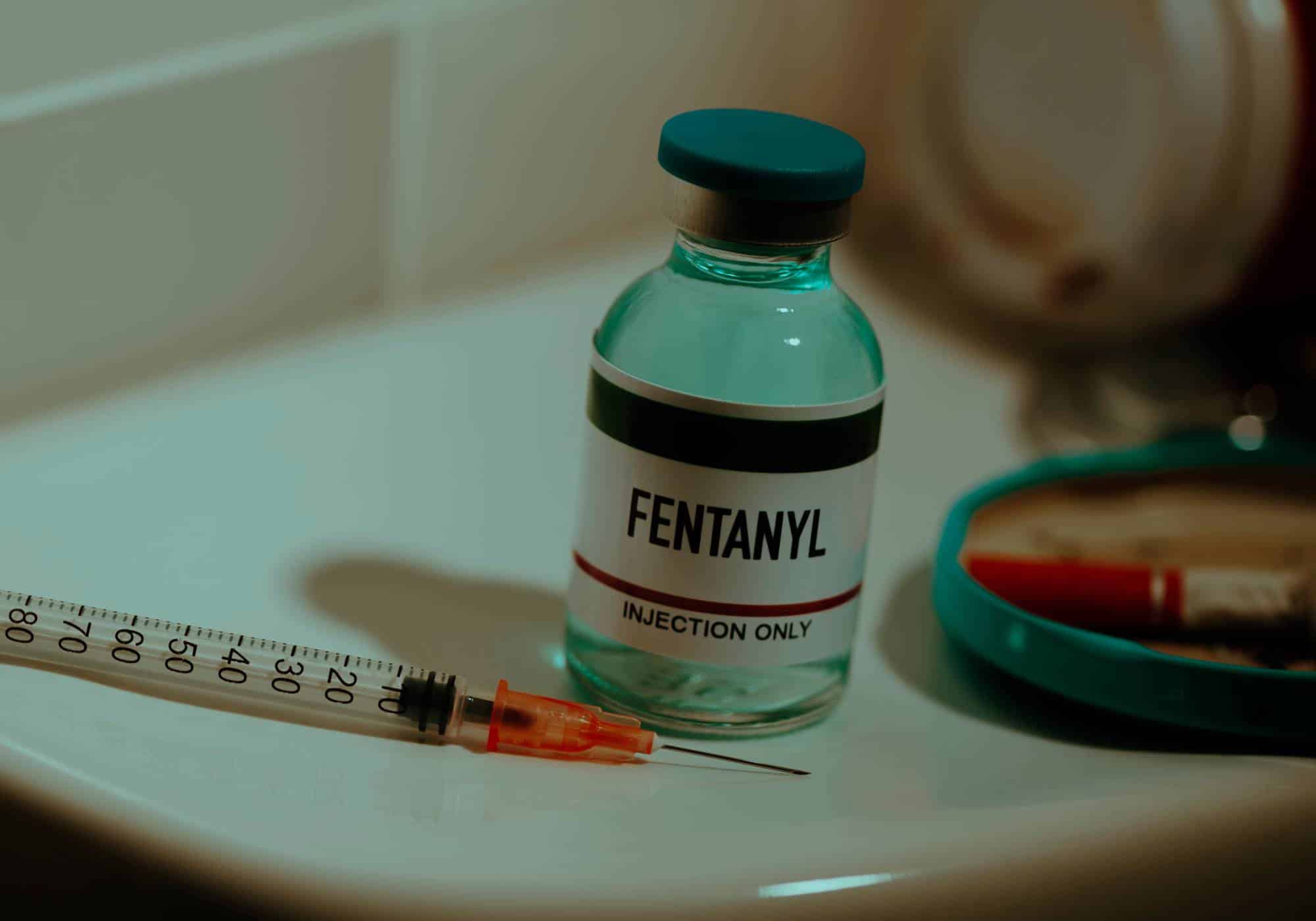


“Tranq” is a colloquial term for Xylazine, a substance initially engineered for veterinary purposes as a sedative and analgesic for animals. However, a worrying trend has emerged where individuals misuse this substance by mixing it with various drugs, notably acting as a cutting agent for heroin or being combined with fentanyl, raising alarm among healthcare professionals. When mixed with fentanyl, Tranq exhibits the potential to delay withdrawal symptoms and cravings for a markedly extended period compared to using fentanyl alone. The urgency in identifying and securing treatment for individuals involved in such dangerous concoctions cannot be overstated. Hope Harbor Wellness stands ready to offer assistance to individuals ensnared in the vicious cycle of Tranq abuse by crafting personalized treatment plans and offering gender-specific care.
What is Tranq?
Tranq, scientifically recognized as Xylazine, has been a cornerstone in veterinary practices for its effectiveness in sedating and relieving pain in animals. Under its intended use, it induces a calming effect, muscle relaxation, and alleviates discomfort among the animal population. In the illegal sphere, Tranq undergoes a transformation where its liquid form is dried and added to pills as a powder or blended with other powdered substances. As a tranquilizer, it’s known to temper anxiety, induce sedation, and ease muscle tension. Its rapid onset nature marks it as effective within a brief span, and its effects could linger for eight hours or longer, hinging on the quantity ingested and if combined with other drugs. The sinister partnership of Tranq and fentanyl extends the opioid’s effects and can prolong cravings and withdrawal symptoms, making it a formidable foe in the battle against drug addiction.
Identifying Tranq Usage
Tranq’s mechanism as a central nervous system depressant unveils a slew of adverse effects like drowsiness, memory lapses, slowed breathing, reduced heart rate, and perilously low blood pressure. In elevated doses or when coupled with other central nervous system depressants, Tranq can propel individuals into a state of loss of physical sensations, consciousness, and even heighten the effects of other drugs, thus complicating overdose scenarios and its management.
How Tranq Dope Interacts with the Body
Tranq dope primarily affects users through its potent sedative properties, often leading to severe health consequences. This drug, often mixed with animal sedatives, can cause severe and painful skin wounds. In more severe cases, it may lead to necrotic skin patches that can severely infect and potentially lead to the need for amputation due to the loss of blood circulation.
The depressant effects on the central nervous system include:
- Significantly slowed breathing
- Reduced heart rate
- Low blood pressure
- Drowsiness
- Contracted pupils
- Delayed wound healing, causing persistent skin wounds
A critical concern with tranq dope is its resistance to naloxone, the standard treatment for opioid overdoses. Because its main ingredient, xylazine, is not an opioid, naloxone is ineffective against it, complicating emergency overdose responses.

What are the Effects of Xylazine Use?
The effects of xylazine are predominantly based on anecdotal reports, as the drug hasn’t been extensively studied in humans.
Known effects of Tranq include:
- Dry mouth
- Drowsiness
- Initially high blood pressure, followed by dangerously low blood pressure and reduced heart rate
- Lowered body temperature
- Elevated blood sugar
- Coma
- Slowed, inefficient breathing
These symptoms highlight xylazine’s strong sedative impact, which can significantly impair bodily functions.
Is Xylazine Addictive?
There is limited research on the addictive potential of xylazine since it is not approved for human use. However, its common use with addictive substances like opioids suggests a high risk of dependency. Opioids like fentanyl increase euphoria, while xylazine adds depth to sedation, potentially complicating addiction and increasing the risk of overdose.
Signs of Tranq Addiction
Tranq addiction is often marked by increased drug tolerance and severe withdrawal symptoms that indicate dependence.
Key signs of Xylazine addiction include:
- Needing higher doses to achieve the same calming effect due to increased tolerance.
- Experiencing withdrawal symptoms like anxiety, irritability, and unease.
- Withdrawing from social interactions and deteriorating personal relationships.
- Engaging in deceptive behaviors to obtain multiple prescriptions.
- Experiencing significant changes in mood, behavior, and cognitive functions.
- Neglecting personal and professional responsibilities.
- Prioritizing drug use over other aspects of life.
Tranq Withdrawal Symptoms
Withdrawal from tranquillizers, particularly those like Xylazine or Klonopin, can be intense and requires medical oversight.
Symptoms of tranq withdrawal include:
- Anxiety and mood swings
- Dizziness and confusion
- Tremors and impaired coordination
- Insomnia and nightmares
- Excessive sweating
- Anger or hostility
- Muscle and joint pain
- Irritability
- Nausea and vomiting
- Difficulty concentrating
- Headaches
- Hallucinations
- Seizures
These symptoms necessitate a carefully managed detox to safely mitigate the risks associated with withdrawal.

Dangers of Tranq
The associated risks with Tranq are nothing short of harrowing. Its usage can manifest in skin and soft tissue lesions, including ulcers, often displaying on the legs and distant from injection locales. In escalated doses, Tranq can induce a state of unconsciousness. Unlike the semi-awake state of euphoria associated with opioids, individuals consuming fentanyl mixed with Tranq may find themselves blacking out, only to regain consciousness hours later. This precarious state elevates the risk of accidental injuries or even assaults. The sedative attributes of Tranq further skyrocket the overdose threat. Moreover, a grim reality is that since Tranq isn’t an opioid, naloxone, which is typically used for treating opioid overdoses, remains ineffective against Tranq overdose symptoms.
Tranq Addiction Treatment in Atlanta
For those in Atlanta dealing with Tranq or Xylazine addiction, comprehensive treatment options are available that include specialized detox programs and tailored therapeutic interventions.
Treatment typically begins with a medically supervised detox, followed by:
Hope Harbor Wellness provides extensive support for individuals struggling with Tranq abuse, Xylazine addiction in Atlanta, and other related substance use disorders, ensuring accessible and effective treatment for long-term recovery. For more information on Xylazine addiction treatment in Atlanta, GA or to start your journey, call our admissions team at 770-573-9546 or fill out our online contact form.