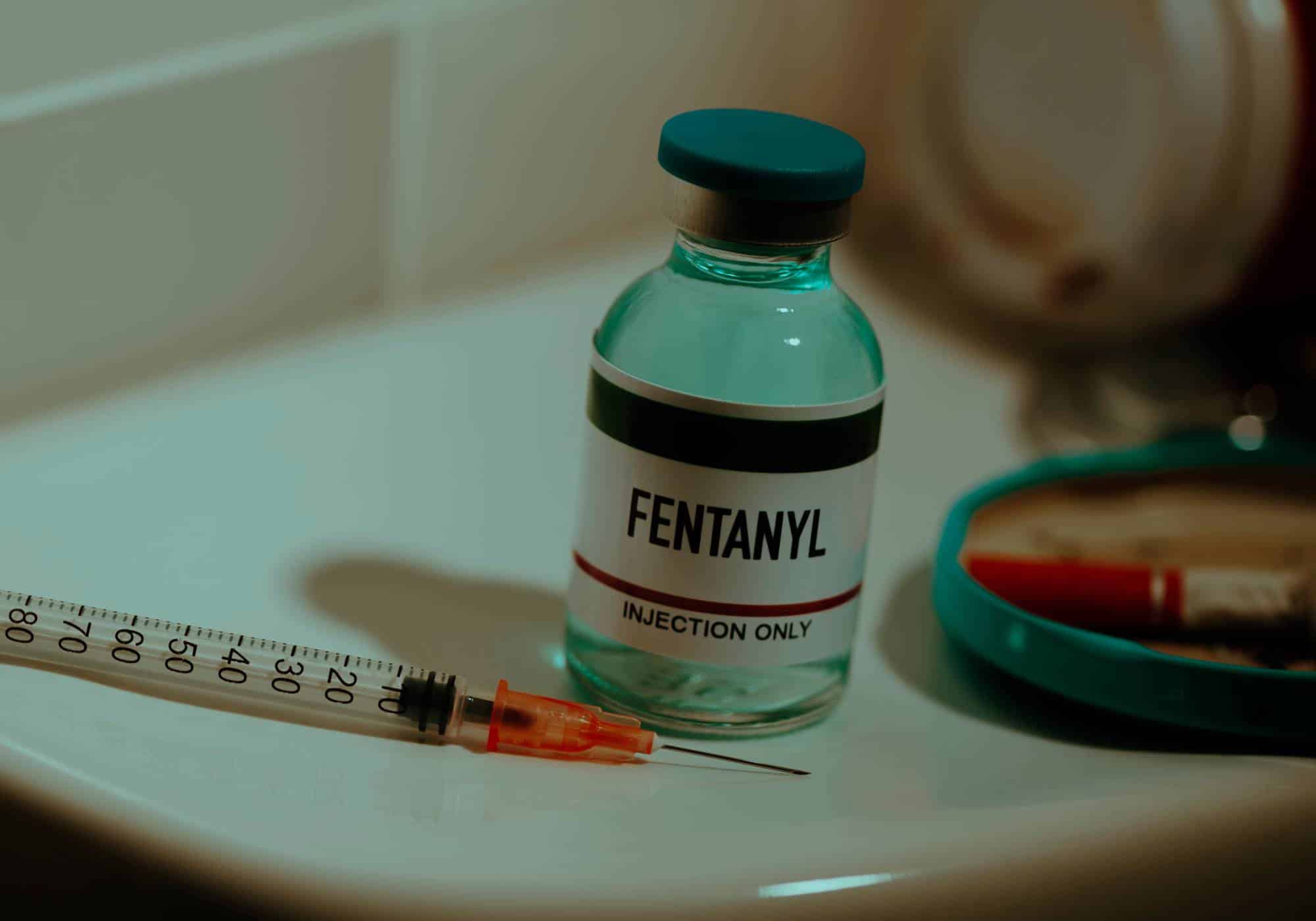


Ozempic, Wegovy, Mounjaro — the GLP-1 receptor agonists that reshaped the weight loss conversation are now appearing in a very different one: addiction medicine. Reports from patients on these medications noticing reduced cravings for alcohol, nicotine, and opioids have ignited serious research interest. But what does the science actually show — and does it change how addiction is treated right now?
This is one of the most discussed topics in addiction medicine in 2026. The short answer: the research is genuinely promising but not yet definitive, GLP-1 drugs are not currently approved for addiction treatment, and they are not a substitute for the evidence-based behavioral therapy and MAT that produces the best outcomes available today.
Questions About Addiction Treatment Options in Georgia?
Same-day assessments. In-network with BCBS, Cigna, Optum, TriCare. Call 770-573-9546.
What Are GLP-1 Receptor Agonists?
GLP-1 (glucagon-like peptide-1) receptor agonists are a class of medications originally developed for type 2 diabetes management that have shown remarkable efficacy for obesity treatment. Semaglutide (sold as Ozempic for diabetes management and Wegovy for weight loss), tirzepatide (Mounjaro, Zepbound), and liraglutide (Saxenda) are the most widely prescribed. They work by mimicking a naturally occurring gut hormone that regulates blood sugar, slows gastric emptying, and — critically for the addiction research interest — acts on reward pathways in the brain.
The reward pathway connection is the mechanism researchers are most focused on. GLP-1 receptors are present in the ventral tegmental area and nucleus accumbens — the core structures of the brain’s dopamine reward system that are also central to addiction. Stimulating those receptors appears to dampen the dopamine surge that substances produce, potentially reducing the rewarding effect of alcohol, nicotine, opioids, and other drugs.
What Does the Research Show?
The evidence base is building rapidly but is still early-stage for addiction-specific applications. Here is what has been published:
Alcohol use disorder: Multiple observational studies and retrospective analyses have found that patients on GLP-1 medications report reduced alcohol consumption, fewer heavy drinking days, and reduced craving. A 2024 study published in JAMA Psychiatry found that semaglutide was associated with significantly reduced alcohol use disorder-related events in a large database analysis. Randomized controlled trials are underway.
Opioid and stimulant use: Animal research has consistently shown that GLP-1 agonists reduce self-administration of cocaine, opioids, and nicotine in rodent models. Human data is more limited. A 2024 retrospective analysis of veterans health records found that patients on GLP-1 medications had lower rates of opioid and stimulant use disorder events. Case reports have documented patients noting dramatically reduced opioid cravings while on semaglutide. These findings are hypothesis-generating, not practice-changing.
Nicotine: The most consistent human data involves smoking cessation. Several observational studies have found higher quit rates among smokers on GLP-1 medications. The mechanism — reduced rewarding effect of nicotine — is biologically plausible.
What This Does NOT Mean
The excitement around GLP-1 research has produced some overstatements worth correcting directly. GLP-1 medications are not FDA-approved for addiction treatment. They are not accessible through standard addiction treatment programs. For people with opioid use disorder, they are not a replacement for buprenorphine (Suboxone) — which has 30 years of clinical evidence, a 50%+ reduction in overdose mortality, and is available today. The framing that Ozempic might “cure” addiction misrepresents both the current evidence and the complexity of addiction as a condition with behavioral, social, and neurobiological dimensions that no single medication addresses.
For Georgians seeking addiction treatment today, the evidence-based options remain MAT (buprenorphine, naltrexone), CBT, contingency management, and dual diagnosis treatment. These are available now, covered by insurance, and proven across decades of research. GLP-1 medications may eventually join the toolkit — the research is worth watching closely — but they are not ready for clinical deployment as addiction treatments.
Evidence-Based Addiction Treatment Available Now in Georgia
PHP, IOP, MAT (Suboxone, Vivitrol), Dual Diagnosis. In-network insurance. 770-573-9546.
What the GLP-1 Research Tells Us About Addiction
Independent of their clinical application in addiction treatment, the GLP-1 findings reinforce something that addiction medicine has known for decades: substance use disorder has a meaningful neurobiological substrate. The fact that a gut hormone receptor in the brain influences craving and reward behavior for alcohol, opioids, and nicotine simultaneously speaks to the shared dopaminergic mechanisms underlying different addictions.
This has practical implications for treatment. It supports the clinical rationale for MAT — if neurobiological mechanisms drive craving and relapse, then medications that address those mechanisms improve outcomes beyond what behavioral therapy alone can achieve. It also supports the dual diagnosis model: the same reward pathway disruptions that underlie addiction also underlie depression and anxiety, which is why treating mental health conditions simultaneously with addiction produces better outcomes than treating them sequentially.
Frequently Asked Questions
Can I use Ozempic to treat my alcohol addiction?
Not through any clinical addiction treatment program currently. GLP-1 medications are not FDA-approved for alcohol use disorder or any other substance use disorder. If you are on Ozempic for diabetes or weight management and notice reduced alcohol cravings, that is consistent with what the research suggests — but it is not a reason to forgo evidence-based treatment, which provides comprehensive behavioral and medical support that a GLP-1 medication alone does not.
Will insurance cover GLP-1 medications for addiction treatment?
No — insurance covers GLP-1 medications for their approved indications (type 2 diabetes, obesity). They are not covered as addiction treatments because they are not approved for that indication. Insurance does cover the evidence-based MAT medications that are available now: buprenorphine (Suboxone) and naltrexone (Vivitrol). Call 770-573-9546 to verify your specific plan’s coverage.
My doctor mentioned Ozempic might help my drinking — should I try it?
Discuss this with your physician and consider also connecting with an addiction medicine specialist. If your alcohol use is at the level of a clinical use disorder, comprehensive addiction treatment — including MAT evaluation and behavioral therapy — gives you the strongest evidence base for sustained recovery. The two approaches are not mutually exclusive.
When might GLP-1 medications be approved for addiction?
Randomized controlled trials are underway. If results are positive, FDA approval pathways could take 3 to 5 years from current trial completion. The research community is watching this with genuine interest. For now, the treatment landscape for addiction in Georgia remains buprenorphine, naltrexone, CBT, and dual diagnosis programming — all available today at Hope Harbor Wellness.