

Outpatient drug treatment in Georgia gives adults and their families a powerful way to overcome addiction without leaving work, school, or loved ones behind. By combining evidence-based therapy, medical detox, and community support, outpatient programs help Georgians recover while staying rooted in daily life. Over the last decade Georgia’s leaders have poured resources into community-based care to combat the opioid and stimulant crises, creating a network of Intensive Outpatient Programs, day-treatment tracks, and ambulatory detox clinics that reach from Valdosta to the Blue Ridge Mountains.
In this guide you will discover how outpatient rehab compares with inpatient care, why outpatient detox is saving lives during the opioid crisis, and what to look for in dual-diagnosis and medication-assisted programs across the state. We share local success stories, up-to-date statistics, and practical checklists you can use right away. With the right outpatient plan, Georgia residents can break free from substance use, stabilize mental health, and build lasting recovery right at home.
How Outpatient Rehab Works in Georgia
Levels of Care You Will See
Outpatient care is not one size fits all. Georgia providers typically offer three main tiers so every client can start at the intensity that matches their needs and then step down gradually.
- Intensive Outpatient Program in Georgia (IOP)
• Meets three – five days each week for about three hours per session.
• Ideal for those who need structure and accountability yet must continue working, studying, or caring for family.
• Evening and weekend groups are common in Atlanta, Augusta, and Columbus. - Partial Hospitalization Program (PHP) or “day treatment”
• Runs Monday through Friday, often six hours per day with a lunch break.
• Combines individual therapy, skills groups, medical check-ins, and experiential activities such as art or yoga therapy.
• A strong alternative to a thirty-day inpatient stay for clients who have safe housing but need daily structure. - Standard Outpatient Program (OP)
• One or two individual or group sessions each week plus urine drug screens.
• Works as a step-down after IOP or PHP or as a starting point for people with mild substance use and strong support at home.
Core Components of Quality Outpatient Care
- Comprehensive assessment – A full medical, mental-health, and social review identifies every factor that drives addiction.
- Evidence-based counseling – Therapies like Cognitive Behavioral Therapy and Motivational Interviewing give clients proven tools to change thinking and behavior.
- Family involvement – Weekly education nights or joint sessions teach loved ones to support recovery and set healthy boundaries.
- Medication management – Licensed prescribers adjust psychiatric medicines or detox medications, stabilizing brain chemistry and lowering relapse risk.
- Regular drug testing – Scheduled and random tests provide objective accountability and help clinicians adjust care quickly.
- Aftercare planning – Discharge plans include alumni meetings, sober-living referrals, and relapse-prevention workshops so progress continues after formal treatment ends.
Outpatient Detox and Medication-Assisted Treatment
Why Outpatient Detox Matters in Georgia
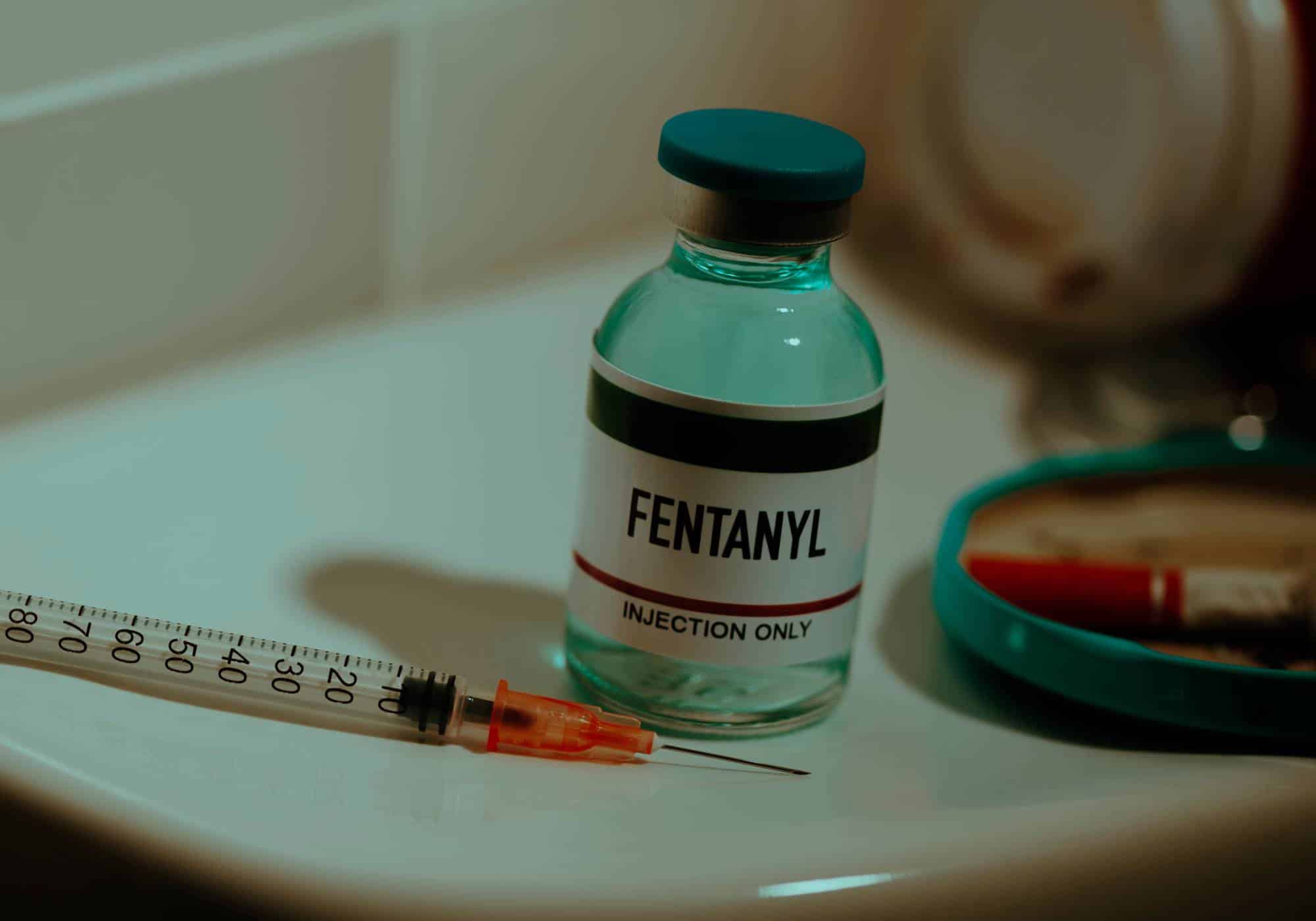
- Georgia recorded 2 687 overdose deaths in 2022, the highest in state history.
- Fentanyl involvement rose to 64 percent of those deaths.
- Outpatient detox clinics let people begin medication within forty-eight hours, a life-saving window when cravings and overdose risk are highest.
Starting Medication-Assisted Treatment (MAT) within two weeks of an opioid overdose can lower the odds of another overdose by nearly sixty percent. Same-day assessments, walk-in hours, and telehealth prescribers help clinics across Georgia meet that critical timeline.
Medication-Assisted Treatment Options
- Buprenorphine–Naloxone (Suboxone) – Daily tablet or film plus weekly clinic or telehealth check-ins. Reduces opioid cravings and prevents withdrawal.
- Methadone – Daily supervised dose at an opioid-treatment program. Effective for severe or long-term opioid addiction.
- Extended-release Naltrexone (Vivitrol) – Once-monthly injection that blocks opioid and alcohol effects after detox is complete.
- Acamprosate – Oral medication that eases post-acute alcohol withdrawal and supports abstinence.
- Disulfiram – Oral medication that causes unpleasant symptoms if alcohol is consumed, reinforcing sobriety.
Frequently Asked Questions About Outpatient Drug Treatment
Is outpatient rehab as effective as inpatient?
Yes, for many people. A 2021 analysis of fifty-plus studies found similar long-term abstinence rates when clients received adequate therapy intensity, had safe housing, and built a strong bond with counselors.
Can I Detox Safely Without Inpatient Admission?
Often, but a medical screening is essential. Opioid detox is usually safe outpatient. Severe alcohol or benzodiazepine dependence may need short inpatient monitoring first.
What if I Have Mental-Health Issues Along with Addiction?
Look for dual-diagnosis treatment in Georgia. Integrated programs treat depression, anxiety, PTSD, or bipolar disorder alongside substance use, reducing relapse risk.
Will Insurance Cover Outpatient Treatment?
Most plans do. Georgia’s 2022 Mental Health Parity Act requires insurers to cover substance-use care on par with medical care. Our admissions team can verify benefits within one business day.
Specialty Outpatient Programs for Alcohol, Stimulants, and Dual Diagnosis
Outpatient Alcohol Rehab in Georgia
- Starts with a brief medical detox when needed, often three days under physician supervision.
- Focuses on social triggers common in Georgia culture, such as football tailgates and workplace happy hours.
- May include medications like naltrexone or acamprosate to curb cravings.
Meth and Cocaine Addiction Treatment
- Uses Cognitive Behavioral Therapy to break binge-and-crash cycles.
- Employs Contingency Management, offering rewards for negative drug screens.
- Incorporates exercise therapy—group hikes, yoga, or CrossFit—to boost natural dopamine.
Dual-Diagnosis Care
- Includes psychiatric evaluation to differentiate substance-induced symptoms from underlying disorders.
- Offers medication management for conditions like depression or ADHD.
- Provides trauma therapies such as EMDR or somatic experiencing when PTSD is present.
Choosing the Right Outpatient Program in Georgia
Questions to Ask a Provider
- Are you licensed by the Georgia Department of Community Health and accredited by The Joint Commission or CARF?
- What credentials do your counselors hold (LPC, LCSW, LMFT, CADC)?
- How quickly can I start Medication-Assisted Treatment if needed?
- Do you provide evening or weekend groups to fit my schedule?
- How will you involve my family or support network?
- What aftercare or alumni services keep me connected after graduation?
- Can you verify my insurance benefits and outline all out-of-pocket costs before I enroll?
Cost and Insurance Basics
- Private-insurance plans often require meeting an annual deductible, then charge thirty to fifty dollars per IOP session.
- Some centers accept Georgia Medicaid CMO plans and Medicare for PHP and MAT.
- Self-pay rates typically range from two-hundred to three-hundred fifty dollars per group session, with sliding-scale or financing available.
- State vouchers and grant-funded slots may help uninsured residents who meet income and clinical guidelines.
Telehealth and Hybrid Options
- Virtual IOP tracks three evenings a week via encrypted video sessions.
- Hybrid schedules combine in-person sessions with telehealth check-ins, reducing travel for rural clients.
- Digital homework portals allow clients to complete CBT worksheets and receive therapist feedback between sessions.
Life After Outpatient: Building a Sober Future in Georgia
Relapse-Prevention Strategies
- Keep a journal of craving triggers, emotions, and coping tools that worked.
- Engage with the recovery community—AA, Celebrate Recovery, or SMART meetings in cities and small towns statewide.
- Replace old habits with healthy hobbies: kayaking the Chattahoochee River, hiking at Kennesaw Mountain, or joining local art classes.
- Program the Georgia Crisis and Access Line (dial 988) into your phone for immediate support.
Alumni Support at Hope Harbor Wellness
- Monthly alumni events such as cookouts, service projects, and peer-mentor calls.
- Lifetime access to relapse-prevention refresher workshops in person or by video.
- Monthly phone check-ins that track progress and provide early intervention if challenges arise.
Conclusion: Start Your Recovery Close to Home
Outpatient drug treatment in Georgia blends professional care, medical detox, and mental-health support with the freedom to keep living your life. Whether you need an Intensive Outpatient Program in Atlanta, medication-assisted detox in Hiram, or dual-diagnosis therapy in Marietta, flexible solutions exist. We have explored how outpatient levels of care work, why outpatient detox is vital in the fentanyl era, and what success looks like for alcohol, stimulant, and dual-diagnosis clients.
Your journey can begin today. Hope Harbor Wellness stands ready with compassionate clinicians, evidence-based practices, and customized plans that honor your responsibilities and goals. Recovery is closer than you think, and you do not have to put everything on hold to achieve it.
Contact Hope Harbor Wellness at 770-573-9546 or use our online contact form to learn how outpatient drug treatment in Georgia can change your life.