

Psilocybin is the psychedelic compound found in various types of mushrooms, often referred to as magic mushrooms or shrooms. These mushrooms grow naturally in many parts of the world and can be consumed fresh, dried, or brewed as tea. With nearly 100 identified species containing psilocybin and potentially more undiscovered, psilocybin remains a subject of fascination. A frequent question regarding psilocybin is: how long do shrooms stay in your system? Here, our drug experts from Atlanta drug rehab provide insights.
How Long Do shrooms Stay in Your System?
How long mushrooms stay in your system depends on multiple factors, including dosage, frequency of use, metabolism, and the individual’s physical characteristics such as age and weight. The half-life of psilocin, which is a metabolite of psilocybin, averages 50 minutes. This implies that approximately two-thirds of a magic mushroom dose is expelled from the body within three hours, primarily through the kidneys. Generally, it could take up to 15 hours for magic mushrooms to be entirely metabolized and eliminated from the system.

Duration of Magic Mushrooms in the Body and Drug Tests
While magic mushrooms are not commonly included in standard drug screening tests like those used in workplaces, specialized drug tests can be conducted to detect psilocybin.
Here’s how long shrooms can be detected in the body based on different types of drug tests:
- Urine Tests: Magic mushrooms can be detected in urine for at least 15 hours after use. However, they are not typically included in routine drug screenings.
- Hair Follicle Tests: Unlike other substances, psilocybin does not show up in hair follicle tests, which can otherwise detect drug use for up to 90 days.
- Saliva Tests: Currently, there are no reliable saliva tests for detecting psilocybin.
- Blood Tests: Psilocybin is seldom tested via blood tests and can stay in the bloodstream for about 15 hours.
Effects of Consuming Shrooms
Shrooms can be consumed in several ways, including eating them directly, brewing them into tea, or ingesting them in powdered form inside capsules. The onset and duration of effects can vary based on the method of ingestion and personal factors such as the user’s metabolism and the type of mushroom used.
Potential effects of consuming shrooms include:
- Dilated pupils
- Nausea and vomiting
- Increased heart rate
- Higher body temperature
- Headaches and stomach aches
- Auditory and visual hallucinations
- Distorted perceptions of time and space
- A feeling of detachment from reality
- Altered thought patterns
- Profound euphoria or dramatic mood changes
- Potential panic, paranoia, or intense fear
Typically, the effects of shrooms start within 5-40 minutes of consumption and can last between three to six hours. The intensity and nature of the experience can be influenced by the individual’s environment and mental state at the time of ingestion.
Shroom Half-Life & Its Impact in Your System
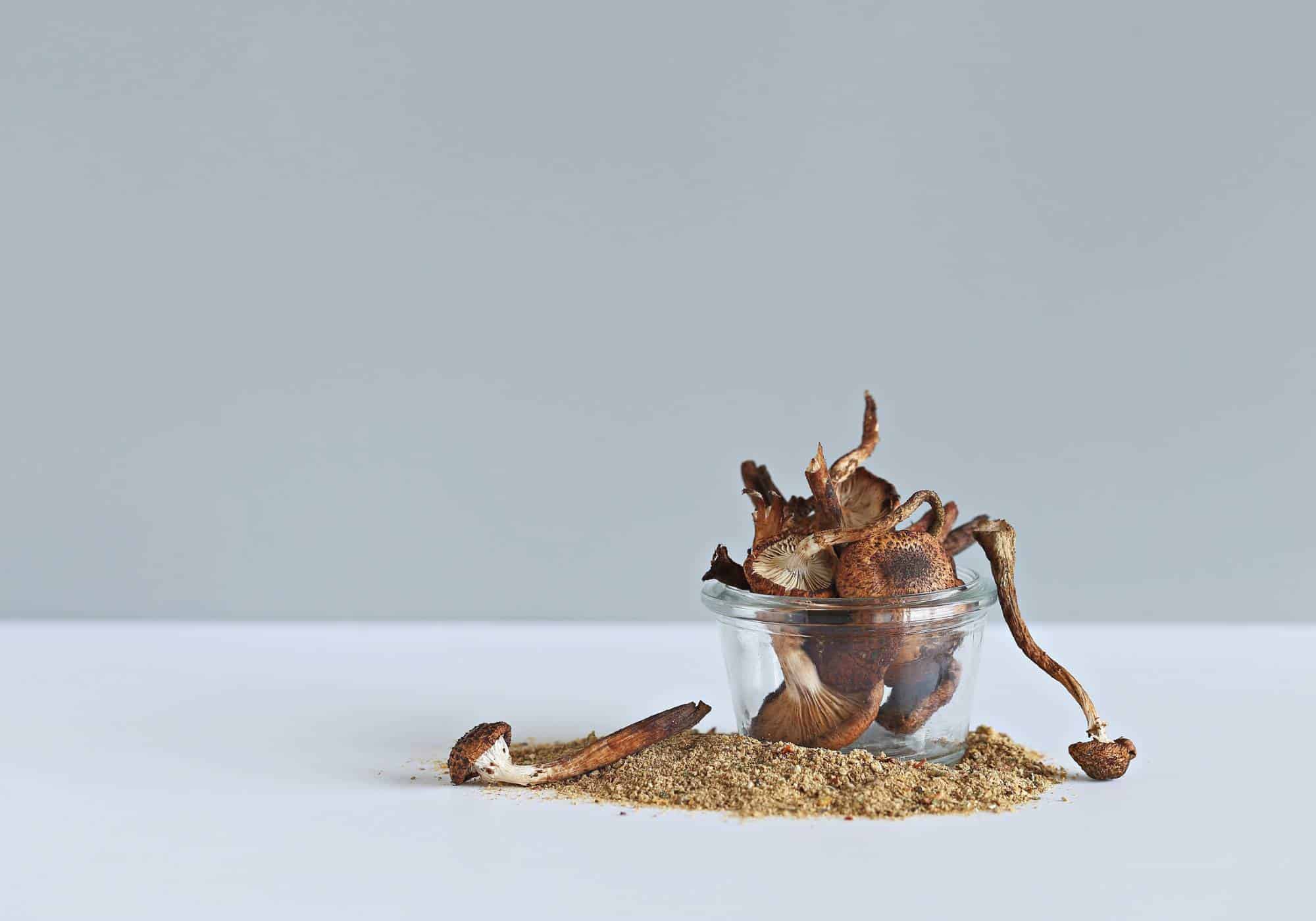
Shrooms, also known as magic mushrooms, primarily contain the hallucinogenic compound psilocybin, which is converted into psilocin in the body. Psilocin’s elimination half-life is approximately three hours, meaning it takes about three hours for the body to reduce the active substance by half. Generally, a drug is considered to be almost entirely eliminated after four to five half-lives.
Under the influence of shrooms, individuals may experience vivid hallucinations, seeing or hearing things that aren’t present. They often report feelings of euphoria and a heightened sense of well-being. However, the use of shrooms can also lead to less desirable effects such as stomach pain, nausea, headaches, rapid or irregular heartbeats, rapid breathing, and distressing psychological experiences commonly referred to as “bad trips”. Other symptoms might include vomiting, facial flushing, sweating, and chills. These effects underscore the potency of psilocybin and the need for caution when using such substances.
Factors That Affect How Long Mushrooms Stay in Your System
How long shrooms stay in your system is influenced by several individual factors.
Psilocybin, the key psychoactive substance in magic mushrooms, is processed differently depending on a variety of personal and physiological factors:
- Metabolism: Individual metabolic rates can significantly affect how quickly substances are cleared from the body. Faster metabolisms tend to expedite the elimination process.
- Dosage: The amount of psilocybin ingested plays a direct role in how long it stays in the system. Larger doses may require more time to be fully metabolized and eliminated.
- Frequency of Use: Regular users of psilocybin might experience an accumulation of the drug’s metabolites, potentially prolonging the detection window compared to occasional users.
- Age: Metabolic rates tend to decrease with age, possibly leading to slower drug clearance in older adults.
- Liver and Kidney Health: These organs are crucial for metabolizing and excreting psilocybin. Impairments in liver or kidney function can delay the process.
- Body Fat Percentage: Psilocybin is lipophilic, meaning it tends to accumulate in fatty tissues. Individuals with higher body fat percentages may retain metabolites for longer periods.
- Hydration: Proper hydration supports the body’s detox processes. Dehydration can slow down the excretion of psilocybin.
- Drug Interactions: The presence of other drugs can affect how psilocybin is metabolized, potentially altering its half-life.
Drug testing for psilocybin is relatively uncommon but can be conducted under specific circumstances. Each person’s body reacts differently, making these factors general guidelines rather than exact predictions. Consultation with a healthcare provider is recommended for personal advice concerning drug use and testing.
Are Shrooms Dangerous?
There is no such thing as safe usage of shrooms. When consumed, shrooms pose several immediate and long-term risks.
The potential dangers associated with shroom use include:
- Panic attacks
- Delusions
- Profound disorientation
- Delirium
- Psychosis
- Flashbacks
- Accidental poisoning
The risk of poisoning is particularly concerning due to the resemblance of psilocybin mushrooms to some toxic varieties.
Ingesting poisonous mushrooms can lead to severe health complications such as:
- Nausea and diarrhea
- Abdominal cramps
- Irregular heart rate and pulse
- Respiratory failure
- Kidney failure
- Liver failure
- Convulsions
- Coma
- Death
Moreover, individuals under the influence of shrooms are at increased risk of physical injuries from slips, falls, or other accidents caused by impaired coordination and judgment.
Additionally, in the United States, psilocybin is classified as a Schedule I controlled substance. According to the U.S. Drug Enforcement Agency (DEA), this classification indicates that shrooms are considered to have no accepted medical use and a high potential for abuse. Possession of shrooms can lead to legal consequences including arrest, fines, and imprisonment.
What Happens When You Stop Taking Magic Mushrooms?
Stopping the use of magic mushrooms can be challenging due to the hallucinatory effects of psilocybin, which may alter one’s perception of reality. Individuals who have used shrooms long-term might experience difficulty in discontinuing use due to withdrawal symptoms, which can be uncomfortable and compelling enough to make cessation seem daunting.
Common shroom withdrawal symptoms include:
- Extreme mood swings
- Panic episodes
- Impaired impulse control
- Cravings for mushrooms
- Irritability and rage
- Speech difficulties
While some withdrawal symptoms may seem manageable, those experiencing severe effects should seek professional mental health support. This support is crucial for safely navigating the withdrawal process and ensuring effective recovery strategies are in place.
Furthermore, the duration that shrooms stay in your system can complicate the detox process. The longer the substances remain, the more challenging it can be to eliminate the drug’s residues and overcome dependence. Professional guidance and treatment are recommended to facilitate a safe and effective detox and recovery process.

More About Drug Tests and Detection
Understanding how long shrooms stays in your system is only one piece of the picture. If you’d like a deeper breakdown of how urine, blood, saliva, and hair tests actually work, you can read our guide on how drug tests work. For a broader overview of different substances and timelines, visit how long drugs stay in your system.
Magic Mushroom Addiction Treatment at Hope Harbor Wellness
Located in the serene suburbs of Atlanta, Hope Harbor Wellness is your ally in the fight against magic mushroom addiction in Atlanta. Our mushroom drug rehab center is dedicated to holistic recovery and is ideally situated to offer you the support you need.
Our compassionate outpatient program collaborates with top-tier medical shroom detox facilities, ensuring a safe and effective detox process. Once free from addictive substances, you can seamlessly transition into one of our specialized outpatient treatment programs at Hope Harbor Wellness, designed to address substance use disorders:
- Outpatient Rehab: A flexible program tailored to fit into your daily life.
- PHP (Partial Hospitalization Program): Offers a structured yet non-residential approach to treatment.
- IOP (Intensive Outpatient Program): Provides more intensive care while allowing you to maintain daily responsibilities.
- Dual Diagnosis Treatment Program: Caters to those with co-occurring mental health disorders.
Our magic mushroom addiction treatment programs incorporate a variety of interventions:
- MAT (Medication-Assisted Treatment): Utilizes medications to ease withdrawal symptoms and cravings.
- Psychotherapy (CBT and DBT): Addresses underlying psychological aspects of addiction.
- Group Therapy: Offers peer support and shared learning experiences.
- Individual Therapy: Provides personalized guidance and support.
- Family Therapy: Helps heal and strengthen family relationships.
- Holistic Therapies: Focuses on overall well-being, including physical, emotional, and spiritual health.
- Aftercare: Ensures ongoing support post-treatment.
Embark on your journey from addiction to recovery with Hope Harbor Wellness. Trust in our dedicated team to guide you every step of the way. For more information or to start shroom addiction treatment in Atlanta, GA, call our admissions team at 770-573-9546 or through our online contact form.