

In our daily lives, reaching for an over-the-counter (OTC) medication is a common reflex. Whether it’s for a headache, seasonal sniffles, or an upset stomach, these readily available remedies are designed to offer quick relief without a doctor’s prescription. Found on shelves in pharmacies and grocery stores, their accessibility often creates a false sense of security, leading many to believe they are entirely harmless. However, the truth is far more complex: certain OTC drugs carry a significant potential for misuse, leading to serious health consequences and even addiction.
The journey into over-the-counter drug abuse can be subtle, often starting with seemingly innocent intentions. Perhaps someone is seeking stronger effects than recommended, or trying to manage uncomfortable feelings, leading to a dangerous cycle. Regardless of how it begins, recognizing when use crosses into abuse is the first vital step toward healing. At Hope Harbor Wellness in Atlanta, GA, we understand the nuanced challenges of OTC substance use disorders. We are a dedicated outpatient addiction treatment center, committed to guiding individuals through comprehensive drug rehab programs to reclaim their well-being and achieve lasting sobriety.
What Are Over-the-Counter Drugs?
OTC drugs are regulated by health authorities and approved for self-administration, making them distinct from prescription medications. This means they are deemed safe for consumers to use without direct medical supervision, provided the instructions on the label are followed precisely. Their widespread availability underscores their role in managing common, minor health issues such as allergies, colds, pain, and digestive discomfort.
Key characteristics setting OTC drugs apart include:
- No Prescription Barrier: Unlike prescription drugs, no physician’s approval is needed to purchase OTC medications, making them readily accessible to nearly everyone.
- Designed for Self-Care: Their formulation and dosage are intended for short-term, symptomatic relief, empowering individuals to manage everyday ailments independently.
- Consumer-Friendly Labeling: Packaging provides clear, standardized information on proper dosage, potential side effects, warnings, and active ingredients, vital for safe use.
- Lower Dosages: Generally, the strength of active ingredients in OTC options is lower than their prescription counterparts, which can sometimes prompt misuse when individuals seek a stronger effect.
Despite these careful distinctions and widespread availability, the perception of inherent safety can be misleading. When individuals deviate from recommended dosages or use OTC medications for purposes other than their intended medical use, the line into abuse and potential addiction becomes dangerously blurred.
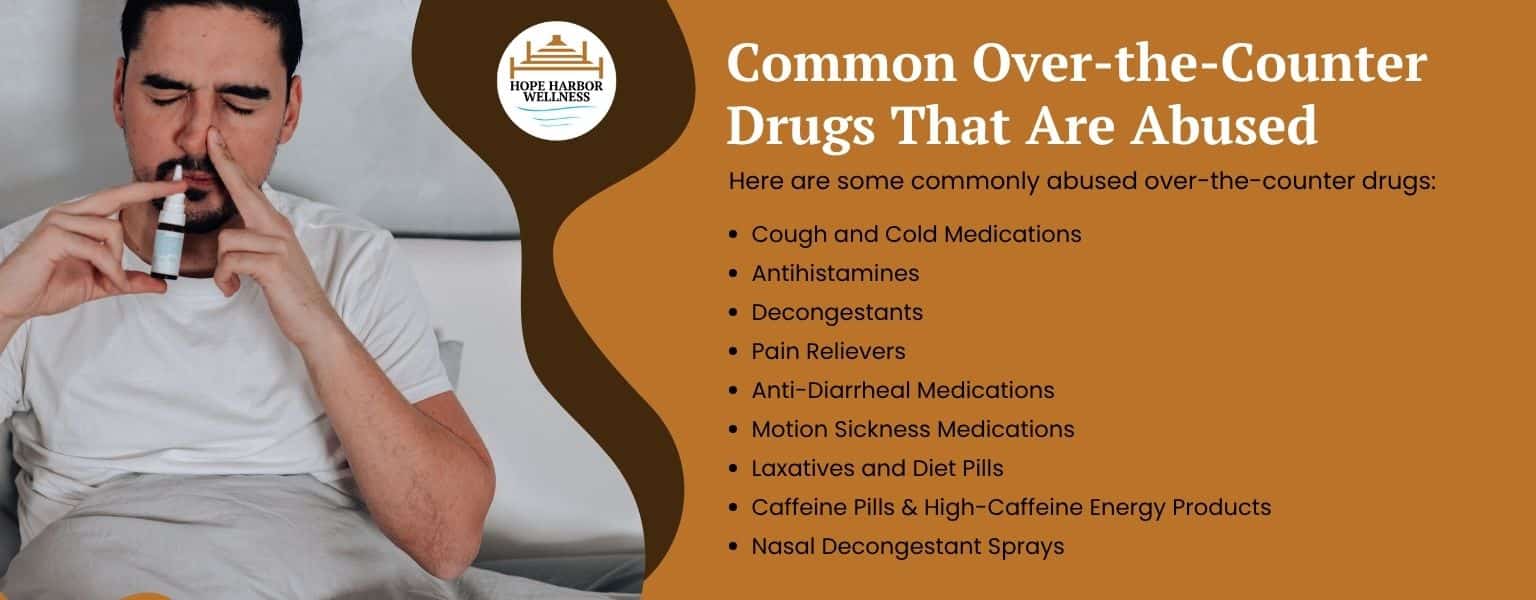
The Pursuit of an “OTC High”: What Over-the-Counter Drugs Are Abused?
While OTC medications are formulated for therapeutic benefit, some contain active ingredients that, when taken in excessive quantities, can produce mind-altering effects or an “OTC high.” This pursuit of altered states carries significant health risks.
Here are some commonly abused over-the-counter drugs and the dangers associated with their misuse:
Cough and Cold Medications (Dextromethorphan – DXM):
- What it is: DXM is a common cough suppressant found in various cough syrups, gel caps, and lozenges.
- Abuse Pattern: When consumed in very high doses, DXM acts on brain receptors to induce dissociative and hallucinogenic effects, similar to PCP or ketamine. Users might experience altered perceptions, a sense of detachment from their body, impaired motor skills, and extreme confusion. Street names like “robotripping” highlight its intoxicating potential.
- Dangers: Overdosing on DXM can lead to nausea, vomiting, dizziness, loss of coordination, rapid heart rate, high blood pressure, and respiratory depression. Combining it with alcohol or other depressants significantly amplifies these risks and can be life-threatening.
Antihistamines (Diphenhydramine):
- What it is: Diphenhydramine is an active ingredient in many allergy medications and sleep aids (e.g., Benadryl, Unisom).
- Abuse Pattern: In large quantities, diphenhydramine produces sedative effects and can cause anticholinergic toxicity, leading to delirium, hallucinations, extreme drowsiness, and impaired cognitive function. Some individuals abuse it to enhance the effects of other substances or to achieve an “out-of-body” experience.
- Dangers: Severe overdose can result in dangerously rapid heartbeat, seizures, hyperthermia, coma, and fatal respiratory depression, especially when mixed with other central nervous system depressants.
Decongestants (Pseudoephedrine & Phenylephrine):
- What it is: These stimulants are found in cold and allergy remedies (e.g., Sudafed, Allegra-D). Pseudoephedrine is particularly noteworthy due to its dual use.
- Abuse Pattern: While less frequently abused directly for a “high” due to purchase restrictions, pseudoephedrine is a key precursor in the illicit production of methamphetamine, a highly addictive stimulant. Misuse of either decongestant can lead to stimulant-like effects.
- Dangers: Overuse can cause anxiety, restlessness, insomnia, tremors, and dangerous cardiovascular issues like elevated blood pressure, heart palpitations, and an increased risk of heart attack or stroke.
Pain Relievers (Acetaminophen & NSAIDs):
- What it is: Commonly found as acetaminophen (e.g., Tylenol) and NSAIDs like ibuprofen (e.g., Advil, Motrin) or naproxen (e.g., Aleve).
- Abuse Pattern: Although they don’t produce a euphoric “high,” chronic misuse by exceeding recommended dosages for persistent pain management, or using them to self-medicate, constitutes abuse.
- Dangers: Acetaminophen overdose is a leading cause of acute liver failure, often requiring a liver transplant or being fatal. High doses of NSAIDs can lead to severe gastrointestinal bleeding, kidney damage, and cardiovascular problems.
Anti-Diarrheal Medications (Loperamide):
- What it is: Loperamide (e.g., Imodium) is an opioid-receptor agonist designed to slow gut motility.
- Abuse Pattern: In extremely high, off-label doses, loperamide can cross the blood-brain barrier, producing opioid-like effects. It’s often abused by individuals attempting to self-manage opioid withdrawal symptoms or to achieve a low-cost opioid “high.”
- Dangers: Critically dangerous doses of loperamide can cause severe, life-threatening cardiac arrhythmias (irregular heartbeats) and profound respiratory depression, often leading to death.
Motion Sickness Medications (Dimenhydrinate):
- What it is: Dimenhydrinate (e.g., Dramamine) is an antihistamine used to prevent motion sickness.
- Abuse Pattern: Similar to other antihistamines, very high doses can induce hallucinogenic and dissociative states, leading to an “OTC high” characterized by confusion, delirium, and unsettling hallucinations.
- Dangers: Risks include rapid heart rate, seizures, extreme drowsiness, and severe anticholinergic toxicity.
Laxatives and Diet Pills:
- What it is: These are used to promote bowel movements or suppress appetite.
- Abuse Pattern: Often misused, particularly by individuals with eating disorders, for rapid weight loss or purging, rather than their intended medical purpose.
- Dangers: Chronic misuse of laxatives can lead to severe electrolyte imbalances (disrupting heart and nerve function), chronic dehydration, damage to the digestive system, and dependence. Diet pills can cause heart problems, anxiety, and a cycle of dependence.
Caffeine Pills & High-Caffeine Energy Products:
- What it is: Concentrated forms of stimulants, widely available.
- Abuse Pattern: While not for a “high” in the same way, excessive, compulsive use to enhance focus, boost energy, or suppress appetite can lead to physical dependence and adverse effects.
- Dangers: High doses can cause dangerous heart palpitations, severe anxiety, jitters, insomnia, and in extreme cases, seizures or cardiovascular events.
Nasal Decongestant Sprays (Oxymetazoline, Phenylephrine):
- What it is: Topical sprays that relieve nasal congestion (e.g., Afrin).
- Abuse Pattern: Prolonged use beyond recommended durations (typically 3-5 days) leads to “rebound congestion,” where the nasal passages become even more blocked when the spray wears off. This creates a cycle of dependence, compelling continuous use to breathe freely.
- Dangers: Chronic overuse can cause permanent damage to nasal tissues, persistent swelling, and a chronic cycle of dependence, often requiring medical intervention to break.
Understanding the Vulnerabilities: Who Develops OTC Addiction?
The accessibility of over-the-counter medications can make them a deceptive gateway to substance abuse. Anyone can potentially fall victim to over-the-counter drug abuse, as the initial perception of these drugs being “safe” often lowers an individual’s guard. This false sense of security, combined with various risk factors, can lead to serious health complications, addiction, and even overdose.
Several factors can increase an individual’s susceptibility to misusing OTCs:
- Adolescents and Young Adults: This age group is particularly vulnerable due to a combination of easy access, peer pressure, and a tendency to experiment. They might turn to OTCs when legal access to alcohol or cannabis is restricted, often underestimating the risks involved. The need to cope with stress, anxiety, or social pressures can also drive this behavior.
- History of Substance Use: Individuals with a past or current history of abusing alcohol, illicit drugs, or prescription medications face a higher risk. They might see OTCs as a less detectable or “safer” alternative, or use them to manage withdrawal symptoms from other substances, inadvertently developing a new dependence.
- Co-occurring Mental Health Challenges: A significant number of individuals who develop substance abuse disorders also struggle with untreated mental health conditions like depression, anxiety, PTSD, or bipolar disorder. They may attempt to self-medicate their uncomfortable psychological symptoms with OTCs, inadvertently fueling a cycle of dependence and worsening both their mental health and substance use.
- Eating Disorders: People struggling with eating disorders frequently misuse laxatives, diet pills, or caffeine pills in dangerous attempts to control weight or purge, leading to severe physical and psychological consequences.
- Lack of Access to Other Substances: In scenarios where preferred substances are unavailable, some individuals may resort to OTC drugs as a readily accessible substitute to achieve an altered state or to alleviate the discomfort of withdrawal.
- Chronic Pain or Sleep Issues: Individuals experiencing chronic pain or persistent sleep problems might overuse OTC pain relievers or sleep aids, gradually developing tolerance and dependence as they chase elusive relief.
When to Seek Professional Addiction Treatment for OTC Abuse
Determining when over-the-counter medication abuse has escalated to a point requiring professional intervention can be challenging, largely because these substances are legal and widely available. However, when certain patterns of use emerge, they serve as critical indicators that expert help from a drug rehab program is essential.
Here are definitive signs indicating a need for professional addiction treatment:
- Excessive Dosing: Consistently taking OTC medications in quantities far exceeding the recommended dosage on the label is a clear sign of abuse, drastically increasing the risk of adverse health effects and overdose.
- Frequent or Prolonged Use: Using OTC drugs more often or for longer durations than directed, especially when they are intended only for short-term relief, indicates a problematic pattern and potential dependence.
- Combining Substances: Deliberately mixing OTC drugs with alcohol, illicit substances, or prescription medications to intensify effects is extremely dangerous and a strong sign of serious substance abuse.
- Recreational Use: Using OTC medications specifically to achieve a “high,” alter mood, or escape reality, rather than for their intended medicinal purpose, is a direct indicator of drug abuse.
- Ignoring Health Warnings: Consistently disregarding explicit warnings on medication labels (e.g., “Do not exceed recommended dose,” “Do not take with alcohol,” “Consult a doctor for prolonged use”) signals a dangerous pattern of misuse.
- Chronic Self-Medication: Relying on OTC medications to manage persistent physical or mental health conditions that should be professionally diagnosed and treated is a sign that proper medical care is needed.
- Compulsive Behavior: Feeling an uncontrollable urge or compulsion to use OTC medications even when there’s no medical need or despite experiencing negative consequences from their use. This is a core symptom of addiction.
- Negative Life Impact: Experiencing adverse physical health issues (e.g., organ damage, chronic digestive problems), financial strain from excessive purchases, neglecting responsibilities, or strained relationships due to your OTC use.
- Withdrawal Symptoms: Developing uncomfortable physical or psychological symptoms (e.g., irritability, anxiety, stomach issues, rebound effects) when you attempt to stop or reduce your OTC use, indicating physical dependence.
If these patterns resonate with your experience or that of a loved one, it’s time to reach out for professional help. Despite their common presence, OTC drugs can lead to significant addiction that requires specialized drug rehab and compassionate care.

The Path to Healing: Outpatient Addiction Treatment at Hope Harbor Wellness
The journey to recovery from over-the-counter drug abuse can begin with compassionate, expert care. At Hope Harbor Wellness, we recognize that while OTC drugs may seem innocuous, their potential for addiction is very real. We offer comprehensive outpatient addiction treatment programs designed to guide individuals toward lasting sobriety, addressing both the physical and psychological aspects of dependence.
Our outpatient drug rehab model provides robust support while allowing individuals to maintain their daily routines, including work, school, and family commitments. This flexible approach is ideal for those who require structured therapeutic intervention but cannot commit to an inpatient stay, or for those transitioning from higher levels of care.
Our individualized levels of outpatient addiction treatment include:
- Drug Detox (within Outpatient Framework): For many OTC drug dependencies, especially when severe medical complications are not immediately present, we can facilitate a medically supported ambulatory detox. This involves regular check-ins with our medical team who provide oversight and medication management to alleviate withdrawal symptoms, ensuring a safe and more comfortable initial phase of detox. This prepares you for deeper therapeutic engagement.
- Partial Hospitalization Program (PHP): This intensive outpatient addiction treatment offers a high level of structured care. Individuals attend therapy and group sessions for several hours daily, multiple days a week, then return home or to a sober living environment. PHP focuses on building foundational coping skills, addressing underlying issues, and providing significant support during early recovery, bridging the gap between inpatient care and less intensive programs.
- Intensive Outpatient Program (IOP): Stepping down from PHP, IOP provides substantial therapeutic support with more flexibility. Typically involving 9 to 15 hours of treatment per week, IOP allows individuals to apply recovery principles in real-world settings while continuing to receive structured guidance. It’s an excellent option for those who need significant ongoing support but have more responsibilities.
- Traditional Outpatient Program (OP): This most flexible level of outpatient drug rehab typically involves attending therapy sessions and support groups once or twice weekly. It’s crucial for long-term recovery, focusing on relapse prevention, community integration, and building a sustainable support network as individuals transition to full independence.
Why Hope Harbor Wellness for Your Recovery Journey?
Choosing the right drug rehab is a personal decision that can significantly impact your path to healing. At Hope Harbor Wellness, we are specifically equipped to address the unique challenges of over-the-counter drug abuse, providing a supportive and effective environment for recovery.
Here’s what sets our outpatient addiction treatment apart:
- Specialized Understanding: Our clinical team possesses in-depth knowledge of OTC drug abuse patterns, their specific effects, and the psychological factors that often contribute to their misuse.
- Customized Care: We develop personalized addiction treatment plans tailored to your specific needs, considering the type of OTC medication involved, your history, and any co-occurring mental health conditions.
- Flexible Support: Our range of outpatient programs allows you to access high-quality care without uprooting your life, promoting a smoother transition back into daily routines.
- Comprehensive Therapy: We integrate evidence-based therapies like Cognitive Behavioral Therapy (CBT), Dialectical Behavior Therapy (DBT), and Motivational Interviewing with holistic approaches to foster deep healing, address root causes, and build robust coping mechanisms.
- Empathetic Community: You’ll find a welcoming and non-judgmental community of peers and experienced professionals who understand your struggles, fostering connection and reducing feelings of isolation.
- Focus on Relapse Prevention: A core tenet of our programs is equipping you with practical strategies and tools to identify triggers, manage cravings, and prevent relapse, building resilience for long-term sobriety.
Embarking on Your Healing Journey: What to Expect
Starting your outpatient addiction treatment at Hope Harbor Wellness begins with a confidential and thorough assessment. This initial evaluation helps our expert team understand your specific situation, including your history of over-the-counter medication abuse, any co-occurring mental health conditions, and your personal goals for recovery. Based on this comprehensive understanding, we will collaborate with you to recommend the most appropriate level of outpatient care and craft a personalized addiction treatment plan.
During your time with us, you can expect to engage in various therapeutic activities designed to support your healing process:
- Individual Counseling: Dedicated one-on-one sessions with a licensed therapist provide a safe space to explore personal challenges, develop effective coping strategies, and address the underlying factors that contributed to your substance use.
- Group Therapy: Participating in small, facilitated group sessions offers invaluable peer support. You’ll share experiences, gain insights from others facing similar struggles, and learn from diverse perspectives in a supportive community setting.
- Psychoeducation: Our programs include educational components that help you understand the neuroscience of addiction, the specific effects of various OTC drugs on your body and mind, and practical strategies for maintaining long-term sobriety.
- Life Skills Development: We offer practical training in essential life skills, including stress management techniques, effective communication, setting healthy boundaries, and financial planning, all crucial for navigating life without reliance on substances.
- Family Support and Education: Recognizing that addiction impacts the entire family, we provide support and educational resources for your loved ones, helping them understand the recovery process and fostering a more supportive home environment for everyone.
Take the Step Towards Healing with Hope Harbor Wellness
If you or someone you care about is struggling with over-the-counter medication abuse, remember that you are not alone, and effective, compassionate support is within reach. Despite their everyday presence, OTC drugs can lead to powerful physical and psychological dependence, significantly impacting health, relationships, and overall well-being.
At Hope Harbor Wellness in Atlanta, GA, we are dedicated to providing the highest quality outpatient addiction treatment. Our comprehensive drug rehab programs are designed to address the unique challenges of OTC substance use disorders, helping you uncover the root causes of your addiction and develop healthier coping strategies for a life free from dependence. We offer a full continuum of outpatient care, from medically supported ambulatory detox to intensive outpatient programs, equipping you with the tools and guidance necessary for lasting recovery.
Your journey to healing and a life of sobriety begins with a single, courageous step. Contact Hope Harbor Wellness today at 770-573-9546 or fill out our online contact form to learn more about how we can support you.
Over-the-Counter Drug Abuse Frequently Asked Questions
Can over-the-counter medications truly lead to addiction?
Yes, certain over-the-counter medications, when misused or taken in excessive quantities, can be highly addictive. Ingredients like dextromethorphan (DXM), diphenhydramine, and even loperamide can lead to physical dependence and strong psychological cravings.
What are the primary dangers of misusing OTC cough and cold medicines?
Misusing OTC cough and cold medicines, especially those containing DXM, can lead to severe dissociation, hallucinations, impaired motor control, and confusion. High doses are dangerous, potentially causing respiratory depression and cardiovascular issues, particularly when combined with other substances.
How can OTC pain relievers harm my body if I take too many?
Overdosing on acetaminophen (e.g., Tylenol) is a leading cause of acute liver failure, which can be fatal. Excessive use of NSAIDs (e.g., ibuprofen, naproxen) can cause severe stomach bleeding, kidney damage, and increase the risk of heart problems.
What are the signs that my use of OTC drugs has become problematic?
Warning signs include consistently taking more than the recommended dose, using them more frequently or longer than directed, combining them with other substances, using them to get high, experiencing withdrawal symptoms when trying to stop, or continuing use despite negative consequences in your life.
What types of treatment programs are available for OTC drug addiction?
Treatment options for OTC drug addiction often include medically supported detox (if needed), followed by various levels of outpatient programs such as Partial Hospitalization Programs (PHP), Intensive Outpatient Programs (IOP), and traditional Outpatient Programs. Behavioral therapies like CBT and DBT are commonly used.
Can I recover from OTC addiction without going to an inpatient facility?
Yes, for many individuals, outpatient treatment can be very effective for over-the-counter drug addiction. Outpatient programs provide structured therapy and support while allowing you to live at home and continue with your daily responsibilities, which can be a sustainable path to recovery.
How is OTC drug abuse different from abusing illegal drugs?
The main distinction is legal accessibility. OTC drugs are legal to purchase without a prescription, which often leads to a false perception that they are safer or less addictive than illicit drugs. However, the potential for harm, dependence, and addiction is very real for both categories of substances when misused.
Are specific OTC drugs more commonly abused by teenagers?
Yes, teenagers are particularly susceptible to abusing OTC medications like those containing DXM (cough and cold medicines), antihistamines (e.g., diphenhydramine), and pseudoephedrine. Their easy availability and the misconception of safety make them attractive for experimentation.