


Dextromethorphan, universally recognized by its abbreviation DXM, stands as a common, seemingly innocuous ingredient in a vast array of over-the-counter (OTC) cough and cold remedies found in virtually every medicine cabinet. Available in various familiar formats—from viscous cough syrups to convenient tablets and gel capsules—and often combined with other active ingredients in multi-symptom formulations, DXM’s accessibility makes its potential for misuse a silent and widespread concern. Its presence in products intended for therapeutic relief often masks its potent psychoactive properties when consumed improperly.
This comprehensive guide aims to peel back the layers of misconception surrounding Dextromethorphan misuse. We will delve deeply into what is DXM when abused, outlining the typical, and often alarming, side effects. Furthermore, we’ll explore the critical warning signs that indicate misuse, empowering individuals and concerned loved ones with essential knowledge. Crucially, we will also shed light on effective treatment approaches available for overcoming DXM dependence. If you or someone you care about is grappling with DXM misuse or addiction, Hope Harbor Wellness offers compassionate and evidence-based outpatient addiction treatment programs specifically designed to support a safe and sustainable path to recovery.
Beyond the Label: What is DXM in the Context of Abuse?
In its prescribed, therapeutic dosages, a typical serving of cough syrup contains a small, controlled amount of DXM, usually between 15 to 30 milligrams. Healthcare guidelines strictly advise against exceeding specific daily limits (e.g., 120 mg within 24 hours, though this can vary by product and formulation). However, when individuals seek to exploit DXM for its psychoactive effects, these dosages are drastically inflated, often soaring to 300 milligrams, 1,000 milligrams, or even more. At these highly supra-therapeutic levels, DXM no longer functions merely as a cough suppressant; it transforms into a potent dissociative hallucinogen.
This shift in pharmacological action means that the user experiences a spectrum of profound and often disorienting effects, moving far beyond simple euphoria. These can range from a detached, dream-like state to intense visual and auditory hallucinations, complete out-of-body experiences, and a significantly altered perception of reality. The effects are highly dose-dependent and can be categorized into “plateaus,” each with increasingly severe cognitive and perceptual distortions. The duration of these effects is also unpredictable, lasting anywhere from 30 minutes to over five hours, during which the user’s judgment is severely compromised. A particularly alarming physiological response to such high dosages is a dangerous increase in body temperature, sometimes mimicking severe fever or even heatstroke, posing a direct threat to vital organs. The inherent dangers are exponentially amplified when DXM is combined with other substances, particularly alcohol, benzodiazepines, or opioids, leading to a heightened potential for severe adverse reactions, including life-threatening respiratory depression and fatal overdose.
The Pathways to DXM Misuse: Why It’s So Accessible
The ease of access to DXM, stemming from its over-the-counter status, plays a significant role in its prevalent misuse. Unlike controlled substances that require prescriptions and carry legal restrictions, DXM-containing products can be purchased freely in pharmacies, supermarkets, and convenience stores, often without age verification in many areas. This unparalleled accessibility lowers the barrier to entry for experimentation, particularly among adolescents and young adults.
Common Forms of Misuse:
- “Robo-tripping”: This common slang term, derived from Robitussin, refers to the practice of consuming large quantities of cough syrup to achieve a high.
- “Skittling” or “Triple C’s”: Involves taking multiple DXM-containing pills, often brightly colored, that may also contain other active ingredients like antihistamines (e.g., chlorpheniramine maleate) or acetaminophen. These additional ingredients, especially acetaminophen, become extremely toxic to the liver at high doses, leading to severe organ damage.
- Powdered DXM: Less common but highly dangerous, some individuals obtain pure DXM powder online or illicitly, which can be dissolved and ingested, or even snorted. This form carries an even higher risk of accidental overdose due to the difficulty in accurately measuring doses.
The allure of DXM for young individuals lies in its perceived “safety” due to its OTC status, its low cost compared to illicit drugs, and the ease with which it can be consumed and concealed from parents or authorities. This combination makes it a readily available avenue for those seeking mind-altering experiences, contributing to what addiction specialists often refer to as a “silent epidemic” of OTC drug abuse. The lack of overt illicit drug paraphernalia associated with DXM use also makes it harder for parents and guardians to detect.
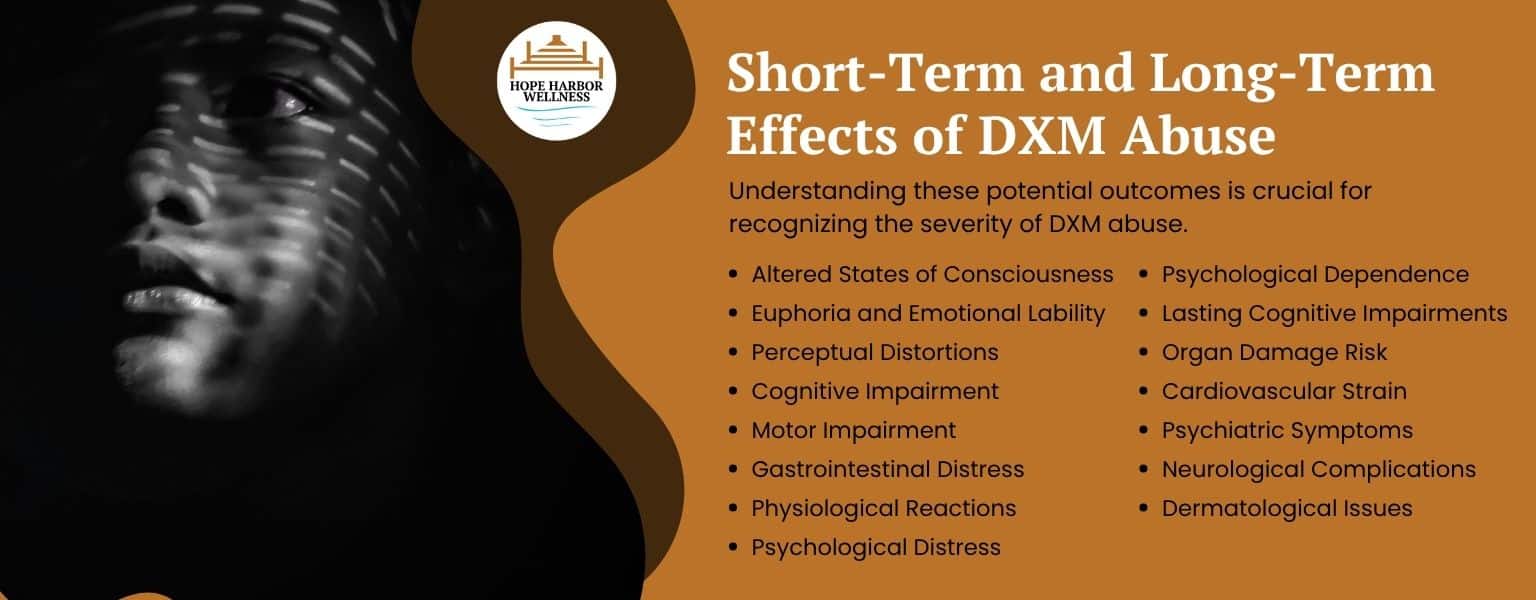
Understanding the Short-Term and Long-Term Effects of DXM Abuse
The misuse of Dextromethorphan can lead to a diverse array of effects on both the mind and body, ranging from mildly uncomfortable to profoundly debilitating and life-threatening. Understanding these potential outcomes is crucial for recognizing the severity of DXM abuse.
Immediate/Short-Term Effects of DXM Misuse:
When consumed in intoxicating doses, individuals typically experience:
- Altered States of Consciousness: Ranging from mild stimulation and feelings of general intoxication to severe dissociation where one feels detached from their body or reality.
- Euphoria and Emotional Lability: A sense of intense happiness or excitement, often accompanied by episodes of inappropriate laughter or sudden mood swings.
- Perceptual Distortions: Hallucinations (seeing, hearing, or feeling things that aren’t there), changes in sensory perception (e.g., textures feeling strange, sounds seeming muffled or amplified), and a distorted sense of time.
- Cognitive Impairment: Profound confusion, disorientation, difficulty with memory, and an inability to think clearly.
- Motor Impairment: Severe dizziness, loss of coordination (ataxia), unsteadiness, and slurred speech, making even simple movements challenging and increasing the risk of falls and accidents.
- Gastrointestinal Distress: Nausea, vomiting, and abdominal discomfort are common, especially with cough syrup formulations due to other ingredients.
- Physiological Reactions: Rapid heart rate (tachycardia), elevated blood pressure, excessive sweating, and a dangerously high body temperature (hyperthermia).
- Psychological Distress: Episodes of paranoia, extreme wariness, agitation, restlessness, or severe anxiety and panic attacks.
Long-Term Effects of Chronic DXM Misuse
Persistent and chronic misuse of Dextromethorphan carries substantial risks for enduring health complications and severe psychological consequences:
- Development of Psychological Dependence: While not always leading to physical dependence, chronic DXM abuse can lead to a powerful psychological craving and compulsive use, where the individual feels unable to function normally without the drug.
- Lasting Cognitive Impairments: Prolonged misuse can result in persistent deficits in cognitive function, affecting memory retention, concentration, problem-solving abilities, and overall executive function, potentially impacting academic or professional performance.
- Organ Damage Risk: Particularly with products containing acetaminophen (paracetamol), chronic high-dose DXM misuse can lead to severe and irreversible liver damage or failure. Other organ systems, including the kidneys, can also be strained.
- Cardiovascular Strain: Sustained periods of elevated heart rate and blood pressure can lead to long-term cardiovascular issues, including hypertension, arrhythmias, and an increased risk of heart failure, especially in individuals with underlying cardiac vulnerabilities.
- Persistent Psychiatric Symptoms: Chronic users may experience persistent psychosis, severe depression, anxiety disorders, or even an exacerbation of underlying mental health conditions, sometimes requiring long-term psychiatric intervention.
- Neurological Complications: Potential for blackouts during intoxication, and in severe cases, seizures or other critical neurological conditions, particularly during abrupt cessation.
- Dermatological Issues: Chronic skin rashes, itching, or other skin irritations can develop.
Experiencing any of these severe or persistent symptoms necessitates immediate medical attention. Individuals should not delay in consulting a healthcare professional or visiting an emergency room to address these serious health concerns.
Identifying DXM Misuse: What to Watch For
Detecting the misuse of Dextromethorphan in a loved one requires careful observation of various behavioral, physical, and environmental signs. These indicators can vary depending on the dosage consumed, the frequency of use, and whether other substances are being concurrently misused.
Key Indications of Potential DXM Misuse:
- Behavioral and Mood Changes: Uncharacteristic paranoia, heightened anxiety or panic, sudden aggression, profound mood swings, unusual secretiveness, or withdrawing from social activities.
- Physical Signs:
- Motor Impairment: Impaired coordination and motor control, making the person appear clumsy, stumble, or have difficulty with fine motor tasks.
- Gastrointestinal Distress: Frequent complaints of abdominal pain, nausea, or unexplained vomiting.
- Energy Fluctuations: Periods of hyperexcitability or excessive, restless energy alternating with profound lethargy or unusual tiredness.
- Physiological Responses: Excessive sweating, flushed skin, abnormally elevated blood pressure or heart rate, dilated pupils.
- Appearance: Unexplained weight loss (if appetite is suppressed), or poor hygiene.
- Speech Patterns: Slurred speech, disjointed sentences, or difficulty articulating thoughts clearly.
- Drug-Seeking Behaviors: Frequent purchases of OTC cough medicines when not genuinely ill, multiple empty cough syrup bottles or blister packs in trash, or attempts to steal or “borrow” cough medicine.
- Missing Money or Valuables: To fund the purchase of larger quantities of DXM.
- Changes in Performance: Decline in academic or work performance, loss of interest in hobbies once enjoyed.
Parents and guardians should be particularly vigilant if a teenager or young adult is consuming cough syrup or pills regularly, beyond what is necessary for a genuine cold or cough, especially if they are trying to sustain a euphoric or altered state. The ease of purchasing DXM-containing products means that many parents may be unaware of their child’s misuse or dependence until significant behavioral shifts become undeniable.

DXM Addiction Treatment in Atlanta, GA: A Path to Healing at Hope Harbor Wellness
Seeking professional assistance for DXM addiction is not just advisable; it is crucial, just as it is for any other substance use disorder. The readily available, over-the-counter status of DXM does not diminish its profound potential for harm, including the very real and immediate risks of overdose, severe organ damage, and even death with continued, escalating misuse.
Addiction is a complex, chronic, yet manageable disease that fundamentally alters both brain function and behavior. Recognizing this complexity, effective treatment strategies must move beyond a “one-size-fits-all” approach. Tailoring treatment plans and services to meet an individual’s specific requirements is absolutely vital for achieving and sustaining enduring recovery. Effective treatment extends far beyond merely focusing on ceasing substance use. It should holistically address every facet of the individual’s well-being, incorporating aspects of their physical health, mental and emotional state, social interactions, occupational stability, and any co-occurring legal issues. This personalized, comprehensive care is at the heart of successful addiction treatment, ensuring that the diverse needs of each person are adequately met.
At Hope Harbor Wellness, we specialize in providing compassionate and evidence-based outpatient addiction treatment programs. These flexible programs are specifically designed to allow individuals to receive intensive therapeutic support and clinical care while still being able to maintain their daily responsibilities, such as work, school, or family commitments.
Our approach for Dextromethorphan addiction includes:
- Comprehensive Assessment: A thorough evaluation to understand the extent of DXM use, any co-occurring mental health disorders, and individual needs.
- Individual Therapy: One-on-one sessions with experienced and empathetic therapists to delve into the underlying causes of DXM misuse, develop healthy coping mechanisms, and process past traumas or life challenges.
- Group Therapy: Provides a supportive and empowering community where individuals can connect with peers facing similar struggles, share experiences, gain new perspectives, and practice newly acquired skills in a safe environment.
- Cognitive Behavioral Therapy (CBT): A highly effective modality that helps individuals identify and challenge problematic thought patterns and behaviors contributing to DXM use, replacing them with healthier alternatives.
- Dialectical Behavior Therapy (DBT): Focuses on developing skills in emotional regulation, distress tolerance, mindfulness, and interpersonal effectiveness, crucial for managing cravings and high-risk situations.
- Family Counseling: Involving family members in the healing process is vital. These sessions aim to improve communication, repair strained relationships, and build a strong, informed support system for the recovering individual.
- Relapse Prevention Planning: Collaborative development of robust, personalized strategies to identify potential triggers, manage cravings, and prevent a return to substance use after treatment completion.
- Integrated Mental Health Support: Acknowledging that co-occurring mental health disorders (such as depression, anxiety, or ADHD) frequently accompany substance abuse, our programs offer integrated treatment to address both conditions simultaneously, leading to more sustainable recovery.
- Life Skills Development: Workshops focused on practical skills like stress management, healthy communication, financial literacy, and vocational support to prepare clients for successful reintegration into daily life.
DXM Abuse Trends Among Younger Populations: An Ongoing Concern
Data from the Substance Abuse and Mental Health Services Administration (SAMHSA) consistently indicates that DXM abuse, while fluctuating, remains a persistent concern across various age groups, with a particularly notable prevalence among youth. Individuals aged 12 to 26 are disproportionately at risk for DXM misuse, with historical trends showing higher incidence rates among males, especially those over 18 years old. For instance, past SAMHSA reports highlighted a concerning surge in emergency room visits directly linked to DXM misuse, with a doubling of such incidents between 2004 and 2011. While more recent reports from both the DEA and SAMHSA have suggested some stabilization or slight decreases in overall DXM abuse rates, its continued presence in accessible OTC products means it remains a readily available substance for experimentation and abuse among younger demographics. This persistent trend underscores the ongoing, critical need for continuous public awareness campaigns, targeted educational initiatives for youth and parents, and proactive prevention efforts to safeguard vulnerable populations from the insidious dangers of Dextromethorphan misuse.
Begin Your Journey Away from DXM Addiction at Hope Harbor Wellness
If you or someone close to you is grappling with DXM addiction or misuse, understanding what is DXM when abused is the first step, and Hope Harbor Wellness is ready to assist you on the subsequent steps toward healing. We provide comprehensive outpatient addiction treatment programs specifically tailored for DXM addiction, offering flexible yet intensive care designed to integrate seamlessly into your life. Our compassionate and expert team is dedicated to guiding you through the complexities of recovery. Discover more about how we can support your path to healing by contacting us today at 770-230-4257 or fill out our contact form. Embark on your journey towards understanding and overcoming Dextromethorphan addiction with our expert help and compassionate support. Your healthier, substance-free future awaits.
Frequently Asked Questions About DXM
What exactly is DXM?
DXM stands for Dextromethorphan, which is a common active ingredient found in many over-the-counter cough and cold medicines. It works as a cough suppressant by affecting signals in the brain.
Why is DXM dangerous if it’s found in common medicines?
DXM becomes dangerous when it is misused by taking much higher doses than recommended. At these high doses, it acts as a dissociative hallucinogen, causing mind-altering effects, and can lead to severe physical and psychological side effects, including overdose.
What are the main signs that someone might be misusing DXM?
Signs of DXM misuse can include extreme drowsiness or hyperactivity, impaired coordination, slurred speech, confusion, nausea, stomach pain, paranoia, hallucinations, unusual mood swings, and frequently buying cough medicine when not sick.
What is “robotripping”?
“Robotripping” is a slang term referring to the practice of getting high by consuming excessive amounts of DXM-containing cough syrup (like Robitussin) to achieve dissociative, euphoric, and hallucinatory effects.
Can a person become addicted to DXM, even though it’s an OTC drug?
Yes, absolutely. Despite being readily available over-the-counter, chronic misuse of Dextromethorphan can lead to a strong psychological dependence and develop into a formal substance use disorder, requiring professional treatment to overcome.
What happens if DXM is mixed with alcohol or other drugs?
Mixing DXM with alcohol or other central nervous system depressants (like opioids or benzodiazepines) is extremely dangerous. It can severely amplify side effects, increasing the risk of respiratory depression (breathing becoming dangerously slow or stopping), profound sedation, and fatal overdose.
How long do the effects of DXM misuse typically last?
The duration of DXM’s effects when misused can vary widely based on the dose, but generally lasts from 30 minutes to over five hours, during which the user’s perception and physical state are significantly altered.
Are there long-term health risks associated with chronic DXM misuse?
Yes. Long-term chronic misuse of DXM can lead to persistent cognitive impairment (memory, concentration problems), psychological issues (psychosis, severe depression), cardiovascular strain, and potential organ damage, especially if the product contains acetaminophen.
What should I do if someone I know is having a bad reaction to DXM or seems to be overdosing?
If someone is experiencing a severe or alarming reaction to DXM, such as unresponsiveness, extreme difficulty breathing, seizures, or profound confusion, call emergency services (911) immediately. Provide as much information as possible about what they consumed.
Where can someone get help for DXM addiction?
If you or a loved one is struggling with DXM addiction, professional help is crucial. Hope Harbor Wellness offers comprehensive outpatient addiction treatment programs designed to provide support, therapy, and guidance for lasting recovery.