
The slang term “lemons street drug,” sometimes referred to as “lemon drops,” has recently entered the illicit drug landscape, causing concern among health professionals and law enforcement. If you’ve tried to research this emerging street drug, you might have encountered confusing information due to a historical overlap in terminology. For clarity, when people in contemporary street vernacular speak of “lemons” or “lemon drops” as a drug, they are typically referring to a mixture of dextromethorphan (DXM) and, most commonly, lemonade powder. While this combination might seem innocuous due to the familiar ingredients, it carries significant and unpredictable dangers. There are also concerning reports of DXM being mixed with even more hazardous solutions, such as lighter fluid or paint thinner, escalating the risks to extreme levels.
Understanding the components of this lemons street drug is crucial to grasp its potential for harm. This guide will clarify what DXM is, why this particular combination is alarming, its side effects, and why avoiding it is essential for your safety. At Hope Harbor Wellness, we aim to provide accurate information and support for individuals struggling with substance use.
What Are Lemons or Lemon Drops?
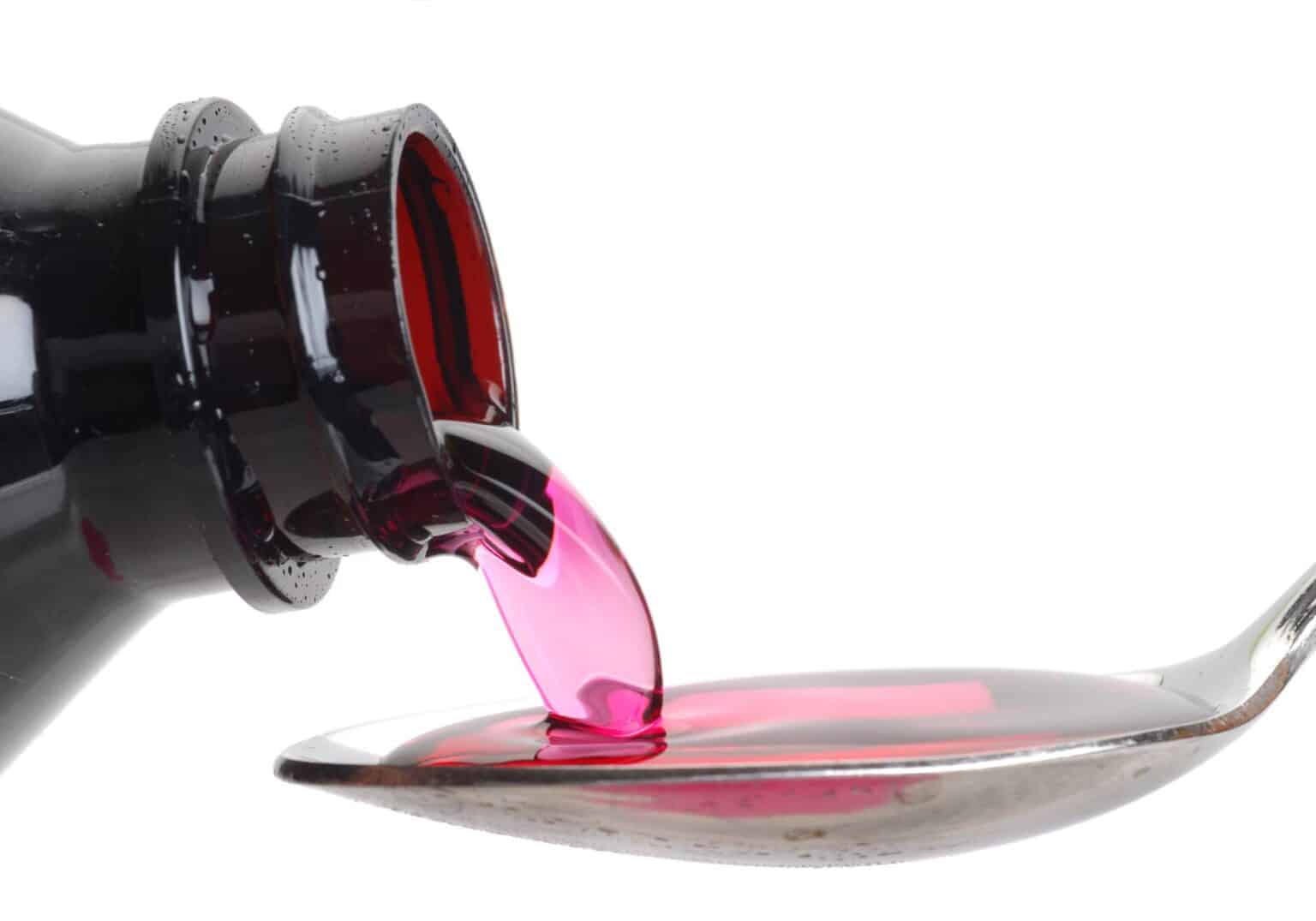
Lemons or lemon drops, in drug slang, refer to a street drug mixture primarily made from dextromethorphan (DXM) combined with lemonade powder or lemon-flavored drink mix. This concoction is sometimes called “lemon party” or “lemon dropping” in slang terms. The mixture is designed to mask the bitter taste of DXM-containing cough syrups or pills, making it more palatable for recreational use.
Some reports indicate that other hazardous substances, such as lighter fluid or paint thinner, have been mixed with DXM, increasing the danger and toxicity of the drug. However, the most common and recognized version involves DXM and lemon or lemonade flavoring.
The Core Ingredient: What is Dextromethorphan (DXM)?
Dextromethorphan, or DXM, is a common ingredient found in over-the-counter (OTC) cough and cold medicines. It acts as a cough suppressant by affecting signals in the brain that trigger the cough reflex. While safe and effective when used as directed at therapeutic doses, DXM becomes a substance of abuse when consumed in quantities far exceeding recommended levels.
DXM is the primary active ingredient not only in the lemons street drug but also in another well-known street concoction called “lean,” “purp,” “sizzurp,” or “purple drank,” which typically combines DXM-containing cough syrup with a soft drink and sometimes candy. Historically, DXM has also been combined with the opioid codeine in prescription cough syrups, further complicating its misuse profile.
When taken in higher-than-normal doses, DXM acts as a dissociative hallucinogen. This means it can create a range of mind-altering effects, including:
- A euphoric “high” or detached feeling.
- Hallucinations (visual, auditory, or tactile).
- Blurred vision.
- Slurred speech.
- Loss of coordination and motor control.
- Distorted perception of time and reality.
The abuse of DXM, often referred to as “robo-tripping” or “skittling,” has been a worrying trend over the past two decades, particularly among adolescents and young adults due to its easy accessibility. The emergence of the lemons street drug simply represents a new, potentially more dangerous permutation of this existing problem.
The Unpredictable Side Effects of the Lemons Street Drug (DXM)
The lemons street drug, primarily due to its DXM content, can lead to highly unpredictable and often severe side effects. DXM is an unusual drug in its pharmacological profile, affecting various neurotransmitter systems in the brain, including those for serotonin and NMDA receptors. This complex action can produce effects unlike many other commonly abused substances.
The inherent unpredictability of DXM is further complicated by the common practice of users combining it with other substances. Mixing the lemons street drug with substances like alcohol, cannabis, opioids, or benzodiazepines can create dangerous compound effects. This means that one drug can significantly amplify the action of another, leading to unexpectedly powerful and hazardous outcomes.
For instance:
- Stimulant + Depressant Mix: While DXM isn’t purely a stimulant, its dissociative effects can be disorienting. If users combine it with actual stimulants, it can lead to rapid heart rate, severe anxiety, or even stroke or heart attack.
- Depressant + Depressant Mix: Combining the lemons street drug (DXM can have depressant properties, especially at higher doses) with other CNS depressants like alcohol, opioids, or benzodiazepines dramatically increases the risk of severe respiratory depression. The user’s breathing can become dangerously slow or simply stop without warning. A critical danger here is the lack of an antidote; unlike opioid overdoses which can be reversed with Narcan (naloxone), there is no equivalent to reverse the effects of DXM or benzodiazepine overdose.
The direct effects of the lemons street drug (DXM) on their own can include:
- Profound confusion and disorientation
- Severe dizziness and lightheadedness
- Double vision or blurred vision
- Slurred, disjointed speech
- Intense hallucinations
- Significant loss of coordination and balance (ataxia)
- Severe stomach pain, nausea, and vomiting (often leading to dehydration)
- Agitation or extreme lethargy
- Elevated body temperature
What Are the Side Effects of Lemons (DXM)?
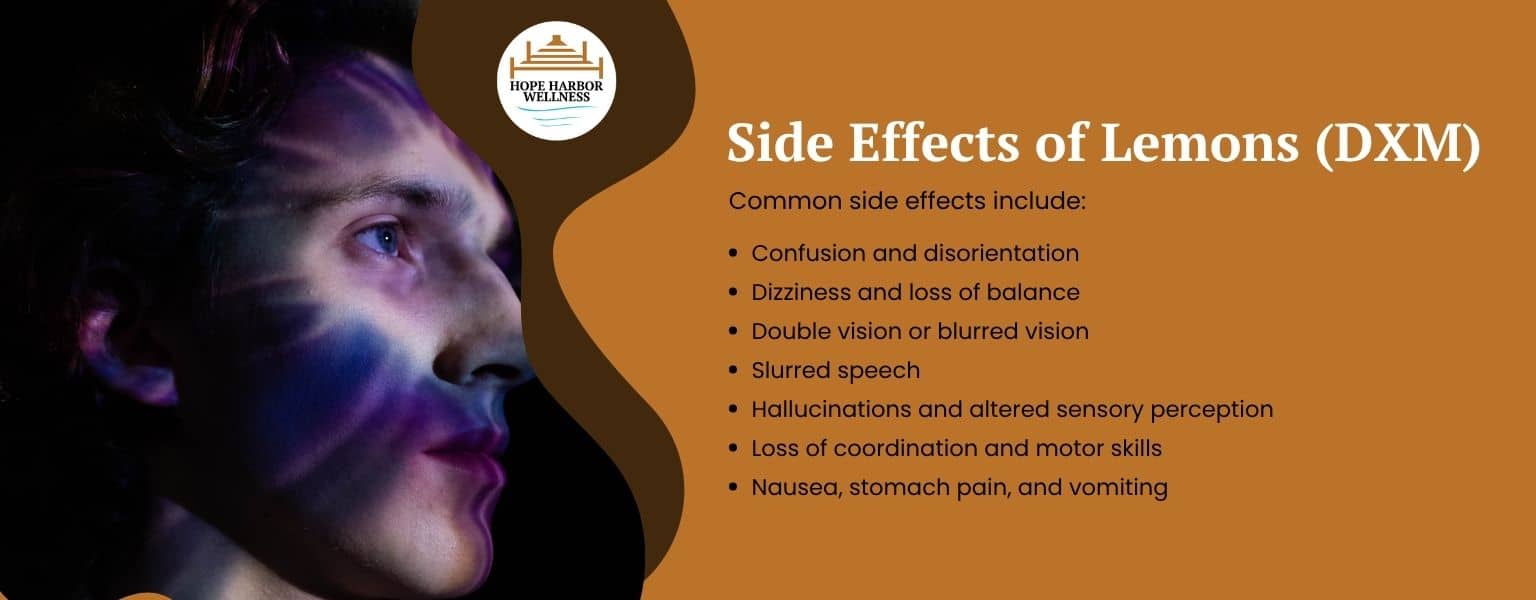
DXM is a dissociative drug, meaning it distorts perceptions of sight and sound and produces feelings of detachment from the environment and self. The side effects of lemons (DXM) can be unpredictable and dangerous, especially when combined with other substances like alcohol, cannabis, opioids, or benzodiazepines.
Common side effects include:
- Confusion and disorientation
- Dizziness and loss of balance
- Double vision or blurred vision
- Slurred speech
- Hallucinations and altered sensory perception
- Loss of coordination and motor skills
- Nausea, stomach pain, and vomiting
More seriously, combining DXM with other depressants like alcohol or opioids can lead to respiratory depression, where breathing slows or stops entirely. Unlike opioid overdoses, there is no widely available antidote like Narcan for DXM overdose, making it especially dangerous.
What Is Lemon Party and Lemon Santa?
The term lemon party has multiple meanings online, but in drug slang, it sometimes refers to the use or distribution of lemon-flavored DXM mixtures. It can also be a slang term used in certain circles to describe parties where these substances are consumed.
Lemon Santa is less common but may refer to individuals who distribute or promote lemon drop drugs or DXM mixtures flavored with lemon. These slang terms evolve quickly in drug culture and can vary by region.
Slang for Lemon and Lemon Drop Drug
- Lemon: In drug slang, lemon often refers to the DXM and lemonade powder mixture.
- Lemon drop: Can mean the same as lemon or refer to lemon-flavored pills or candies laced with drugs.
- E Lemon: A variation sometimes used to describe ecstasy pills with lemon imprint or lemon flavoring.
- Lemonad: A play on lemonade, sometimes used to describe lemon-flavored drug mixtures.
Understanding these terms can help parents, educators, and healthcare professionals recognize and address emerging drug trends.
How Dangerous Is the Lemon Drop Drug?
The lemon drop drug is particularly dangerous because:
- Unpredictable Effects: DXM’s effects vary widely depending on dose, user tolerance, and whether it’s mixed with other substances.
- Risk of Overdose: High doses can cause seizures, coma, or death.
- Toxic Additives: Some street versions may contain harmful solvents or chemicals.
- No Antidote: Unlike opioid overdoses, there is no specific reversal agent for DXM overdose.
- Potential for Addiction: Repeated use can lead to psychological dependence.
Why You Should Avoid Lemons or Lemon Drops
At Hope Harbor Wellness, we strongly discourage the use of lemons or any DXM-containing drugs outside of their prescribed medical use. The risks far outweigh any perceived benefits. If you or a loved one is struggling with DXM abuse or any substance use disorder, professional outpatient addiction treatment can provide the support and tools needed for recovery.
Why Are They Mixing DXM with Lemonade Mix? Decoding the Motivations
The precise reasons behind mixing DXM with lemonade powder to create the “lemons street drug” aren’t definitively established, but several theories circulate among users and experts alike:
- Palatability and Masking Taste: One of the most straightforward explanations is simply to make the often bitter or unpleasant taste of cough syrup or DXM powder more palatable. This mirrors the practice seen with “lean,” where cough syrup is mixed with soda and candy to create a more appealing, sweet flavor profile.
- Isolation of DXM (Misguided Chemistry): Another theory suggests that users might believe the compounds in citrus ingredients help to somehow “isolate” or concentrate the DXM from other unwanted ingredients commonly found in cough syrups, such as guaifenesin (an expectorant that can cause severe nausea and vomiting in high doses). While some citrus juices can affect drug metabolism, this approach is based on a dangerous misunderstanding of pharmacology and is highly risky.
- Altering DXM’s Effects: There is some scientific evidence that certain citrus juices, particularly grapefruit juice and Seville orange juice, can interact with the enzyme system (CYP2D6) responsible for metabolizing DXM in the liver. This interaction can inhibit DXM breakdown, potentially leading to higher concentrations of the drug in the bloodstream and prolonged or intensified effects. Users may be attempting to achieve a more potent or longer-lasting “high” by exploiting this known metabolic interaction.
Regardless of the motivation, we strongly discourage anyone from mixing grapefruit juice or similar drinks with any other drug, especially DXM or prescription medications. Grapefruit, in particular, is well-documented for its dangerous interactions with a surprisingly long list of prescription drugs, including statins, blood pressure medications, and certain anti-anxiety drugs. Many prescription medications even come with a clear warning label advising patients to avoid grapefruit products while taking the medicine.
It should go without saying that we unequivocally discourage anyone from trying the “lemons street drug” or anything else containing DXM that is not used strictly as directed or prescribed. DXM can have unpredictable and severe effects that pose a significant danger, even to individuals who consider themselves experienced drug users. This substance is bad news, and staying away from it is the safest course of action.

Lemons vs. Lemmons: Clarifying the Confusing Terminology
If your research into “lemons street drug” has led you down a confusing path, chances are you’ve stumbled upon information referencing “Quaaludes” (methaqualone). It’s crucial to set the record straight to avoid frustration, confusion, or dangerous misinformation.
Let’s clarify: “Lemons” and “Lemmons” are two entirely different things in the context of street drugs, separated by decades and pharmacological profiles.
- Lemons: As discussed, in contemporary street drug slang (specifically in 2024), “lemons street drug” refers exclusively to the dangerous mixture of DXM and lemonade powder (or other inert, sometimes hazardous, solutions).
- Lemmons: On the other hand, “Lemmons” (with a double ‘m’) was a historical nickname given to prescription Quaaludes back in the 1970s and 1980s. This name originated because, for a period, Quaaludes were manufactured by a pharmaceutical company called The Lemmon Company, and many of their tablets had “Lemmon” stamped on them. If you’ve seen movies like The Wolf of Wall Street, you might recall characters (like Jordan Belfort) referring to “Lemmons” as a powerful sedative.
So, to be crystal clear, if someone is talking about a drug called “lemons street drug” today, in the current year, they are referring to the dangerous mixture of DXM and lemon flavoring, not the Quaaludes of decades past.
While both substances are dangerous, you are highly unlikely to encounter methaqualone (Quaaludes) in the United States today. This powerful barbiturate was outlawed in the U.S. decades ago. Any methaqualone found now would likely be illicitly manufactured in secret labs or smuggled in from the very few countries where it might still be legally produced – but it is extremely rare. Furthermore, no one commonly refers to them as “Lemmons” anymore. Barbiturates, as a class, are also quite uncommon in medical practice in the U.S. today, having largely been replaced by safer (though still potentially addictive) benzodiazepines.
Understanding the Risks and Seeking Help
The emergence of the lemons street drug highlights a concerning trend of misusing easily accessible over-the-counter medications for illicit purposes. The unpredictable nature of DXM, coupled with dangerous mixing practices, makes this a high-risk endeavor. The potential for severe physical side effects, psychological distress, and accidental overdose is significant.
If you or someone you care about is experimenting with the lemons street drug, misusing DXM, or struggling with addiction to any substance, it’s crucial to recognize that help is available. Addiction is a complex disease, not a moral failing, and it requires professional intervention.
At Hope Harbor Wellness, we offer compassionate and evidence-based outpatient addiction treatment. Our programs are designed to fit into your daily life while providing the intensive support needed for lasting recovery.
We understand the unique challenges associated with novel street drugs and offer comprehensive care, including:
- Individual Therapy: One-on-one sessions to explore the root causes of substance use, develop coping mechanisms, and address any co-occurring mental health disorders.
- Group Therapy: A supportive environment where you can connect with peers, share experiences, and build a sense of community.
- Family Counseling: Engaging loved ones in the recovery process to heal relationships and build a strong support system.
- Relapse Prevention Planning: Developing personalized strategies to identify triggers and prevent a return to substance use.
- Integrated Mental Health Support: Addressing depression, anxiety, or other mental health issues that often co-exist with substance use disorders.
We are committed to helping you or your loved one navigate the path to recovery. If you have questions about the lemons street drug, DXM abuse, or addiction in general, contact our team at 770-573-9546 or fill out our online contact form, we are here to provide reliable information and compassionate guidance. Your well-being and a healthier future are within reach.
Frequently Asked Questions About Lemons Street Drug
What is the lemons street drug?
The lemons street drug is street slang, primarily used in 2024, referring to a dangerous mixture of dextromethorphan (DXM), an ingredient found in cough medicine, and typically lemonade powder or other mixers.
What is DXM and why is it dangerous in the lemons street drug?
DXM (dextromethorphan) is a cough suppressant found in OTC medicines. When taken in high doses, as in the lemons street drug, it acts as a dissociative hallucinogen, causing euphoria, hallucinations, blurred vision, loss of coordination, and can lead to unpredictable, severe side effects.
What are the side effects of using the lemons street drug?
Side effects can include confusion, dizziness, double vision, slurred speech, hallucinations, loss of coordination, stomach pain, vomiting, and in severe cases, respiratory depression, seizures, or overdose, especially if mixed with other depressants like alcohol or opioids.
Why do people mix DXM with lemonade or other ingredients to make the lemons street drug?
People might mix DXM with lemonade to mask its unpleasant taste, or sometimes based on a misguided belief that citrus helps isolate the DXM from other ingredients. Some may also try to intensify DXM’s effects, as certain citrus juices can influence drug metabolism.
Is the “lemons street drug” the same as “Lemmons” (Quaaludes)?
No, they are completely different. The lemons street drug (in 2024) refers to DXM and lemonade. “Lemmons” (with a double ‘m’) was a historical nickname for prescription Quaaludes in the 1970s and 80s, which are now rare and illegal in the U.S.
Is the lemons street drug addictive?
While DXM itself can lead to psychological dependence and compulsive use, the unpredictable effects and the dangerous practice of mixing it with other substances increase the overall risk of developing a serious substance use disorder.
What should I do if someone I know is using the lemons street drug?
If someone is using the lemons street drug, encourage them to seek professional help immediately. If they are experiencing severe symptoms like unresponsiveness, difficulty breathing, or seizures, call emergency services (911) right away.
Are there long-term health risks from using the lemons street drug?
Consistent misuse of DXM, especially in dangerous combinations, can lead to chronic psychological issues (like persistent psychosis or depression), cognitive impairment, and potential organ damage, particularly if combined with substances like alcohol or other harmful chemicals.