
Oxycodone is a powerful, semi-synthetic opioid widely prescribed by doctors to manage moderate to severe pain. While incredibly effective at providing relief from discomfort, this medication also carries a significant potential for misuse and the development of opioid dependence. For individuals who use oxycodone, whether prescribed or otherwise, a common and critical question arises: “how long does oxycodone stay in your system?” Understanding the journey of oxycodone through the body, its metabolism, and the very real dangers associated with its misuse is crucial for anyone navigating its use or witnessing a loved one struggle. This knowledge can illuminate the path toward recognizing the need for help and taking decisive steps toward recovery.
At Hope Harbor Wellness, we understand the complexities of opioid use and the challenges of seeking help. Our compassionate team provides comprehensive outpatient addiction treatment, offering a lifeline to those ready to break free from the cycle of dependence.
What Is Oxycodone?
Oxycodone is an opioid analgesic, meaning it’s a pain-relieving medication that acts on opioid receptors in the brain and spinal cord. Healthcare providers commonly prescribe it to patients experiencing acute pain after incidents like car accidents, serious injuries, or post-surgical recovery. While oxycodone shares similarities with other opiates in its effects, it stands apart as a synthetic drug, manufactured in a laboratory rather than being directly derived from the opium poppy plant, like morphine or codeine.
Oxycodone is often prescribed either as a standalone medication or in combination with other pain relievers, most notably acetaminophen. For example, the well-known brand name for oxycodone/acetaminophen is Percocet. Another prominent brand name associated with extended-release oxycodone is OxyContin. The medication is typically available in various forms, including pills or tablets, which are designed for oral ingestion. When used as prescribed for supervised medical reasons, the tablets are swallowed whole, allowing the medication to be released into the system as a controlled or time-released dose, providing sustained pain relief.
However, the powerful effects of oxycodone and its potential for rapid onset of euphoria make it a target for misuse. Individuals who abuse oxycodone frequently bypass the intended slow-release mechanism by crushing, chewing, or snorting the tablets. This altered method of administration delivers a much larger, more potent dose into the system quickly, creating a stronger, more immediate effect, which significantly increases the risk of overdose and addiction.
Oxycodone has unfortunately played a substantial role in fueling the ongoing opioid crisis. The dramatic increase in its prescription rates over the past few decades inadvertently led to its widespread misuse. Because it is such a powerful opioid, the potential for addiction is a serious concern, even for those who initially take it as prescribed. Many individuals quickly develop a tolerance to its effects, needing to take increasingly larger doses to achieve the same desired pain relief or euphoric sensation. This escalating use can rapidly spiral into physical dependence and ultimately, an opioid use disorder. Due to its highly addictive nature and the severe risks associated with its misuse, oxycodone is classified as a Schedule II controlled substance by the Drug Enforcement Administration (DEA). Taking high doses of oxycodone, especially when combined with other central nervous system depressants like alcohol or benzodiazepines, can lead to respiratory distress, severe overdose, or even be fatal. Understanding how long oxycodone stays in your system is one of many vital concerns associated with this powerful and potentially dangerous medication.
How Long Does Oxycodone Take to Work?
The speed at which oxycodone begins to exert its effects depends heavily on the form of the medication and the method of administration. When taken orally as a standard immediate-release tablet, the substance usually begins to work and provide pain relief within 20 to 40 minutes. After ingestion, the drug typically reaches its peak concentration in the bloodstream, where its effects are strongest, approximately one to two hours later.
For controlled-release or extended-release versions of the drug, such as OxyContin, the onset of action is slightly slower, and it takes a little longer to reach peak concentration—usually around three to four hours. These formulations are designed to provide sustained pain relief over a longer period, typically 12 hours.
However, methods of misuse dramatically alter this timeline. Snorting the drug, for example, bypasses the digestive tract entirely, allowing the oxycodone to be absorbed directly through the nasal membranes into the bloodstream. This speeds up the process significantly, with effects typically being felt within 5 to 15 minutes. The rapid delivery of the drug to the brain and central nervous system is precisely why methods like snorting are so appealing to those seeking an immediate, intense high, but they also drastically increase the risk of accidental overdose due to the sudden flood of opioids into the system.
How Long Does Oxycodone Last?
While the initial effects of oxycodone might be felt quickly, the duration of its pain-relieving or euphoric effects is generally limited. Each individual metabolizes oxycodone at different rates, but typically, the noticeable effects of the drug wear off after approximately four to six hours following a single dose. For extended-release formulations like OxyContin, the effects are designed to last closer to 12 hours.
When oxycodone is metabolized by the body, primarily in the liver, it is broken down into various chemical compounds known as metabolites. These metabolites are also active and can contribute to the drug’s effects and its presence in the body.
The main metabolites of oxycodone include:
- Noroxycodone: An active metabolite that can also contribute to pain relief.
- Noroxymorphone: Another active metabolite that plays a role in the drug’s effects.
- Oxymorphone: A potent active metabolite, which itself is a powerful opioid pain reliever.
One crucial way to measure how long oxycodone stays in your system is by looking at its half-life. This is a scientific measure of the time it takes for half of the drug to be processed and eliminated from the body.
On average, it takes:
- 3.2 hours to metabolize half a dose of immediate-release oxycodone.
- 4.5 to 5.6 hours to metabolize half a dose of extended-release or controlled-release oxycodone (like OxyContin).
It takes several half-lives for the drug to be completely eliminated from the body, typically five to six half-lives. While the observable effects fade relatively quickly, residual amounts of the drug and its metabolites can linger. For most healthy individuals, oxycodone is eliminated from blood concentrations within approximately 24 hours. However, its presence can still be detected in other bodily fluids for much longer, which leads to the common question of “how long does oxy stay in your system” for drug testing purposes.
How Long Does Oxycodone Stay in Your System?
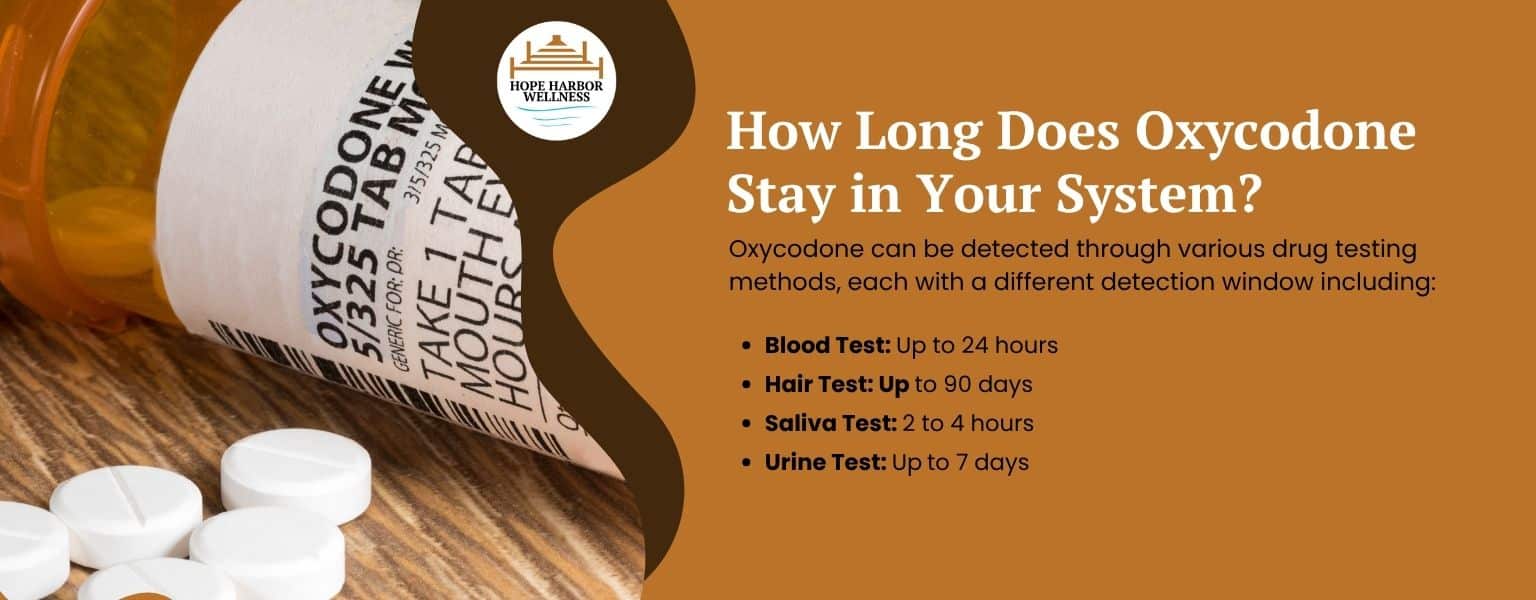
The question of “how long does oxycodone stay in your system” is a critical one, particularly for those facing drug testing or concerned about their health. The detection window for oxycodone varies significantly depending on a number of factors unique to each individual and the specific drug test method used. Understanding these variables is key to interpreting test results and comprehending the drug’s physiological impact.
The half-life of a substance, as mentioned, refers to the time it takes for half of the drug to exit the body. For oxycodone, this time can range from three to five hours. This means it may take anywhere from 15 to 30 hours for immediate-release oxycodone to be completely eliminated from your system, but for extended-release forms, it could take up to 60 hours or more for full clearance. How long it remains detectable, however, largely depends on the method of testing used:
- Blood Tests: Oxycodone is detectable in the bloodstream very quickly, often within 15 to 30 minutes of use. However, it remains present in the blood for a relatively short period, typically up to 24 hours after the last dose. This method is best for confirming very recent use.
- Urine Tests: For those wondering “how long does oxycodone stay in urine” or “how long does oxycodone stay in pee,” this is one of the most common detection methods. Oxycodone may appear in a urine sample within a few hours (typically 1-3 hours) after ingestion and can remain detectable for approximately three to four days afterward. In some cases, for chronic or heavy users, it might be detectable for up to 7 days.
- Saliva Tests: Similar to blood tests, saliva tests offer a quick and non-invasive way to detect recent oxycodone use. The drug becomes detectable in saliva as soon as 15 minutes after ingestion and generally remains detectable for up to two to four days following use.
- Hair Follicle Tests: This method offers the longest detection window. Oxycodone metabolites become detectable in hair within about 7 to 10 days of the latest use (as the hair grows out) and can remain detectable for approximately 90 days. This makes hair tests effective for identifying long-term patterns of use.
It’s important to note that urine, blood, and saliva tests generally have smaller windows of detection for oxycodone compared to hair tests. While oxycodone can be detected in blood and saliva within minutes after using the drug, it will stay detectable in hair for a significantly longer period. Factors like age also play a role; younger individuals typically metabolize drugs like oxycodone and its combination product Percocet more quickly than older adults, who may have slower metabolic rates and reduced organ function.
Drug tests are often part of pre-employment screening procedures for companies, or used for forensic, legal, or athletic purposes. They are also widely employed in addiction treatment settings to monitor for substance use and support recovery efforts. The accuracy and reliability of each type of drug test can depend on various factors, including the test’s quality, its specific cut-off levels, and how the sample was collected, stored, and handled.
Oxycodone Detection Times by Test Type
Drug tests each have different detection windows for oxycodone. Blood and saliva tests tend to show very recent use, while urine tests can detect oxycodone for several days and hair tests for months. If you want a broader breakdown of how each test works, including typical windows and cutoff levels, visit our guide on how drug tests work.

What Factors Affect How Long Oxycodone Stays in Your System?
The duration that oxycodone remains detectable in your system can vary significantly, influenced by a complex interplay of individual biological, lifestyle, and environmental factors. Understanding these variables is crucial not only for interpreting drug test results but also for comprehending the drug’s overall impact on your body and the potential risks of misuse, including overdose or dangerous drug interactions.
- Dosage and Frequency of Use: This is a primary determinant of how long oxycodone stays in your system. Higher doses require more time for the body to metabolize and eliminate the drug. Furthermore, frequent or long-term use leads to an accumulation of oxycodone and its metabolites in the body’s tissues, making it detectable for a significantly longer period compared to occasional or single-dose use. Infrequent users generally eliminate oxycodone faster because their bodies haven’t developed a high tolerance or physical dependence, meaning less of the drug is stored. Conversely, individuals who use oxycodone regularly, especially over extended periods, will retain traces of the drug for much longer as their body’s capacity to process it becomes saturated.
- Kidney and Liver Function: These two vital organs play central roles in how long an oxycodone dose stays in your system. The liver is the primary site where oxycodone is metabolized (broken down) into its various active and inactive metabolites. The kidneys are then responsible for filtering these metabolites and the parent drug out of the bloodstream and eliminating them from the body, primarily through urine. Individuals with impaired liver or kidney function—due to disease, age, or other conditions—will experience significantly slower elimination times because their bodies struggle to break down and clear the drug efficiently. For instance, people with liver diseases like cirrhosis or hepatitis may have a reduced capacity to metabolize oxycodone, leading to prolonged drug effects and extended detection windows. Similarly, poor kidney function directly affects the body’s ability to excrete oxycodone metabolites, which can result in the drug lingering in the system for much longer than usual.
- Metabolism Rate: An individual’s unique metabolic rate plays a critical role in how quickly their body can process and break down oxycodone. People with naturally faster metabolisms typically eliminate the drug more quickly. Conversely, those with slower metabolic rates may retain oxycodone in their system for longer periods, experiencing more prolonged effects and detection windows. Certain genetic factors, particularly variations in the liver enzymes belonging to the Cytochrome P450 (CYP450) family (especially CYP3A4 and CYP2D6), can significantly speed up or slow down the metabolism of oxycodone, accounting for individual differences in drug response and clearance.
- Age: As people age, their metabolic rate generally slows down. Older adults tend to process medications like oxycodone more slowly than younger individuals due to decreased organ function and reduced enzymatic activity. Additionally, older individuals may have diminished liver and kidney function, which further prolongs the drug’s presence in their system, increasing the risk of accumulation and adverse effects. This means that “how long does oxy stay in your system” will often be longer for seniors.
- Sex: Research has indicated that there can be sex-based differences in drug metabolism. Some studies have shown that blood plasma concentrations of oxycodone can be up to 25 percent higher in women than in men from the same given dosage. This can potentially result in longer processing and elimination times in women compared to men, assuming all other factors are equal.
- Weight and Body Fat Composition: A person’s weight and overall body fat composition can impact how long oxycodone stays in their system. Oxycodone is considered moderately lipid-soluble, meaning it has some affinity for fatty tissues and can be stored there. In individuals with higher body fat percentages, oxycodone and its metabolites might be stored in these fatty tissues and released gradually over time, potentially prolonging its detection window. Conversely, people with lower body fat percentages may process and eliminate oxycodone more quickly, as the drug has fewer storage sites in the body.
- Alcohol and Other Medications: Combining alcohol or other central nervous system depressants (like benzodiazepines or other opioids) with oxycodone can profoundly alter the way the body processes the drug. Alcohol, in particular, can significantly slow down the liver’s ability to metabolize oxycodone, prolonging the drug’s presence in the system and dramatically increasing the risk of dangerous interactions, including respiratory depression and overdose. Furthermore, oxycodone is metabolized by specific cytochrome P450 enzymes (primarily CYP3A4 and to a lesser extent CYP2D6) in the liver. If a person is taking other medications that either inhibit or enhance the activity of these enzymes, it can significantly alter how oxycodone is processed. Medications such as certain antifungals (e.g., ketoconazole), some antibiotics (e.g., erythromycin), or certain protease inhibitors (used in HIV treatment) can slow down the metabolism of oxycodone, leading to longer elimination times and increased risk of side effects. Conversely, drugs like rifampin (an antibiotic) and some anti-seizure medications may accelerate the metabolism of oxycodone, reducing its effectiveness and shortening its detection window.
- Hydration and Physical Activity: While not a “flushing” mechanism, good hydration levels can indirectly influence how quickly the body eliminates oxycodone. Staying well-hydrated helps support kidney function, allowing the kidneys to filter the drug and its metabolites through the urinary system more efficiently. Adequate water intake helps the kidneys filter out oxycodone and other toxins from the bloodstream. Dehydration, on the other hand, may slow down this process. Additionally, regular physical activity can boost overall metabolic rates, potentially aiding in the quicker breakdown and elimination of oxycodone from the body’s tissues. However, these are supportive factors, not primary determinants.
Is It Possible to Clear Oxycodone From the Body Faster?
Many individuals, especially those facing drug tests, wonder if there’s a quick way to get oxycodone out of their system. While there’s no scientifically proven “trick” or guaranteed method to drastically hasten the elimination of oxycodone from your body beyond its natural metabolic processes, certain healthy lifestyle practices can support your body’s efficiency in processing and eliminating substances. Staying well-hydrated is crucial, as it helps dilute the drug’s metabolites in your urine and supports healthy kidney function, which is essential for excretion. Eating a balanced, nutritious diet and engaging in regular physical activity can also boost your overall metabolism, potentially helping your body process and eliminate the drug a bit more efficiently. However, it’s vital to understand that attempts to “flush” your system through excessive water intake or unproven detox methods are generally ineffective and can even be dangerous, potentially leading to electrolyte imbalances.
As the effects of oxycodone wear off, particularly for individuals who have developed physical dependence, you may start to feel the uncomfortable onset of oxycodone withdrawal symptoms. These can include a range of distressing physical and psychological effects such as vomiting, severe anxiety, stomach cramps, muscle aches, and joint pain. Unfortunately, to find relief from these intensely uncomfortable symptoms, some individuals end up taking more oxycodone, inadvertently spiraling deeper into a cycle of dependence and addiction. It’s profoundly important to discuss any detox methods or concerns with qualified healthcare professionals to ensure safety and effectiveness, especially in the context of long-term recovery. Attempting to self-detox from oxycodone without medical supervision can be not only incredibly uncomfortable but also dangerously risky.
More About Drug Tests and Detection
Understanding how long Oxycodone stays in your system is only one piece of the picture. If you’d like a deeper breakdown of how urine, blood, saliva, and hair tests actually work, you can read our guide on how drug tests work. For a broader overview of different substances and timelines, visit how long drugs stay in your system.
What Are the Dangers Associated With Oxycodone?
The dangers associated with drugs containing oxycodone, such as Percocet or OxyContin, are significant and become greatly amplified if an individual is struggling with misuse or addiction. One of the most immediate and severe risks is overdose. An oxycodone overdose occurs when a person takes too much of the drug, leading to a toxic reaction that overwhelms the body’s systems and can be fatal. Opioid drugs like oxycodone interact directly with your central nervous system, specifically depressing the parts that control vital functions like heart rate and respiration. If too much oxycodone is consumed, breathing can slow to dangerously low levels, or even stop completely, leading to brain damage, coma, or death.
Overdose symptoms associated with oxycodone misuse include:
- Loss of consciousness or unresponsiveness
- Nausea and vomiting
- Severely shallow, slow, or irregular breathing
- Entering a coma-like state
- Memory loss or disorientation
- Slowed heartbeat (bradycardia)
- Abdominal cramps
- Slurred speech
- Pinpoint pupils
- Pale, clammy skin
Beyond the immediate danger of overdose, chronic oxycodone misuse is also associated with several serious long-term health consequences. Notably, oxycodone/acetaminophen combination products like Percocet are linked to a significant risk of acute liver failure due to the acetaminophen component, especially with high or prolonged doses.
Additional long-term effects of chronic opioid use can include:
- Chronic constipation and other gastrointestinal issues due to slowed digestive motility.
- Increased risk of bone fractures due to reduced bone mineral density.
- Sleep-disordered breathing conditions, such as central sleep apnea.
- Hormonal imbalances, including reduced libido and sexual dysfunction.
- Increased sensitivity to pain (hyperalgesia), paradoxically making chronic pain worse.
- Cognitive impairment, affecting memory, concentration, and decision-making over time.
- Mental health issues, including exacerbation of depression, anxiety, and anhedonia.
Oxycodone Withdrawal
If you use oxycodone regularly—whether prescribed or misused—and your body has developed a physical dependence, stopping or significantly reducing your intake will almost certainly lead to a challenging experience of withdrawal symptoms. Oxycodone withdrawal can affect you in numerous ways, manifesting as both intensely uncomfortable physical and distressing psychological symptoms. The severity and duration of these symptoms depend on factors such as the dosage, frequency, and duration of use, as well as individual metabolism and overall health.
Some of the most common physical symptoms of oxycodone withdrawal include:
- Vomiting
- Diarrhea
- Dilated pupils
- Severe stomach cramps
- Intense joint and muscle pain
- Alternating hot and cold flashes
- Excessive sweating and perspiration
- Trouble sleeping (insomnia)
- Fast heart rate (tachycardia)
- Fluctuations in blood pressure
- Runny nose and watery eyes
- Goosebumps
- In severe cases, seizures
Accompanying these physical discomforts are often profound psychological symptoms, which can be equally, if not more, challenging:
- Intense anxiety and restlessness
- Agitation and irritability
- Severe cravings for the drug
- Depression
- Difficulty concentrating
- In rare, severe cases, hallucinations or delusions
The timeline for “how long does oxycodone withdrawal last” varies, but acute withdrawal symptoms typically begin within 6-12 hours after the last dose, peak around 36-72 hours, and can last for more than two weeks. Some psychological symptoms, like cravings and low mood, can persist for months.
Oxycodone vs. Other Prescription Painkiller
Many people who take oxycodone have also been prescribed medications like Percocet, hydrocodone, or other painkillers. Over time, rotating or combining these drugs can quietly shift from “as prescribed” use into dependence. Our guide to the signs of prescription painkiller addiction can help you spot when normal use is becoming more dangerous.

Treatment for Oxycodone Withdrawal
The journey from prescribed use to dependence and addiction with oxycodone is often swift and extremely dangerous. Many individuals initially take the medication as directed for legitimate pain. However, as their body develops a tolerance to its pain-relieving effects, they find themselves needing to take increasingly larger doses to achieve the same results. This escalating pattern can quickly lead to physical dependence and an opioid use disorder (addiction).
Given the profound discomfort and potential dangers of oxycodone withdrawal, it’s vital to seek medical assistance to detox safely. The withdrawal process can be extremely uncomfortable, and attempting to go “cold turkey” without professional support can lead to severe dehydration, electrolyte imbalances, and in rare cases, life-threatening complications like seizures. The intense cravings and distress experienced during self-detox often lead individuals to relapse and take more oxycodone simply to ease their discomfort, which puts them at a high risk for accidental overdose.
Medically supervised detox involves a team of compassionate healthcare professionals who can help you safely and comfortably eliminate the drug from your body through structured withdrawal management. This level of care includes continuous monitoring of your vital signs throughout the process and rapid intervention in case of any medical emergency or severe symptom. Medications are often administered to alleviate withdrawal symptoms, making the process more manageable and significantly reducing the risk of complications. At Hope Harbor Wellness, we specialize in providing medically monitored outpatient detox, allowing individuals to begin their recovery journey in a safe and supportive environment while maintaining some daily responsibilities. Contact us today at 770-573-9546 or fill out our online contact form, your sober journey begins today.
Beyond Detox: Comprehensive Outpatient Treatment for Oxycodone Addiction
While drug detox is a critical first step in addressing physical dependence, it is rarely sufficient for achieving lasting recovery from oxycodone addiction. Addiction is a complex disease that impacts the brain’s reward system, behavior, and decision-making. Effective, long-term recovery requires addressing the underlying psychological, emotional, and behavioral factors that contribute to substance use. Hope Harbor Wellness offers comprehensive outpatient addiction treatment programs designed to support individuals through every stage of their recovery journey.
Our outpatient programs allow individuals to receive intensive therapy and support while living at home and continuing with work, school, or family responsibilities. This flexibility is ideal for those who need structured care but cannot commit to a residential program.
Our treatment approach integrates various evidence-based therapies, including:
- Cognitive Behavioral Therapy (CBT): Helps individuals identify and change problematic thought patterns and behaviors that lead to substance use, developing healthier coping mechanisms.
- Dialectical Behavior Therapy (DBT): Focuses on skills training in emotional regulation, distress tolerance, interpersonal effectiveness, and mindfulness, which are crucial for managing cravings and high-risk situations.
- Individual Therapy: Provides a confidential space for one-on-one sessions with a therapist to explore personal challenges, trauma, and underlying issues contributing to addiction.
- Group Therapy: Offers a supportive environment where individuals can share experiences, gain peer support, and learn from others facing similar struggles, fostering a sense of community and reducing isolation.
- Medication-Assisted Treatment (MAT): For opioid use disorder, MAT is an evidence-based approach that combines FDA-approved medications (like buprenorphine/naloxone or naltrexone) with counseling and behavioral therapies. MAT can significantly reduce cravings, manage withdrawal symptoms, and improve long-term recovery outcomes. Our team will assess if MAT is an appropriate component of your treatment plan.
- Relapse Prevention Planning: Equips individuals with strategies and tools to identify triggers, cope with cravings, and navigate high-risk situations effectively to prevent relapse.
- Life Skills Training: Addresses practical skills necessary for independent sober living, such as financial management, communication, healthy relationships, and stress management.
- Family Education and Support: Recognizes that addiction affects the entire family system. Our programs offer education and support to family members, helping them understand addiction, set healthy boundaries, and heal alongside their loved one.
Why Choose Professional Treatment for Oxycodone Addiction?
Attempting to overcome oxycodone addiction alone, particularly managing oxycodone withdrawal, is incredibly challenging and often unsuccessful. Professional outpatient addiction treatment provides a structured, supportive, and safe environment essential for sustainable recovery.
The benefits of choosing a dedicated program like those at Hope Harbor Wellness include:
- Medical Supervision: Safe and comfortable detox from oxycodone, with medical staff managing withdrawal symptoms and preventing complications.
- Personalized Treatment Plans: Tailored approaches that address each individual’s unique needs, co-occurring mental health disorders, and specific challenges.
- Evidence-Based Therapies: Access to therapies proven effective in treating addiction and its underlying causes.
- Peer Support: A community of individuals in recovery who understand the struggle and provide mutual encouragement.
- Relapse Prevention: Learning crucial strategies to maintain sobriety in the long term.
- Holistic Healing: Addressing not just the addiction, but also mental, emotional, spiritual, and physical well-being.
- Accountability and Structure: A consistent routine and support system that helps individuals stay committed to their recovery goals.
The Path to Lasting Recovery: Life After Treatment
Recovery from oxycodone addiction is a lifelong journey, and successful treatment extends beyond the initial phases of detox and active therapy. At Hope Harbor Wellness, we emphasize the importance of comprehensive aftercare planning to support long-term sobriety.
This may include:
- Ongoing Therapy: Continuing individual or group therapy sessions to address evolving challenges and reinforce coping skills.
- Support Groups: Regular participation in 12-step programs (like Narcotics Anonymous) or other peer-led support groups provides continuous community and accountability.
- Sober Living Environments: For some, transitioning to a sober living home provides a structured, drug-free environment that bridges the gap between intensive treatment and full independence.
- Alumni Programs: Connecting with a network of individuals who have successfully completed treatment at Hope Harbor Wellness offers continued support and mentorship.
- Vocational and Educational Support: Assistance with returning to work or school, helping individuals rebuild their lives and pursue new passions.
Understanding Your Options: The Role of Insurance in Treatment
One of the most common questions when considering addiction treatment is how to manage the cost. The good news is that many insurance providers offer coverage for substance abuse treatment. While all insurance policies vary, most plans, especially under the Affordable Care Act (ACA) and mental health parity laws, are required to cover mental health and substance use disorder services at similar levels to medical and surgical care.
To understand your specific benefits and coverage for outpatient addiction treatment, a confidential insurance verification process is essential.
This can provide clear information about:
- Your deductible and out-of-pocket maximums.
- Copayments or coinsurance amounts for various services.
- The types of services covered (e.g., detox, individual therapy, group therapy, MAT).
- Any pre-authorization requirements or network restrictions.
Many treatment centers offer free and confidential insurance verification services, which can quickly help you understand what treatment options are available based on your policy. Don’t let financial concerns be a barrier to seeking the help you deserve.
Overcoming Oxycodone Addiction with Hope Harbor Wellness
If you or a loved one is struggling with oxycodone addiction, know that you are not alone, and comprehensive support is available. Recovery is not only possible but achievable through a combination of medically supervised detox, evidence-based therapies, and compassionate support. By deciding to take the first courageous step towards recovery, you can begin to understand the root causes of your substance use, heal from its impact, and learn healthier coping strategies to overcome addiction and build a fulfilling life free from its grip.
At Hope Harbor Wellness in Atlanta, GA, our dedicated team is committed to providing individualized outpatient oxycodone addiction treatment and unwavering support. We are here to help you navigate your unique recovery journey, offering the tools, guidance, and compassionate care needed to lead a life of sobriety and renewed purpose. Don’t wait—reach out to us today at 770-573-9546 or fill out our online contact form. Your path to healing and freedom starts here.
How Long Does Oxycodone Stay in Your System Frequently Asked Questions
How long does oxycodone stay in your system for a drug test?
The detection window varies by test type: in blood for up to 24 hours, in urine for 3-4 days (sometimes up to 7 for chronic users), in saliva for 2-4 days, and in hair follicles for up to 90 days.
What is the average half-life of oxycodone, and how does it relate to “how long does oxy stay in your system?”
The average half-life of immediate-release oxycodone is about 3.2 hours. It takes approximately 5-6 half-lives for the drug to be fully eliminated from the system, meaning it could be detectable for up to 15-20 hours, although its effects wear off sooner.
How long does oxycodone withdrawal last, and what are the symptoms?
Acute oxycodone withdrawal symptoms typically begin within 6-12 hours after the last dose, peak around 36-72 hours, and can last for 5-10 days, or sometimes up to two weeks. Symptoms include intense cravings, nausea, vomiting, diarrhea, muscle aches, sweating, anxiety, agitation, and insomnia.
Is it dangerous to stop taking oxycodone cold turkey?
Yes, stopping oxycodone cold turkey can be extremely uncomfortable and potentially dangerous, especially for individuals with significant physical dependence. Severe withdrawal symptoms can lead to dehydration, electrolyte imbalances, and in rare cases, seizures. Medical supervision is strongly recommended for detox.
Will “how long does oxycontin stay in your system” be different from immediate-release oxycodone?
Yes, OxyContin is an extended-release form of oxycodone. Its half-life is longer (4.5 to 5.6 hours), meaning it takes longer to reach peak concentration and may remain in your system for a slightly longer duration compared to immediate-release oxycodone.
Can drinking a lot of water help flush oxycodone out of my system faster?
While staying well-hydrated supports overall kidney function and healthy elimination processes, there’s no evidence that excessive water intake can significantly or rapidly “flush” oxycodone from your system beyond its natural metabolic rate. Attempting to do so can be dangerous.
What kind of treatment is available for oxycodone addiction?
Treatment typically involves medically supervised detox to manage withdrawal, followed by comprehensive therapies like Cognitive Behavioral Therapy (CBT), Dialectical Behavior Therapy (DBT), individual and group counseling, and often Medication-Assisted Treatment (MAT) to support long-term recovery.
How long does oxycodone stay in urine for occasional users versus chronic users?
For occasional users, oxycodone may be detectable in urine for 1-2 days. For chronic or heavy users, due to accumulation in the body, it can be detectable for 3-4 days, and sometimes up to 7 days or more.
Can I use medication to help with oxycodone withdrawal symptoms?
Yes, FDA-approved medications like buprenorphine/naloxone (Suboxone) or naltrexone can be used as part of Medication-Assisted Treatment (MAT) to significantly reduce cravings and manage withdrawal symptoms, making detox and early recovery much more manageable.