

Norco, a widely prescribed opioid painkiller, offers crucial relief for many suffering from moderate to moderately severe pain. However, beneath its therapeutic promise lies a significant risk: the potential for Norco addiction. This occurs when individuals become physically and psychologically dependent on the medication, often leading to a compulsive pattern of use that spirals beyond medical necessity.
At Hope Harbor Wellness in Atlanta, GA, we understand the complex interplay between legitimate pain management, the development of physical dependence, and the challenging progression to addiction. This comprehensive guide will explore fundamental questions such as, “What is Norco used for?” and “What are the signs of Norco pain medicine addiction?” You’ll gain clarity on the crucial distinction between physical dependence and the broader behavioral patterns of addiction, understand the profound risks associated with Norco abuse, and discover how to access evidence-based, compassionate outpatient Norco addiction treatment tailored to your unique needs in Atlanta, GA.
What Is Norco (hydrocodone/acetaminophen)? Unpacking This Potent Painkiller
Norco is a prescription pain medication that cleverly combines two active ingredients: hydrocodone and acetaminophen. This synergistic formulation aims to provide more comprehensive pain relief than either component could deliver alone, making it a powerful tool in pain management when used correctly.
- Hydrocodone: This is the potent opioid analgesic component of Norco. Derived from codeine, it belongs to the opioid family, chemically related to medications like morphine, oxycodone, and fentanyl. Hydrocodone primarily acts on the Central Nervous System (CNS), altering how the brain perceives and responds to pain signals. Its interaction with specific opioid receptors in the brain also triggers the release of dopamine, contributing to feelings of pleasure and reward – a key factor in its addictive potential.
- Acetaminophen: This is a non-opioid pain reliever and fever reducer, commonly found in over-the-counter medications like Tylenol. While its exact mechanism is not fully understood, it is believed to reduce pain by affecting the production of prostaglandins in the CNS and potentially influencing serotonin pathways involved in pain perception. Acetaminophen enhances the pain-relieving effects of hydrocodone, allowing for effective pain management while limiting the total opioid dose.
Norco tablets are manufactured in various strengths, with the hydrocodone component ranging from 5 to 10 milligrams, always combined with 325 milligrams of acetaminophen per tablet. This medication is taken orally, typically beginning to exert its effects within 30 to 60 minutes after ingestion, with pain relief lasting approximately 4 to 6 hours.
What is Norco (hydrocodone/acetaminophen) used for?
Norco is primarily prescribed for the management of moderate to moderately severe pain. Its dual-action formula makes it effective for a range of acute pain conditions, and in some carefully managed cases, certain chronic pain conditions.
Common medical applications for which Norco is prescribed include:
- Post-surgical Pain Management: To alleviate discomfort following various surgical procedures.
- Dental Pain: Especially after extensive or invasive dental procedures.
- Pain from Moderate to Severe Injuries: Such as fractures, sprains, or soft tissue damage.
- Cancer-Related Pain: As part of a broader pain management strategy for patients with cancer.
- Breakthrough Pain: When other, less potent medications prove ineffective or for sudden flares of intense pain.
- Select Chronic Pain Conditions: Though typically reserved for short-term use, in specific circumstances, it may be part of a long-term strategy under strict medical supervision due to the high risk of dependence and addiction.
It’s crucial to understand that Norco is generally intended for short-term use. Prolonged administration significantly increases the risk of developing tolerance (needing higher doses for the same effect) and physical dependence. For this reason, healthcare providers in Atlanta, GA, and elsewhere carefully evaluate the appropriateness of Norco for each individual, meticulously weighing the benefits of potent pain relief against the inherent risks associated with opioid medications. When prescribed appropriately and taken strictly as directed, Norco can be an effective component of a comprehensive pain management plan.
How Norco (hydrocodone/acetaminophen) Works: A Synergistic Effect
Norco exerts its powerful pain-relieving effects through the combined action of its two active ingredients, each affecting the body through distinct, yet complementary, mechanisms. Understanding this dual action is critical to grasping both its therapeutic utility and its potential for abuse.
The Hydrocodone Mechanism (Opioid Action)
Hydrocodone, the opioid component, acts as a potent agonist, binding to specific opioid receptors found throughout the Central Nervous System (CNS). These receptors are particularly concentrated in brain regions involved in pain perception, emotional responses, and the reward system. When hydrocodone attaches to these receptors (primarily the mu-opioid receptors), it mimics the effects of natural pain-relieving chemicals produced by the body, known as endorphins, but with significantly greater potency and duration.
This binding action initiates a cascade of effects that include:
- Blocking Pain Signal Transmission: It effectively interrupts the pathways that transmit pain signals from the body to the brain, reducing the sensation of pain.
- Altering Pain Perception: It changes how the brain interprets pain signals, making the pain feel less intense or bothersome.
- Triggering Dopamine Release: Crucially, hydrocodone binding stimulates the release of dopamine in the brain’s reward centers. Dopamine is a neurotransmitter associated with pleasure, motivation, and reinforcement. This surge of dopamine creates feelings of euphoria, well-being, or a “high,” which is a primary driver of its abuse potential and the development of addiction.
- Depressing CNS Functions: Beyond pain relief, hydrocodone also depresses certain functions of the CNS, including respiratory drive, leading to slowed breathing, and overall sedation. This is why respiratory depression is a dangerous side effect and a leading cause of overdose fatalities.
The Acetaminophen Mechanism (Non-Opioid Action)
Acetaminophen works differently, and its precise mechanism of action is still not fully understood. However, it is believed to exert its effects primarily within the CNS rather than at peripheral pain sites (like NSAIDs).
Its hypothesized actions include:
- Affecting Prostaglandin Production: It is thought to inhibit the production of prostaglandins in the brain, compounds involved in the body’s pain and inflammation responses.
- Influencing Serotonin Pathways: Acetaminophen may also influence descending serotonergic pathways that regulate pain perception, contributing to its analgesic effects.
The combination of these distinct mechanisms creates a powerful synergistic effect, providing more comprehensive and robust pain relief than either medication could deliver alone. However, it’s this very dual action that contributes to Norco’s significant abuse potential. The hydrocodone component’s activation of the brain’s reward system, coupled with its potent pain relief, can rapidly lead to physical dependence and the development of Norco addiction.

Norco Essentials: Drug Facts, Regulations, and Side Effects
Norco’s potent effects and abuse potential mean it is subject to strict regulations and comes with important usage guidelines and potential side effects.
Drug Classification and Pharmacological Information
Norco is classified as a Schedule II controlled substance by the United States Drug Enforcement Administration (DEA). This classification reflects its high potential for abuse and severe psychological or physical dependence, despite its legitimate medical applications. This stringent classification places significant restrictions on how the medication can be prescribed, dispensed, and stored.
Key pharmacological information for Norco includes:
- Onset of Action: Effects typically begin within 10 to 30 minutes.
- Peak Effect: The maximum pain relief and euphoric effects usually occur within 30 to 60 minutes.
- Duration of Action: Pain relief generally lasts for 4 to 6 hours.
- Half-life of Hydrocodone: Approximately 3.8 hours (the time it takes for half of the drug to be eliminated from the body).
- Half-life of Acetaminophen: Approximately 2 to 3 hours.
- Metabolism: Primarily processed (metabolized) in the liver.
- Elimination: Mainly excreted from the body through urine.
Available strengths of Norco in tablet form include:
- 5mg hydrocodone/325mg acetaminophen
- 7.5mg hydrocodone/325mg acetaminophen
- 10mg hydrocodone/325mg acetaminophen
It’s important to note a significant change that occurred in 2014: the acetaminophen component in all hydrocodone-containing products, including Norco, was reduced from 500mg (or higher) to a maximum of 325mg per tablet. This regulatory change was implemented due to growing concerns about acetaminophen-related liver damage, particularly when the medication is misused, taken in excessive amounts, or combined with alcohol, which is often seen in cases of Norco abuse.
Storage and Safety Precautions
Norco should always be stored at room temperature, away from moisture and heat, and critically, always kept out of reach of children and anyone for whom it is not prescribed. The medication’s effects can be dangerously intensified by alcohol consumption, potentially leading to severe CNS depression, life-threatening respiratory depression, and a significantly increased risk of liver damage from the acetaminophen component.
Common Side Effects of Norco
Even when taken as prescribed, individuals may experience common side effects, which typically subside as the body adjusts:
- Constipation
- Nausea and vomiting
- Dizziness and lightheadedness
- Drowsiness
- Dry mouth
- Headache
- Itching
More Severe Adverse Effects Requiring Immediate Medical Attention
Certain adverse effects are serious and necessitate immediate medical evaluation.
If you experience any of these while taking Norco, seek emergency care:
- Shallow or significantly slowed breathing (respiratory depression)
- Severe dizziness, confusion, or extreme drowsiness
- Unusual thoughts or behaviors
- Difficulty urinating or changes in urine output
- Signs of a severe allergic reaction (hives, widespread rash, severe itching, swelling of the face, lips, tongue, or throat, difficulty breathing, anaphylaxis)
- Symptoms of liver problems (persistent upper stomach pain, unexplained loss of appetite, dark urine, clay-colored stools, jaundice – yellowing of the skin or eyes)
Always take Norco exactly as prescribed by your healthcare provider and never adjust the dosage or frequency without explicit medical consultation. Missing a dose should never be compensated for by taking extra medication, as this significantly increases the risk of overdose and severe side effects.

What Hydrocodone’s Schedule II Status Means for Patients and Prescribers
The classification of hydrocodone-containing products like Norco as a Schedule II controlled substance by the DEA has profound implications for both patients and healthcare providers, aiming to balance pain relief with the critical need to prevent Norco abuse and diversion.
Under Schedule II regulations:
- No Refills Allowed: Prescriptions for Schedule II substances cannot include refills. Each time a patient needs more medication, a new prescription must be issued by the healthcare provider.
- Written Prescriptions Required: Prescriptions must be written and physically signed by the prescriber. While some exceptions for electronic prescribing (e-prescribing for controlled substances) exist, they require specific certified software and are highly regulated. Telehealth prescriptions are generally restricted without an in-person evaluation.
- Limited Emergency Exceptions: In emergency situations, a healthcare provider may call in an emergency supply of a Schedule II medication to a pharmacy, but a written prescription must follow within a very short timeframe (e.g., 7 days) to cover the emergency quantity.
- Detailed Record Keeping: Pharmacies and medical facilities are required to maintain highly detailed and secure records of all dispensed Schedule II medications, ensuring strict accountability and traceability.
- Stricter Storage Requirements: Medical facilities and pharmacies must adhere to rigorous storage requirements for Schedule II substances to prevent theft and diversion.
- Patient Contact Requirements: Patients typically need to see their healthcare provider in person to obtain a new prescription for a Schedule II medication. This face-to-face interaction allows for thorough assessment of pain levels, risk factors, and monitoring for signs of misuse or Norco addiction.
- Consideration of Alternatives: Prescribers are often encouraged or mandated to consider alternative pain management strategies and less potent medications before resorting to Schedule II opioids.
This regulatory framework aims to reduce inappropriate prescribing, minimize the flow of these highly addictive medications into illicit channels, and ensure that those with legitimate pain needs can still access vital medication while simultaneously mitigating the risks of Norco addiction and overdose.
Norco vs. Percocet: Understanding the Key Differences
Norco and Percocet are both widely prescribed opioid pain medications that combine an opioid analgesic with acetaminophen. While they share similarities in their dual-component nature and pain-relieving effects, they differ in crucial ways that influence their clinical application and potential for misuse. Understanding these distinctions is important for anyone considering or currently taking these medications.
Here are the three primary differences you should know about:
-
Different Opioid Components:
- Norco contains hydrocodone as its opioid component. Hydrocodone is a semi-synthetic opioid derived from codeine.
- Percocet contains oxycodone as its opioid component. Oxycodone is also a semi-synthetic opioid, derived from thebaine.
-
Potency and Effect Profile:
- Oxycodone (in Percocet) is generally considered more potent than the hydrocodone in Norco on a milligram-per-milligram basis. Clinically, oxycodone is roughly 1.5 to 2 times more potent than hydrocodone. This means a smaller dose of oxycodone can achieve similar pain relief to a larger dose of hydrocodone.
- Some individuals report that Percocet, due to oxycodone’s particular affinity for mu-opioid receptors, produces more pronounced euphoric effects compared to Norco. This heightened euphoria can potentially increase Percocet’s risk for misuse and the rapid development of dependence.
- Conversely, some people may find that Norco causes less nausea, although individual responses to opioid side effects can vary significantly.
-
Prescription Patterns and Clinical Applications:
- Due to its greater potency, Percocet is often prescribed for more severe acute pain conditions, such as post-surgical pain, cancer-related pain, or severe traumatic injury pain.
- Norco may be preferred for moderate to moderately severe pain, or in situations where a physician deems it more appropriate, perhaps for individuals who cannot tolerate oxycodone’s side effects or where a slightly less potent opioid is deemed sufficient.
Despite these differences in potency and component, both Norco and Percocet carry similar and substantial risks for the rapid development of physical dependence, psychological dependence, and, if misused, severe Norco addiction or Percocet addiction. Both are Schedule II controlled substances, reflecting their high abuse potential.
Signs and Effects of Norco Addiction
The progression from legitimate medical use to Norco addiction is often subtle, characterized by a gradual shift in behavior and the emergence of concerning physical and psychological symptoms. What begins as a necessary medication for pain can evolve into a compulsive, all-consuming pattern of use, marked by a growing preoccupation with obtaining and using the drug, escalating dosages, and continued use despite increasingly severe adverse outcomes.
It’s critical to understand the distinction between physical dependence and addiction:
- Physical Dependence: This involves the body’s physiological adaptation to the presence of the medication. When a physically dependent person stops taking the drug, their body reacts by producing withdrawal symptoms. This can happen even with appropriate, long-term prescribed use. Physical dependence is a component of addiction but does not, by itself, equate to addiction.
- Addiction (Substance Use Disorder): This is a chronic, relapsing brain disease characterized by compulsive drug seeking and use despite harmful consequences. It involves fundamental changes in brain circuits related to reward, motivation, and memory. Addiction encompasses physical dependence but goes beyond it to include broader behavioral patterns, such as compulsive drug-seeking behaviors, an inability to control use, and significant interference with daily functioning and responsibilities.
Potential for Abuse and Addiction
Norco contains hydrocodone, a potent opioid that profoundly impacts the brain’s reward system. It enhances the release of dopamine, a neurotransmitter associated with pleasure and reward, creating feelings of euphoria. Over time, the brain adapts to this artificially high level of dopamine, becoming less responsive to natural rewards and increasingly reliant on the drug for pleasure and normal functioning. This adaptation drives the craving and compulsion characteristic of Norco addiction.
Several factors can significantly increase an individual’s risk of developing Norco addiction:
- Family or Personal History of Substance Use Disorders: A genetic predisposition or a history of addiction in the family significantly elevates risk.
- Co-occurring Mental Health Issues: Undiagnosed or untreated mental health conditions like anxiety, depression, PTSD, or ADHD can increase vulnerability, as individuals may attempt to self-medicate their emotional pain with opioids.
- History of Trauma or Early Exposure to Opioids: Traumatic experiences can contribute to a propensity for addiction, and early exposure to opioids, even for legitimate pain, can prime the brain for addiction.
- Misuse Patterns: Taking more pills than prescribed, using the medication more frequently, or altering the method of administration (e.g., crushing pills to snort or inject) drastically increases the risk of dependence and addiction.
What are the warning signs of Norco abuse and addiction?
Recognizing the warning signs of Norco abuse and the progression to addiction is crucial for early intervention.
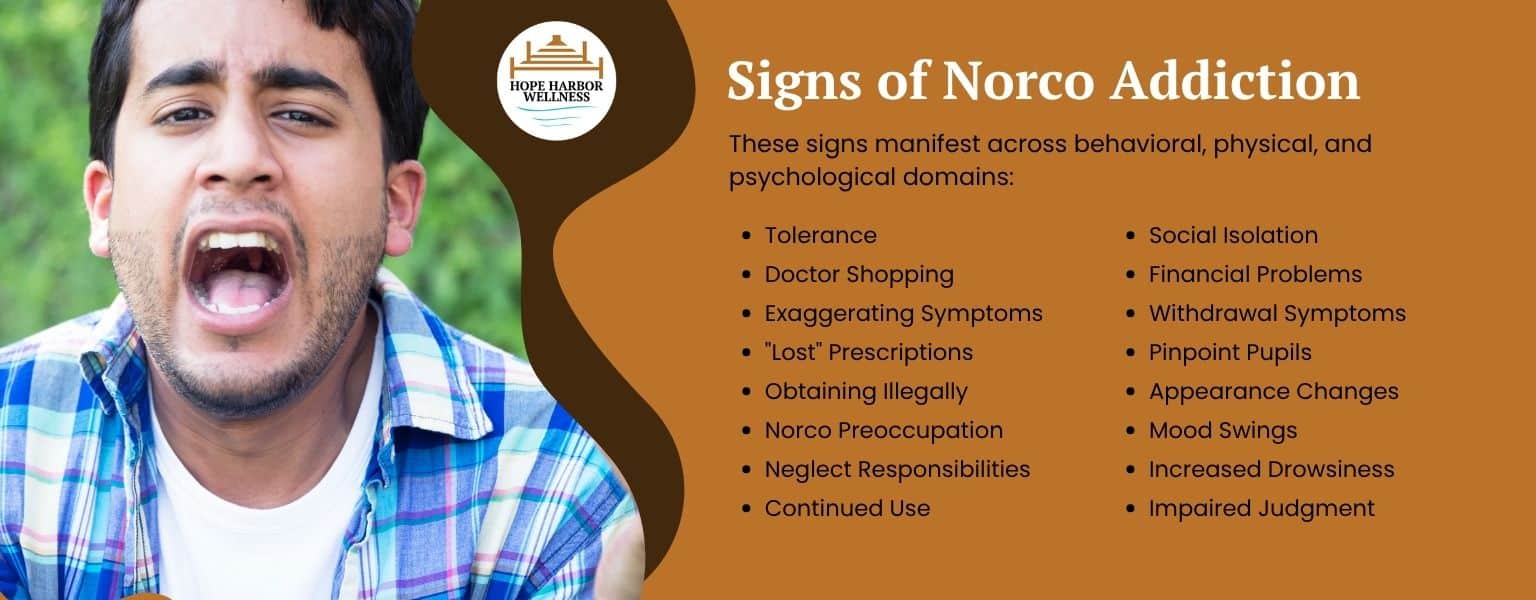
These signs manifest across behavioral, physical, and psychological domains:
Behavioral Warning Signs:
- Tolerance Development: Needing increasingly higher doses of Norco to achieve the same pain relief or euphoric effect.
- Doctor Shopping: Visiting multiple doctors to obtain additional prescriptions, often without disclosing other prescriptions.
- Exaggerating Symptoms: Faking or exaggerating pain symptoms to secure more prescriptions.
- Frequent “Lost” Prescriptions: Claiming to have lost prescriptions or medications to obtain replacements.
- Obtaining Illegally: Borrowing, buying, or stealing Norco from friends, family, or illicit sources.
- Preoccupation with Norco: Spending an excessive amount of time thinking about, obtaining, using, or recovering from the drug.
- Neglect of Responsibilities: Failing to meet obligations at work, school, or home due to drug use.
- Continued Use Despite Harm: Persisting in Norco use despite clear evidence of negative consequences (e.g., job loss, relationship problems, legal issues, health deterioration).
- Social Isolation: Withdrawing from social activities and loved ones, preferring to use Norco alone.
- Financial Problems: Accumulating debt or losing money due to the cost of obtaining Norco.
Physical and Psychological Warning Signs:
- Withdrawal Symptoms Between Doses: Experiencing early signs of withdrawal (e.g., restlessness, anxiety, yawning, runny nose) as the drug wears off, prompting compulsive redosing to avoid discomfort.
- Pinpoint Pupils: A classic sign of opioid use.
- Changes in Appearance: Neglecting personal hygiene, noticeable weight changes.
- Mood Swings: Experiencing irritability, agitation, or severe mood fluctuations.
- Increased Drowsiness/Sedation: Frequent nodding off, slurred speech, impaired coordination.
- Impaired Judgment: Making poor decisions under the influence or in pursuit of the drug.
Dangers and Complications of Norco Abuse and Addiction
The long-term abuse of Norco, particularly as it escalates into addiction, carries a litany of severe health risks and life-altering complications, many of which can be life-threatening.
1. Dangerously Slow Breathing (Respiratory Depression)
Hydrocodone is a CNS depressant. At higher doses, or when combined with other depressants, it can dangerously slow or even stop breathing, a condition known as respiratory depression. This is the primary cause of death in opioid overdose.
Signs of respiratory depression include:
- Fewer than 12 breaths per minute.
- Shallow, weak breaths or pauses in breathing.
- Bluish lips or nails (cyanosis), indicating a lack of oxygen.
- Gurgling or snoring sounds (signifying airway obstruction).
- Unresponsiveness or unconsciousness.
Severe breathing problems can quickly lead to brain damage from oxygen deprivation, coma, or death. It is imperative to never take more than prescribed, never share your medication, and strictly avoid mixing Norco with other CNS depressants like alcohol, benzodiazepines (e.g., Xanax, Valium), or sedatives.
2. Risk for Opioid Overdose (Opioid Use Disorder Overdose)
An opioid overdose occurs when there is an excessive amount of hydrocodone in the body, overwhelming the respiratory system. As tolerance to Norco develops, individuals often take increasingly higher doses to achieve the desired effect, unknowingly pushing their bodies to dangerous limits, making overdose a constant and deadly risk.
Opioid overdose signs include:
- Extreme sleepiness, inability to be aroused, or passing out.
- Pinpoint pupils (constricted pupils).
- Cold, clammy, or bluish skin.
- Very slow, shallow, or stopped breathing.
- Weak muscles, flaccid limbs.
- Collapsed circulation or cardiac arrest in severe cases.
It is critical to remember that Norco also contains acetaminophen. Taking excessive amounts can silently and severely damage the liver, potentially leading to acute liver failure days after the overdose, even if the immediate opioid effects are survived. Keeping naloxone (Narcan) readily available and educating loved ones on how to administer it can be life-saving in an opioid overdose emergency.
3. Difficulty Concentrating and Extreme Sleepiness
Norco, like other opioids, depresses CNS activity, leading to significant cognitive impairment and excessive drowsiness. These effects can severely impair daily functioning, impacting school, work, and the ability to safely operate a vehicle or machinery.
You might notice:
- Trouble paying attention or maintaining focus.
- Forgetfulness and impaired short-term memory.
- Slowed thinking, poor judgment, and impulsive decisions.
- Excessive daytime sleepiness and fatigue.
- “Nodding off” during conversations or tasks.
- Slurred speech and poor coordination.
While some tolerance to these effects may develop over time, increasing the dose to feel “normal” simply perpetuates the cycle and brings back the impairing side effects, fueling the addiction.
4. Liver Damage (Acetaminophen Toxicity)
Each Norco pill contains acetaminophen, which is processed by the liver. When more than 4000mg of acetaminophen is consumed per day (and often much less for vulnerable individuals or those with other risk factors), it can overload the liver’s capacity to detoxify it, leading to severe and potentially irreversible liver damage or acute liver failure. This risk is compounded by factors such as alcohol consumption, pre-existing liver disease, poor nutrition, or concurrent use of other acetaminophen-containing medications.
Early signs of liver damage are often mild and non-specific, making them easy to miss:
- Nausea, vomiting
- Loss of appetite
- Upper belly pain
- General fatigue
As liver damage progresses, more severe symptoms may appear, including yellow skin or eyes (jaundice), confusion (hepatic encephalopathy), easy bruising or bleeding, fluid build-up in the abdomen (ascites), or brain problems. Prompt medical treatment with N-acetylcysteine within 8 to 12 hours of an acetaminophen overdose is essential to mitigate liver damage.
5. Dangerous Drug Interactions (Polypharmacy Risk)
Norco can interact dangerously with numerous other medications and substances, significantly increasing the risk of severe side effects, overdose, or reduced efficacy of other drugs.
- Other CNS Depressants: Combining Norco with other strong CNS depressants like benzodiazepines (e.g., Xanax, Klonopin, Valium), alcohol, or sleep medications exponentially increases the risk of severe respiratory depression, profound drowsiness, coma, and death. This is an extremely dangerous combination.
- Certain Antibiotics or Anti-seizure Drugs: Some medications, particularly certain antibiotics (e.g., clarithromycin, erythromycin) or anti-seizure drugs, can affect the liver enzymes (CYP3A4) responsible for metabolizing hydrocodone, potentially making Norco less effective or causing its accumulation to dangerous levels.
- Other Acetaminophen-Containing Products: Unknowingly taking other over-the-counter or prescription medications that also contain acetaminophen (e.g., cold remedies, other pain relievers) significantly raises the risk of acetaminophen overdose and liver damage.
- MAOIs (Monoamine Oxidase Inhibitors) or Serotonergic Drugs: Combining Norco with MAOIs (used for depression or Parkinson’s disease) or other drugs that affect serotonin levels (e.g., SSRIs) can potentially lead to serotonin syndrome, a dangerous condition characterized by confusion, rapid heart rate, muscle rigidity, and seizures.
Always inform your doctors and pharmacists about all medications, supplements, herbal remedies, and substances you are taking to avoid hazardous drug interactions. Polypharmacy (the concurrent use of multiple medications) is a serious concern in the context of opioid use.
6. Harm to Newborn Babies (Neonatal Opioid Withdrawal Syndrome – NOWS)
If Norco or other opioids are used during pregnancy, the active components cross the placental barrier to the developing fetus. Upon birth, the newborn is suddenly deprived of the opioid and can experience NOWS (Neonatal Opioid Withdrawal Syndrome), a severe and often life-threatening condition.
Newborns with NOWS may exhibit a range of distressing symptoms:
- High-pitched, inconsolable crying and extreme irritability.
- Tremors, jitteriness, and seizures.
- Feeding difficulties, poor sucking reflex, and weight loss.
- Rapid breathing or respiratory distress.
- Diarrhea and vomiting, leading to dehydration.
- Trouble sleeping, excessive yawning, sneezing, or a runny nose.
- Sweating and fever.
Symptoms typically manifest within 72 hours of birth and can last for several weeks or even months, often requiring prolonged hospitalization and medication (such as opioid tapering regimens) to manage withdrawal. Other risks to the baby include low birth weight, premature birth, and long-term developmental issues. Pregnant individuals struggling with opioid use should never attempt to stop opioids alone (“cold turkey”). Medical supervision and a medically managed tapered reduction in dosage (or medication-assisted treatment) are strongly recommended to ensure the safety of both mother and baby.
7. Severe Allergic Reactions and Skin Reactions (Rare but Dangerous)
Though rare, Norco can cause severe allergic reactions or life-threatening skin problems.
These require immediate emergency medical attention:
- Anaphylaxis: Symptoms include hives, widespread rash, severe itching, swelling of the face, lips, tongue, or throat, difficulty breathing, and a sudden drop in blood pressure. This is a medical emergency.
- Stevens-Johnson Syndrome (SJS) or Toxic Epidermal Necrolysis (TEN): These are extremely rare but deadly skin reactions characterized by a severe, widespread rash, blistering, peeling skin, and fever. They are medical emergencies.
If you observe any signs of a rash, fever, difficulty breathing, or swelling after taking Norco, seek emergency medical care immediately.
8. Physical Dependence and Withdrawal Syndrome
As mentioned earlier, physical dependence means the body adapts to the presence of Norco and requires the drug to function “normally” and avoid withdrawal symptoms. This can happen even with correct, prescribed use, but it is a universal outcome of Norco addiction. When a physically dependent individual stops taking Norco or significantly reduces their dose, the body reacts with a range of often severe and highly unpleasant withdrawal symptoms. These symptoms can be incredibly distressing and are a primary driver of continued use and relapse.
Common opioid withdrawal symptoms include:
- Intense anxiety, restlessness, and agitation.
- Severe insomnia and difficulty sleeping.
- Profound muscle aches and bone pain.
- Heightened pain sensitivity (hyperalgesia).
- Abdominal cramps, nausea, vomiting, and diarrhea.
- Piloerection (goosebumps), yawning, and a runny nose.
- Excessive sweating, rapid heart rate (tachycardia), and high blood pressure.
While the severity and duration vary, a typical withdrawal timeline for Norco can look like this:
- 6 to 12 hours after the last dose: Early symptoms begin to emerge (e.g., anxiety, restlessness, muscle aches, yawning).
- 72 hours (3 days): Symptoms typically reach their peak intensity, including severe gastrointestinal distress, intense body aches, and psychological discomfort.
- 5 to 7 days: The main acute physical symptoms generally begin to ease significantly.
- Weeks to Months (Post-Acute Withdrawal Syndrome – PAWS): A subset of individuals may experience prolonged, fluctuating symptoms known as PAWS. These can include persistent mood issues (depression, anxiety), sleep disturbances, fatigue, irritability, and intense cravings. PAWS can significantly challenge long-term recovery efforts.
Trying to detox from Norco alone can be incredibly dangerous and rarely successful due to the intensity of withdrawal symptoms and the risk of relapse and overdose. Medical supervision, ideally through a supervised detox program, is strongly recommended. Doctors often utilize a slow, medically managed taper of the opioid dose or medication-assisted treatment (MAT) to ease withdrawal symptoms and streamline the process.
9. Low Blood Pressure (Orthostatic Hypotension)
Hydrocodone can cause a sudden drop in blood pressure when standing up from a sitting or lying position (orthostatic hypotension). This can lead to dizziness, lightheadedness, and an increased risk of falls, particularly in older adults or those with pre-existing cardiovascular conditions. Patients are advised to drink enough fluids, stand up slowly, and report any such symptoms to their doctor.
10. Low Adrenal Hormone Levels (Opioid-Induced Adrenal Insufficiency)
Long-term opioid use, including Norco, can disrupt the body’s stress-hormone system (the hypothalamic-pituitary-adrenal or HPA axis), leading to low cortisol levels. This condition, known as opioid-induced adrenal insufficiency, can manifest with symptoms that may mimic general fatigue or other opioid side effects, making it frequently missed.
Symptoms may include:
- Profound weakness or chronic tiredness.
- Loss of appetite and unintentional weight loss.
- Persistent belly pain and nausea.
- Low blood pressure, especially upon standing.
- Mood changes, salt cravings, and episodes of low blood sugar.
Diagnosis often requires specific hormone tests, and treatment may involve temporary hormone replacement until the body’s natural production recovers after opioid cessation.
11. Seizures (Rare but Serious)
In rare cases, hydrocodone, particularly at very high doses, with rapid dose increases, during acute withdrawal, or in individuals with a pre-existing history of seizures, can trigger new or exacerbate existing seizure activity. Mixing Norco with other medications that lower the seizure threshold or during an overdose significantly heightens this risk. If an individual has a history of seizures, their doctor may opt for alternative pain management strategies to avoid this complication.
Norco Addiction Statistics: A Public Health Concern
The following statistics, often compiled and published by organizations like the DEA (United States Drug Enforcement Administration) and public health agencies, underscore the significant and ongoing public health concern posed by hydrocodone-containing products like Norco:
- Prescription Trends: In 2011, healthcare providers in the U.S. wrote approximately 144.5 million prescriptions for hydrocodone products like Norco. While this number reflects the widespread use of these medications for legitimate pain, it also highlights the extensive availability that contributed to the opioid crisis. Encouragingly, due to increased awareness and stricter prescribing guidelines, that number saw a substantial decrease to 93.7 million by 2016, falling further to 56.5 million in 2021, and continuing its downward trend to 47.4 million in 2024. This trend indicates a positive shift towards more cautious opioid prescribing practices.
- Poison Control Center Calls: Hydrocodone is mentioned in over 1,400 calls to America’s Poison Centers each year. These calls often relate to accidental exposures, misuse, or suspected overdoses, signaling the ongoing risks associated with the drug’s availability and use.
- Single-Drug Exposure Cases: In 2022, there were 514 reported single-drug exposure cases and 3 deaths directly linked to hydrocodone, emphasizing the potential for severe and fatal outcomes even when it is the only substance involved.
- Forensic Lab Reports: Forensic laboratories reported seeing hydrocodone 9,258 times in 2020. This number reflects the presence of the drug in samples collected during investigations, such as toxicology screenings in overdose deaths or drug seizures. This figure also shows a decline, falling to 6,545 in 2022 and further to 3,989 in 2024, mirroring the reduction in overall availability and misuse.
- Misuse Prevalence: In 2017, approximately 6.9 million people reported misusing hydrocodone products. By 2023, that number had fallen to 3.6 million, a slight decrease from 3.7 million in 2022. While these figures represent a significant reduction in misuse, they still underscore that millions of individuals continue to struggle with problematic opioid use.
These statistics collectively illustrate a hopeful trend of decreasing prescription rates and reported misuse over the last decade, largely attributable to public health initiatives, stricter regulations, and increased awareness of the opioid crisis. However, they also unequivocally demonstrate that Norco addiction and abuse remain a pressing public health concern in the United States, necessitating continued vigilance, preventative measures, and access to effective Norco addiction treatment for those affected.

Comprehensive Norco Addiction Treatment at Hope Harbor Wellness in Atlanta, GA
Norco addiction is a complex and pervasive disease that can systematically devastate every part of a person’s life—from their physical health and relationships to their career, finances, and emotional well-being. However, with the proper, evidence-based Norco addiction treatment and compassionate support, sustained recovery is not only achievable but truly within reach. At Hope Harbor Wellness in Atlanta, GA, we specialize in providing comprehensive outpatient recovery programs designed to guide individuals through each crucial stage of healing.
Our approach recognizes that recovery is not a one-size-fits-all journey.
While some individuals with more severe or long-standing addictions may require the initial stabilization of medical detoxification or residential care, our outpatient programs are ideal for those who:
- Have a strong desire to recover but need to maintain work, school, or family commitments.
- Have a supportive home environment.
- Have milder to moderate dependence.
- Are transitioning from a higher level of care (like inpatient rehab) and need robust ongoing support.
What is the first step in Norco addiction treatment?
The initial and often most critical step in overcoming Norco addiction is detoxification. This process allows the drug to safely and gradually leave your system while your body adjusts to functioning without its presence. During detox, individuals will experience withdrawal symptoms as their body attempts to re-establish chemical balance.
1. Medical Detoxification: The Essential First Step
Withdrawal symptoms from Norco (hydrocodone) can be intensely uncomfortable and, in some cases, dangerous if not managed medically.
These symptoms often include:
- Intense cravings for Norco
- Severe muscle aches and bone pain
- Restlessness and agitation (akathisia)
- Profound difficulty sleeping (insomnia)
- Gastrointestinal distress (nausea, vomiting, diarrhea, stomach cramps)
- Chills and profuse sweating (“cold turkey”)
- Goosebumps, yawning, and a runny nose
- Rapid heart rate and elevated blood pressure
These symptoms can begin within hours of the last dose and may last for several days, with peak intensity often around 72 hours. Attempting to detox from Norco alone is not only incredibly difficult due to the severity of these symptoms, but it can also be dangerous due to the risk of dehydration from vomiting/diarrhea, or relapse leading to overdose (as tolerance decreases during detox).
This is why medical detox is strongly recommended. In a supervised medical setting, trained staff can monitor your condition around the clock, ensuring your safety and comfort. They may use FDA-approved medications (such as buprenorphine/naloxone like Suboxone, or naltrexone after detox) to ease withdrawal symptoms, reduce cravings, and prevent complications. The emotional support provided during medical detox also helps mitigate the anxiety and fear that are common during this vulnerable stage.
Does Hope Harbor Wellness offer medical detox?
Hope Harbor Wellness primarily offers outpatient Norco addiction treatment and does not provide on-site medical detox. However, we have established relationships with trusted medical detox facilities in the Atlanta, GA, area and can provide seamless referrals and coordination to ensure a safe and comfortable detoxification process. Once detox is complete, individuals are stabilized and much better prepared to engage fully in our comprehensive outpatient programs.
Outpatient Treatment at Hope Harbor Wellness: Building a Foundation for Lasting Recovery
For many individuals, particularly those with milder to moderate Norco addiction or those transitioning from higher levels of care, outpatient therapy offers sufficient support and structure to achieve and maintain sobriety. Our outpatient programs at Hope Harbor Wellness in Atlanta, GA, are designed to integrate seamlessly into your daily life, providing intensive therapeutic support without requiring a residential stay.
Our comprehensive outpatient Norco addiction treatment plans often include:
- Individual Therapy: Working one-on-one with a highly skilled and compassionate therapist is a cornerstone of our treatment. Sessions focus on exploring the underlying causes of Norco addiction, identifying personal triggers, developing personalized coping mechanisms, and processing any co-occurring mental health issues (like anxiety, depression, or trauma). Modalities often include:
- Cognitive Behavioral Therapy (CBT): Helps clients identify and change destructive thought patterns and behaviors related to Norco use, teaching them how to manage cravings and high-risk situations.
- Dialectical Behavior Therapy (DBT): Focuses on emotional regulation, distress tolerance, interpersonal effectiveness, and mindfulness – crucial skills for managing intense cravings and life stressors without turning to drugs.
- Motivational Interviewing (MI): A collaborative counseling style designed to strengthen a person’s own motivation for and commitment to change.
- Trauma-Informed Care: Recognizing the high correlation between trauma and addiction, our therapists are trained to address past traumatic experiences in a safe and supportive environment, helping to heal underlying wounds that may drive substance use.
- Group Counseling: Participating in group therapy sessions provides invaluable peer support, reduces feelings of isolation, and allows individuals to learn from the shared experiences of others in recovery. Groups also offer a safe space to practice new coping skills, receive constructive feedback, and build a sense of community. Topics often include relapse prevention, coping with triggers, communication skills, and healthy relationship dynamics.
- Psychoeducational Sessions: These sessions provide crucial knowledge about the disease of addiction, the neurobiology of opioid dependence, the specific effects of Norco, and strategies for maintaining long-term sobriety. Understanding the “why” behind addiction empowers individuals to make informed choices.
- Family Therapy: Addiction impacts the entire family system. Our family therapy sessions aim to heal strained relationships, improve communication patterns, educate family members about addiction, and establish healthy boundaries and support systems crucial for the individual’s long-term recovery.
- Medication-Assisted Treatment (MAT) Coordination: For many, medications like buprenorphine/naloxone (Suboxone) or naltrexone can significantly improve treatment outcomes by reducing cravings and preventing relapse. Hope Harbor Wellness works closely with prescribing physicians in Atlanta, GA, to coordinate MAT as an integrated part of your overall Norco addiction treatment plan, ensuring a holistic approach to recovery.
- Holistic and Wellness Approaches: We integrate various holistic therapies, such as mindfulness practices, stress management techniques, nutritional guidance, and opportunities for physical activity. These approaches support mental and emotional health, reduce stress, and promote overall well-being, contributing to a more balanced and resilient recovery.
- Relapse Prevention Planning: This is an ongoing and critical component of our treatment. We work with each client to develop a detailed, personalized relapse prevention plan that identifies individual triggers, outlines specific coping strategies for high-risk situations, and establishes a robust network of support resources for long-term sobriety.
- Aftercare Planning and Alumni Support: Recovery is a lifelong journey. Before completing our outpatient programs, we work with clients to develop a comprehensive aftercare plan, including connections to local support groups (like Narcotics Anonymous – NA), continued individual therapy, and other community resources in Atlanta, GA. Our alumni program fosters ongoing connection and support for continued success.
If you or your loved one are struggling with Norco addiction near Atlanta, contact Hope Harbor Wellness at 770-573-9546 or fill out our online contact form today to begin your Norco addiction treatment in Atlanta, GA.
Norco Addiction Treatment FAQs
What is Norco addiction, and how is it different from physical dependence?
Norco addiction is a chronic brain disease characterized by compulsive drug seeking and use despite harmful consequences, involving significant changes in brain function. Physical dependence, conversely, is the body’s natural adaptation to a drug, meaning withdrawal symptoms occur if the drug is stopped. Dependence can happen with appropriate use, but addiction involves a loss of control over use.
How quickly can someone become addicted to Norco?
The speed of developing Norco addiction varies, but due to its potent opioid component (hydrocodone), physical dependence can develop in a matter of days or weeks, even with prescribed use. Once dependence sets in, the risk of progressing to addiction significantly increases, especially with misuse or prolonged use.
What are the main dangers of Norco abuse?
The main dangers of Norco abuse include life-threatening respiratory depression (slowed breathing), overdose (potentially fatal), severe liver damage from acetaminophen toxicity, dangerous drug interactions (especially with alcohol or benzodiazepines), harm to newborn babies if used during pregnancy (NOWS), and severe physical and psychological withdrawal symptoms.
Can I stop taking Norco cold turkey if I’m physically dependent?
No, it is strongly advised against stopping Norco “cold turkey,” especially if you are physically dependent. Abrupt cessation can lead to severe and intensely uncomfortable withdrawal symptoms. More importantly, it can be dangerous due to the risk of relapse (and subsequent overdose if tolerance has decreased) or other complications. Medical detox is always recommended to ensure a safe and managed withdrawal process.
Does Hope Harbor Wellness offer medical detox for Norco addiction?
Hope Harbor Wellness in Atlanta, GA, primarily provides outpatient Norco addiction treatment and does not have an on-site medical detox facility. However, we understand the critical importance of safe detoxification and maintain strong referral partnerships with trusted medical detox centers in the Atlanta area. We will help coordinate your admission to a medical detox facility to ensure a safe and comfortable withdrawal, after which you can seamlessly transition into our outpatient programs.
What types of therapy are used in Norco addiction treatment at Hope Harbor Wellness?
Our outpatient Norco addiction treatment at Hope Harbor Wellness utilizes evidence-based therapies such as Cognitive Behavioral Therapy (CBT), Dialectical Behavior Therapy (DBT), Motivational Interviewing (MI), and Trauma-Informed Care. These are delivered through a combination of individual therapy, group counseling, and psychoeducational sessions.
Is Medication-Assisted Treatment (MAT) part of Norco addiction recovery?
Yes, Medication-Assisted Treatment (MAT) can be a highly effective component of Norco addiction treatment. Hope Harbor Wellness coordinates closely with prescribing physicians in Atlanta, GA, to integrate FDA-approved medications like buprenorphine/naloxone (Suboxone) or naltrexone into a comprehensive treatment plan, helping to reduce cravings and prevent relapse for suitable candidates.
How long does outpatient Norco addiction treatment typically last?
The duration of outpatient Norco addiction treatment varies significantly based on individual needs, the severity of the addiction, and the presence of co-occurring conditions. Programs can range from several weeks of intensive outpatient programming (IOP) to several months or longer of ongoing support and therapy, focusing on sustainable, long-term recovery.
Can Hope Harbor Wellness help if I also have anxiety or depression?
Absolutely. It is very common for individuals struggling with Norco addiction to also experience co-occurring mental health disorders like anxiety, depression, PTSD, or other mood disorders. Hope Harbor Wellness specializes in providing integrated, dual-diagnosis treatment. Our therapists address both the addiction and any underlying or co-occurring mental health conditions simultaneously for holistic and sustainable recovery.
How do I get started with Norco addiction treatment at Hope Harbor Wellness?
Taking the first step is simple. Contact Hope Harbor Wellness in Atlanta, GA, at 770-573-9546 or fill out our online contact form. Our compassionate admissions team will conduct a confidential assessment to understand your unique situation and guide you through the process of starting your personalized outpatient Norco addiction treatment program. We are here to support you on your journey to healing and a life free from addiction.