

Hydromorphone is a potent opioid analgesic primarily indicated for the treatment of severe pain. Commonly marketed under the brand name Dilaudid and available in various forms including tablets and injectable solutions, this powerful medication works by intercepting pain signals traveling to the brain. By binding to opioid receptors in the central nervous system, it effectively diminishes a person’s perception of pain and alters their emotional response to it.
While an invaluable tool in pain management, hydromorphone’s potency also means it carries a significant risk of dependence and hydromorphone addiction. Understanding this medication, its uses, its dangers, and where to find help is crucial for individuals and families in Atlanta, GA.
This comprehensive guide from Hope Harbor Wellness will delve into:
- What is Hydromorphone and how is it used?
- Is Hydromorphone addictive?
- Recognizing the signs and symptoms of Hydromorphone addiction.
- Common and severe hydromorphone side effects.
- Effective Hydromorphone addiction treatment options available at Hope Harbor Wellness.
What is Hydromorphone and How Does It Work?
Hydromorphone oral tablets are typically prescribed for the immediate relief of severe acute pain that other treatments cannot manage effectively. These tablets are available in both generic form and under the widely recognized brand name Dilaudid. For individuals requiring continuous, around-the-clock pain management, an extended-release tablet formulation of hydromorphone is also available, designed for daily, consistent use.
Beyond tablets, hydromorphone is also offered as an oral liquid solution, providing flexibility in dosing, particularly for those who have difficulty swallowing pills. Additionally, it comes in two injectable solutions—a standard and a high-potency version—which are exclusively administered by trained medical professionals in hospital or clinical settings due to their immediate and intense effects.
Hydromorphone may also be prescribed as part of a comprehensive pain management strategy, meaning it could be used alongside other medications, or non-pharmacological treatments, to effectively alleviate severe pain. Its primary mechanism involves acting directly on opioid receptors in the brain and spinal cord, mimicking the effects of natural pain-relieving chemicals (endorphins) and thereby dampening pain signals. This action not only reduces the sensation of pain but also often produces feelings of euphoria and well-being, which contributes significantly to its potential for misuse and hydromorphone addiction.
Is Hydromorphone Addictive? Understanding Dependence and Risk
Yes, like all Schedule II controlled substances, hydromorphone carries a high potential for abuse and can readily trigger the development of tolerance, physical dependence, and ultimately, hydromorphone addiction (clinically referred to as Opioid Use Disorder).
When tolerance forms, an individual requires increasingly larger doses of the medication to achieve the initial effects of pain relief or euphoria. This escalating consumption is highly likely to accelerate the formation of physical dependence. It’s important to differentiate: individuals experiencing legitimate, chronic pain should not be deterred by the possibility of dependence from utilizing narcotic pain relief as prescribed by a doctor. When used precisely for pain management under medical supervision, the likelihood of developing an addiction is significantly lower compared to recreational or illicit use. The brain changes associated with addiction (compulsive drug-seeking, loss of control) are less common when the drug is used for its intended medical purpose.
However, if physical dependence does occur—whether through prescribed use or misuse—abrupt discontinuation of hydromorphone will lead to uncomfortable and often severe withdrawal symptoms. A gradual, tapered reduction in dosage, overseen by a medical professional, is crucial to mitigate these severe withdrawal symptoms and ensure a safer, more manageable cessation process. Without professional guidance, attempting to stop “cold turkey” can be extremely distressing and often leads to relapse.
Hydromorphone Addiction Symptoms: Recognizing Opioid Use Disorder
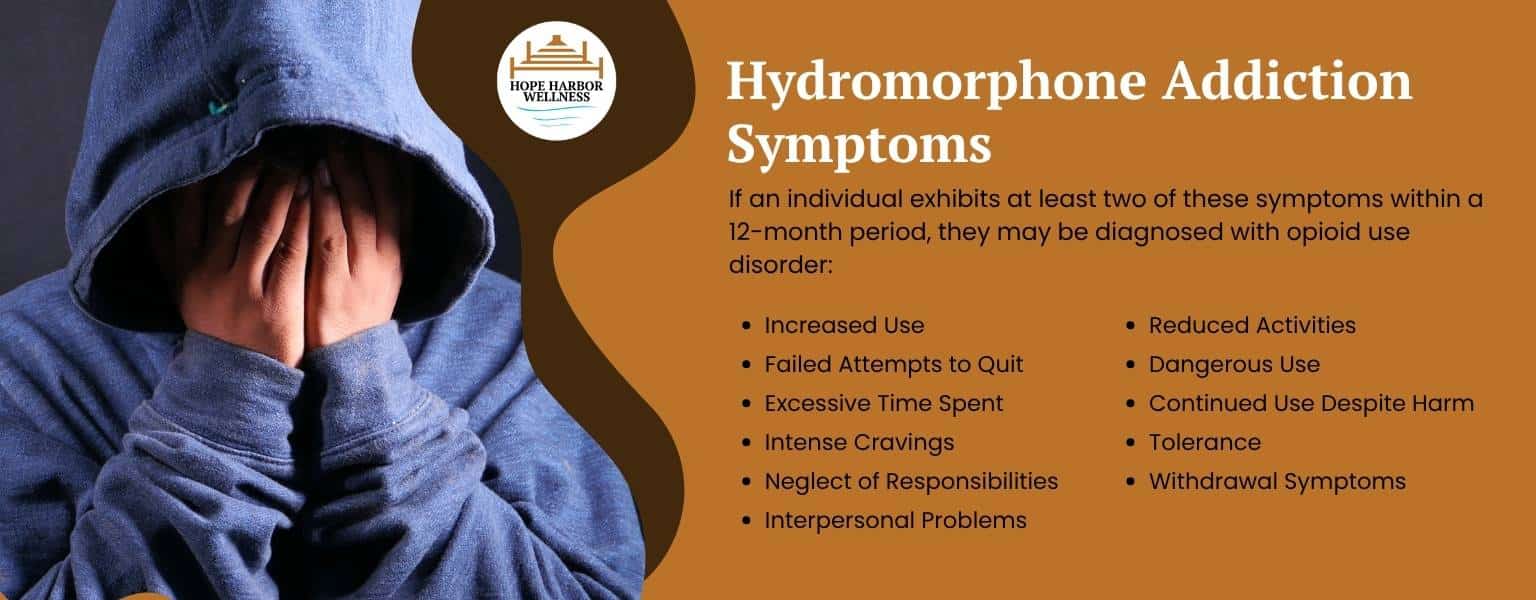
Hydromorphone addiction is clinically described as Opioid Use Disorder. Mental health professionals utilize the DSM-5-TR (the fifth revised edition of the Diagnostic and Statistical Manual of Mental Disorders) to diagnose hydromorphone addiction based on a set of criteria. If an individual exhibits at least two of these symptoms within a 12-month period, they may be diagnosed with opioid use disorder:
- Increased Use: Consuming hydromorphone in larger amounts or for longer periods than originally intended or prescribed.
- Failed Attempts to Quit: Repeated, unsuccessful attempts to reduce or stop hydromorphone use.
- Excessive Time Spent: Spending an excessive amount of time obtaining, using, or recovering from the effects of hydromorphone.
- Intense Cravings: Experiencing strong, overwhelming cravings or urges to use hydromorphone.
- Neglect of Responsibilities: Failing to meet major responsibilities at work, home, or school due to hydromorphone use.
- Interpersonal Problems: Continuing to use hydromorphone despite it causing or worsening persistent social or personal problems with family, friends, or colleagues.
- Reduced Activities: Giving up or neglecting important social, occupational, or recreational activities in favor of hydromorphone use.
- Dangerous Use: Using hydromorphone in physically hazardous situations, such as while driving a car or operating machinery.
- Continued Use Despite Harm: Persisting in hydromorphone use even when aware of physical or psychological problems caused or made worse by the drug use (e.g., sedation, constipation, or worsening depression).
- Tolerance: Needing significantly more hydromorphone to achieve the same desired effect, or finding that the same amount has a markedly diminished effect over time.
- Withdrawal Symptoms: Experiencing characteristic withdrawal symptoms when not using hydromorphone, or using hydromorphone (or a closely related opioid) to avoid or relieve these withdrawal symptoms.
Addressing hydromorphone addiction involves recognizing these critical symptoms and seeking professional treatment, which may involve medication, therapy, and comprehensive support to manage the addiction and its profound effects. Read on to discover how Hope Harbor Wellness can help you achieve lasting recovery.
Understanding the Side Effects of Hydromorphone
While hydromorphone is effective for pain relief, its use is associated with a range of side effects. Awareness of these is important for patient safety and for recognizing potential issues.
Common Hydromorphone Side Effects (Report to your care team if persistent or aggravating):
- Gastrointestinal Issues: Constipation (very common with opioids), nausea, and vomiting.
- Central Nervous System Effects: Drowsiness, dizziness, lightheadedness.
- Oral Dryness: Dry mouth.
- Headache: Mild to moderate headaches.
These side effects usually do not require immediate medical attention and can potentially diminish as the body adjusts to the medication. However, if they persist or become bothersome, discuss them with your healthcare provider.
Serious Hydromorphone Side Effects (Seek immediate medical attention):
- Allergic Reactions: Signs include itching, skin rash, hives, or swelling of the lips, tongue, throat, or face. This requires urgent medical evaluation.
- Severe Central Nervous System Depression: Manifesting as significant shortness of breath, extremely slow and shallow breathing, profound faintness, severe dizziness, deep confusion, or difficulty staying awake and aroused. These are signs of respiratory depression, which can be life-threatening.
- Adrenal Gland Dysfunction: Symptoms of low adrenal gland function may include severe appetite loss, persistent nausea and vomiting, extreme fatigue or weakness, and dizziness.
- Low Blood Pressure (Hypotension): Causing dizziness, feeling lightheaded, or blurry vision, especially when standing up quickly. This can lead to fainting or falls.
- Serotonin Syndrome: (Rare but serious, especially if taken with antidepressants like SSRIs, SNRIs). Symptoms include agitation, hallucinations, rapid heart rate, fever, muscle rigidity, and severe nausea/vomiting/diarrhea.
- Seizures: While rare, hydromorphone can lower the seizure threshold.
Always consult your healthcare provider for medical advice about the side effects of hydromorphone. You may also report side effects to the FDA at 1-800-FDA-1088.
Hydromorphone Addiction Treatment: A Path to Recovery at Hope Harbor Wellness
Treating hydromorphone addiction involves a comprehensive and wide-ranging approach that addresses both the profound physical and psychological aspects of opioid use disorder. Effective treatment plans are meticulously tailored to meet the individual needs of each person, combining evidence-based medications, intensive counseling, and robust support systems to facilitate sustainable recovery.
Here’s an overview of the primary components involved in hydromorphone addiction treatment at Hope Harbor Wellness:
- Medication-Assisted Treatment (MAT): MAT is a cornerstone of effective opioid addiction treatment. It uses FDA-approved medications (like methadone, buprenorphine, or naltrexone) to normalize brain chemistry, block the euphoric and rewarding effects of opioids, significantly mitigate cravings, and stabilize body functions without the debilitating effects of addictive substances like hydromorphone. Each medication plays a distinct role in helping reduce physical dependence and easing the severity of withdrawal symptoms, making recovery more achievable.
- Medically Supervised Detoxification: Medically supervised detoxification provides a safe, comfortable, and controlled environment in which individuals can safely withdraw from opioids. While detox is a fundamental and necessary first step in the recovery process, it is crucial to understand that it signals merely the beginning of treatment. It must be followed by ongoing therapy and comprehensive support to address the underlying causes of hydromorphone addiction and equip individuals with long-term coping strategies.
- Behavioral Therapies: Behavioral therapies are vital in helping people in recovery understand the root causes and triggers of their addiction, develop new, healthy coping mechanisms, and rebuild constructive behavioral patterns. At Hope Harbor Wellness, we utilize highly effective strategies such as:
- Cognitive Behavioral Therapy (CBT): Helps individuals identify and challenge problematic thought patterns and beliefs that contribute to drug use, teaching them healthier ways to respond to stressful situations.
- Contingency Management (CM): Uses positive reinforcement and rewards for abstinence and engagement in treatment.
- Motivational Interviewing (MI): A client-centered approach that helps individuals explore and resolve ambivalence about behavior change.
- These therapies can occur in individual, group, or family settings, providing varied layers of support.
- Support Groups and Peer Support: Participation in support groups like NA (Narcotics Anonymous) and SMART Recovery, or similar peer-led groups, can provide invaluable encouragement and shared experiences from those with lived experience of opioid addiction. These groups offer a powerful sense of community, reduce feelings of isolation, and provide practical insights that are central to the recovery journey.
- Holistic and Alternative Therapies: Recognizing the importance of addressing the whole person, we incorporate holistic and alternative therapies such as acupuncture, meditation, yoga, and art therapy to complement more traditional treatment methods. These practices can significantly help reduce stress, enhance emotional well-being, promote physical healing, and foster a deeper connection to oneself during recovery.
- Aftercare Planning: Effective aftercare planning is a critical component for preventing relapse and ensuring long-term sobriety. This includes developing a personalized plan for ongoing therapy, continued participation in support groups, and sometimes transitioning to sober living environments to help maintain sobriety. Tailoring the aftercare plan to individual needs and local resources significantly increases the likelihood of sustained recovery.
- Education and Family Support: Educating the individual and their family about the complexities of addiction and the recovery process helps build a supportive and understanding environment conducive to healing. Family therapy sessions can improve strained communication, resolve conflicts stemming from addiction, and enable families to effectively support their loved one’s recovery journey, becoming active participants in the healing process.
Recovery from hydromorphone addiction requires time, unwavering commitment, and a comprehensive, individualized treatment plan. With the right support and resources provided by expert facilities like Hope Harbor Wellness, it’s absolutely possible for someone to overcome hydromorphone addiction and recalibrate their lives towards lasting health and happiness.

Get Help Quitting Hydromorphone at Hope Harbor Wellness
If you or someone that you care about needs help addressing hydromorphone addiction, reach out to Hope Harbor Wellness in Atlanta, GA. We understand the unique challenges associated with opioid dependence and are committed to providing compassionate, evidence-based care.
After safely detoxing from opioids, typically through a medically supervised program, you can engage with our comprehensive outpatient treatment at Hope Harbor Wellness in Atlanta, GA. By choosing an outpatient program with us, you gain the crucial flexibility to fulfill your everyday obligations—such as work, school, or family responsibilities—while engaging with effective and evidence-based treatment that addresses your hydromorphone addiction.
We recognize that all hydromorphone addictions are unique, which is why all Hope Harbor Wellness treatment programs provide a personalized blend of the following therapies and services:
- Medication-Assisted Treatment (MAT): When clinically appropriate, to help manage cravings and withdrawal symptoms.
- Talk Therapies: Including Cognitive Behavioral Therapy (CBT) and Dialectical Behavior Therapy (DBT).
- Motivational Therapies: To enhance commitment to change.
- One-to-One Counseling: Personalized support and guidance with a dedicated therapist.
- Group Therapy: Peer support and shared learning in a supportive setting.
- Family Therapy: To heal relationships and build a strong support system.
- Holistic Interventions: Addressing mind, body, and spirit.
- Aftercare Planning: A robust plan for long-term sobriety and relapse prevention.
- Dual-Diagnosis Treatment: Integrated care for co-occurring mental health disorders.
Begin your recovery from hydromorphone addiction right away by calling 770-573-9546 or filing out our online contact form. Our compassionate team is ready to answer your questions and guide you toward a healthier, more fulfilling future.
Hydromorphone Addiction FAQs
What is Hydromorphone (Dilaudid) used for?
Hydromorphone, often known by its brand name Dilaudid, is a potent opioid pain reliever prescribed for severe pain that isn’t adequately managed by other medications. It’s used for acute, chronic, and post-surgical pain.
Is Hydromorphone addictive?
Yes, Hydromorphone is a Schedule II controlled substance with a high potential for physical dependence, tolerance, and addiction (Opioid Use Disorder), even when used as prescribed. Misuse significantly increases this risk.
What are the common side effects of Hydromorphone?
Common hydromorphone side effects include drowsiness, dizziness, constipation, nausea, vomiting, dry mouth, and headache. These should be reported to your doctor if persistent.
What are the signs of Hydromorphone addiction?
Signs of Hydromorphone addiction include taking larger or more frequent doses, unsuccessful attempts to cut down, strong cravings, neglecting responsibilities, continuing use despite negative consequences, developing tolerance, and experiencing withdrawal symptoms when not using.
How long does Hydromorphone stay in your system?
The detection window for Hydromorphone varies by test type and individual factors. It can be detected in urine for 2-4 days, blood for up to 12-24 hours, saliva for 1-2 days, and hair for up to 90 days.
Can you overdose on Hydromorphone?
Yes, an overdose on Hydromorphone is possible and can be fatal. Symptoms include severe respiratory depression, extreme drowsiness, pinpoint pupils, cold/clammy skin, and loss of consciousness. Immediate medical attention and naloxone are critical.
What is the best treatment for Hydromorphone addiction?
The most effective treatment for Hydromorphone addiction involves a comprehensive approach, typically including medically supervised detox, Medication-Assisted Treatment (MAT), behavioral therapies (like CBT, DBT), individual and group counseling, and robust aftercare planning.
Does Hope Harbor Wellness offer inpatient or outpatient treatment for Hydromorphone addiction?
Hope Harbor Wellness in Atlanta, GA primarily offers outpatient treatment for Hydromorphone addiction after initial detox, providing flexibility while delivering evidence-based therapies and support.