

Understanding how long methamphetamine stays in your system is crucial for addressing both legal concerns and health risks. Even after your body has processed the drug, traces can still be detectable in various drug tests, posing ongoing risks.
What is Meth?
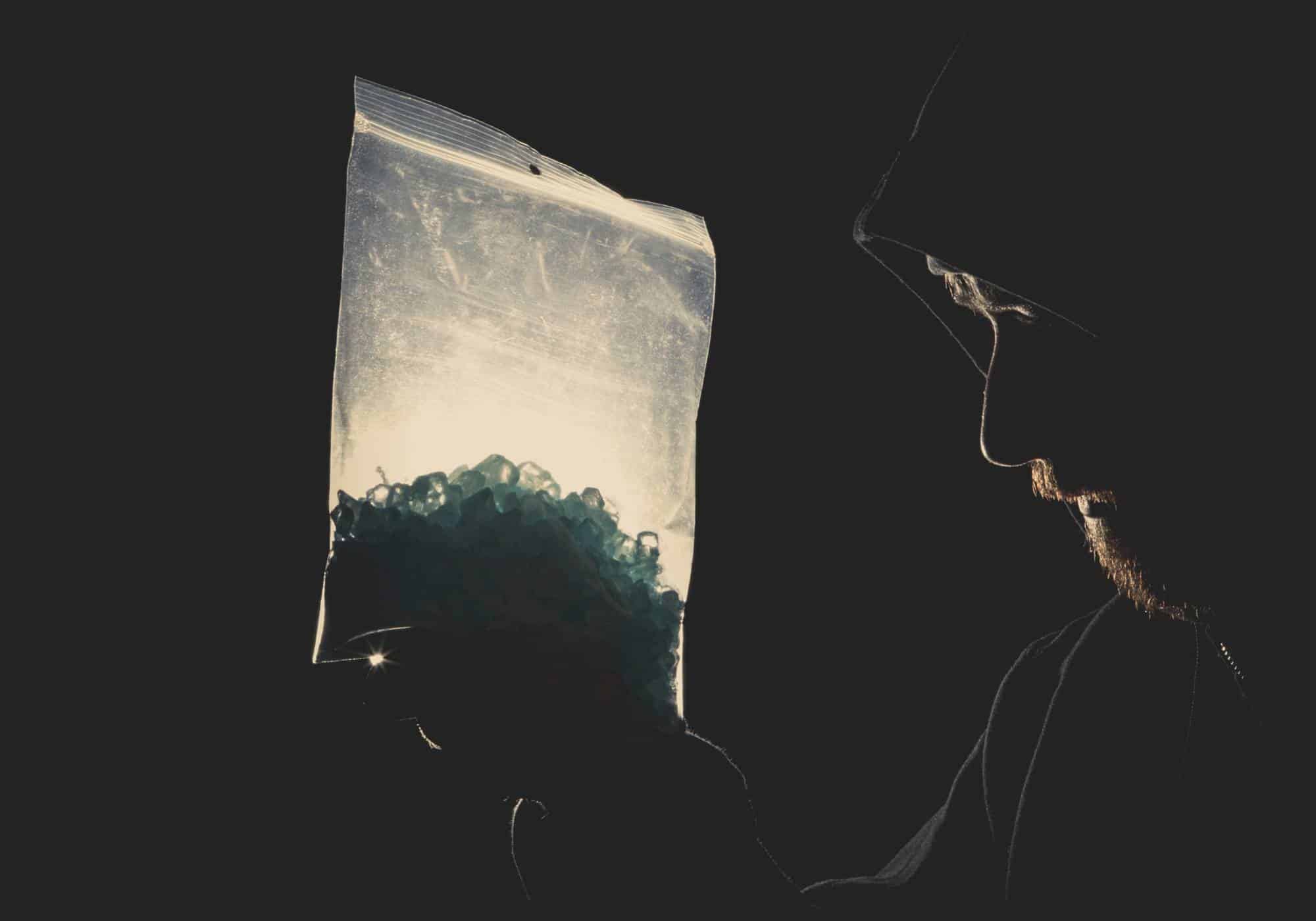
Methamphetamine stands as a formidable and highly addictive stimulant affecting the central nervous system. Known by street names such as meth, crystal, ice, or Tina, it is classified as a Schedule II substance due to its high potential for abuse. While some legal, pharmaceutical forms of meth exist, most available meth is manufactured illicitly, making any non-prescribed use illegal.
How the Body Metabolizes Meth
The body’s process for metabolizing substances like alcohol and ibuprofen shares similarities with how it handles meth. Consumption methods—oral, smoked, or injected—all kickstart metabolism immediately. The liver plays a pivotal role in breaking down meth’s chemical components, though other organs and bodily fluids, including saliva and gastric acids, contribute to its metabolism and excretion.
Common Factors That Influence How Long Meth Stays in Your System
The time meth remains detectable in the body varies due to several internal and external factors:
- Internal Factors: Individual differences such as metabolic rate, age, weight, and overall health significantly affect how long meth is metabolized. Liver functionality, which can be impacted by various health conditions, also plays a crucial role.
- External Factors: Concurrent use of other substances, the amount of meth consumed, and dietary factors influence how the liver processes toxins. An overloaded liver increases the risk of overdose significantly due to its reduced capacity to process additional substances efficiently.
There’s no simple way to ascertain exactly when meth has been fully cleared from the body due to these varying factors. Drug tests can detect meth after its effects have ceased, underscoring the importance of understanding meth’s impact on the body and the potential legal and health implications of its use.
If you’re dealing with meth use or concerned about someone else, it’s crucial to seek professional help. Knowing how the body handles this drug and the factors affecting its metabolism can guide effective treatment and prevention strategies. If you or a loved one are struggling with meth addiction, contact Hope Harbor Wellness at 770-573-9546 or fill out our contact form to being your meth addiction treatment in Atlanta, GA today.

Meth Detection Times by Type of Drug Test
Knowing how long methamphetamine remains detectable in your system is critical for addressing both medical and legal implications of its use. Each type of drug test has a different detection window, influenced by several factors.
How Long Does Meth Stay in Urine?
Urine testing is a popular method due to its non-invasive nature and speed. In this test, individuals provide a urine sample, which is analyzed for traces of substances like meth. Meth can typically be detected in urine from 1 to 5 days after last use, making it effective for recent consumption monitoring.
How Long Does Meth Stay in Blood?
Blood tests measure the presence of substances directly in the bloodstream. Given meth’s half-life of approximately 5 hours, it can be detected in the blood for about 25 hours following the last dose.
How Long Does Meth Stay in Saliva?
Saliva tests, involving a swab from the mouth, can detect meth up to two days after it was last used. This method is less invasive and can be conducted easily with quick results.
How Long Does Meth Stay in Hair?
Hair follicle tests provide a more extended detection window. A 1.5-inch hair segment can show meth use up to 90 days prior, offering a long-term view of substance use.
How Long Does Meth Stay in Breastmilk?
Meth remains detectable in breastmilk up to 72 hours post-use. It is advised that mothers using meth abstain from breastfeeding during this period to avoid exposing their infant to the drug. If a urine test comes back negative, it might be safe to resume breastfeeding earlier, but generally, a 48 to 100-hour wait is recommended after the last use.
How Long Does Meth Stay in Nails?
Meth traces can be found in fingernails for three to six months after the last usage, providing a substantial window for detection of past use.
Meth’s Half-Life
The half-life of meth is approximately 10-11 hours. This measurement indicates that half of the meth dose remains in the body after this period, even if the effects are no longer perceptible. This helps in understanding how long after consumption meth remains in the system, crucial for treatment and legal cases.
How Long Does Meth Last?
Meth use can induce several distinct phases of intoxication, each characterized by unique effects and behaviors:
- The Rush: Immediately after taking meth, users experience an intense surge in dopamine, causing elevated heart rate, dilated pupils, and increased blood pressure and metabolism. This phase can last up to 30 minutes.
- The High: Following the rush, the high phase kicks in, lasting from four to sixteen hours. This period is marked by hyperactivity, rapid thought processes, and sometimes aggressive or obsessive behaviors.
- The Binge: To avoid the inevitable crash, users may enter a binge phase, lasting from three to fifteen days, where meth is consumed repeatedly, often neglecting basic needs like food.
- The Tweak: In this phase, the user experiences a significant drop in dopamine levels, leading to severe frustration, paranoia, and erratic behavior. Sleep deprivation is common, and the risk of self-harm increases.
- The Crash: Exhaustion sets in as the body shuts down to recover from the overstimulation, often resulting in prolonged periods of sleep that can last from one to three days.
- The Hangover: After waking, individuals may feel extreme physical and mental exhaustion, dehydration, and hunger, lasting up to two weeks. It’s during this time that the temptation to use meth again can be strong to alleviate the discomfort.
- Withdrawal: This final stage can extend up to 90 days, characterized by depression, decreased energy, anhedonia, and persistent cravings. These cravings can peak within the first seven weeks post-abstinence, making it a critical period for those in recovery.
Each stage of meth intoxication presents its own challenges and risks, making it crucial for individuals struggling with meth addiction in Atlanta to seek comprehensive treatment and support. The journey through these phases can be daunting, but with the right help, recovery is achievable.
How Long Do the Effects of Meth Last?
The duration of methamphetamine’s effects can vary significantly, lasting anywhere from 8 to 24 hours. This variance is influenced by factors such as the dosage consumed, the method of administration, the time of day it is used, and individual physiological characteristics like liver and kidney function.
Meth can be consumed in various ways, each affecting the body differently. Smoking meth through a glass pipe or injecting it delivers the drug rapidly to the brain, creating an immediate and intense effect. Alternatively, oral ingestion or snorting extends the duration of the high, potentially keeping the user active for up to half a day. Unlike cocaine, which the body metabolizes quickly, meth remains in the body for a longer duration in a mostly unchanged form, extending its stimulant effects.
How to Get Meth Out of Your System
Detoxing from methamphetamine can be challenging and potentially hazardous due to the drug’s profound impact on neurological functions. To manage meth withdrawal safely, specialized programs are designed to support individuals through the detoxification process under medical supervision.
These meth withdrawal management programs involve healthcare professionals who assist patients as their bodies clear meth and other toxins. During detox, these specialists provide care that helps mitigate the discomfort associated with withdrawal symptoms. Detox is typically the initial phase of a comprehensive treatment plan for substance use disorders, setting the foundation for long-term recovery strategies.
Are There Any Ways to Get Meth Out of Your System Faster?
The human body has intricate systems that process substances like methamphetamine according to a fixed rate determined by your metabolism and overall health. Contrary to popular myths, there are no proven methods to expedite the expulsion of meth or any other substances from your system. Drinking excessive amounts of water, for instance, will only dilute your urine, which could raise suspicions during a drug test.
The most effective way to clear meth from your system is simply to stop using it. Abstinence ensures that the drug will naturally clear from your body over time.
More About Drug Tests and Detection
Understanding how long meth stays in your system is only one piece of the picture. If you’d like a deeper breakdown of how urine, blood, saliva, and hair tests actually work, you can read our guide on how drug tests work. For a broader overview of different substances and timelines, visit how long drugs stay in your system.
Find Effective Meth Addiction Treatment in Atlanta Now
At Hope Harbor Wellness, we understand the profound impact methamphetamine can have on individuals and their loved ones. However, breaking free from meth’s grip is a reality we help to achieve every day in Atlanta. Here’s why we stand out as a beacon of hope:
- Immediate Help: Recovery begins with one courageous step. If methamphetamine dominates your life or someone you love, it’s essential to rely on experienced professionals who care deeply about your recovery.
- Personalized Care: At our Atlanta-based meth rehab, we dismiss the notion of one-size-fits-all treatment. We craft personalized treatment plans that align with your unique recovery journey, enhancing the likelihood of successful outcomes.
- Holistic Focus: Recovery transcends the cessation of drug use—it’s about reclaiming the joy in life and starting anew. Our holistic approach ensures comprehensive care, nurturing both mind and body.
- Join a Supportive Community: Our team extends beyond healthcare professionals; we are a community that understands addiction’s challenges and supports you at every recovery phase.
It’s never too late to change the narrative of your life. Contact Hope Harbor Wellness at 770-573-9546 or fill out our contact form today. Discover how our meth addiction treatment program can guide you from the shadows of addiction to a brighter, hopeful future. Your new chapter begins now.