

Trazodone, sold under brand names like Desyrel and Oleptro, is primarily prescribed to treat depression due to its role as a serotonin antagonist and reuptake inhibitor. Its sedative qualities also make it a common choice for treating sleep disturbances associated with depression, as well as conditions such as anxiety and fibromyalgia. Trazodone addiction emerges when the prescription medication, commonly used to treat depression and insomnia, is misused, leading to serious health risks and dependency.
What is Trazodone?
Trazodone is an antidepressant that doubles as a sedative, commonly prescribed for managing major depressive disorders and insomnia. It is especially useful in addiction recovery to assist with sleep issues. The drug works by increasing the brain’s serotonin levels, which influence mood, anxiety, and emotional well-being. This adjustment helps improve symptoms of depression and anxiety, enhances sleep quality, stimulates appetite, and increases energy levels.
Trazodone is available in tablet form and is recognized by various brand names globally, including Desyrel and Oleptro.
Is Trazodone Addictive?
Trazodone is generally not associated with the addictive qualities seen in opioids or other narcotics. However, its misuse can still lead to physical dependence and psychological addiction. Trazodone’s primary appeal in misuse scenarios does not lie in euphoria-inducing effects but rather in its ability to induce calm and relaxation, which some may misuse for non-prescriptive recreational purposes.
Individuals with past substance abuse issues or mood disorders are particularly vulnerable to developing a dependency on trazodone. There is a notable risk when trazodone is mixed with alcohol or other drugs such as ecstasy or methamphetamine to enhance its sedative effects. Such combinations can drastically increase the likelihood of overdose and severe side effects, emphasizing the necessity of careful, medically supervised use of trazodone to prevent addiction.
While trazodone is effective in its prescribed uses for depression and insomnia, adherence to medical guidelines is crucial to avoid the development of misuse habits that can lead to withdrawal symptoms or heightened overdose risks. There are various treatments available for those struggling with trazodone addiction and dependency, highlighting the importance of seeking professional help if misuse issues arise.
Signs of Trazodone Addiction
Trazodone addiction may initially manifest through physical side effects like dizziness, nausea, blurred vision, and a residual hungover sensation. Over time, these can develop into more serious symptoms of physical dependence and addiction.
Key signs of trazodone addiction include:
- Neglecting personal or professional responsibilities due to trazodone use.
- Doctor shopping to acquire multiple trazodone prescriptions.
- Obtaining trazodone unnecessarily.
- Falsifying symptoms to secure prescriptions.
- Illegally purchasing or stealing trazodone.
- Increasing the medication dosage to achieve desired effects.
- Experiencing withdrawal symptoms when not using the drug.
These signs indicate a significant issue that typically requires professional intervention and treatment.

Why Do People Abuse Trazodone?
Although trazodone does not produce a traditional “high” like opioids or stimulants, its calming and sedative effects can be misused. People may abuse trazodone for its ability to induce relaxation and calmness, appealing to both individuals prescribed the drug and those using it recreationally.
Common methods of trazodone abuse include:
- Crushing and snorting the tablets.
- Mixing crushed trazodone with marijuana for smoking.
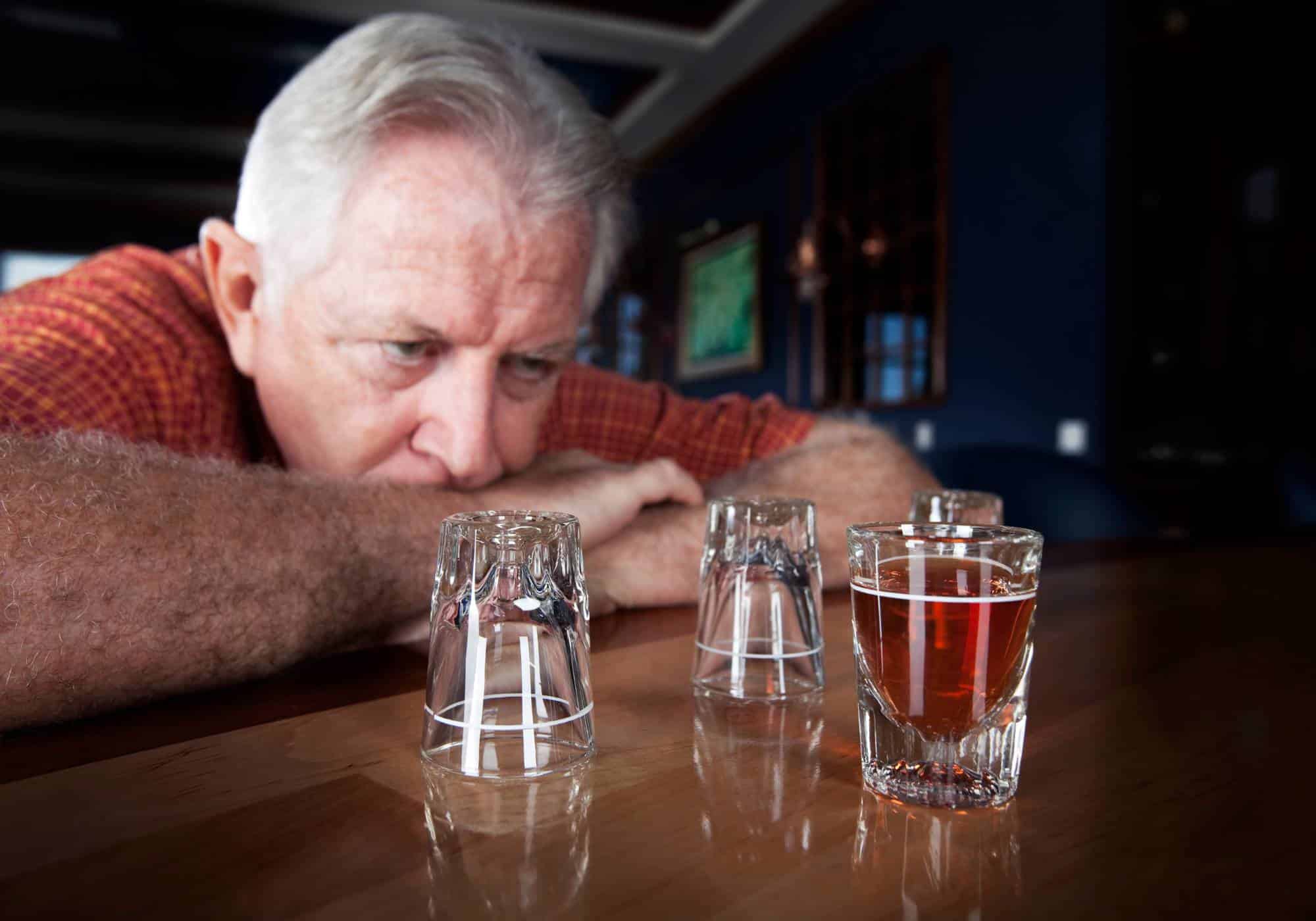
- Combining trazodone with alcohol or consuming it alongside other depressants like benzodiazepines or opioids.
The risk of addiction increases when trazodone is used in combination with these substances, potentially leading to a higher tolerance and the need for larger doses to achieve the same effects or manage depression symptoms.
The Risks of Mixing Trazodone with Alcohol
Combining trazodone with alcohol is particularly dangerous. Alcohol intensifies trazodone’s sedative effects, increasing symptoms such as drowsiness, dizziness, and impaired concentration. It also exacerbates the drug’s impact on cognitive functions, leading to worsened judgment and thinking abilities.
Patients prescribed trazodone are strongly advised against consuming alcohol due to the severe risk of adverse side effects and dangerous interactions. This combination can dramatically increase the likelihood of severe complications, underscoring the importance of adhering to medical advice when taking trazodone.
Side Effects of Trazodone
Trazodone, while commonly prescribed, comes with potential side effects. These vary from mild discomforts to severe health risks that may necessitate urgent medical care.
Common side effects of trazodone include:
- Constipation
- Diarrhea
- Dry eyes and mouth
- Fatigue
- Muscle pains
- Memory challenges
- Nausea
- Ringing in the ears
- Sleep disturbances
- Blurred vision
- Nervousness
- Numbness
- Confusion
Less common, but more severe side effects might include:
- Chest pain
- Difficulty breathing
- Erectile dysfunction
- Fainting
- Severe headaches
- Lightheadedness
- Panic attacks
- Skin rashes
- Seizures
- Excessive sweating
These serious conditions require immediate medical intervention. If you experience any severe reactions while on trazodone, prompt medical attention is essential.
Trazodone Withdrawal Symptoms
Withdrawal from trazodone can occur due to physical dependence, rather than addiction alone. Reducing or stopping the intake of trazodone can trigger withdrawal symptoms as the body adapts to the absence of the drug.
Symptoms of trazodone withdrawal include:
- Nausea and stomach aches
- Dizziness and vertigo
- Insomnia and fatigue
- Suicidal thoughts
- Difficulty concentrating
- Headaches
- Excessive sweating
- Muscle pains and chills
- Irritability
- Sensations resembling electrical jolts in the brain
- Anxiety and depression
- Tightness in the chest
These symptoms underline the need for medical oversight when changing or discontinuing trazodone treatment.
Trazodone Overdose Symptoms
An overdose of trazodone is dangerous, potentially leading to serotonin syndrome, which is characterized by an excessive accumulation of serotonin in the body.
Symptoms of serotonin syndrome include:
- Agitation or restlessness
- Muscle twitching
- Confusion
- Rapid heart rate and high blood pressure
- Diarrhea
- Shivering and goosebumps
Severe symptoms requiring emergency intervention include:
- High fever
- Seizures
- Irregular heartbeat
- Unconsciousness
The risk of overdose increases significantly when trazodone is combined with substances like alcohol, barbiturates, or sedatives such as Valium, enhancing the potential for life-threatening reactions. To minimize risk, patients are advised to avoid alcohol while taking trazodone.

Trazodone Addiction Treatment at Hope Harbor Wellness
Located in the serene suburbs of Atlanta, Hope Harbor Wellness is your ally in the fight against trazodone addiction in Atlanta. Our drug rehab center, dedicated to holistic recovery, is ideally situated to offer you the support you need.
Our compassionate outpatient program offers top-tier outpatient trazodone detox, ensuring a safe and effective detox process. Once free from addictive substances, you can seamlessly transition into one of our specialized outpatient treatment programs at Hope Harbor Wellness, designed to address substance use disorders:
- Outpatient Rehab: A flexible program tailored to fit into your daily life.
- PHP (Partial Hospitalization Program): Offers a structured yet non-residential approach to treatment.
- IOP (Intensive Outpatient Program): Provides more intensive care while allowing you to maintain daily responsibilities.
- Dual Diagnosis Treatment Program: Caters to those with co-occurring mental health disorders.
Our trazodone addiction treatment programs incorporate a variety of interventions:
- MAT (Medication-Assisted Treatment): Utilizes medications to ease withdrawal symptoms and cravings.
- Psychotherapy (CBT and DBT): Addresses underlying psychological aspects of addiction.
- Group Therapy: Offers peer support and shared learning experiences.
- Individual Therapy: Provides personalized guidance and support.
- Family Therapy: Helps heal and strengthen family relationships.
- Holistic Therapies: Focuses on overall well-being, including physical, emotional, and spiritual health.
- Aftercare: Ensures ongoing support post-treatment.
Embark on your journey from addiction to recovery with Hope Harbor Wellness. Trust in our dedicated team to guide you every step of the way. For more information on trazodone addiction treatment in Atlanta, GA or to start your journey, call our admissions team at 770-573-9546 or fill out our online contact form.