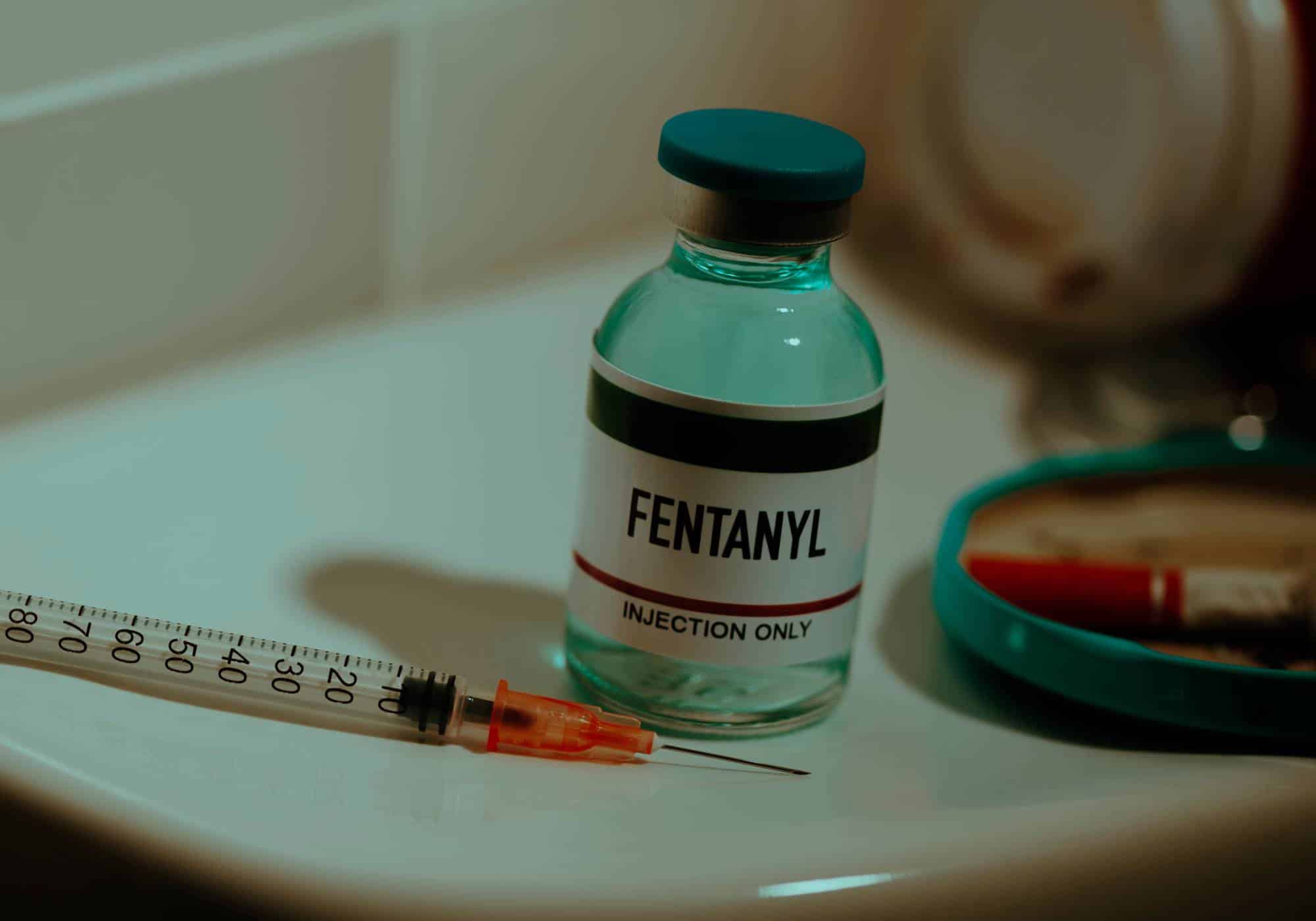


Many people who use cocaine do not consider themselves at risk for an opioid overdose. That is exactly why fentanyl-laced cocaine is so dangerous. When fentanyl is present, even in small amounts, it can slow or stop breathing, and an overdose can happen quickly.
If you or someone you love is worried about fentanyl exposure, Hope Harbor Wellness provides support through fentanyl addiction treatment and opioid addiction treatment, with therapy, structured programming, and medication support when appropriate.
If you want to talk with someone today, contact us at 770-573-9546 or fill out our online contact form.
If This Is An Emergency
If someone is unresponsive, breathing very slowly, making gurgling sounds, or cannot be woken up, call 911 immediately. These can be signs of an opioid overdose, even if the person thought they only used cocaine.
If naloxone (Narcan) is available, give it right away and call 911. For step-by-step instructions, read how to use Narcan for opioid overdose.
What Does “Fentanyl-Laced Cocaine” Mean
“Fentanyl-laced cocaine” means fentanyl is present in a cocaine supply, often without the person knowing. Sometimes fentanyl is mixed in. Other times, it may be cross-contamination from shared equipment. Either way, the risk is the same: fentanyl is an opioid that can suppress breathing.
For a broader overview of contamination across substances, see laced drugs.
Why Fentanyl In Cocaine Is So Dangerous
Cocaine is a stimulant and fentanyl is an opioid. That combination can be unpredictable. Stimulant effects may mask sedation early on, and an overdose can still occur as fentanyl takes effect. Risk can increase when someone uses alone, has lower opioid tolerance, or uses a stronger batch than expected.
If you are seeing signs of dependence or repeated use, this can also be part of a broader substance use pattern like polysubstance abuse.
Signs Someone May Have Been Exposed To Fentanyl
Fentanyl exposure may look different than a typical stimulant reaction.
Watch for:
- Very slow or shallow breathing
- Extreme drowsiness or “nodding off”
- Pinpoint pupils
- Blue or gray lips or fingernails
- Confusion, collapse, or inability to wake up
If any of these signs are present, treat it as an emergency and follow the guidance in opioid overdose.
What To Do If You Suspect An Overdose
If you suspect an overdose, take action immediately:
- Call 911
- Give naloxone if available
- Stay with the person and monitor breathing
- If trained and advised by emergency dispatch, provide rescue breathing or CPR
For clear, step-by-step guidance, use how to use Narcan for opioid overdose.
How Long Do Overdose Risks Last
Overdose risk can persist as long as opioids are active in the body, and it can return if the naloxone wears off before the opioid does. That is why emergency medical care is still necessary, even when someone wakes up after naloxone.
If you want fentanyl-specific context, you can also review how long fentanyl stays in your system.
How Fentanyl And Xylazine Can Increase Risk
In some drug supplies, fentanyl may appear alongside other substances. Xylazine (sometimes called “tranq”) is not an opioid, and it may not respond to naloxone. If you want to understand that risk more clearly, read fentanyl and xylazine and what is tranq.
Treatment Options If Cocaine Use Has Become Hard To Stop
If cocaine use is ongoing, or if fentanyl exposure is a concern, support matters. Effective treatment usually combines medical stabilization when needed, therapy, and a step-down plan that supports real-life recovery.
Medically Supported Detox
Detox can help stabilize symptoms, reduce immediate risk, and connect you to the next level of care. If you are considering starting with medical support, explore drug detox.
Medication Assisted Treatment
If opioid exposure is part of the picture, medication assisted treatment (MAT) may help reduce cravings and relapse risk for opioid use disorder, even if opioid use was not intentional.
Structured Levels Of Care
Many people do best with structured support, such as partial hospitalization program (PHP) or intensive outpatient program (IOP), followed by continued outpatient care.
How Hope Harbor Wellness Can Help
Hope Harbor Wellness supports people across substance use and mental health needs, including fentanyl exposure concerns and stimulant use. If you are unsure what level of care is right, our admission process explains what to expect and how we help you take the next step.
For a private conversation about options, contact us today at 770-573-9546 or fill out our online contact form.
Frequently Asked Questions
Can cocaine be laced with fentanyl
Yes. Fentanyl can appear in cocaine supplies, sometimes from mixing and sometimes from cross-contamination. Either way, overdose risk can increase quickly.
What are the signs of a fentanyl overdose
Common signs include very slow or stopped breathing, inability to wake up, blue or gray lips or nails, and pinpoint pupils. If you suspect overdose, call 911 immediately and give naloxone if available.
Does Narcan work if fentanyl is involved
Naloxone can reverse opioid overdose, and fentanyl is an opioid. Some situations may require additional doses and emergency monitoring. Always call 911.
What if naloxone does not wake someone up
Continue to call 911 and follow emergency instructions. If xylazine or other non-opioids are involved, naloxone may not fully reverse all effects, but it should still be given if opioid overdose is suspected.
What treatment helps after fentanyl exposure
Many people benefit from a plan that includes therapy and medical support, such as medication assisted treatment (MAT), plus structured care like PHP or IOP when appropriate.
Additional Resources
- Overdose signs and urgent steps: opioid overdose
- Naloxone instructions: how to use Narcan for opioid overdose
- Contamination overview: laced drugs
- Tranq risk education: fentanyl and xylazine
- Street terms and safety context: fentanyl street names
If you are ready to get real support, contact us today at 770-573-9546 or fill out our online contact form.