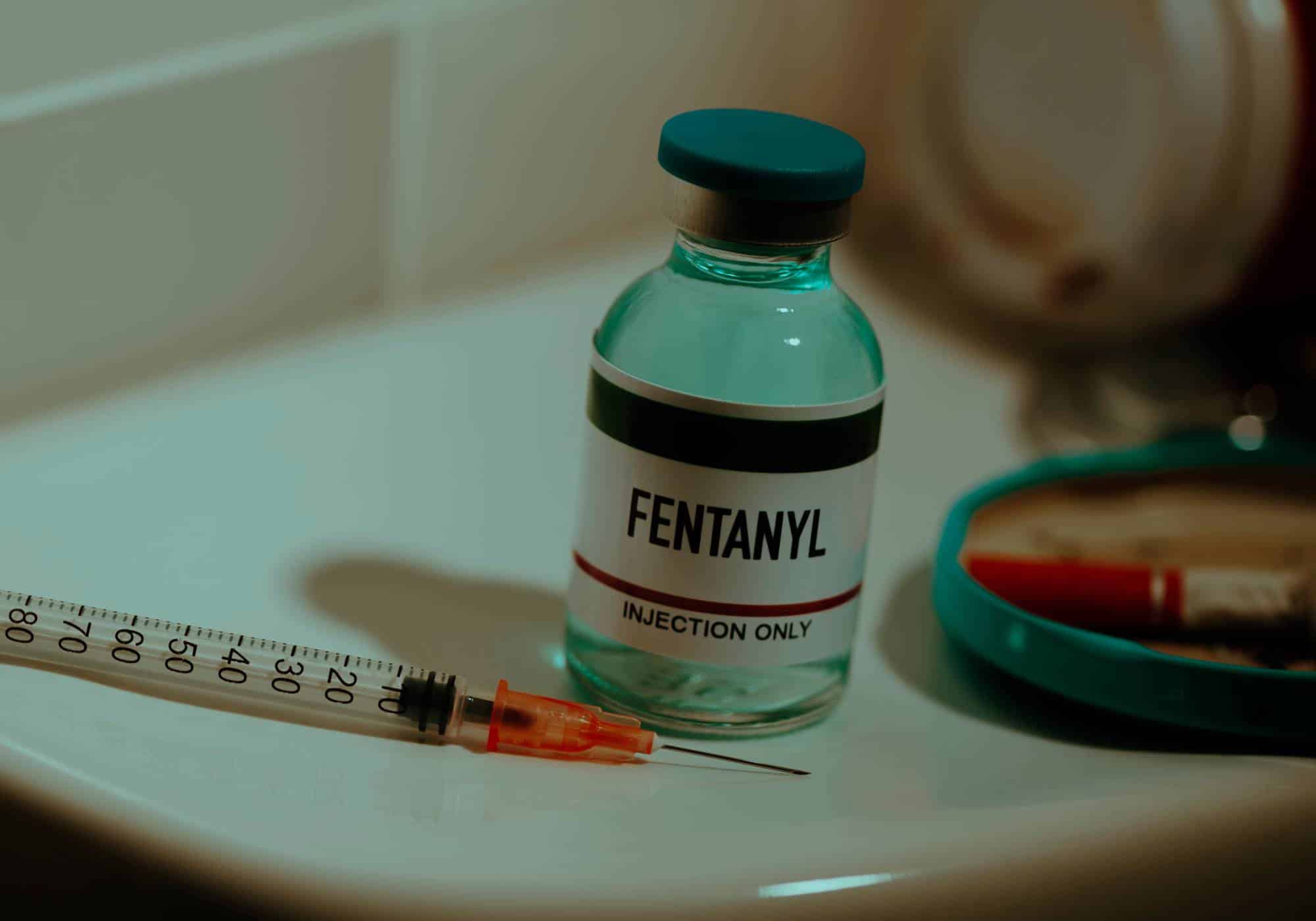


Fentanyl is a powerful opioid medication widely prescribed for managing severe pain. Despite its medical benefits, fentanyl is frequently misused recreationally due to its highly addictive nature. If you or a loved one has used fentanyl recently or are contemplating its use, understanding how long fentanyl stays in your system is crucial for health, legal, and recovery considerations. This comprehensive guide from Hope Harbor Wellness in Atlanta, GA, delves into the detection times, factors influencing fentanyl’s presence in the body, and essential steps for safe detox and recovery.
How Long Does Fentanyl Stay in Your System?
The duration fentanyl remains detectable in your system varies based on the type of drug test employed.
Generally, fentanyl detection times are as follows:
- Urine Tests: Detectable from 1 to 2 hours after use, and up to 24 to 72 hours depending on dosage and frequency.
- Blood Tests: Detectable within minutes to hours after use, remaining for up to 12 hours or more.
- Hair Tests: Can trace fentanyl use for up to 90 days or more, contingent on hair length.
- Saliva Tests: Detectable for 1 to 4 days after use.
Understanding these timelines can help individuals make informed decisions about seeking treatment and managing potential legal implications.

What Factors Influence How Long Fentanyl Stays in Your System?
Several variables determine the length of time fentanyl remains in your body:
Dosage and Frequency
Higher doses and more frequent use result in longer detection times as the body needs more time to eliminate larger amounts of the drug.
Metabolism
Individuals with faster metabolisms process and eliminate fentanyl more quickly than those with slower metabolic rates.
Age and Health
Older adults or those with compromised liver or kidney function may metabolize fentanyl more slowly, prolonging its presence in the system.
Body Composition
Fentanyl is lipid-soluble, meaning it can be stored in fatty tissues and released slowly, especially in individuals with higher body fat percentages.
Drug Formulation
The method of fentanyl administration affects how long it stays in the system. For instance, transdermal patches release the drug gradually over time, extending its detectable presence.
Hydration and Diet
Proper hydration and nutrition support the body’s ability to process and eliminate fentanyl efficiently.
Other Medications
Interactions with other drugs can either slow down or speed up fentanyl metabolism, influencing how long it remains detectable.
These factors collectively determine the how long fentanyl stays in your body and influence the overall detox and recovery process.
How Long Does Fentanyl Stay in Your Body?
The duration fentanyl stays in your body is influenced by several factors, including the drug’s half-life and metabolism.
The Half-life of Fentanyl
The half-life of a drug is the time it takes for half of the drug to be eliminated from the body. For fentanyl, the half-life typically ranges between three to seven hours.
However, the administration method affects this:
- Intravenous (IV): Half-life of 2 to 4 hours.
- Transdermal Patches: Half-life of about 17 hours.
- Transmucosal (Nose or Mouth): Half-life of 5 to 14 hours.
The Metabolism of Fentanyl
Metabolism involves breaking down fentanyl within the body for elimination.
Factors affecting fentanyl metabolism include:
- Age and Gender
- Genetics
- Body Mass and Fat Percentage
- Hydration Levels
- Liver Function
- Dosage and Frequency of Use
- Concurrent Use of Other Substances
Even after the immediate effects of fentanyl wear off, its metabolites can linger, making it detectable in various drug tests.
Will Fentanyl Show Up on a Drug Test?
While fentanyl is a potent opioid, it is not typically included in standard drug screenings, which generally test for opioids that metabolize into morphine. Since fentanyl does not metabolize into morphine, standard tests may not detect it.
However, specialized or advanced drug tests can identify fentanyl through:
- Urine Tests: Detectable for 8 to 24 hours.
- Blood Tests: Detectable for up to 12 hours.
- Saliva Tests: Detectable for 1 to 3 days.
- Hair Tests: Detectable for up to 90 days.
If fentanyl detection is necessary, such as for legal reasons or treatment programs, specialized testing should be conducted.
How Long Does Fentanyl Stay in Your Blood?
Blood tests are among the least effective methods for long-term fentanyl detection. Fentanyl remains detectable in the bloodstream for up to 12 hours. Despite its brief presence in blood, the severe side effects of fentanyl, including addiction and overdose risks, can have lasting impacts on an individual’s health and well-being.
How Long Does Fentanyl Stay in Your Urine?
In advanced urine drug tests, fentanyl can be detected for 8 to 24 hours after use. Factors such as age, weight, and overall health influence this timeframe. While standard urine tests may not identify fentanyl after a day, other testing methods can still detect its presence, underscoring the importance of comprehensive testing for accurate detection.
How Long Does Fentanyl Stay in Your Hair?
Hair drug testing provides one of the longest detection windows for fentanyl, capable of identifying its use for up to 90 days. Due to the slow growth of hair, this method effectively records long-term drug use patterns, making it a reliable option for monitoring fentanyl abuse over extended periods.
How Long Does Fentanyl Stay in Your Saliva?
Saliva tests are gaining popularity for their accuracy and non-invasive nature. Fentanyl can be detected in saliva for 1 to 4 days after use. This method is useful for recent drug use detection and can be employed in various settings, including clinical and legal environments.
How Long Do the Effects of Fentanyl Last?
The duration of fentanyl’s effects varies based on the administration method and individual factors:
- Intravenous (IV) Use: Effects are immediate and last for a few minutes to an hour, suitable for acute pain management.
- Transdermal Patches: Provide a steady release of fentanyl over approximately 72 hours, offering long-term pain relief for chronic conditions.
- Oral or Sublingual Forms: Effects last from 30 minutes to a few hours, ideal for breakthrough pain.
- Nasal Sprays: Produce effects within minutes, lasting about 1 to 2 hours for rapid pain relief.
Understanding these durations helps in managing pain treatment effectively and recognizing the potential for misuse.
How to Safely Detox from Fentanyl
Detoxifying from fentanyl requires careful management to ensure safety and effectiveness. The primary method is to stop taking fentanyl, allowing the body to metabolize and eliminate the drug naturally. If you suspect an overdose or need immediate assistance, seek medical attention promptly.
Signs of a fentanyl overdose include:
- Dizziness
- Confusion
- Body weakness
- Excessive sleepiness
- Hypoventilation (slow breathing)
- Blue-colored lips and fingernails
- Unconsciousness or coma
Fentanyl overdoses can be fatal, making it critical to call 911 and administer naloxone if available.
Consulting a healthcare professional is essential for a safe detox process. Medical supervision may involve prescribing medications to ease withdrawal symptoms and prevent relapse, along with enrolling in a medically supervised detox program if necessary.
What Are the Withdrawal Symptoms of Fentanyl Addiction?
Withdrawal from fentanyl can be challenging due to the drug’s potent addictive properties.
Common fentanyl withdrawal symptoms include:
Physical Symptoms:
- Muscle aches
- Sweating
- Runny nose
- Yawning
- Abdominal cramps
- Diarrhea
Psychological Symptoms:
- Anxiety
- Depression
- Irritability
- Insomnia
- Cravings for fentanyl
Recognizing these symptoms is crucial for seeking timely treatment and support, which can significantly improve the chances of successful recovery.
Are You Addicted to Fentanyl?
If you’re questioning how long fentanyl stays in your system, it might indicate a struggle with addiction. Recognizing the signs of fentanyl addiction is vital for early intervention and effective treatment.
Signs of fentanyl addiction include:
- Physical Dependence: Developing tolerance and experiencing withdrawal symptoms upon discontinuation.
- Compulsive Drug Seeking: Persistent cravings and efforts to obtain and use fentanyl despite adverse consequences.
- Social and Occupational Impairment: Neglecting personal and professional responsibilities due to fentanyl use.
- Loss of Control: Inability to control fentanyl use despite awareness of its negative impact.
- Financial Strain: Financial difficulties resulting from excessive spending on fentanyl or neglecting financial responsibilities.
- Isolation: Withdrawing from social activities and relationships to prioritize fentanyl use.
- Physical Health Decline: Deteriorating health, including respiratory issues and organ damage, due to fentanyl abuse.
- Psychological Symptoms: Anxiety, depression, paranoia, or psychosis stemming from fentanyl misuse.
Acknowledging these signs is the first step toward seeking help and beginning the journey to recovery.
The Risks of Fentanyl Use and Overdose
While fentanyl can be an effective pain reliever when used correctly, its misuse poses significant risks:
Short-Term Effects
- Drowsiness
- Confusion
- Slowed or stopped breathing
- Coma
- Dependence and addiction
Long-Term Effects
- Respiratory depression
- Organ damage
- Severe addiction
- Increased risk of overdose and death
Understanding these risks underscores the importance of using fentanyl only as prescribed and seeking help if misuse occurs.

Recognizing and Responding to Fentanyl Overdose
A fentanyl overdose is a medical emergency requiring immediate intervention.
Signs of a fentanyl overdose include:
- Pinpoint pupils
- Slowed or stopped breathing
- Unresponsiveness
- Loss of consciousness
If you suspect someone is overdosing on fentanyl, call emergency services immediately. Providing first aid, such as rescue breathing or administering naloxone (if available), can be life-saving measures.
Fentanyl Addiction Treatment in Atlanta
Hope Harbor Wellness in Atlanta, GA, offers specialized programs designed to address the complex challenges of fentanyl addiction.
Our comprehensive approach includes:
- Medical Detoxification: Safely removing fentanyl from the body under medical supervision.
- Evidence-Based Therapies: Utilizing proven therapeutic methods to address addiction.
- Personalized Treatment Plans: Tailoring programs to meet individual needs for effective recovery.
- Holistic Practices: Incorporating holistic approaches to support overall well-being.
- Supportive Counseling: Providing emotional and psychological support throughout the recovery journey.
- Aftercare Planning: Ensuring long-term success with ongoing support and resources.
Our dedicated team focuses on both the physical and psychological aspects of recovery, creating a safe and supportive environment for individuals to overcome fentanyl dependence. Contact Hope Harbor Wellness 770-573-9546 or fill out our online contact form today to begin your path to an addiction-free life.
If you or someone you know is struggling with fentanyl addiction in Atlanta, GA, Hope Harbor Wellness is here to help. Our expert team provides compassionate care and comprehensive treatment programs to support you on your journey to recovery. Reach out today 770-573-9546 or fill out our online contact form to take the first step toward a healthier, addiction-free life.