

Understanding the distinctions between EtOH abuse and alcohol abuse is essential for recognizing the signs of addiction and seeking appropriate treatment. At Hope Harbor Wellness, we know that clarity on this topic can make a significant difference in a person’s recovery journey. This article delves into the differences between these two terms, how they manifest, and why seeking help is crucial for long-term health and wellness.
What Is EtOH Abuse?
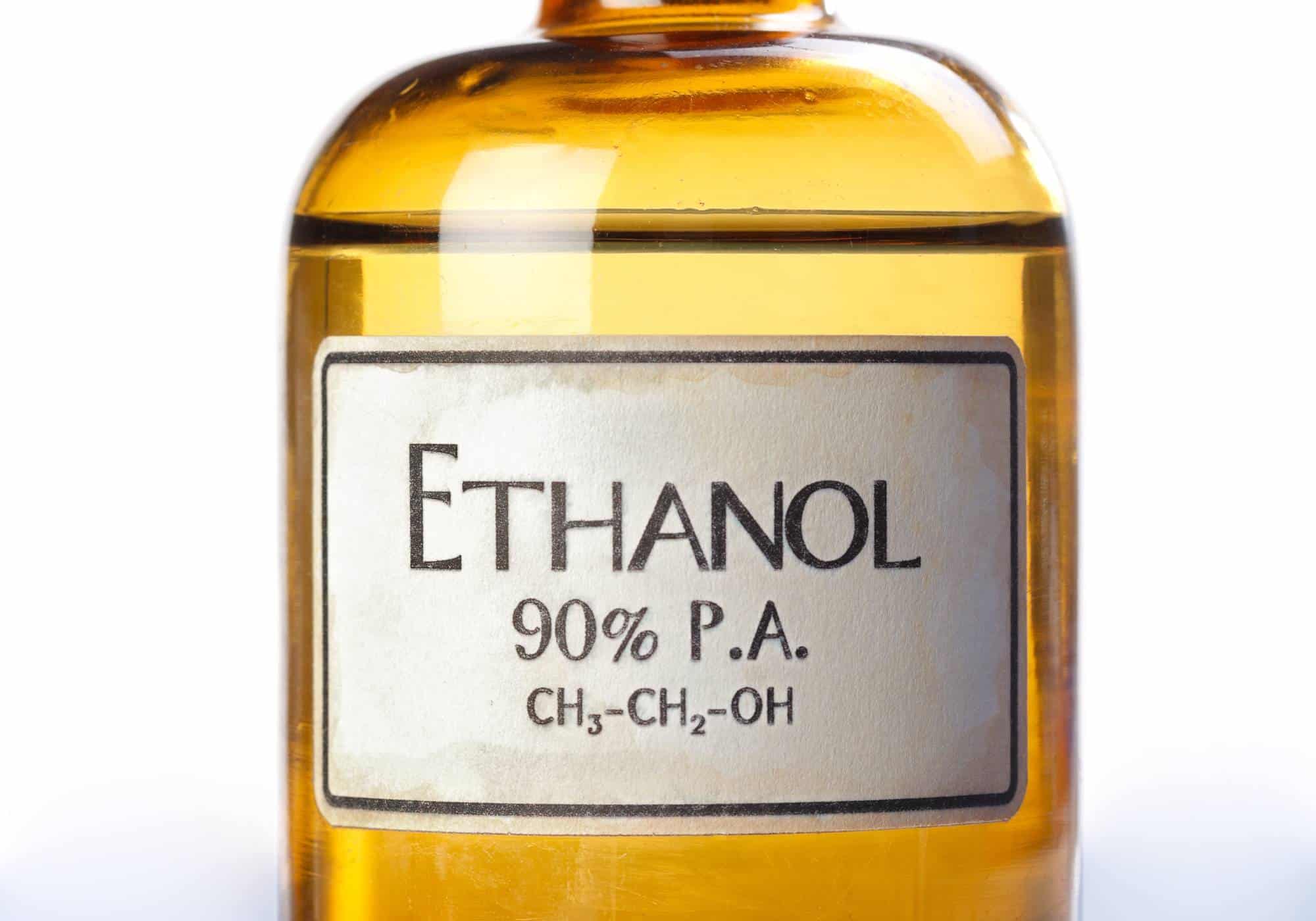
EtOH, short for ethyl alcohol, is the active ingredient in alcoholic beverages. EtOH abuse refers to the excessive consumption of alcohol that leads to negative consequences, whether occasional binge drinking or more frequent patterns of misuse.
Key Signs of EtOH Abuse:
- Frequent binge drinking episodes.
- Consuming alcohol in risky situations, such as before driving.
- Continued drinking despite adverse effects on relationships, work, or health.
- Experiencing legal or social problems due to drinking.
While EtOH abuse does not necessarily include physical dependence, it poses significant risks. It may manifest as heavy drinking in social settings or using alcohol as a coping mechanism for stress or negative emotions.
What Is Alcohol Abuse?
Alcohol abuse often serves as an umbrella term that includes a range of problematic drinking behaviors, from binge drinking to alcohol dependence. When alcohol abuse escalates, it may develop into Alcohol Use Disorder (AUD)—a severe condition characterized by addiction and physical dependence.
Signs of Alcoholism or AUD:
- Increased tolerance, requiring more alcohol to achieve the same effects.
- Experiencing withdrawal symptoms like sweating, nausea, or shakiness when not drinking.
- Unsuccessful attempts to reduce or stop drinking.
- Spending excessive time obtaining, consuming, or recovering from alcohol.
- Neglecting responsibilities or relationships due to drinking.
Alcoholism involves both psychological and physical dependence, making it difficult for individuals to quit without professional intervention. It is a chronic condition that often requires medical treatment and ongoing support.
EtOH Abuse vs. Alcoholism: What’s the Difference?
The primary difference between EtOH abuse and alcoholism lies in the level of physical dependence and control over drinking behaviors.
- Control Over Drinking:
- In EtOH abuse, individuals may drink excessively but retain some ability to moderate their consumption.
- In alcoholism, individuals experience an overwhelming compulsion to drink and struggle to stop even when they want to.
- Physical Dependence:
- EtOH abuse does not always lead to physical dependence. Episodes of heavy drinking may occur sporadically.
- Alcoholism includes both physical and psychological addiction. Withdrawal symptoms are common when alcohol is unavailable.
- Progression:
- EtOH abuse can often precede alcoholism. Repeated patterns of heavy drinking can lead to tolerance and dependence, gradually evolving into full-blown AUD.
Understanding these distinctions can help individuals and their loved ones identify the severity of the problem and take appropriate steps toward recovery.
Symptoms and Examples of EtOH Abuse
Recognizing the symptoms of EtOH abuse is the first step in addressing the issue. Common physical and behavioral signs include:
Physical Symptoms:
- Blacking out or experiencing memory gaps after drinking.
- Difficulty concentrating or making decisions.
- Slurred speech and slowed reflexes.
- Frequent hangovers and difficulty controlling motor movements.
Behavioral Examples:
- Drinking while pregnant.
- Consistently drinking more or longer than intended.
- Using alcohol to cope with stress or difficult emotions.
- Driving or participating in risky activities while intoxicated.
- Continuing to drink despite negative impacts on work, school, or relationships.
EtOH abuse can have immediate consequences, such as accidents or legal issues, and long-term effects that significantly impact health and quality of life.
Diagnosing EtOH Abuse and Alcoholism
Diagnosing alcohol-related issues, including EtOH abuse and AUD, involves assessing drinking patterns and their impact on daily life.
Definitions of excessive drinking differ based on gender:
- Men: Heavy drinking is defined as consuming more than four drinks per day or 14 drinks per week. Binge drinking is five or more drinks in two hours.
- Women: Heavy drinking is consuming more than three drinks per day or seven drinks per week. Binge drinking is four or more drinks in two hours.
For a clinical diagnosis of AUD, an individual must meet at least two of the following 11 criteria within the past year:
- Drinking more or longer than intended.
- Unsuccessful attempts to cut back or stop drinking.
- Spending significant time drinking or recovering from its effects.
- Craving alcohol.
- Struggling to meet responsibilities due to drinking.
- Continuing to drink despite social or relationship problems.
- Losing interest in hobbies or activities.
- Using alcohol in risky situations.
- Developing a tolerance to alcohol.
- Experiencing withdrawal symptoms when not drinking.
- Drinking despite physical or psychological problems.
AUD is categorized as:
- Mild: Two to three symptoms.
- Moderate: Four to five symptoms.
- Severe: Six or more symptoms.
Long-Term Health Effects of EtOH Abuse
Chronic alcohol misuse, whether categorized as EtOH abuse or alcoholism, can lead to severe and lasting health issues:
- Brain Damage: Excessive drinking can permanently alter brain structure, leading to impaired decision-making, mood swings, and difficulty with motor skills.
- Heart Disease: Heavy drinking weakens the heart, increasing the risk of stroke, high blood pressure, and irregular heartbeat.
- Cancer: Alcohol consumption is linked to cancers of the liver, throat, mouth, and pancreas.
- Liver Damage: Long-term drinking can result in irreversible liver diseases like cirrhosis.
- Weakened Immune System: Chronic alcohol use reduces the body’s ability to fight infections, leaving individuals more susceptible to illness.
These health risks emphasize the importance of addressing alcohol misuse early through professional intervention.

Why Alcohol Addiction Treatment Is Crucial
Whether dealing with EtOH abuse or full-blown alcoholism, seeking professional help is essential for achieving and maintaining sobriety. At Hope Harbor Wellness, we offer comprehensive treatment programs tailored to each individual’s needs.
Here’s why treatment matters:
- Safe Detoxification: Alcohol withdrawal can be dangerous and should always be supervised by medical professionals. Our medically monitored detox programs provide a safe and supportive environment.
- Comprehensive Therapy: Addressing the root causes of addiction is critical for long-term recovery. Our therapy programs equip individuals with tools to manage cravings, triggers, and underlying mental health conditions.
- Structured Support: From residential treatment to outpatient programs, we provide a structured environment that fosters recovery at every stage.
- Ongoing Care: Recovery doesn’t end after treatment. Our aftercare programs and alumni support groups ensure clients have the resources they need to navigate life in sobriety.
Getting Help for Alcohol Addiction at Hope Harbor Wellness
Understanding the differences between EtOH abuse and alcoholism is a vital step in recognizing when professional help is needed. If you or a loved one is struggling with alcohol misuse, know that support is available. At Hope Harbor Wellness, our compassionate team is dedicated to providing personalized care for every client. Whether you’re facing early-stage EtOH abuse or severe AUD, we can guide you toward a healthier, sober future contact us today at 770-573-9546 or fill out our online contact form.