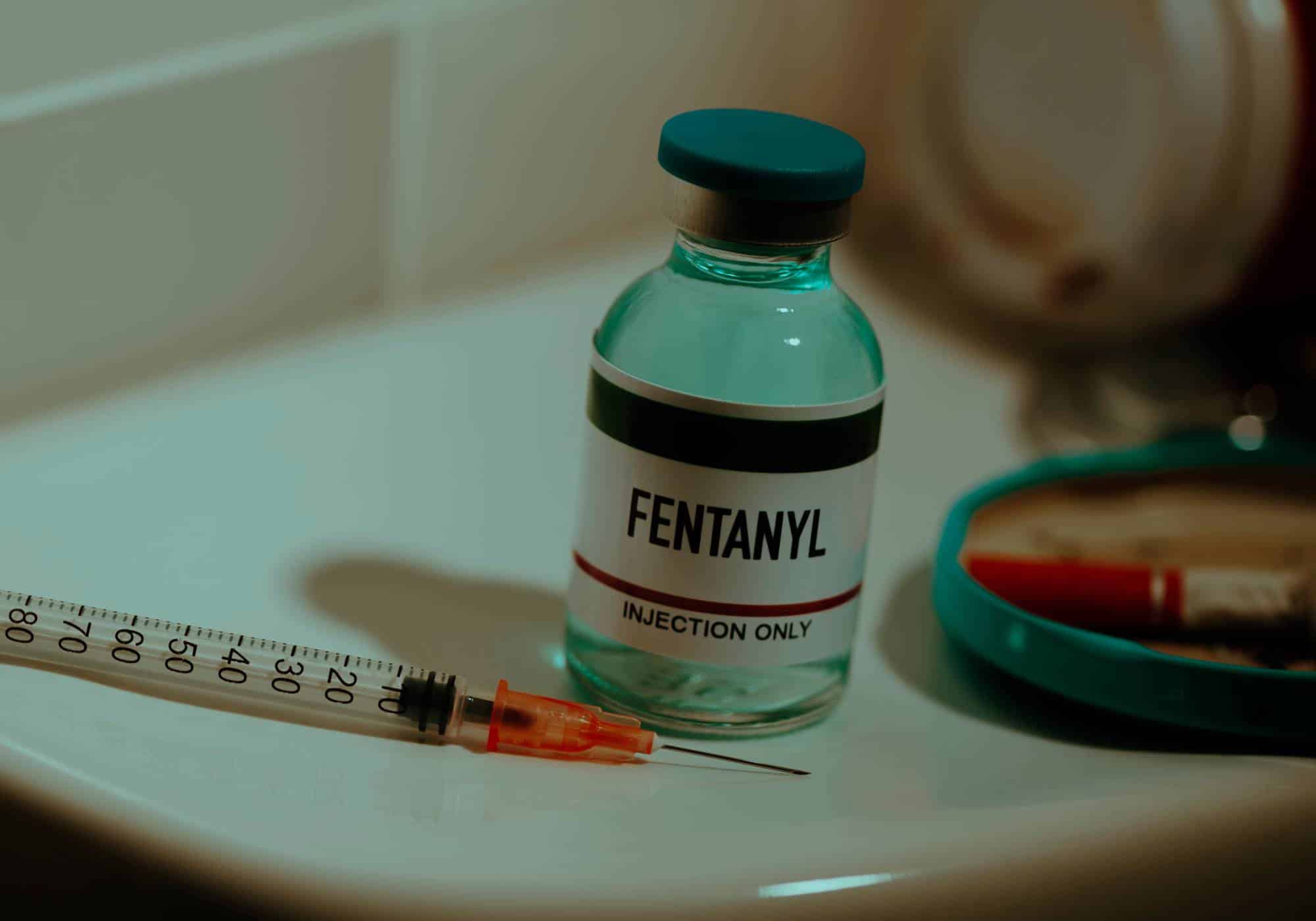


Fentanyl is an incredibly potent synthetic opioid, often prescribed by doctors to manage severe pain. However, fentanyl has increasingly found its way into illegal street drugs, frequently mixed with substances like heroin, cocaine, and meth. It’s also commonly added to counterfeit pills made to resemble prescription medications. This illicit form of fentanyl has contributed to the alarming rise in overdose deaths in the United States, as it is significantly more potent than heroin and up to 100 times stronger than morphine. Even a small amount can cause a deadly fentanyl overdose, making it highly dangerous.
Fentanyl can appear in various forms, including powder, liquid, or pressed into pills, which can be ingested by swallowing, snorting, or injecting. While you cannot overdose from simply touching fentanyl, any other form of exposure can lead to a overdose, emphasizing the importance of caution and awareness for those around it.
Signs of Fentanyl Overdose
Recognizing the signs of a fentanyl overdose can save a life.
Whether fentanyl is taken legally or illicitly, anyone around the user should be aware of these symptoms:
- Loss of consciousness
- Pinpoint pupils: Pupils that are unusually small and unresponsive to light
- Severely slowed breathing: Shallow, labored, or stopped breathing
- Choking or gurgling sounds: These sounds may indicate the person is struggling to breathe
- Bluish or ashen skin: In lighter skin tones, the skin may appear blue, while in darker skin tones, it may appear gray or ashen
- Limp body: Arms and legs may become floppy and unresponsive
- Slow or irregular pulse
If you notice any of these signs, it’s crucial to act quickly and call emergency services right away. Fentanyl overdoses can be deadly in minutes.
Symptoms of Fentanyl Overdose
Due to fentanyl’s extreme potency, even a small amount can overwhelm the body’s respiratory system, causing dangerously slowed or stopped breathing. When a person experiences a fentanyl overdose, their brain receives less oxygen, leading to a state called hypoxia. Hypoxia can cause permanent brain damage and death if not addressed immediately.
Common symptoms of a fentanyl overdose include:
- Severe drowsiness or unconsciousness
- Slow, shallow breathing or complete respiratory arrest
- Pale, cold, and clammy skin
- Blue or purple lips, nails, and skin
- Inability to speak or respond
- Vomiting or making choking sounds
Fentanyl overdoses are medical emergencies, and immediate action is essential. Call 911 if you suspect an overdose, even if you aren’t sure.
Fentanyl Poisoning
Fentanyl poisoning occurs when someone is exposed to a toxic level of fentanyl, either through ingestion, inhalation, or skin contact. Due to its high potency, even small amounts of fentanyl can cause poisoning. Symptoms often resemble those of an overdose, including respiratory distress and unconsciousness. Illicitly manufactured fentanyl is especially risky as it can be mixed with other substances without the user’s knowledge, leading to unintentional poisoning.

What to Do If Someone Is Experiencing a Fentanyl Overdose
Taking immediate action during a fentanyl overdose can save lives. Here’s what you should do if someone is experiencing a fentanyl overdose:
- Call 911: Inform the dispatcher that it is an opioid overdose so they can provide instructions and dispatch emergency responders quickly.
- Administer naloxone: If you have naloxone (Narcan), administer it as soon as possible. Given fentanyl’s potency, multiple doses may be needed.
- Keep the person awake and breathing: If they are conscious, engage them to keep them alert. If not, monitor their breathing.
- Turn them on their side: This can prevent choking if they vomit.
- Stay with them: Your presence can provide reassurance and enable you to update first responders upon arrival.
How Does a Fentanyl Overdose Happen?
The risk of fentanyl overdose is high due to the drug’s potency and its common presence in street drugs, often without the user’s knowledge.
Here are some key risk factors that contribute to fentanyl overdoses:
- Polydrug use: Combining fentanyl with other depressants, like alcohol or benzodiazepines, heightens the risk of severe respiratory depression.
- Misuse after abstinence: Individuals who return to using fentanyl after a period of not using it may have lowered tolerance, making an overdose more likely.
- Street drugs mixed with fentanyl: Many people unknowingly consume fentanyl when it’s mixed with other drugs, leading to unanticipated overdoses.
- Medical and mental health conditions: Issues such as liver disease, HIV, and mental health disorders can exacerbate the effects of fentanyl, increasing overdose risks.
Fentanyl Overdose Causes and Risk Factors
A fentanyl overdose can result from either intentional misuse or unintentional exposure to small amounts.
Risk factors for a fentanyl overdose include:
- Consuming heroin, cocaine, or meth: These substances are frequently laced with fentanyl.
- Taking opioids not prescribed: Misusing opioids increases the chances of encountering fentanyl.
- Higher doses and frequency: People who take more than prescribed doses are at higher risk.
- Injecting opioids: This method allows fentanyl to enter the bloodstream quickly, elevating overdose risk.
- Co-occurring conditions: Chronic health issues, particularly respiratory, liver, or heart conditions, heighten the risk of severe overdose symptoms.
By understanding these causes and signs, individuals can be better equipped to prevent fentanyl overdoses or respond effectively in emergencies.
Fentanyl Overdose Treatment at Hope Harbor Wellness
Located in the serene suburbs of Atlanta, Hope Harbor Wellness is your ally in the fight against heroin addiction in Atlanta, GA. Our fentanyl drug rehab centers, dedicated to holistic recovery, are ideally situated to offer you the support you need.
Our compassionate heroin outpatient program collaborates with top-tier medical fentanyl detox facilities, ensuring a safe and effective detox process. Once free from addictive substances, you can seamlessly transition into one of our specialized outpatient treatment programs at Hope Harbor Wellness, designed to address substance use disorders:
- Outpatient Rehab: A flexible program tailored to fit into your daily life.
- PHP (Partial Hospitalization Program): Offers a structured yet non-residential approach to treatment.
- IOP (Intensive Outpatient Program): Provides more intensive care while allowing you to maintain daily responsibilities.
- Dual Diagnosis Treatment Program: Caters to those with co-occurring mental health disorders.
Our fentanyl treatment programs incorporate a variety of interventions:
- MAT (Medication-Assisted Treatment): Utilizes medications to ease withdrawal symptoms and cravings.
- Psychotherapy (CBT and DBT): Addresses underlying psychological aspects of addiction.
- Group Therapy: Offers peer support and shared learning experiences.
- Individual Therapy: Provides personalized guidance and support.
- Family Therapy: Helps heal and strengthen family relationships.
- Holistic Therapies: Focuses on overall well-being, including physical, emotional, and spiritual health.
- Aftercare: Ensures ongoing support post-treatment.
Embark on your journey from fentanyl addiction to recovery with Hope Harbor Wellness. Trust in our dedicated team to guide you every step of the way. For more information or to start your journey, call our admissions team at 770-573-9546.