

Quick answer: Fentanyl and heroin are both opioids, but fentanyl is often far more potent and can raise overdose risk, especially when it is mixed into other drugs without someone knowing. If opioid use has started to feel out of control, Hope Harbor Wellness can help you understand your options through fentanyl addiction treatment, heroin addiction treatment, and opioid addiction treatment.
For a confidential conversation, contact us today at 770-573-9546 or fill out our online contact form.
Why People Compare Fentanyl And Heroin
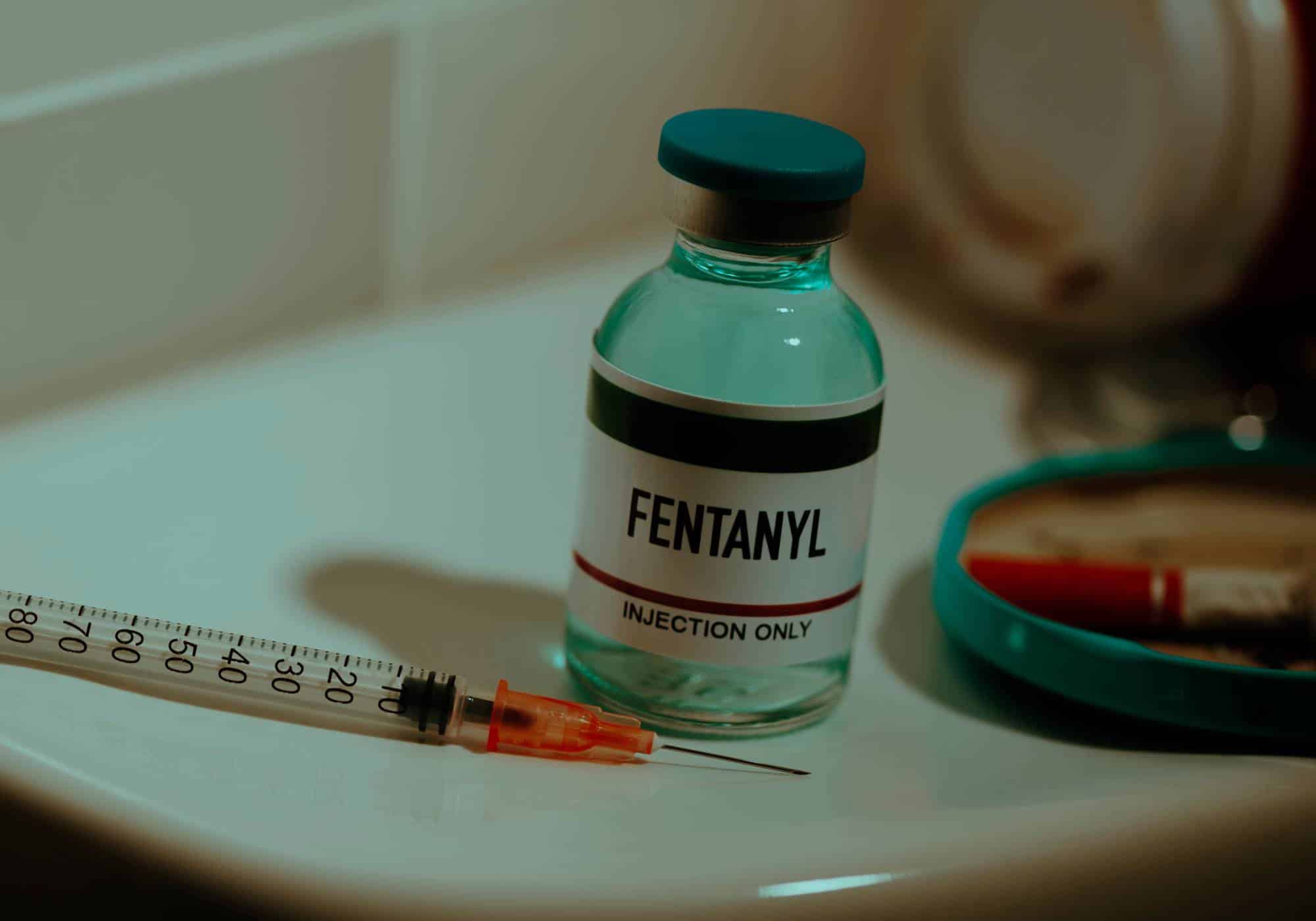
Many people search “fentanyl vs heroin” because the risks can look similar from the outside, but the real-world danger is often different. Heroin is an illicit opioid. Fentanyl can be prescribed for pain in medical settings, but illicit fentanyl is commonly involved in overdose deaths because it can be mixed into powders, pills, or other substances without clear warning.
If you want a deeper look at fentanyl and overdose risk, see fentanyl overdose and opioid overdose.
Fentanyl Vs Heroin: The Biggest Differences
While both are opioids, the most important differences tend to come down to potency, predictability, and how often people are exposed without realizing it.
| Category | Fentanyl | Heroin |
|---|---|---|
| Potency | Often much stronger, small amounts can be dangerous | Potency varies, but is typically less potent than fentanyl |
| Predictability | Illicit supply can be highly unpredictable | Also unpredictable, but fentanyl contamination increases risk |
| Overdose Risk | Higher risk, especially with unknown exposure | High risk, especially with fentanyl exposure or relapsing |
| Withdrawal | Can be intense, timing can vary by form and use | Can be intense, often feels flu-like with strong cravings |
How Fentanyl Shows Up In The Real World
Illicit fentanyl may appear as powder, be pressed into pills, or be mixed into other substances. This is one reason overdose risk is so high, someone may think they are using something else entirely.
If you are worried about fake pills, read Counterfeit Pills And Fentanyl: Risks, Warning Signs, And Treatment.
If you want practical harm reduction information, Fentanyl Test Strips: How They Work, Limitations, And Next Steps can help people understand what strips do and do not tell you.
How Heroin Use Can Become More Dangerous Today
One of the biggest dangers with heroin today is exposure to fentanyl, sometimes without the person realizing it. That unpredictability can increase overdose risk, especially after a period of sobriety or reduced tolerance.
If you want to understand specific high-risk scenarios, this article may help: Fentanyl-Laced Cocaine: Overdose Risks, Warning Signs, And Treatment Options In Georgia. Even if cocaine is not involved, the “laced supply” pattern is similar and relevant.
Fentanyl Vs Heroin Overdose Risk
Both fentanyl and heroin can slow breathing and lead to overdose. In general, fentanyl increases risk because it can be extremely potent in small amounts, and people may be exposed without knowing. Heroin overdose risk is also high, especially with mixing substances, using alone, or returning to use after a break.
If you are asking, “Will Narcan work,” read Does Narcan Work On Fentanyl? What To Know In An Overdose Emergency, and keep this guide bookmarked: How To Use Narcan For Opioid Overdose.
Fentanyl Vs Heroin Withdrawal: What People Often Experience
Withdrawal experiences vary, but both fentanyl and heroin withdrawal can feel intense and hard to manage alone. Common symptoms can include anxiety, insomnia, sweating, stomach upset, body aches, and strong cravings.
For fentanyl-specific information, see fentanyl withdrawal. For heroin-specific information, see heroin withdrawal.
What Treatment Options Help Most
The best treatment plan usually combines medical support, therapy, and a step-down level of care that fits your situation. If you are not sure where to start, you are not alone, and you do not have to figure it out by yourself.
Medical Detox And Stabilization
When withdrawal symptoms are severe or relapse risk is high, drug detox can help you stabilize safely and more comfortably, especially during the early days when cravings can spike.
Medication Assisted Treatment
medication assisted treatment (MAT) may help reduce cravings and lower overdose risk for opioid use disorder. MAT can be part of a long-term plan that supports real recovery, not a shortcut.
Therapy And Structured Support
Many people do best with structured programming and consistent support. Depending on your needs, that can include partial hospitalization program (PHP) or intensive outpatient program (IOP).
How Hope Harbor Wellness Can Help
If fentanyl or heroin is affecting your health, relationships, work, or safety, it may be time to talk with a clinical team. You can learn what the first step looks like through our admission process.
If you are ready to take the next step, contact us today at 770-573-9546 or fill out our online contact form.
Frequently Asked Questions
Is fentanyl stronger than heroin
Fentanyl is often much more potent than heroin, which means smaller amounts can carry a higher overdose risk. This is one reason fentanyl exposure can be so dangerous when it is unknown or unpredictable.
Can heroin contain fentanyl
Yes. In many areas, heroin may be contaminated or mixed with fentanyl, which can raise overdose risk and make the supply harder to predict.
Does Narcan work for fentanyl and heroin
Narcan can reverse opioid overdose, including overdoses involving fentanyl and heroin. For details, see Does Narcan Work On Fentanyl and How To Use Narcan For Opioid Overdose.
Which withdrawal is worse, fentanyl or heroin
Withdrawal severity varies by the person, the pattern of use, and overall health. Both can be intense. Getting clinical support can reduce discomfort and help lower relapse risk.
What treatment works best for fentanyl or heroin addiction
Many people do best with therapy plus medical support, often including medication assisted treatment (MAT), and structured programming like PHP or IOP when appropriate.
Additional Resources
- Fentanyl Addiction Treatment
- Heroin Addiction Treatment
- Opioid Addiction Treatment
- Fentanyl Overdose
- Opioid Overdose
- Fentanyl Test Strips
- Counterfeit Pills And Fentanyl
- Fentanyl Street Names
Want help choosing the right level of care, contact us today at 770-573-9546 or fill out our online contact form.