

For those grappling with meth abuse, the specter of meth overdose looms as a very real and immediate danger. Understanding the critical risks and knowing how to identify the signs of a methamphetamine overdose can be the difference between life and death for you or someone you care about. At Hope Harbor Wellness, we offer comprehensive outpatient drug addiction treatment designed to provide the crucial support and specialized care needed to navigate the complexities of meth addiction and achieve lasting sobriety in Atlanta, GA.
What Is a Crystal Meth Overdose?
A crystal meth overdose, often colloquially referred to as “overamping” by those who have experienced its terrifying effects, occurs when an individual consumes a dangerously high amount of methamphetamine. This powerful, highly addictive stimulant can propel the body and mind into a state of extreme toxicity, leading to severe, even fatal, consequences. It’s a sobering truth that anyone can overdose on meth, even after just one instance of using this potent drug. The United States is currently grappling with a significant and concerning surge in meth-related overdose deaths, underscoring the urgent need for awareness and effective intervention.
The term “overamping” is derived from the experiences of individuals who have survived a meth overdose. They often describe it not as an abrupt collapse, but as a terrifying progression where a series of side effects gradually intensify in severity, pushing the body and mind to their absolute limits. In these severe situations, meth overdose symptoms can rapidly become life-threatening, demanding immediate medical attention.
Meth Use Statistics: Understanding the Scope of the Crisis
The widespread impact of methamphetamine use is a national public health crisis. According to the National Institute on Drug Abuse, approximately 2.5 million people aged 12 and older reported using methamphetamine on an annual basis. It’s crucial to acknowledge that this figure likely represents only a fraction of the actual number, as it solely reflects individuals who self-reported their use. When accounting for other age groups, unreported cases, and the illicit nature of the drug, it is fair to assume that the true number of those affected by meth use is considerably larger. Furthermore, the statistics paint a grim picture regarding overdose fatalities: approximately 32,537 overdose deaths involving a stimulant (primarily methamphetamine) occurred in 2021 alone.
With these deeply concerning numbers in mind, it is clearer than ever that there is a dire and urgent need for effective meth addiction treatment options. If you or a loved one is struggling with meth abuse or grappling with the pervasive fear of a meth overdose, Hope Harbor Wellness is here to provide compassionate, evidence-based support.
How Do People Use Meth? Understanding Methods of Ingestion
Methamphetamine can be consumed in several ways, and the method of use can significantly influence the speed and intensity of the drug’s effects, as well as the immediate risks associated with it, including the likelihood of meth overdose. It is crucial to note that all methods of using meth carry significant health risks and heighten the danger of addiction.
Injecting Meth
Many individuals choose to use meth intravenously (IV). In its liquid form, the drug can be injected directly into a vein, or less commonly, intramuscularly or subcutaneously. This method delivers the drug directly into the bloodstream, producing an almost instantaneous and intensely powerful rush or high. However, this method of use also carries the absolute highest risk of meth overdose due to the rapid and uncontrolled absorption of a large dose. Beyond overdose, injecting meth presents several other severe health consequences, including the alarming risk of developing serious blood-borne diseases, such as HIV and Hepatitis C, through the sharing of contaminated needles. It can also lead to collapsed veins, abscesses, and other severe infections.
Smoking Meth
For some, their preferred method of meth use is smoking it. This substance is typically heated and inhaled using a glass crystal meth pipe or a makeshift device. While smoking can produce a fast onset and a longer-lasting high compared to snorting, it also comes with its own array of severe health risks. Smoking meth can lead to serious and irreversible lung damage, chronic breathing complications, and severe respiratory issues, including “meth mouth” which devastates teeth and gums. These problems can be exceedingly difficult to treat and can profoundly decrease an individual’s quality of life, often leading to chronic pain and disability.
Snorting Meth
Methamphetamine can sometimes be found in the form of a crystalline powder. This can be crushed further and then snorted through the nose, offering a relatively quick and intense onset of the drug’s effects as it is absorbed through the nasal mucous membranes. Over time, however, repeatedly snorting this corrosive drug can do severe and lasting damage to the individual’s nasal passages, leading to chronic nosebleeds, perforated septums, sinusitis, and a diminished sense of smell. While the high may not be as immediate as injecting, the risk of meth overdose remains significantly high.
What Are the Signs and Symptoms of a Meth Overdose?
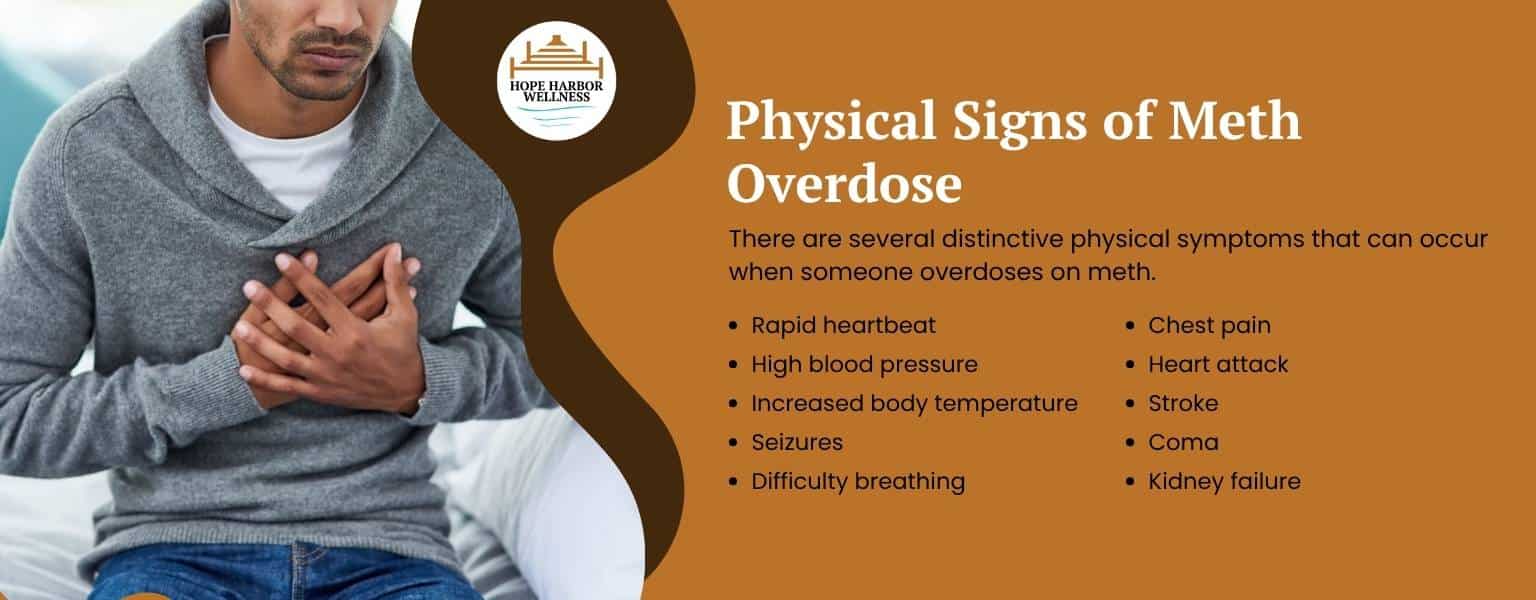
A meth overdose is a dire medical emergency requiring immediate attention. Recognizing the signs and symptoms of a meth overdose is crucial for seeking prompt medical intervention that can save a life. There are several distinctive physical and behavioral symptoms that can occur when someone overdoses on meth.
Physical Signs of Meth Overdose:
- Rapid heartbeat: Tachycardia, often dangerously high.
- High blood pressure: Can lead to stroke or heart attack.
- Increased body temperature (hyperthermia): Potentially leading to organ damage and brain swelling.
- Seizures: Uncontrolled electrical activity in the brain.
- Difficulty breathing: Shortness of breath, gasping, or respiratory distress.
- Chest pain: Indicative of cardiac strain.
- Heart attack: Acute myocardial infarction.
- Stroke: Brain damage from disrupted blood flow.
- Coma: A state of prolonged unconsciousness.
- Kidney failure: Due to extreme dehydration and body temperature.
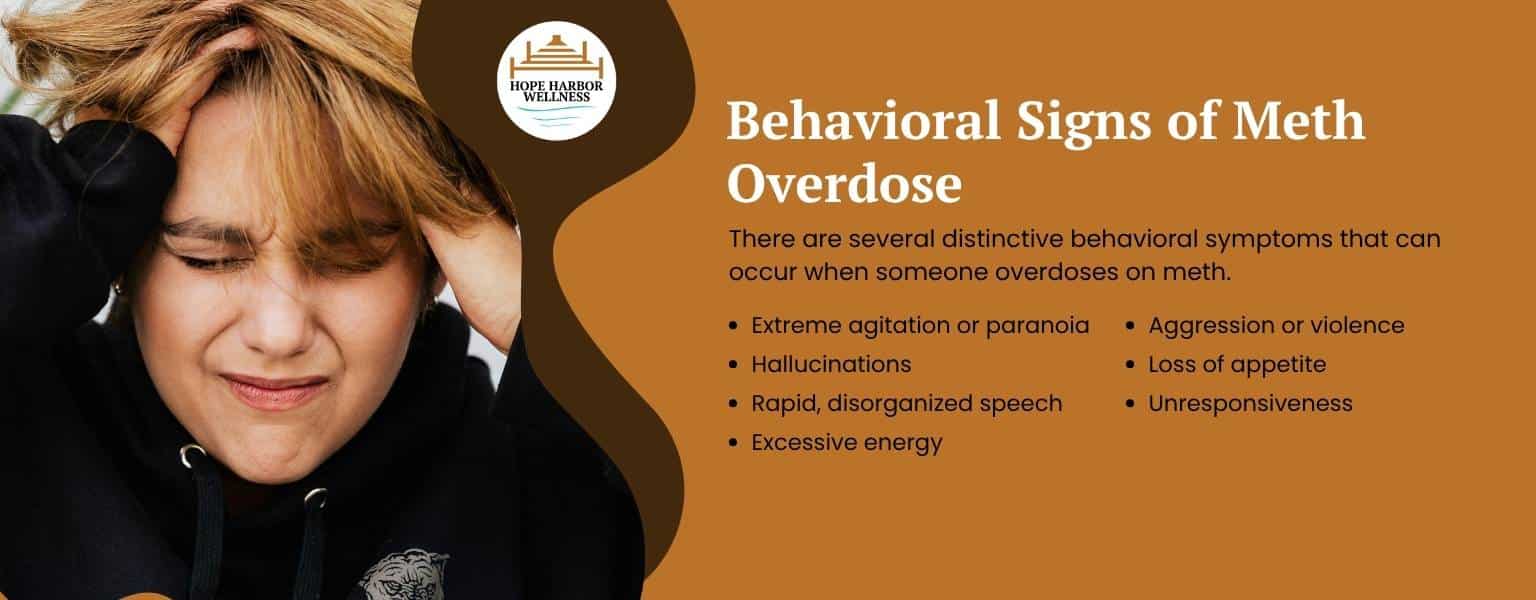
Behavioral Signs of Meth Overdose:
- Extreme agitation or paranoia: Intense restlessness, fear, or irrational suspicion.
- Hallucinations: Seeing, hearing, or feeling things that aren’t real.
- Rapid, disorganized speech: Speaking very fast and incoherently.
- Excessive energy (mania): Unusual bursts of energy, unable to sit still.
- Aggression or violence: Uncharacteristic hostile behavior.
- Loss of appetite: Despite high energy, no desire to eat.
- Unresponsiveness: Inability to awaken or respond to stimuli.
These physical and behavioral meth overdose signs are severe and demand immediate emergency medical attention. If you observe any of these, do not hesitate to call 911.
How Much Meth Does It Take to Overdose?
It is inherently difficult, if not impossible, to determine a precise amount of meth that would definitively cause a meth overdose. This is because individual tolerances, physiological responses, and vulnerabilities to methamphetamine can vary greatly from person to person. Factors such as the drug’s purity (which is highly inconsistent in illicitly manufactured meth), an individual’s frequency of use, their overall physical health, body weight, metabolism, and whether they are mixing meth with other substances can all significantly influence the risk of overdose.
However, the critical takeaway is this: even a small amount of meth can be dangerous and lead to an overdose. This is especially true for someone who has little to no tolerance to the drug, such as a first-time user. It is vital to understand that a meth overdose can occur with any quantity of meth, emphasizing that there is no “safe” dose, even for a first-time use. The purity of street meth is unregulated and often contains unknown, highly potent additives, making every use a gamble with potentially fatal consequences. The question of “how much meth would it take to overdose” is misleading because the answer is: potentially very little.
Factors that Influence a Meth Overdose
Given how profoundly dangerous a meth overdose can be, it is crucial to understand what factors can significantly increase your risk of experiencing one. Recognizing these variables can help emphasize the inherent dangers of methamphetamine abuse.
Several factors can heighten the risk of a meth overdose, including:
- Dosage: Consuming a large amount of meth in a short period dramatically increases the concentration of the drug in your system, overwhelming your body’s ability to process it and significantly increasing the risk of overdose. The more you take, the higher the risk.
- Purity: The purity of illicit meth can vary wildly. Unbeknownst to the user, meth may be cut with impurities or other highly toxic substances, some of which are even more potent than methamphetamine itself (e.g., fentanyl). These unknown additives can greatly increase the toxicity of the drug and the unpredictability of its effects, leading to an unexpected overdose with even a seemingly small dose.
- Tolerance: While individuals who have built up a tolerance to meth may use larger amounts to achieve the desired effects, this also paradoxically increases their risk of overdose. A higher tolerance means the body is accustomed to more, but a slight miscalculation in dosage or an unexpected purity level can easily push the user into an overdose state.
- Mixing with other substances: Combining meth with other drugs, such as alcohol, opioids (like fentanyl or heroin), or benzodiazepines, creates a dangerous cocktail of effects. These substances can interact unpredictably, amplifying negative effects and drastically increasing the risk of overdose and other severe adverse outcomes. This is a common and deadly practice.
- Individual health: Pre-existing health conditions can significantly increase the risk of complications from meth use. This includes underlying heart disease, high blood pressure, kidney disease, or a history of seizures. Meth places immense strain on these vital organs, making individuals with pre-existing conditions far more vulnerable to severe consequences, including overdose.
- Method of use: As discussed, injecting meth carries the highest risk of overdose due to the rapid and direct absorption of the drug into the bloodstream, bypassing the body’s natural defense mechanisms for slower absorption. Smoking also presents a high risk due to rapid inhalation.
- Setting: Using meth in an unfamiliar, unsafe, or highly stressful environment can increase the risk of adverse psychological reactions, such as paranoia or agitation, which can lead to further meth use to try and “come down” or escape the discomfort, inadvertently escalating the risk of overdose.
What To Do If Someone Is Experiencing a Meth Overdose
A methamphetamine overdose can quickly become life-threatening. If you or someone else is struggling with meth abuse, it is imperative to understand what to do in the event of an overdose. Fortunately, there are immediate and crucial steps you can take in this emergency situation.
Call 911 Immediately
If you suspect that someone is experiencing a meth overdose, it is absolutely critical to call emergency services immediately. Do not hesitate to seek professional help. Early intervention can literally be life-saving. Calling 911 or your local emergency hotline is the very first and most important thing you should do if you suspect an overdose. Provide clear and concise information about the situation and the person’s symptoms.
Consider Narcan if Available (Especially if Opioids Are Suspected):
In many tragic cases, meth can be clandestinely mixed with other potent drugs, particularly opioids like fentanyl, without the user’s knowledge. These hidden additives can make a methamphetamine overdose significantly worse and much more lethal, primarily due to severe respiratory depression caused by the opioid. Using Narcan (naloxone), an opioid overdose reversal medication, can reverse the life-threatening effects of an opioid and potentially buy crucial time while waiting for emergency medical services to arrive. It can make it easier to treat the broader symptoms of a meth overdose. It’s vital to understand that if there are no opioids present in the person’s system, Narcan will not have any negative side effects or cause any further harm. It can only reverse the effects caused by opioids, so there is no risk in administering it if you suspect opioid involvement. Always carry Narcan if you or someone you know uses drugs.
Stay Until Help Arrives:
The absolute best thing you can do for someone who is experiencing a meth overdose is to stay with them until professional medical help arrives.
While waiting for emergency medical assistance, you can take the following supportive steps:
- Monitor their breathing: Continuously observe their breathing. If their breathing becomes shallow, sporadic, or stops entirely, begin CPR immediately if you are trained to do so. Follow the 911 operator’s instructions.
- Stay calm and reassure them: A person experiencing a meth overdose may be extremely agitated, paranoid, or hallucinating. Your calm demeanor and reassuring words can help to reduce their anxiety and agitation, potentially preventing further distress or dangerous behavior.
- Avoid giving them any substances: Do not try to give them anything to eat or drink, especially more drugs or alcohol, as this could interfere with medical treatment, worsen their condition, or cause choking.
- Gather information: If possible and safe to do so, try to collect important information about the person. This can include their medical history (known conditions, medications), what drugs they might have recently used (and how much, if known), and any known allergies. This information will be invaluable to the emergency responders.
- Prevent self-injury: If the person is agitated or thrashing, try to gently guide them away from objects that could cause injury, but do not try to restrain them aggressively.
What Happens After a Meth Overdose?
The aftermath of a meth overdose can be severe and long-lasting, irrespective of whether an individual survives. Even if a person survives a meth overdose, they may experience significant and enduring health complications, as well as lasting effects on their physical and mental well-being.
These can include:
- Brain damage: Due to lack of oxygen during respiratory depression or from hyperthermia and seizures.
- Heart damage: Cardiomyopathy or other persistent cardiac issues.
- Kidney failure: Requiring dialysis.
- Stroke: Leading to permanent neurological deficits.
- Mental health deterioration: Worsening anxiety, paranoia, psychosis, and depression.
- Increased risk of future overdose: Survivors often have a higher risk of subsequent overdoses if they continue to use.
If you or someone you know has survived a meth overdose or is currently struggling with meth addiction, it is imperative to seek professional help immediately. Outpatient addiction treatment programs like those at Hope Harbor Wellness can provide the critical support, therapy, and resources needed to overcome meth addiction and move towards a healthier, more stable life. Survival is a second chance; seize it for recovery.
The Relationship Between Meth Addiction and Mental Health
Methamphetamine addiction is profoundly linked to various co-occurring mental health disorders, creating a complex dual diagnosis that requires integrated care. Many individuals resort to meth abuse not just for the euphoric high, but as a desperate and misguided attempt to self-medicate underlying emotional pain and psychological distress. This often includes undiagnosed or untreated conditions such as anxiety disorders, clinical depression, chronic stress, bipolar disorder, or even unresolved trauma and PTSD. While meth may provide temporary, fleeting relief from these agonizing emotional states by artificially boosting dopamine, it ultimately exacerbates and deepens mental health struggles over time. This happens because methamphetamine profoundly disrupts the brain’s natural chemistry, can intensify mood swings, heighten feelings of hopelessness, and contribute to deeper cycles of anxiety, paranoia, and depression. This vicious cycle makes both the addiction and the mental health disorder significantly more challenging to treat independently. A comprehensive and integrated approach to treatment for meth addiction must address both conditions simultaneously for true, lasting recovery and improved well-being.
When Do You Need Meth Addiction Treatment?
Understanding when to seek professional help is crucial for breaking free from the devastating grip of meth addiction.
You may need meth addiction treatment if you experience any of the following:
- Increased Tolerance: You find yourself needing increasingly higher doses of meth to achieve the same desired effects or to feel “normal.”
- Withdrawal Symptoms: You experience uncomfortable and distressing physical or psychological meth withdrawal symptoms (like severe fatigue, intense cravings, depression, anxiety, or psychosis) when you try to cut back on meth or stop using it.
- Loss of Control: You use meth in larger amounts or for longer periods than you intended, or you find it incredibly difficult to cut down or control your meth use despite your best efforts.
- Continued Use Despite Problems: You compulsively keep using meth even when it causes significant negative consequences, such as severe health issues (including organ damage), serious problems in your relationships, interference with your job or school responsibilities, or leads to legal or severe financial difficulties.
- Intense Cravings: You have overwhelmingly strong, persistent urges or a compulsive desire to use meth that consumes your thoughts and makes it difficult to focus on anything else.
- Neglect of Important Activities: You reduce or completely give up important social, occupational, or recreational activities that you once enjoyed because of meth use. Your life revolves around the drug.
- Time Consuming: You spend a disproportionate amount of time obtaining meth, using it, or recovering from its powerful and debilitating effects.
Recognizing these signs and symptoms of meth addiction early can help you seek the necessary support and comprehensive outpatient drug rehab from a reputable facility like Hope Harbor Wellness.

Find a Meth Treatment Program: Hope Harbor Wellness
At Hope Harbor Wellness in Atlanta, GA, our meth treatment program takes a comprehensive, holistic, and evidence-based approach to recovery, specifically designed for individuals seeking outpatient addiction treatment. We are committed to ensuring our clients receive whole-person care that addresses not only the immediate challenges of meth addiction but also the underlying factors contributing to it, fostering lasting healing and sobriety.
Our team of dedicated and compassionate professionals understands the unique complexities of meth addiction and the profound impact it has on individuals and their families.
We integrate various therapeutic modalities to provide a personalized treatment plan for each client:
Psychotherapy
Psychotherapy plays an absolutely crucial role in meth addiction recovery. It helps individuals delve into and understand the underlying causes and triggers of their addiction. It also equips them with essential coping mechanisms and strategies to build healthier behaviors and thought patterns.
Common types of psychotherapy used for meth addiction include:
- Cognitive Behavioral Therapy (CBT): Helps clients identify and change negative thought patterns and behaviors contributing to meth use.
- Motivational Enhancement Therapy (MET): Aims to build and strengthen motivation for change and commitment to recovery.
- Dialectical Behavior Therapy (DBT): Focuses on emotional regulation, distress tolerance, mindfulness, and interpersonal effectiveness skills to manage intense emotions often linked to meth abuse.
- Trauma-Informed Therapy: Addressing any underlying trauma that may fuel meth addiction.
Holistic Therapy
Holistic therapy for meth addiction focuses on treating the whole person – mind, body, and spirit. While it may not be a standalone solution, it powerfully complements traditional treatments and significantly enhances the overall recovery process by promoting balance and well-being.
Some holistic therapies that may be profoundly beneficial for meth addiction recovery at Hope Harbor Wellness include:
- Yoga and Meditation: For stress reduction, mindfulness, and promoting inner calm.
- Art Therapy: To help with express your emotions and overall balance.
- Nutrition and Exercise Counseling: To restore physical health damaged by meth abuse.
- Mindfulness Practices: To help individuals stay present and manage cravings.
- Music Therapy: For relaxation and reducing physical tension associated with stress and withdrawal.
If you or your loved on are struggling with meth dependence or abuse, don’t hesitate and contact us today at 770-573-9546 or fill out our online contact form.
Is Meth Addiction Recovery Possible?
For those who struggle with this devastating disease, it is vitally important to know and believe that meth addiction recovery is absolutely possible. While it is undeniably a challenging and often arduous journey, there have been countless cases where individuals who have struggled with severe meth addiction have gone on to live profoundly fulfilling, sober, and healthy lives.
With the right support and comprehensive outpatient addiction treatment, individuals can effectively re-learn how to navigate life without meth, develop robust coping mechanisms, and build a sustainable sober lifestyle. It is crucial to remember that recovery is a continuous process, not a destination, and there may be occasional setbacks along the way. These are opportunities for learning and growth, not failures.
At Hope Harbor Wellness, the well-being of our clients is our absolute top priority. We provide comprehensive, personalized, and compassionate outpatient addiction treatment that can help you achieve lasting sobriety, heal from the damage of meth abuse, and ultimately live a fulfilling and joyful life in recovery.
If you or your loved on are struggling with meth addiction, don’t hesitate and contact us today at 770-573-9546 or fill out our online contact form.
Meth Overdose Frequently Asked Questions
Can you overdose on meth?
Yes, absolutely. You can overdose on meth, even from a single use, as it’s a powerful stimulant that can overwhelm your body and lead to severe, life-threatening complications.
How much meth does it take to overdose?
There’s no specific amount. The quantity needed for a meth overdose varies greatly based on factors like purity, individual tolerance, method of use, and overall health. Even a small amount can be dangerous.
What are the immediate signs of a meth overdose?
Key signs include a rapid heartbeat, high blood pressure, extreme body temperature, agitation, paranoia, hallucinations, seizures, chest pain, and difficulty breathing.
What should I do if someone is experiencing a meth overdose?
Call 911 immediately. If available and opioids are suspected, administer Narcan. Stay with the person, monitor their breathing, and keep them calm until emergency services arrive.
What are the common methods of meth use and their risks?
Meth can be injected (highest overdose risk, blood-borne diseases), smoked (lung damage, respiratory issues), or snorted (nasal passage damage). All methods carry significant health risks.
Is recovery from meth addiction possible?
Yes, recovery from meth addiction is absolutely possible with the right professional support and comprehensive treatment. It’s a challenging but highly achievable journey.
How does mental health relate to meth addiction?
Meth addiction is often linked to underlying mental health conditions like anxiety or depression. Many individuals use meth to self-medicate, creating a cycle that requires integrated treatment for both conditions.